


Search
Search
2823 Search Results:
… on research, educate junior trainees and enhance St. Joseph’s ability to deliver safe, effective surgical … Committed to training the next generation of surgeons, St. Joseph’s has multiple fellowship programs in the Department of Surgery, but many lack sustainable funding. Around the world, future surgeons are …
After completing five years of surgical residency training, many surgeons sub-specialize in a particular area of care. A fellowship is a learning opportunity, but the benefits are mutual. Clinical fellows collaborate on research, educate junior trainees and enhance St. Josephs ability to deliver saf...
Bridging the gap between high school and university
Exposure to professional experiences can help students envision themselves in specific professions and Dr. Donna Goldhawk aims to do just this by introducing medical research to high school science students. As coordinator of Youth Outreach for the Ontario Research Fund (ORF) grant entitled “Heart Failure: Prevention through Early Detection Using New Imaging Methods,” she is pleased to announce the call for applications to the 2019 Summer Studentship program.
This year, a total of three ORF summer scholarships are available at Lawson Health Research Institute (London), University of Ottawa Heart Institute (Ottawa), and Sunnybrook Research Institute (Toronto). Interested applicants can forward their cover letter and resume to @email by May 15, 2019.
Dr. Goldhawk is a Scientist at Lawson Health Research Institute and an Assistant Professor in Medical Biophysics at Western University. Since 2009, she has helped inspire students to pursue research by training them in her lab. In conjunction with secondary schools in the Thames Valley region and the Partners in Experiential Learning (PEL) program, she teaches youth that choosing a scientific career allows for multiple opportunities to fuse interests with a specific area of focus.
The PEL program was introduced in 2004 by Dr. Jim Koropatnick, Lawson Scientist, and Mr. Rodger Dusky, a retired secondary school teacher. PEL has been a long-standing partnership between the Thames Valley District School Board, London District Catholic School Board, Ministry of Education, Western University, London Health Sciences Centre and St. Joseph’s Health Care London.
This unique academic co-op education program identifies high school students interested in research and prepares them for placement in a health research environment. The students earn high school credits and receive training in basic laboratory research. In Dr. Goldhawk’s experience, PEL attracts an excellent caliber of student who is eager to learn, aspiring to pursue further education and capable of contributing to the science of molecular imaging.
Through the ORF, the Ministry of Research and Innovation emphasizes the value of attracting youth to the scientific enterprise. Students can expect experiential learning tailored to their current understanding of science and aimed at expanding this knowledge for a greater appreciation of biomedical research. For example, in Dr. Goldhawk’s laboratory cardiac research is focused on the measurement of iron contrast using MRI.
“Many cells have naturally distinct iron metabolism; however, we are also using genes from magnetic bacteria to improve the magnetic sensitivity of mammalian cells. MRI can then be used to detect disease processes,” states Dr. Goldhawk. “We are particularly interested in reporter gene expression for MRI, a term coined to describe how changes in the pattern of gene activity and its related protein activity may be visualized.”
Her current team not only includes graduate and undergraduate students at various stages in their programs but also an international collaboration with Dr. Weiwei Zhang, a Western Visiting Scholar from China. In this setting, high school students step into a work atmosphere where they can interact with individuals at different levels. As well, molecular imaging research works closely with multiple areas so students acquire training in both biology and physics.
“To retain the interest of talented young scientists, it is essential to provide them with interesting challenges that reward their curiosity and ambition to learn,” explains Dr. Goldhawk. “In hospital-based research institutes, youth are also exposed to the clinical side for which our research is targeted. This is a quality scientific experience for youth interested in expanding their outlook, performance, technical, problem-solving and record-keeping skills. I think it is essential to build these opportunities into our scientific programs.”
Bridging the gap from discovery to patient care
The following column was provided to Hospital News by Dr. David Hill, scientific director, Lawson Health Research Institute.
Dedicated health researchers across the country are working every day to make discoveries that improve patient outcomes and support a higher quality of life. Our research hospitals have a mandate to develop and test new treatments, technologies and procedures that address our most pressing health challenges.
There is a cycle of health innovation that is supposed to happen – scientific discoveries are made, they transition to clinical trials and then are adopted as an improved standard of care. This is followed by evaluations of the new method and moving along to the next cycle of refinements and improvements. But the reality in Canada is that gaps, in some cases chasms, disrupt the creation and adoption of evidence-based health innovations.
This starts with discovery. The research funding climate in Canada continues to be extremely difficult. Despite the Federal Government outlining substantial new investments in discovery research in Budget 2018 much of that money will not be available to researchers until 2020 and beyond, and the Canadian Institutes of Health Research (CIHR) continues to be limited by a low funding rate of around 14 per cent. Funding for large, definitive clinical trials is especially difficult to support with public funds. Too many good ideas are left unfunded, and in that environment researchers can feel it’s wiser to propose incremental and ‘safe’ science that avoids controversy and the risk of losing support for experienced research teams built up over many years.
Yet researchers are persistent and manage to secure funding from a range of smaller agencies. Unfortunately, many of these do not fund the indirect costs of research necessary to cover administration, infrastructure, equipment maintenance and upgrades, and the investigator’s salaries. Indirect costs are estimated to be approximately 40 per cent on top of direct study costs. In research hospitals these costs generally fall on the institutions to find funding outside of the provincial government budget that covers the costs of hospital care. This is a negative spiral whereby the more successful a hospital becomes in attracting research funds, the bigger the gap in finding the resources to support that research.
When innovative solutions to health care problems are delivered, backed by solid evidence, adoption into our hospital-based care is often far from rapid. Currently, in most provinces, there is no funding mechanism to translate health innovation to the ‘real world’ setting of our front-line care. Yet, such a mechanism is crucial to the translation of science. Clinical trials are carefully designed with strict protocols and criteria for a highly specific population of patients. Innovations that work in a clinical trial do not always work in the real world where patient populations and settings are much more complex.
Following a clinical trial, innovation needs to be tested at the point of care. Without funding to do this, research innovation hits a roadblock. Scientists are left waiting and hoping that one day their provincial government might look to incorporating their innovations into the health system funding schedule. Meanwhile, their work may be used to inform health care improvements in other nations.
An example can be found in medical imaging research. Canadian scientists, including those at Lawson Health Research Institute, are leaders in the development of positron emission tomography (PET) biomarkers to improve diagnosis and understanding of disease using PET scans. PET biomarkers are successfully created and then validated in clinical trials across our nation, but there is little funding to translate them back in a timely fashion to patient care in our hospitals. While countries like the US and Europe readily adopt these innovations, Canada lags behind.
This gap was addressed in a report to the Federal government by the Advisory Panel on Healthcare Innovation entitled “Unleashing Innovation: Excellent Healthcare for Canada” and published in 2015. The panel recommended the formation of a Healthcare Innovation Agency of Canada open to hospitals and other care providers in order to evaluate health innovations in the real-world setting of our health system. Scientists would apply by putting forward evidence from their research, including that collected from clinical trials. They would then design a new translational study to test their innovation at the point of care, with the goal of building evidence for presentation to provincial government.
Will everything tested at the point of care succeed? No; some things will fail in the real world. This is why such a fund is so important. It will show whether or not an innovation truly benefits patients and if it’s ready for wider adoption. If successful, the evidence will highlight the right time to bring innovations into the mainstream standard of care. By bridging this gap in the system, we can improve patient care and ensure a timely return on the investment in science.
Dr. David Hill is scientific director at Lawson Health Research Institute, the research institute of London Health Sciences Centre and St. Joseph’s Health Care London.
Scientist
… What to Bring Other Information Parkwood Institute Well-fitting, supportive shoes with: laces or velcro to fasten closed-in heels firm, non-slip rubber soles … and sleepwear, preferably pants Current medications or lists of medications – prescription and non-prescription …
What to Bring Other Information Parkwood Institute Well-fitting, supportive shoes with: laces or velcro to fasten closed-in heels firm, non-slip rubber soles Supportive well-fitting slippers with non- slip rubber soles and closed-in heels Several changes of comfortable clothes and sleepwear, p...
… Welcome to the Musculoskeletal Rehabilitation Unit The next step in your Rehabilitation Journey What to Bring Other Information Parkwood Institute CARING FOR THE BODY, MIND & SPIRIT SINCE 1869 CARING … MIND & SPIRIT SINCE 1869 Renowned for compassionate care, St. Joseph’s is one of the best academic health care …
Welcome to the Musculoskeletal Rehabilitation Unit The next step in your Rehabilitation Journey What to Bring Other Information Parkwood Institute CARING FOR THE BODY, MIND & SPIRIT SINCE 1869 CARING FOR THE BODY, MIND & SPIRIT SINCE 1869 Renowned for compassionate care, St. Josephs is one of the be...
… DIABETES UPDATE 2019 AGENDA WEDNESDAY, NOVEMBER 13, 2019 Best Western Lamplighter Inn & Conference Centre -CRYSTAL BALLROOM 591 Wellington Road South, London 7:30 a.m. – … DIABETES UPDATE 2019 AGENDA WEDNESDAY, NOVEMBER 13, 2019 Best Western Lamplighter Inn & Conference Centre -CRYSTAL …
DIABETES UPDATE 2019 AGENDA WEDNESDAY, NOVEMBER 13, 2019 Best Western Lamplighter Inn & Conference Centre -CRYSTAL BALLROOM 591 Wellington Road South, London 7:30 a.m. 4:00p.m. 7:30 a.m-8:15a.m. Registration & Light Breakfast 8:15 a.m.-8:30a.m. Welcome & Introduction Dr. Stewart Harris CM, MD, MPH,...
… 1 | P a g e Gifts of Securities St. Joseph’s Health Care Foundation accepts donations of … Beth Norman, Associate Bryan Vickers 1900 - 148 Fullarton Street London, Ontario N6A 5P3 Phone: 519-675-2018 FAX: … beth.norman@rbc.com FINS# - T002 DTC# - 5002 CUID – DOMA St. Joseph’s Health Care Foundation account number: …
1 | P a g e Gifts of Securities St. Josephs Health Care Foundation accepts donations of shares through the following four brokerage firms: RBC Dominion Securities Beth Norman, Associate Bryan Vickers 1900 - 148 Fullarton Street London, Ontario N6A 5P3 Phone: 519-675-2018 FAX: 519-675-2020 Email: bet...
Cafe Scientifique
6:30 -9:00 p.m.
Approximately nine per cent of Canadian adults will experience post-traumatic stress disorder (PTSD) at some point in their lifetime (Canadian Mental Health Association). As trauma and trauma-related disorders have become more recognized in society, the need for research has accelerated. At London Health Sciences Centre and St. Joseph’s Health Care London, our researchers are leading the way in advancing understanding, diagnosis and treatment in this critical area of mental health.
Join Lawson Health Research Institute on Thursday, September 28th at Goodwill Industries for a special Café Scientifique event, “Uncovering Trauma: A Conversation about PTSD and Moral Injury.”
Our world-renowned researchers and those with lived experience will share the importance of addressing trauma, PTSD and moral injury. They will discuss diagnosis, prognosis and treatment advancements developed through studies involving at-risk populations, including Canadian Veterans, health-care workers and those with developmental trauma.
EVENT DETAILS
- Date: Thursday, September 28, 2023
- Time: 6:30-9:00 p.m. (Doors open at 6:00 pm)
- Location: Goodwill Industries
- 255 Horton Street, London, ON (3rd floor event space)
https://goo.gl/maps/J65qJy6HKtg4aDxEA - Parking: Free on-site parking
PANELISTS
- Dr. J. Don Richardson, Associate Scientist at Lawson, Consultant Psychiatrist and Medical Director of the Parkwood Operational Stress Injury (OSI) Clinic at St. Joseph’s Health Care London, Scientific Director of the MacDonald Franklin OSI Research Centre at the Parkwood Institute, Fellow with the Canadian Institute for Military and Veteran Health, Tanna Schulich Chair in Neuroscience & Mental Health and Professor of Psychiatry at Western University
- Dr. Ruth Lanius, Associate Scientist at Lawson, Psychiatrist at London Health Sciences Centre, Harris-Woodman Chair in Mind-Body Medicine and Professor of Psychiatry at Western University’s Schulich School of Medicine & Dentistry
- Teresa Kinney, research participant who has contributed to studies with Dr. Lanius
- Laryssa Lamrock, National Strategic Advisor for families at Atlas Institute for Veterans and Families, Veterans Family Advisor on the MacDonald Franklin OSI Research Centre Advisory Council
MODERATOR
- Dr. Arlene MacDougall, Scientist at Lawson, Director of Research and Innovation for Mental Health at St. Joseph’s Health Care London, Director for MINDS, the Mental Health Incubator for Disruptive Solutions of London-Middlesex, Assistant Professor of Psychiatry and Epidemiology & Biostatistics at Western University
This is a free event and online registration is REQUIRED. Click here to register.
Café Scientifique is a free community event providing an informal opportunity to get involved with science. Through an open-forum discussion in a casual setting, these events address health-related issues of popular interest to the general public. A panel of Lawson researchers talk about what they do and why, and share their unique research perspectives. Guests can then ask questions, participate in discussion, and gain insights from the speakers and from one another.
This event is made possible by funding from the Canadian Institutes of Health Research (CIHR).
Thanks to our media partner:

Café Scientifique: The invisible world inside us
The human microbiome is a wonder of nature, with trillions of microbes calling our body home. They live in our gut and many other places throughout our body. They are involved in virtually every aspect of how we function and we are learning that they are essential to staying healthy. An unhealthy microbiome has been linked to many diseases from allergies to cancer and even mental health.
Most people out there have heard about probiotics and fermented foods, and chances are you’re trying to get more of them in your diet. Drinking kombucha or eating yogurt, anyone?
On November 27, 2019, Lawson Health Research Institute held the latest in its Café Scientifique event series, "The invisible world inside us: Exploring the human microbiome.”
The panel of researchers helped to unravel the mysteries about the micirobiome and how we are using that knowledge to improve health and health care. They also busted some myths and shared the important facts when it comes to probiotics, prebiotics and the microbiome.
Watch their talks:
Researchers:
Probiotics and Prebiotics - Look beyond the fake news
Dr. Gregor Reid, Lawson Scientist and Professor of Microbiology & Immunology and Surgery at Western University.
Time stamp: 10:02
Fecal Transplants: What does this crap have to do with me?
Dr. Michael Silverman, Lawson Associate Scientist, Chair of Infectious Diseases, Schulich School of Medicine & Dentistry at Western University and Chief of Infectious Diseases for St. Joseph’s Health Care London and London Health Sciences Centre.
Time stamp: 31:48
Does eating bacteria make sense?
Dr. Jeremy Burton, Lawson Scientist and Assistant Professor of Surgery (Urology) and Microbiology & Immunology at Western University.
Time stamp: 55:02
See the event photos on Facebook.
Café Scientifique is a free community event series providing an informal opportunity to get involved with science. Through an open-forum discussion in a casual setting, these events address health-related issues of popular interest to the general public. A panel of three Lawson scientists talk about what they do and why, and share their unique research perspectives. Guests can then ask questions, participate in discussion, and gain insights from the speakers and from one another.
CAISA Fashion Show – COMME des GARCONS
9:00pm
The Canadian Asian International Students’ Association (CAISA) is delighted to present its 19th annual fashion show – COMME des GARCONS, on Saturday, March 18, 2017 at Centennial Hall.
Drawing a crowd of over 1,500 attendees, CAISA Fashion Show is one of the largest student-run charity fashion shows in Ontario. COMME des GARCONS will be pushing creative boundaries with a number of unique acts, on-stage illusions in the ‘House of Magic’, and a roster of independent designers who will debut their custom collections on the runway.
On Friday, October 21st the Metropolitan Museum of Art revealed that the 2017 gala will be celebrating the one and only Rei Kawakubo, founder of Comme des Garçons. This marks an important event in history for the gala as it is the first time a living designer will be the sole focus of the exhibit since Yves Saint Laurent in 1983.
With over $230,000 donated to our charity, CAISA Fashion Show is thrilled to continue its partnership with Children’s Health Foundation for the eleventh year.
This year, the funds will support Stem Cell Research at Children’s Health Research Institute.
For more information, please visit the CAISA Fashion Show website.
… MIND & SPIRIT SINCE 1869 Renowned for compassionate care, St. Joseph’s is one of the best academic health care organizations in Canada dedicated to helping people live to their fullest by minimizing the effects of injury, disease and … MIND & SPIRIT SINCE 1869 Renowned for compassionate care, St. Joseph’s is one of the best academic health care …
CENTRALIZED WEEKLY EVENTS CARING FOR THE BODY, MIND & SPIRIT SINCE 1869 Renowned for compassionate care, St. Josephs is one of the best academic health care organizations in Canada dedicated to helping people live to their fullest by minimizing the effects of injury, disease and disability through e...
Can type 2 diabetes go into remission?
For Wayne Kristoff, the possibility of getting off all medication for his type 2 diabetes was so intriguing he jumped at a chance to participate in an innovative trial in London. The REMIT study aims to induce remission of the condition – an exciting new concept being tested by researchers at Lawson Health Research Institute.
Kristoff was diagnosed in June 2014, which was difficult but not unexpected because there is a history of the illness in his family. He had to work his way up to taking four pills a day for his diabetes, which came with significant side effects. “If there was a way to get off medication, I wanted to be part of it,” says the 68 year-old.
Image
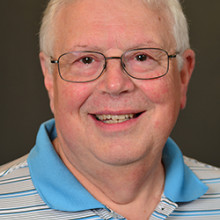
He met the study criteria and was enrolled in February 2016. The results, so far, have been life changing for the Londoner. Since May 2016 Kristoff (right) has been off all medication, his blood sugar levels are good, and he has more energy and feels better than he has in years. He’s also lost 30 pounds thanks to the support offered by the research team.
“I remember well where I was and what I was doing when I received the call telling me that I could stop taking all of my diabetic medication,” adds Kristoff.
A second REMIT trial is now being launched, providing another opportunity for individuals with type 2 diabetes to take part. The trial challenges traditional type 2 diabetes treatment by testing an aggressive approach in recently diagnosed patients. St. Joseph’s Hospital in London is one of seven Canadian sites taking part in the landmark REMIT study. Being led by the Population Health Research Institute (PHRI), a joint institute of McMaster University and Hamilton Health Sciences, the trial follows a PHRI pilot study of early aggressive treatment that resulted in up to 40 per cent of 83 patients with type 2 diabetes going into remission and not needing any diabetes treatment for at least three months.
When Lawson launched the initial trial in December 2015, it generated a surge of interest with more than 200 people with type 2 diabetes asking to participate.
“The idea of remission in type 2 diabetes is obviously captivating to both patients and clinicians,” says Lawson researcher and endocrinologist Dr. Irene Hramiak, Chief of the Centre for Diabetes, Endocrinology and Metabolism at St. Joseph’s. “This overwhelming interest in the REMIT trial tells me that patients want solutions that will optimize care and reduce the complications associated with this disease.”
Image
The standard treatment for people diagnosed with type 2 diabetes is to start on a single medication, which is then followed by the addition of more drugs and insulin as the disease progresses, explains Dr. Hramiak. In the REMIT study, patients undergo an experimental intensive treatment - two diabetes oral medications plus insulin at bedtime - for three months to see if remission can be induced and how long patients can go without any medication.
“By being proactive with aggressive treatment early on, the theory is that we may slow the progression of the disease,” says Dr. Hramiak. “We are attempting to actually change the disease and induce remission, which is a significant departure from the current approach.”
Those who would like more information about the trial can call 519 646-6100 ext. 65373.
Canadian researchers will test a promising new fecal microbiota treatment on patients to cure advanced melanoma
The Canadian Cancer Society (CCS) is uniting with a team of 12 researchers and collaborators to lead one of the world’s largest randomized controlled clinical trials using fecal microbiota transplantation (FMT) to improve the effectiveness of the standard of care for advanced melanoma. This phase II trial is made possible by investments of $1 million each from CCS and the Weston Family Foundation and will be overseen by the Canadian Cancer Trials Group.
An estimated 11,300 Canadians are expected to be diagnosed with melanoma in 2024. The current standard of care for patients with advanced melanoma is a type of immunotherapy called immune checkpoint blockade (ICB) and while it plays an important role in treatment, more than half of patients will still experience disease progression and unfortunately die of the disease. Finding a path to make this treatment effective for more people would have enormous impact on patient care and significantly improve the odds of surviving advanced melanoma.
The funding from CCS and the Weston Family Foundation supports all translational research and part of the trial costs (study ME17). The study is being co-led by researchers from Université de Montréal's affiliated hospital research centre (CRCHUM) and Lawson Health Research Institute, alongside collaborators and close to 130 patients with advanced melanoma who will be recruited throughout Canada to participate in this study.
The phase II trial builds on previous research that also received funding support from CCS. Those studies showed the safety and therapeutic potential of using healthy donors’ stool to influence a patient’s gut microbiota and make treatment for advanced melanoma more effective. The study will administer fecal microbiota transplants using specially-prepared oral capsules produced and pioneered at Lawson Health Research Institute, which have been a game changer in patient acceptance and ease of use.
For the past five years, the Weston Family Foundation has supported Canadian researchers working to leverage the microbiome to improve cancer diagnostics, therapy and patient care.
The biggest and most critical issues related to cancer, such as improving treatment effectiveness for people living with melanoma, are issues that require collaboration. From researchers to clinical trial leaders, to academic and scientific institutions, to caring funders and generous donors, it takes a society to transform cancer. To support cancer research and clinical trials, visit cancer.ca.
Quotes
“What saved me was trusting the scientists who knew what they were doing and the promising results of the clinical trial. To someone who is diagnosed, I would say that if you are offered this treatment, it may sound strange, but it is to help you. Thank you to the partners and the CRCHUM team for their support and for the treatments that went wonderfully well and saved my life." - Louise-Hélène Giroux, diagnosed in 2021 with stage 4 melanoma, first patient in the phase I clinical trial in Quebec to try FMT treatment
“Because of the generosity of our donors, we are able to invest in world-leading cancer research and clinical trials like this trial focused on advanced melanoma. In 2020, together with the Lotte and John Hecht Memorial Foundation, we committed nearly $1.5M into this research through an Impact Grant. Today, we are joining with the Weston Family Foundation to double down on our original investment through this clinical trial because we believe this work will transform the future of melanoma, saving lives and bringing hope to thousands of people facing the disease every year in this country.” – Dr. Stuart Edmonds, Executive Vice President, Mission, Research and Advocacy, Canadian Cancer Society
“The Weston Family Foundation is thrilled to support this pioneering research into the role of the microbiome in the fight against cancer, which has real potential to transform treatments and care for this devastating disease. It's a bold step forward in our mission to invest in innovation that delivers measurable impacts to the well-being of Canadians. Working alongside forward-thinking researchers and partners like the Canadian Cancer Society will make way for advancements that help to bring hope to patients and families affected by melanoma.” – Garfield Mitchell, Chair, Weston Family Foundation
“We are aiming to safely change the patient’s gut microbiota to improve the benefit of immunotherapy in several cancers, including melanoma. This experimental treatment consists of transplanting stool from healthy donors using a Health Canada-approved process - known as fecal microbiota transplantation (FMT). With this investment, we can pursue our randomized trial, with the goal of improving the lives of patients with advanced melanoma. We are optimistic that we will see promising results.” – Dr. Arielle Elkrief, principal investigator, Clinician-Scientist, Université de Montréal-affiliated hospital research centre (CRCHUM)
“Our early research has shown the safety of combining FMT with immunotherapy and that it may improve outcomes for patients with melanoma. Through this new trial, we hope to demonstrate that the combination is more effective than immunotherapy alone. A positive result would lead to a phase III trial with the potential to make FMT with immunotherapy the new standard of care.” - Dr. John Lenehan, Medical Oncologist at the Verspeeten Family Cancer Centre at London Health Sciences Centre and Associate Scientist at Lawson Health Research Institute, Co-chair of ME17 trial
The researchers and collaborators
The phase II clinical trial, known as the ME17 Fecal microbiota transplantation (FMT) in combination with immune checkpoint blockade in patients with advanced melanoma: A randomized phase II trial, involves several highly collaborative experts who will be working with the Canadian Cancer Trials Group (CCTG) who will administer the trial nationally. For the translational research associated with the trial, the project team includes:
Co-Principal Investigators:
Dr. Janet Dancey, Medical Oncologist and Professor, Queen’s University, Director of the Canadian Cancer Trials Group
Dr. Arielle Elkrief, Clinician-Scientist and Assistant Professor, Université de Montréal-affiliated hospital research centre (CRCHUM)
Dr. John Lenehan, Medical Oncologist at LHSC’s Verspeeten Family Cancer Centre, Associate Scientist, Lawson Health Research Institute
Dr. Bertrand Routy, Clinician-Scientist and Associate Professor, Université de Montréal-affiliated hospital research centre (CRCHUM)
Dr. Saman Maleki, Scientist, Lawson Health Research Institute, London Health Sciences Centre's (LHSC) Verspeeten Family Cancer Centre and Ontario Institute of Cancer Research (OICR)
Dr. Michael Silverman, Scientist, Lawson Health Research Institute, Medical Director of the Infectious Disease Care Program at St. Joseph’s Health Care London
Collaborators:
Dr. Seema Parvathy, Lawson Health Research Institute
Dr. Marcus Butler, Leader of the CCTG Melanoma Disease Site Committee, Princess Margaret Cancer Center
Dr. Rahima Jamal, hemato-oncologist, researcher and medical director at the Unit for Innovative Therapies (Phase I-II Unit), Université de Montréal-affiliated hospital research centre (CRCHUM)
Dr. Ian Watson, Associate Professor and Co-chair CCTG Melanoma Disease Committee, McGill University
Dr. Bingshu Chen, Professor, Queen’s University
Dr. Meriem Messaoudene, Research Associate, Université de Montréal-affiliated hospital research centre (CRCHUM)
About the Canadian Cancer Society
The Canadian Cancer Society works tirelessly to save and improve lives. We raise funds to fuel the brightest minds in cancer research. We provide a compassionate support system for all those affected by cancer, across Canada and for all types of cancer. Together with patients, supporters, donors and volunteers, we work to create a healthier future for everyone. Because to take on cancer, it takes all of us. It takes a society. Help us make a difference. Call 1-888-939-3333 or visit cancer.ca today.
About the Weston Family Foundation
At the Weston Family Foundation (formerly The W. Garfield Weston Foundation), more than 60 years of philanthropy have taught us that there’s a relationship between healthy landscapes and healthy people. That’s why we champion world-class health research and innovation with the same passion that we support initiatives to protect and restore biodiversity on our unique landscapes. We take a collaborative approach to philanthropy, working alongside forward-thinking partners to advance Canada and create lasting impacts. We aspire to do more than provide funding; we want to enable others to find transformational ways to improve the well-being of Canadians.
Research Area
Scientist
… Canadian Trained Professional Staff in an Academic Appointment New positions requires that … Impact Summary Form be completed and request form submitted by Department to Medical Affairs for the Joint Professional Staff Human Resource Committee (JPSHRC) to Review. The …
Canadian Trained Professional Staff in an Academic Appointment New positions requires that Part A of the Position/Candidate Impact Summary Form be completed and request form submitted by Department to Medical Affairs for the Joint Professional Staff Human Resource Committee (JPSHRC) to Review. The A...
… INFIRMIERES ET INFIRMIERS EN NEUROSCIENCES RAPIDAI Southwestern Ontario Se … INFIRMIERES ET INFIRMIERS EN NEUROSCIENCES RAPIDAI Southwestern Ontario Se …
CANADIAN ASSOCI.ATION OF NEUROSCIENCE NURSES ASSOCIATION CANA'DIENNE DES INFIRMIERES ET INFIRMIERS EN NEUROSCIENCES RAPIDAI Southwestern Ontario Se
Capturing bacteria’s grand ballet
In a world first, scientists at Lawson Research Institute are leveraging imaging technology to see and track microbes and provide an unprecedented glimpse of the human microbiome.
Within each of us is a world populated by a bustling metropolis of microorganisms – a tapestry of trillions in a delicate dance to balance health, well-being and vitality.
Far outnumbering human cells, this dynamic ecosystem of busy bacteria, industrious fungi and elusive viruses is the body’s microbiome. This invisible hive of ceaseless activity is so intrinsic to human health, its explorers say it should perhaps be considered an organ in its own right.
Now, in a world first, Lawson Health Research scientists studying this microcosmic underworld are making the invisible visible – in real time.
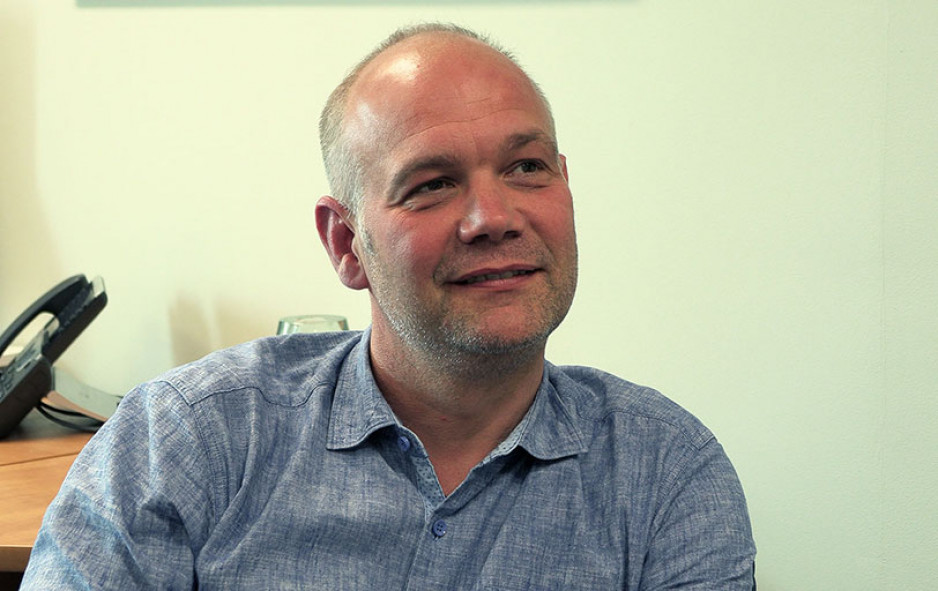
The team of Jeremy Burton, PhD, Research Chair of Human Microbiome and Probiotics and Director of the Canadian Centre for Human Microbiome and Probiotic Research at St. Joseph’s Health Care London (St. Joseph’s), is using imaging technology to see and track microbes, providing a perspective never before achieved.
“Typically, we track microbes by analyzing samples from patients after treatment to improve their gut health with probiotics or microbiota transplantation (FMT),” explains Burton, whose endowed research chair is funded through St. Joseph’s Health Care Foundation. “While we can get detailed information through DNA sequencing techniques, this often takes many months and relies on collecting fecal samples and other samples that may not be easily obtained. It also doesn’t provide all the information we need, like exactly where the microbes have travelled and how long they live.”
'Fantastic insight'
Imaging the microbes allows the Lawson team “to see things in real-time and not worry about clinical samples,” he adds.
Donna Goldhawk, PhD, molecular imaging scientist with Lawson’s Imaging Research Program, explains that imaging is done by attaching a radioactive tracer to cells, such as bacteria, that can be ingested and visualized in the body with positron emission tomography-magnetic resonance imaging (PET/MRI).
Imagine it as a biological version of an AirTag that tracks specific microbes.
“Lawson's environment has been a catalyst for new ideas, collaborations and many Canadian firsts.” - Michael Kovacs, Program Lead, Lawson’s Imaging Research Program, and Lead, Cyclotron & PET Radiochemistry Facility
“It’s through this pipeline that we gain fantastic insight into how the microbiome supports human health,” she says.
As an example, tracking microbes allows the scientists to see if they are close to or crossing over the gut cell wall.
“This is critical information because the proximity of microbes to the cell wall will likely determine if the probiotic or FMT therapy is effective or not,” says Burton. “We can now potentially track microbes that we administer to people in real-time and, in the future, be able to tell how sick people are and if they have a dysfunctional microbiota. Eventually, this information will be linked to their other health information for a complete picture.”

Uniquely St. Joseph’s
He notes the work “could only happen here” at St. Joseph’s, with its leading-edge imaging, production of novel tracers (isotopes) within Lawson’s Cyclotron & PET Radiochemistry Facility, and with world-class collaborative expertise – all fueled by the generosity of donors.
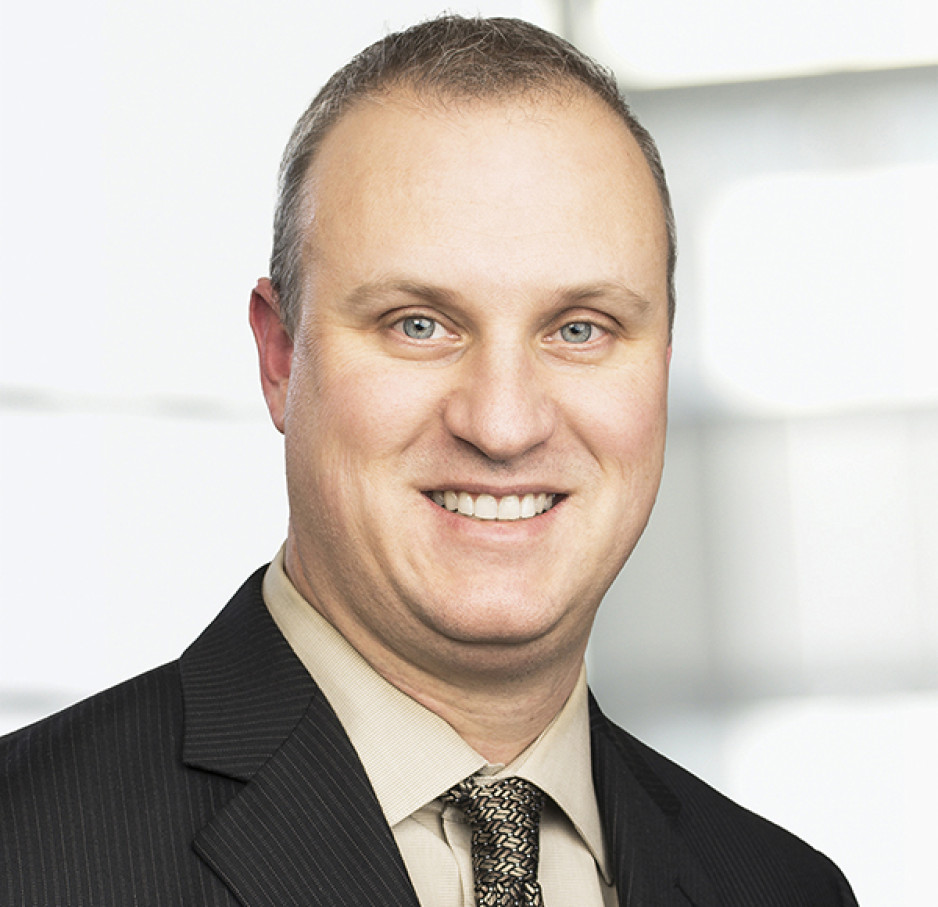
Working with Burton and Goldhawk are Lawson scientists, Michael Kovacs, PhD, Frank Prato, PhD, Dr. Michael Silverman, Seema Nair Parvathy, PhD, and Neil Gelman, PhD.
“This exciting work illustrates how innovative technologies can emerge when diverse groups collaborate closely in a multi-disciplinary approach to research within a hospital setting,” says Michael Kovacs, Program Lead, Lawson’s Imaging Research Program, and Lead, Cyclotron & PET Radiochemistry Facility. “Lawson's environment has been a catalyst for new ideas, collaborations and many Canadian firsts.”
The potential impact cannot be over-stated, adds Burton.
“This is the pathway to revolutionizing the way we understand the microbiome in people,” he says. “We’ve spent so long trying to eradicate microbes and studying the ones that cause ill health. Only relatively recently have we begun to study the ones that cause good health. That’s a dramatic shift in approach and, while we’ve come a long way, we’re really only getting started.”
… MIND & SPIRIT SINCE 1869 Renowned for compassionate care, St. Joseph's is one of the best academic health care organizations in Canada dedicated to helping people live to their fullest by minimizing the effects of injury, disease and … MIND & SPIRIT SINCE 1869 Renowned for compassionate care, St. Joseph's is one of the best academic health care …
CARING FOR THE BODY, MIND & SPIRIT SINCE 1869 Renowned for compassionate care, St. Joseph's is one of the best academic health care organizations in Canada dedicated to helping people live to their fullest by minimizing the effects of injury, disease and disability through excellence in care, teachi...
… •• • • •• • • • • • • • • • • •• • • • •• • • • • • t~ STJOSEPHs HEALTH CARE LONDON Cardiac Rehabilitation and … MIND & SPIRIT SINCE 1869 Renowned for compassionate care, St. Joseph’s is one of the best academic health care organizations in Canada dedicated to …
t~ STJOSEPHs HEALTH CARE LONDON Cardiac Rehabilitation and Secondary Prevention Program Patient Education Guide CARING FOR THE BODY, MIND & SPIRIT SINCE 1869 Renowned for compassionate care, St. Josephs is one of the best academic health care organizations in Canada ...
… Cardiac Rehabilitation and Secondary Prevention Program Lifestyle Change and Self-Management Workbook CARING FOR THE … MIND & SPIRIT SINCE 1869 Renowned for compassionate care, St. Joseph͛s is one of the best academic health care organizations in Canada dedicated to …
Cardiac Rehabilitation and Secondary Prevention Program Lifestyle Change and Self-Management Workbook CARING FOR THE BODY, MIND & SPIRIT SINCE 1869 Renowned for compassionate care, St. Josephs is one of the best academic health care organizations in Canada dedicated to he lping people live to their ...
… in order to resume a productive, active and satisfying lifestyle. The program is a coordinating site (designated by the … fax a referal form to 519-667-6532. Facilities In-hospital stress lab, clinic, education space, and exercise equipment … Program Highlights Medical assessment (including exercise stress testing) Exercise program Nutrition counselling …
Guide for Referring Physicians The Cardiac Rehabilitation and Secondary Prevention Program (CRSP) is an out-patient, multidisciplinary program for cardiac surgical and medical patients. Physician referral is required with no fee for service. During the six-month program, patients receive medical man...