


Search
Search
2802 Search Results:
Dr. Miho Iijima delivers talk on role of PTEN in cancer
Dr. Miho Iijima, Associate Professor at John Hopkins School of Medicine, visited St. Joseph’s Hospital on Friday, November 17 to deliver a talk on the role of a protein called “phosphatase and tensin homolog” (PTEN) in cancer.
The talk was organized by the Department of Ophthalmology. Dr. Sunil Parapuram, scientist at Lawson who invited Dr. Iijima, has been collaborating with her to study the role of PTEN in fibrosis.
Dr. Iijima’s talk focused specifically on controlling PTEN localization and function in cancer. Mutations and deletions in the gene encoding PTEN are associated with many cancers and autism. Dr. Iijima’s laboratory recently discovered a new class of cancer and autism-associated PTEN mutations that specifically interfere with membrane association. During her talk, Dr. Iijima discussed how PTEN is recruited to the plasma membrane and how enhancing the membrane recruitment of PTEN suppresses oncogenic signaling in cancer.
"Dr. Miho Iijima gave a very informative talk about the meticulous work her laboratory is doing about controlling the location and function of PTEN,” said Dr. Parapuram. “Her visit also provided an opportunity to reinvigorate the collaboration between our labs on the role of PTEN in fibrosis.”
To learn more about Dr. Iijima’s research, please visit the John Hopkins School of Medicine’s website.
Dr. Qingping Feng named Innovator of the Year for potential sepsis treatment
WORLDiscoveries, the technology transfer and business development office for Western University, Lawson Health Research Institute and Robarts Research Institute, recently announced the recipients of the 2020 Vanguard Awards.
Vanguard Awards recognize local researchers who, through partnership with WORLDiscoveries, have achieved various market-readiness milestones.
Lawson’s Dr. Qingping Feng was named as the Innovator of the Year. He is being recognized for his research and intellectual property related to Annexin and its use to treat inflammatory disorders. He holds patents issued in Canada, United States, Europe, China and Japan.
This award is given to individuals who demonstrate excellence in innovation within their field. It highlights the achievements of those who contribute to the culture of commercialization and entrepreneurship by creating a product or service that is beneficial to society.
Congratulations to Dr. Feng and all of the 2020 Vanguard Award recipients.
As the research institute of LHSC and St. Joseph’s, our researchers work in the lab and directly with clinicians, patients, families and other partners to enhance diagnostics and treatments. They also address care at a system level by improving delivery of services for people in London and beyond.
For any pressing health question, our work does not stop once the research is done. Commercialization and business development are vital components in driving innovation and transforming health care, all while supporting Canada’s knowledge economy.
Learn more about Dr. Feng’s research:
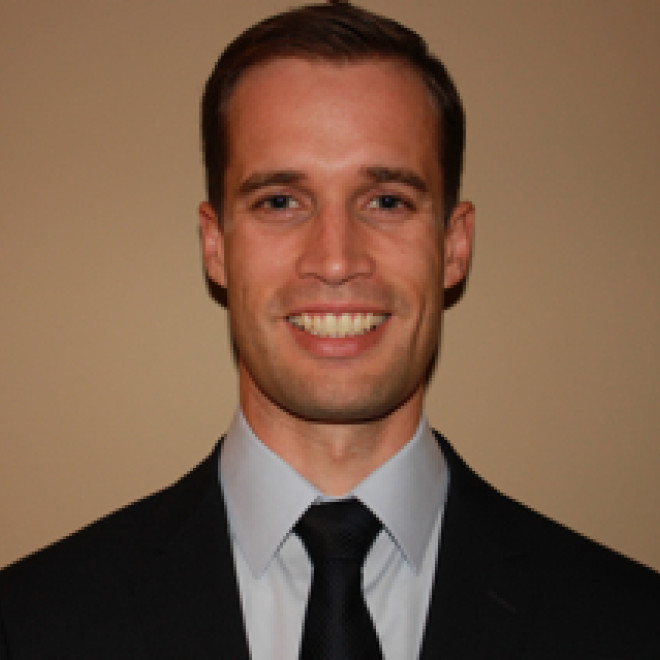
Dr. Blayne Welk
Full Name
Dr. Blayne Welk
Role
Location
Degrees and Qualifications
MD, MSc
Research Area
Biography
Dr. Welk obtained his Bachelors of Science degree and Medical Degree at the University of Western Ontario. He then went on to complete his urology residency at the University of British Columbia and obtained his Royal College certification in Urology. He completed additional clinical training at the University of Toronto, where he specialized in the evaluation and treatment of male and female incontinence, male urethral stricture disease, and neurogenic bladder dysfunction. During his 2-year fellowship he also completed a masters degree in Clinical Epidemiology at the University of Toronto.
In 2011 he was appointed as an Assistant Professor in the Department’s of Surgery (Urology) and Epidemiology and Biostatistics at Western University. He is an Adjunct Scientist at the Institute for Clinical Evaluative Sciences. He has received peer-reviewed grants from the Canadian Urologic Association, Academic Medical Organization of Southwestern Ontario, PSI Foundation, Rick Hansen Foundation and Ontario Neurotrauma Foundation.
… Dear Robin: Office of the President 268 Grosvenor Street, PO Box 5777 London, ON N6A 4V2 T: 519 646-6100 ext. … to you 1.5% of your annual base salary is based on St. Joseph's achieving the four targets outlined in our QIP. … for that indicator The results of the four indicators are listed below: QIP Indicator Current 50% Target 2014/15 % …
June 10, 2015 Robin Walker Integrated Vice President Medical Affairs and Medical Education Personal and Confidential Dear Robin: Office of the President 268 Grosvenor Street, PO Box 5777 London, ON N6A 4V2 T: 519 646-6100 ext. 64200 F: 519 646-6054 www.sjhc.london.on.ca The purpose of this letter is...
Dr. Ting-Yim Lee awarded the Meritorious Service Cross by the Governor General of Canada
Congratulations to Dr. Ting-Yim Lee who was awarded the Meritorious Service Cross from the Governor General of Canada. He was recognized for his development of CT Perfusion to measure blood flow in the body which has transformed the way stroke is assessed and treated around the globe.
The Civil Division Cross recognizes a deed or an activity that has been performed in an outstandingly professional manner, or with uncommonly high standards; the activity is often innovative, sets an example for others to follow, improves the quality of life of a community and brings considerable benefit or honour to Canada.
Dr. Lee, a scientist at Lawson Health Research Institute and Medical Physicist at St. Joseph’s Health Care London, as well as professor at Western University’s Schulich School of Medicine & Dentistry and scientist at Robarts Research Institute, fits the bill perfectly. Through his research program, Dr. Lee pioneered the development of CT Perfusion technology which is compatible with existing CT scanners and uses X-ray dye to assist doctors in assessing blood flow in the event of stroke.
The technology is now in use in more than 8,000 hospital imaging departments worldwide and has drastically improved patient care.
“I am humbled by this award. The work I’ve accomplished would not have been possible without the support of the institutions and collaboration of colleagues too many to name and the tireless effort of all members of my lab: graduate students, fellows, technicians and assistants,” said Dr. Lee. “I am really happy that this work has been found to help patient care. It gives me impetus to continue to search for new innovations that would benefit patients.”
The Meritorious Service Decorations recognize Canadians for exceptional deeds that bring honour to the country. The cross was originally created in 1984 by Her Majesty Queen Elizabeth II, for members of the military. In 1991, both the cross and medal were introduced for civilians to recognize remarkable contributions in many different fields including advocacy initiatives and health care services, to research and humanitarian efforts.
The recipients of the awards were announced by Governor General of Canada, David Johnston, and will be presented at an official ceremony later this year.
Scientist
Dr. Ting-Yim Lee recognized by WORLDiscoveries for medical imaging innovation
An exceptional career of innovation prowess, influence and leadership has won Dr. Ting-Yim Lee the inaugural Career Achievement Award presented by WorldDiscoveries.
Dr. Lee, Director of PET/CT Research at Lawson Health Research Institute and Medical Physicist at St. Joseph’s Health Care London, is being recognized for the significance of his work in the field of medical imaging and outstanding success in turning innovative ideas into tangible products and services.
Each year, WORLDiscoveries, the technology transfer and business development office for Western University, Lawson, and Robarts Research Institute, hosts the Vanguard Awards. These prestigious awards honour the community’s brightest minds, visionary entrepreneurs, and the exceptional achievements they have made in technology and research. By partnering with WORLDiscoveries, recipients of the Vanguard Awards have reached significant market-readiness milestones, propelling their ideas toward real-world impact. All recipients have made remarkable strides in their respective fields, shaping the future of innovation.
Dr. Lee pioneered use of advanced methods to analyze medical images from machines like CT, MRI and PET to gather important information about diseases. Over the years, he has published 290 research papers, which have been cited nearly 19,000 times – an indication of their impact in the medical community.
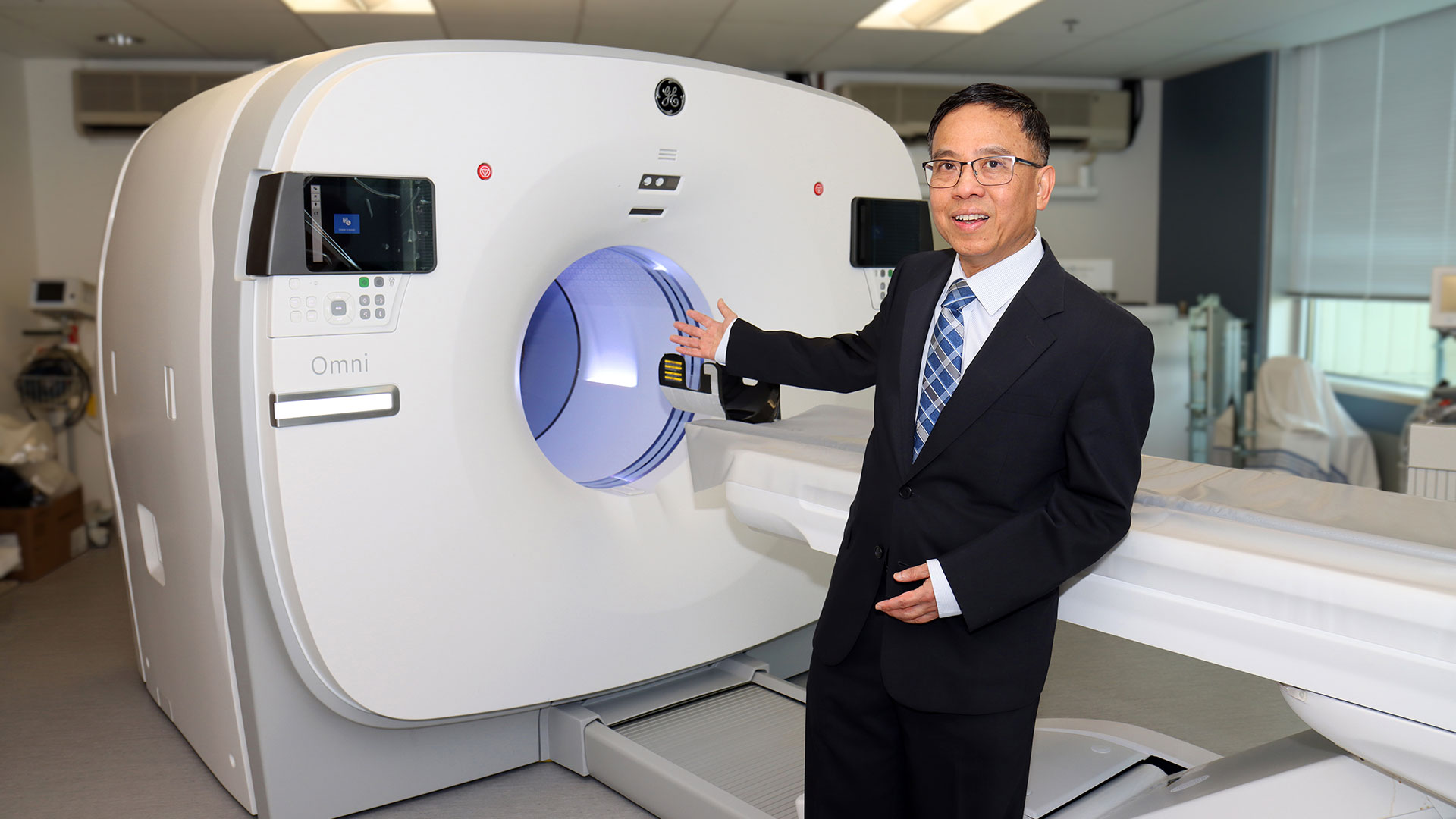
His work initially focused on using dynamic CT scans to study blood flow in stroke and cancer patients and to address challenges related to imaging the heart. With dynamic CT scans, images are taken continuously as change in vessels, organs and other structures is happening. The effect is similar to a real-time video. Dr. Lee also played a role in developing guidelines for using these scans to study the growth of new blood vessels that nourish the proliferation of cancer cells.
More recently, he shifted his focus to PET scans to examine biological processes in the body, demonstrating their effectiveness in detecting prostate cancer in a short, 22-minute scan. One of his notable contributions was the development of CT Perfusion software, which played a crucial role in a U.S. nation-wide ovarian cancer trial involving more than 20 medical centres. This software proved valuable as an early biomarker for assessing treatment response.
In addition to research, this world-renowned researcher has obtained eight patents and has licensed five enhanced versions of the CT Perfusion software to GE HealthCare, making it easier for clinicians to apply his techniques in real-world hospital settings.
Dedicated to creating the next generation of scientists, Dr. Lee has mentored and trained 70 graduate students, post-doctoral fellows, clinicians and research associates, many of them going on to earn prestigious research awards themselves.
“I am grateful for the support received over the decades from colleagues and trainees,” says Dr. Lee. “Without them, the work cannot be done. This award is not just for myself but for all collaborators and contributors on this journey.”
In presenting the award, WORLDiscoveries says Dr. Lee’s work has transformed industries, inspired countless individuals within the field to pursue innovation and entrepreneurship, and has left a lasting impact on society at large.
St. Joseph’s congratulates this remarkable and dedicated scientist on this prestigious and well-deserved award.
More on the Vanguard Awards and the 2023 recipients are available on the WORLDiscoveries website.
… June 30, 2021 @ 8:30 AM Please note: Orientation will be hosted online & completely virtual due to the uncertainties of … 14th • OWL Access- Residents receive an email to your western email address (access & log in) • PGME-2021 OWL site name hosting: 1) Orientation (available June 14th, complete by June …
2021 Resident Orientation VIRTUAL AGENDA VIRTUAL ACCESS: begins June 14, 2021 @ 9:00 AM LIVE WELCOME ADDRESS: Wednesday June 30, 2021 @ 8:30 AM Please note: Orientation will be hosted online & completely virtual due to the uncertainties of COVID-19. RESIDENT ORIENATION ACCESS INFORMATION: Online Ori...
… June 30, 2021 @ 8:30 AM Please note: Orientation will be hosted online & completely virtual due to the uncertainties of … 14th • OWL Access- Residents receive an email to your western email address (access & log in) • PGME-2021 OWL site name hosting: 1) Orientation (available June 14th, complete by June …
2021 Resident Orientation VIRTUAL AGENDA VIRTUAL ACCESS: begins June 14, 2021 @ 9:00 AM LIVE WELCOME ADDRESS: Wednesday June 30, 2021 @ 8:30 AM Please note: Orientation will be hosted online & completely virtual due to the uncertainties of COVID-19. RESIDENT ORIENATION ACCESS INFORMATION: Online Ori...
… June 6th • OWL Access- Residents receive an email to your western email address (access & log in) • PGME-2022 OWL site name hosting: 1) Orientation: Hospital, PGME, PARO, Windsor, … to Residency Weekly Survival Series (July 7th to September 1st) Time Orientation Item Location Action LIVE VIRTUAL …
OWL VIRTUAL ACCESS: Begins June 6, 2022 @ 9:00 AM LIVE WELCOME ADDRESS: Wednesday, June 30, 2021 830am RESIDENT ORIENTATION ACCESS INFORMATION: Online Orientation Access: begins June 6th OWL Access- Residents receive an email to your western email address (access & log in) PGME-2022 OWL site name ...
… June 6th • OWL Access- Residents receive an email to your western email address (access & log in) • PGME-2022 OWL site name hosting: 1) Orientation: Hospital, PGME, PARO, Windsor, … to Residency Weekly Survival Series (July 7th to September 1st) Time Orientation Item Location Action LIVE VIRTUAL …
OWL VIRTUAL ACCESS: Begins June 6, 2022 @ 9:00 AM LIVE WELCOME ADDRESS: Wednesday, June 30, 2021 830am RESIDENT ORIENTATION ACCESS INFORMATION: Online Orientation Access: begins June 6th OWL Access- Residents receive an email to your western email address (access & log in) PGME-2022 OWL site name ...
… Clinic is part of the Allergy and Immunology Program at St. Joseph’s Hospital. The clinic is focused on treating allergies to medications. The most common drugs that we deal with are antibiotics (especially penicillin) and also local anesthetic allergies. Of course, there are thousands of other …
Drug Allergies Drug Allergy Clinic The Drug Allergy Clinic is part of the Allergy and Immunology Program at St. Josephs Hospital. The clinic is focused on treating allergies to medications. The most common drugs that we deal with are antibiotics (especially penicillin) and also local anesthetic alle...
Drug combats underlying causes of Alzheimer-related dementia
A “game-changing” new drug offers both hope and time to some people diagnosed with Alzheimer’s disease, says the head of a St. Joseph’s program that played a key role in the medication’s clinical trials. Health Canada has newly approved lecanemab (brand name Leqembi, developed by Eisai Co. and Biogen), which has been shown to slow progression of Alzheimer’s disease in people with mild symptoms.
St. Joseph’s Health Care London, and its innovation arm at Lawson Research Institute, has played a key role as one of multiple sites that have trialed the drug.
“This is game-changing,” says Dr. Michael Borrie, medical director of the Aging Brain and Memory Clinic at St. Joseph’s, whose work in dementia research and clinical practice spans more than three decades.
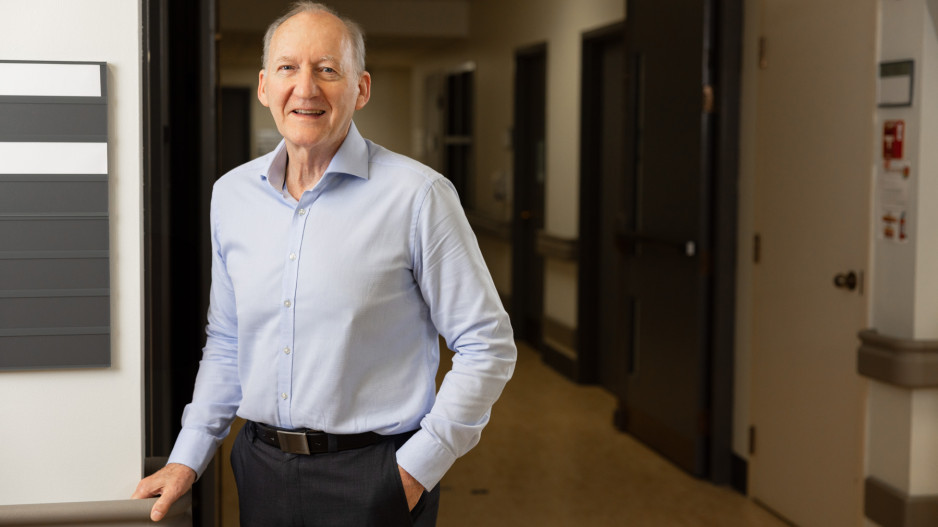
“We’ve been working for over 20 years to find a compound that is disease-modifying. This is the first approved drug in Canada that addresses the underlying pathology of Alzheimer’s, not just the symptoms.”
Lecanemab works by removing amyloid proteins that accumulate as sticky clumps in the brain and are associated with cognitive decline in people with Alzheimer’s. “It reverses one aspect of the disease by removing the plaque from the brain ,” Borrie explains.
“You can characterize its benefit in terms of time saved. If you were to have this medication for four years, you can ‘save’ one year of cognitive decline. It totally changes the course of their neurodegeneration in a way we haven’t seen before.”
Lecanemab was one of many clinical drug trials assigned to research coordinator Kayla Vander Ploeg when she arrived to work at St. Joseph’s more than a decade ago. “For so long, we had hope that one of these medications would benefit patients long-term. Now we have more than hope. We have results,” Vander Ploeg says.
“Today I’m seeing people who say, ‘my dad or my mom was in this study, and now there’s hope for me.’ ”
There are specific eligibility criteria, including confirmed diagnosis – through cognitive testing and through advanced brain imaging and biomarker tests – plus screening to rule out two gene variations that couldresult in more side effects.
Canada is now one of 51 countries to have approved lecanemab.
Borrie cautioned that Health Canada approval doesn’t necessarily translate to funding coverage. It’s not yet determined who will pay for the medication, or how: when lecanemab was approved in the United States in 2023, the annual cost per patient was more than $26,000.
The length of time from drug development to trials to approval illustrates how painstaking pharmaceutical research can be. But it also highlights how integrating health research into hospital settings can translate more quickly into improved patient care.
… Page 1 of 2 Abobotulinumtoxin A (Dysport®) for Cervical Dystonia/Spasmodic Torticollis What is cervical dystonia and how is it typically treated? Cervical dystonia is a rare neurological disorder involving involuntary … Page 1 of 2 Abobotulinumtoxin A (Dysport®) for Cervical Dystonia/Spasmodic Torticollis What is cervical dystonia and …
July 12, 2022; Page 1 of 2 Abobotulinumtoxin A (Dysport) for Cervical Dystonia/Spasmodic Torticollis What is cervical dystonia and how is it typically treated? Cervical dystonia is a rare neurological disorder involving involuntary muscle contractions in the neck that cause the head to twist or turn...
Easing the pressure for patients with chronic wounds
Chronic wounds represent a significant burden in Canada. Between four and 30 per cent of patients develop a chronic wound, depending on the health care setting. Over 85 per cent of all Spinal Cord Injury (SCI) survivors will experience health complications related to pressure ulcers, injuries to the skin and underlying tissue resulting from prolonged pressure. These types of wounds can significantly reduce participation in meaningful activities and overall quality of life.
Research from around the world shows that electrical stimulation can help speed the healing of pressure ulcers. This therapy is currently done by a trained health care provider and is not readily available for people across Canada.Electrical stimulation therapy (E-Stim) is a wound treatment that involves applying low levels of electrical current to the wound bed and surrounding tissues. It stimulates several healing processes, promotes local circulation and prevents infections.
The E-Stim Collaboration: A Best Practice Implementation Project for Better Pressure Ulcer Care aims to improve the coordination of pressure ulcer care and promote the use of evidence-informed wound treatments for people living with SCI. In particular, the research project is studying how to best provide E-Stim to people with pressure ulcers, in their own communities.
“Over the years I’ve seen the serious impact pressure ulcers have on the lives of people with spinal cord injury and other health challenges. This is what drives my commitment to not only develop best practice guidelines, but also to ensure they are put into action,” says Dr. Pamela Houghton, Associate Scientist, Lawson and Professor, School of Physical Therapy at Western University. “Advances in technology make it possible for more people with care needs to live at home.”
The pilot project in the South West LHIN has a unique model that builds capacity in the community and taps into the lived experience of people with pressure ulcers and SCI. It brings together the expertise of researchers, clinicians and managers from academia, hospital centres and community care.
Partners include the Parkwood Institute Research program at Lawson Health Research Institute, Western University, Saint Elizabeth’s Health Care Research Centre, Sunnybrook Health Sciences Centre and the South West Community Care Access Centre. An interdisciplinary specialized team, called SCIPUT, has been established within the Spinal Cord Injury Rehabilitation program provided at Parkwood Institute, St. Joseph’s Health Care London.
“Our collaborative team is using the PLAN-DO-STUDY-ACT quality improvement model. This allows us to learn from each cycle and make adjustments as we go,” says Dr. Houghton. “We have just completed the first cycle and are reporting on lessons learned.” Funded by the Rick Hansen Foundation, the team hopes this will set the stage for a larger cross-country initiative.
Those interested in participating can contact phoughto@uwo.ca. The study is open to:
- Individuals with an open pressure ulcer and with a condition that causes limited mobility and/or requires a wheelchair;
- Those who are able and willing to participate in treatment plan, and communicate feedback; and,
- People who are eligible to receive services from South West CCAC.
|
Image
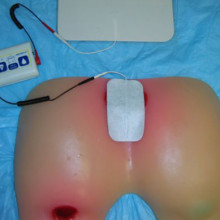
Electrical stimulation (E-Stim) directly stimulates several wound healing processes, promotes local circulation and prevents wound infections. It produces faster healing and wound closure. A trained health care provider applies low levels of electrical current to the pressure ulcer using specialized equipment. |
… research and education community. eduroam allows students, researchers and staff from participating institutions to obtain Internet connectivity across campus and … research and education community. eduroam allows students, researchers and staff from participating …
What is eduroam? eduroam (education roaming) is the secure, world-wide roaming access service developed for the international research and education community. eduroam allows students, researchers and staff from participating institutions to obtain Internet connectivity across campus and when visiti...
… MIND & SPIRIT SINCE 1869 Renowned for compassionate care, St. Joseph’s is one of the best academic health care organizations in Canada dedicated to helping people live to their fullest by minimizing the effects of injury, disease and … MIND & SPIRIT SINCE 1869 Renowned for compassionate care, St. Joseph’s is one of the best academic health care …
CARING FOR THE BODY, MIND & SPIRIT SINCE 1869 Renowned for compassionate care, St. Josephs is one of the best academic health care organizations in Canada dedicated to helping people live to their fullest by minimizing the effects of injury, disease and disability through excellence in care, teachin...
… MIND & SPIRIT SINCE 1869 Renowned for compassionate care, St. Joseph’s is one of the best academic health care organizations in Canada dedicated to helping people live to their fullest by minimizing the effects of injury, disease and … MIND & SPIRIT SINCE 1869 Renowned for compassionate care, St. Joseph’s is one of the best academic health care …
CARING FOR THE BODY, MIND & SPIRIT SINCE 1869 Renowned for compassionate care, St. Josephs is one of the best academic health care organizations in Canada dedicated to helping people live to their fullest by minimizing the effects of injury, disease and disability through excellence in care, teachin...
… Discharge Instructions – St. Joseph’s Hospital 200726 (ortho) June 2017 Elbow Surgery … 4 times a day for 48 hours. Activity • Move your elbow as instructed by your surgeon or therapist. • Wiggle your fingers … Discharge Instructions – St. Joseph’s Hospital 200726 (ortho) June 2017 …
Discharge Instructions St. Josephs Hospital 200726 (ortho) June 2017 Elbow Surgery Day of Surgery remember to bring 2-3 pillows, leave in the car so they are available to elevate your arm on the way home. Care of the Surgical Site You may have some drainage from the incision; if you have a drain C...
… MIND & SPIRIT SINCE 1869 Renowned for compassionate care, St. Joseph’s is one of the best academic health care organizations in Canada dedicated to helping people live to their fullest by minimizing the effects of injury, disease and … MIND & SPIRIT SINCE 1869 Renowned for compassionate care, St. Joseph’s is one of the best academic health care …
CARING FOR THE BODY, MIND & SPIRIT SINCE 1869 Renowned for compassionate care, St. Josephs is one of the best academic health care organizations in Canada dedicated to helping people live to their fullest by minimizing the effects of injury, disease and disability through excellence in care, teachin...
… MIND & SPIRIT SINCE 1869 Renowned for compassionate care, St. Joseph’s is one of the best academic health care organizations in Canada dedicated to helping people live to their fullest by minimizing the effects of injury, disease and … MIND & SPIRIT SINCE 1869 Renowned for compassionate care, St. Joseph’s is one of the best academic health care …
CARING FOR THE BODY, MIND & SPIRIT SINCE 1869 Renowned for compassionate care, St. Josephs is one of the best academic health care organizations in Canada dedicated to helping people live to their fullest by minimizing the effects of injury, disease and disability through excellence in care, teachin...