


Search
Search
675 Search Results:
… go to obtain documentation of my previous immunization, Tb testing & serology? A - Family doctor, medical school … they are signed by a physician or nurse) • Laboratory testing (titres) • Student Health Records 2. Q – Should I … Q – Where can I get my immunization updated and/or TB skin testing done? ahead of time, or before my start date? A – …
Occupational Health & Safety Services Questions and Answers - Health Screening Process 1. Q Where can I go to obtain documentation of my previous immunization, Tb testing & serology? A - Family doctor, medical school records, student health services, public health unit where you attended school, O...
… go to obtain documentation of my previous immunization, Tb testing & serology? A - Family doctor, medical school … they are signed by a physician or nurse) • Laboratory testing (titres) • Student Health Records 2. Q – Should I … Q – Where can I get my immunization updated and/or TB skin testing done? ahead of time, or before my start date? A – …
1 Occupational Health & Safety Services Questions and Answers - Health Screening Process 1. Q Where can I go to obtain documentation of my previous immunization, Tb testing & serology? A - Family doctor, medical school records, student health services, public health unit where you attended school, ...
… go to obtain documentation of my previous immunization, Tb testing & serology? A - Family doctor, medical school … they are signed by a physician or nurse) • Laboratory testing (titres) • Student Health Records 2. Q – Should I … Q – Where can I get my immunization updated and/or TB skin testing done? ahead of time, or before my start date? A – …
1 Occupational Health & Safety Services Questions and Answers - Health Screening Process 1. Q Where can I go to obtain documentation of my previous immunization, Tb testing & serology? A - Family doctor, medical school records, student health services, public health unit where you attended school, ...
… go to obtain documentation of my previous immunization, Tb testing & serology? A – Family doctor, medical school … they are signed by a physician or nurse) • Laboratory testing (titres) • Student Health Records 2. Q – Should I … Q – Where can I get my immunization updated and/or TB skin testing done? ahead of time, or before my start date? A – …
1 Occupational Health & Safety Services Questions and Answers - Health Screening Process 1. Q Where can I go to obtain documentation of my previous immunization, Tb testing & serology? A Family doctor, medical school records, student health services, public health unit where you attended school, O...
… go to obtain documentation of my previous immunization, TB testing & serology? A – Family doctor, medical school … they are signed by a physician or nurse) • Laboratory testing (titres) • Student Health Records 2. Q – Should I … Q – Where can I get my immunization updated and/or TB skin testing done? ahead of time, or before my start date? A – …
1 Occupational Health & Safety Services Questions and Answers - Health Screening Process 1. Q Where can I go to obtain documentation of my previous immunization, TB testing & serology? A Family doctor, medical school records, student health services, public health unit where you attended school, O...
… go to obtain documentation of my previous immunization, TB testing & serology? A – Family doctor, medical school … they are signed by a physician or nurse) • Laboratory testing (titres) • Student Health Records 2. Q – Should I … Q – Where can I get my immunization updated and/or TB skin testing done? ahead of time, or before my start date? A – …
Reviewed 20200624 1 Occupational Health & Safety Services Questions and Answers - Health Screening Process 1. Q Where can I go to obtain documentation of my previous immunization, TB testing & serology? A Family doctor, medical school records, student health services, public health unit where you ...
… DKA If a moderate/large amount of ketones register on the test strip, Blood glucose levels (mmol/L) Ketone bodies in … irritability. When you have any of these symptoms always test your blood sugar. If you cannot test, assume your blood sugar is low. What should I do if I …
A y Guidelines For Managing Hyperglycemia (High Blood Sugar) High Blood Glucose (Hyperglycemia) Hyperglycemia Protocol for Insulin Pumps High Blood Glucose Level High Blood Glucose Level No Ketones With Ketones Take correction dose with pump. Check if site and pump OK. Recheck blood sugar in 1 hour....
… may be, or have had blood drawn recently for a pregnancy test, tell your doctor. Please also inform the radiologist, … may be, or have had blood drawn recently for a pregnancy test, tell your doctor. Please also inform the radiologist, …
CARING FOR THE BODY, MIND & SPIRIT SINCE 1869 Renowned for compassionate care, St. Josephs is one of the best academic health care organizations in Canada dedicated to helping people live to their fullest by minimizing the effects of injury, disease and disability through excellence in care, teachin...
Rates of depression and substance use higher for pregnant teens, study finds
LONDON, ON – Researchers from Lawson Health Research Institute and Brescia University College found that teenage pregnant women are more likely to live in poverty, have poorer mental health and have higher rates of substance use.
There are limited Canadian studies on teenage pregnancies, in particular looking at risk factors and birth outcomes compared to women who became pregnant during adulthood. London researchers were able to take advantage of a large sample of pregnant women from Southwestern Ontario by accessing data from patients at London Health Sciences Centre. Of the 25,363 pregnant women making up the total sample of the retrospective cohort study, 4.3 per cent (1080) were 19 years old or younger.
Teenage pregnant women were much more likely than older pregnant women to live in poor, disadvantaged neighbourhoods across Southwestern Ontario. They were also more likely to have a history of depression and had higher rates of depression during pregnancy, with 10 per cent on medication while pregnant. Looking at substance use, 41 per cent of teenage women smoked cigarettes, 13 per cent used cannabis and 7 per cent drank alcohol during pregnancy, which was significantly higher than rates for older pregnant women.
Once adjusted for other medical, behavioural and economic factors, teenage pregnancy was not associated with a higher risk for preterm birth or low birth weight compared to pregnancy for women ages 20-34 years. However, the infants had a higher risk of low Apgar scores.
An Apgar score, a test given to newborns soon after birth, indicates how well the baby is doing outside of the womb. Babies with very low Apgar scores are more likely to need assistance with breathing. However, Apgar scores have little correlation with the long-term health of the baby.
“Although teenage pregnancy has been declining in Canada over the past few decades, this does not mean that we have solved this social issue. The majority, 70 per cent, of teenage pregnancies in this country are unintended,” says Dr. Seabrook, Scientist at Children’s Health Research Institute, a program of Lawson, and Associate Professor at Brescia University College. “Unfortunately, declining rates of teenage pregnancy means that the issue has received minimal attention in recent years with respect to social policy.”
Contrary to findings in the United States, where teenage pregnancy is associated with a higher risk for preterm birth and low birth weight, these recent results suggest that geographical context, differences in social inequality and type of health care system are important. It’s possible that Canada’s universal health care system provides a stronger safety net.
“There are so many factors associated with poor birth outcomes, and the advantage of our sample size and statistical modelling was that we were able to include key medical and behavioural factors which play a larger role than age,” says Dr. Jasna Twynstra, Associate Professor at Brescia University College.
“Although our study adds to the limited research on teenage pregnancy and birth outcomes, the findings are only from Southwestern Ontario,” adds Dr. Seabrook. “We are currently working on a systematic review and meta-analysis of all studies conducted in Canada on the relationship between teenage pregnancies and adverse birth outcomes to determine whether our findings here are consistent with what’s happening across the country.”
He hopes the study reopens discussion on this important issue so that work can be done to improve the overall health of teenage pregnant women and their children. “We need to target teenage mental illness, as well as their high substance use during pregnancy, to minimize the impact on their overall health and wellbeing.”
The study, “Risk Factors and Birth Outcomes Associated with Teenage Pregnancy: A Canadian Sample,” was published in the Journal of Pediatric and Adolescent Gynecology.
-30-
Media Contacts
Celine Zadorsky
Senior Media Relations Consultant
Communications & Public Engagement
T: 519-685-8500 ext. 73502
Celine.zadorsky@lhsc.on.ca
… May include information on applicant screening and testing, conducting interviews, and acceptance and rejection … postings, resumes and employment applications, job skills test sheets, interview questions and sheets, scoring … May include information on applicant screening and testing, conducting interviews, and acceptance and rejection …
Personal Information Bank (PIB) Details Title: Recruitment Location of Records: Human Resources, department leader files Description: Records relating to the recruitment of staff for permanent, part-time and contract job postings. May include information on applicant screening and testing, conductin...
Reducing social isolation with new community resource
LONDON, ON – Researchers in London are sharing a new resource that can help municipalities and other organizations better understand social isolation and implement solutions proven to be effective. With input from over 35 community partners and people with lived experience, the research team hopes this tool can be used to support community-based initiatives that counteract poverty and homelessness while promoting mental health and social inclusion.
“The pandemic has highlighted the issues of isolation and homelessness, and we know there is a connection between mental health and poverty. Unfortunately, right now, many people don’t see solutions in sight,” explains Dr. Cheryl Forchuk, Assistant Scientific Director at Lawson Health Research Institute. “Our new resource offers an expanded understanding of isolation and homelessness based on a very broad view and many different perspectives. We have taken it a step further and given examples of solutions that are working.” She is the lead researcher for CURA (Community-University Research Alliance): Poverty, Mental Health and Social Inclusion.
Today during a virtual book launch, the team from the CURA discussed details of a new publication from Canadian Scholars: Poverty, Mental Health, and Social Inclusion, edited by Drs. Forchuk and Rick Csiernik. Community partners from Connect for Mental Health (peer support), Impact Junk Solutions from CMHA Elgin-Middlesex, and Goodwill Industries shared more about their successful programs.
The book brings together research, real stories and information about programs from the London and area community that are working to address these issues. Most of the chapters includes a wide range of co-authors, including psychiatric consumer-survivors, academics, students, front-line service providers and leadership from community partners.
“In order to find real solutions, the voices of people using the services must be at the centre. Their stories and experiences have been a very important part of producing this book,” says Betty Edwards, Executive Director at Can-Voice, a consumer-survivor group, and Community Director for CURA. “For us to move the needle, we need collaboration across different sectors, for example health, income support, housing and social services. No one sector can solve these issues on their own.”
The book summarizes the foundational work by the CURA to better understand the inter-relationships between poverty and social inclusion for psychiatric survivors. Social inclusion involves the full participation of marginalized groups in the social and economic benefits of society which can be difficult to achieve for people with the “double jeopardy” of poverty and mental illness.
“After five years of funding and several published research papers, we wanted to pull the findings together as a whole so that it would be more easily accessed and implemented by a wide range of people and organizations,” adds Dr. Forchuk. “Our hope is that other cities and service providers can pick up this book to see what we’re doing in London, and consider ways that they may reach out to their citizens to address social exclusion. It is also an academic tool to prepare the next generation as they continue to tackle the wicked problem of homelessness.”
Incorporating an arts-based approach, the book also features photographs taken by photographer Justin Langille who would spend about a month with each of the programs offering solutions and partnered with consumer survivors to capture accurate depictions of what they considered important messages.
“I reflect back on the past 15 months of the pandemic and know how isolated I have felt at times. Imagine the feelings of isolation or being forgotten that would come with experiencing homelessness? And for some, it’s been most of their adult lives,” shares Dr. Csiernik, Professor at King’s University College at Western University. “We know that many people during the pandemic have lost homes, jobs and food security. Some may have new or worsening mental health disorders. The learnings and solutions like the ones presented in the book are needed now more than ever.”
A central focus of the CURA team has been understanding homelessness – what lead someone to experience homelessness and how do we as a society respond? By bringing together different perspectives, the CURA team uncovered the issue of hospital discharge to homelessness, leading to research projects at London Health Sciences Centre and St. Joseph’s Health Care London that integrates the City of London’s housing and homeless approach. They have been better able to tailor youth specific homeless interventions after more awareness of the unique challenges of homeless youth. Driven by an information gap identified by the CURA, Dr. Forchuk’s team recently announced a research project testing data algorithms to track and identify who is homeless and where they are located.
-30-
DOWNLOADABLE MEDIA
Photo credit for all images: Justin Langille Photography
Image

A supported housing unit rendered uninhabitable by an individual suffering from mental illness, which was a challenge for Impact Junk Solutions to de-clutter. (Photo credit: Justin Langille Photography)
Image
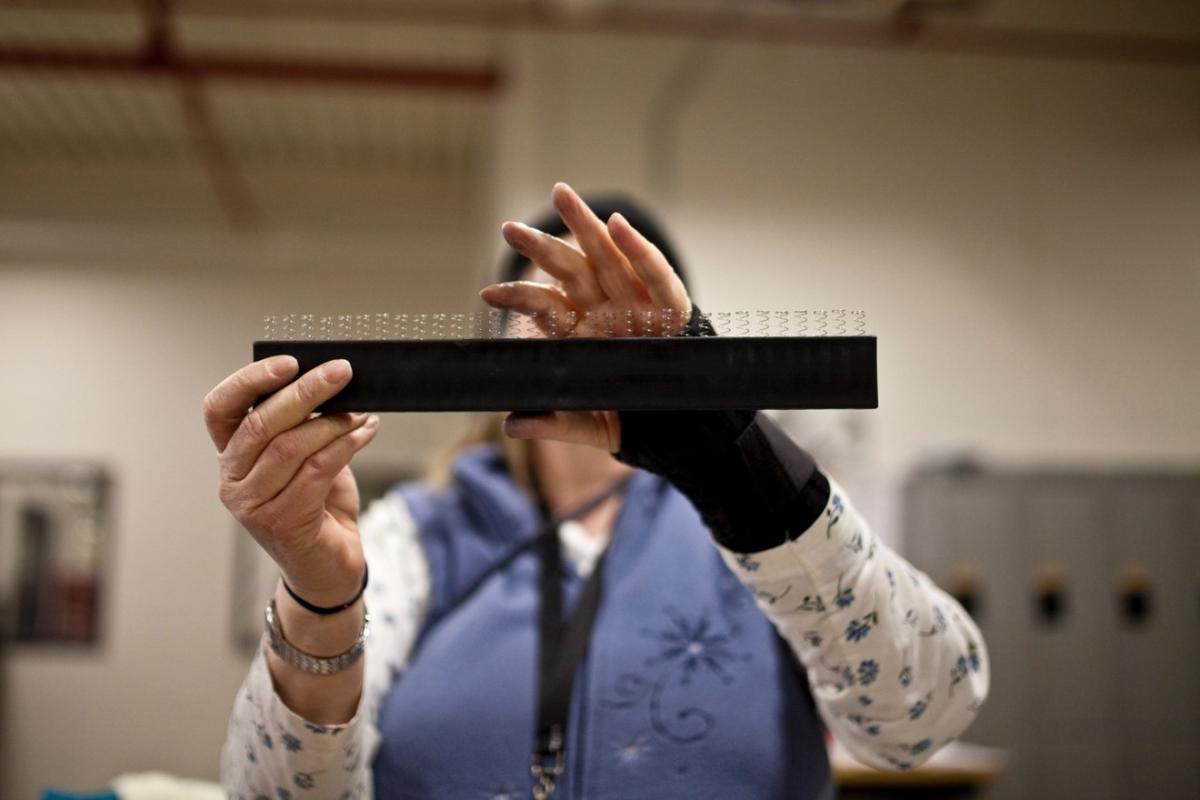
Diane assembles parts on the floor of the Goodwill’s RMHC Social Enterprise program in St.Thomas in April 2014. (Photo credit: Justin Langille Photography)
Image

Steve helps a co-worker navigate a couch out from a basement in the Blackfriars neighbourhood in London, Ontario in April 2014. Returning to work has been essential for Steve’s successful recovery from mental illness and substance abuse. (Photo credit: Justin Langille Photography)
Image

Goodwill RMHC Social Enterprise program employee Donald applies reflective tape to a stack of pylons in March 2014. (Photo credit: Justin Langille Photography)
About Lawson Health Research Institute
Lawson Health Research Institute is one of Canada’s top hospital-based research institutes, tackling the most pressing challenges in health care. As the research institute of London Health Sciences Centre and St. Joseph’s Health Care London, our innovation happens where care is delivered. Lawson research teams are at the leading-edge of science with the goal of improving health and the delivery of care for patients. Working in partnership with Western University, our researchers are encouraged to pursue their curiosity, collaborate often and share their discoveries widely. Research conducted through Lawson makes a difference in the lives of patients, families and communities around the world. To learn more, visit www.lawsonresearch.ca.
Media Contacts
Celine Zadorsky
Senior Media Relations Consultant
Communications & Public Engagement
T: 519-685-8500 ext. 73502
Celine.zadorsky@lhsc.on.ca
… manage, distribute and electronically store a patient’s test images, such as MRIs and x-rays, and related medical … don’t stop the disease’s progression. New medications being tested hold promise for slowing this progression. Memantine … the brains of AD patients. The research is also focusing on testing patients with initial signs of memory loss, so that …
St. Josephs Health Care London Annual Report 1 care 2 3 At St. Josephs Health Care, London, there are so many ways to care, all stemming from one vision to be a respected source of excellent health care. Uniting an organization of such diversity, embodying programs in rehabilitation, acute/ambulato...
Research has shown that probiotics positively influence honeybee health
Widespread pesticide-use and diminished floral diversity in the environment have contributed to the worsening susceptibility of honeybees to infectious disease, threatening their support of adequate pollination of food crops. With the aim of tackling honeybee decline, a collaborative team including researchers at Lawson Health Research Institute and Western University have shown certain probiotic bacteria can be used to help ward off disease and promote overall hive health.
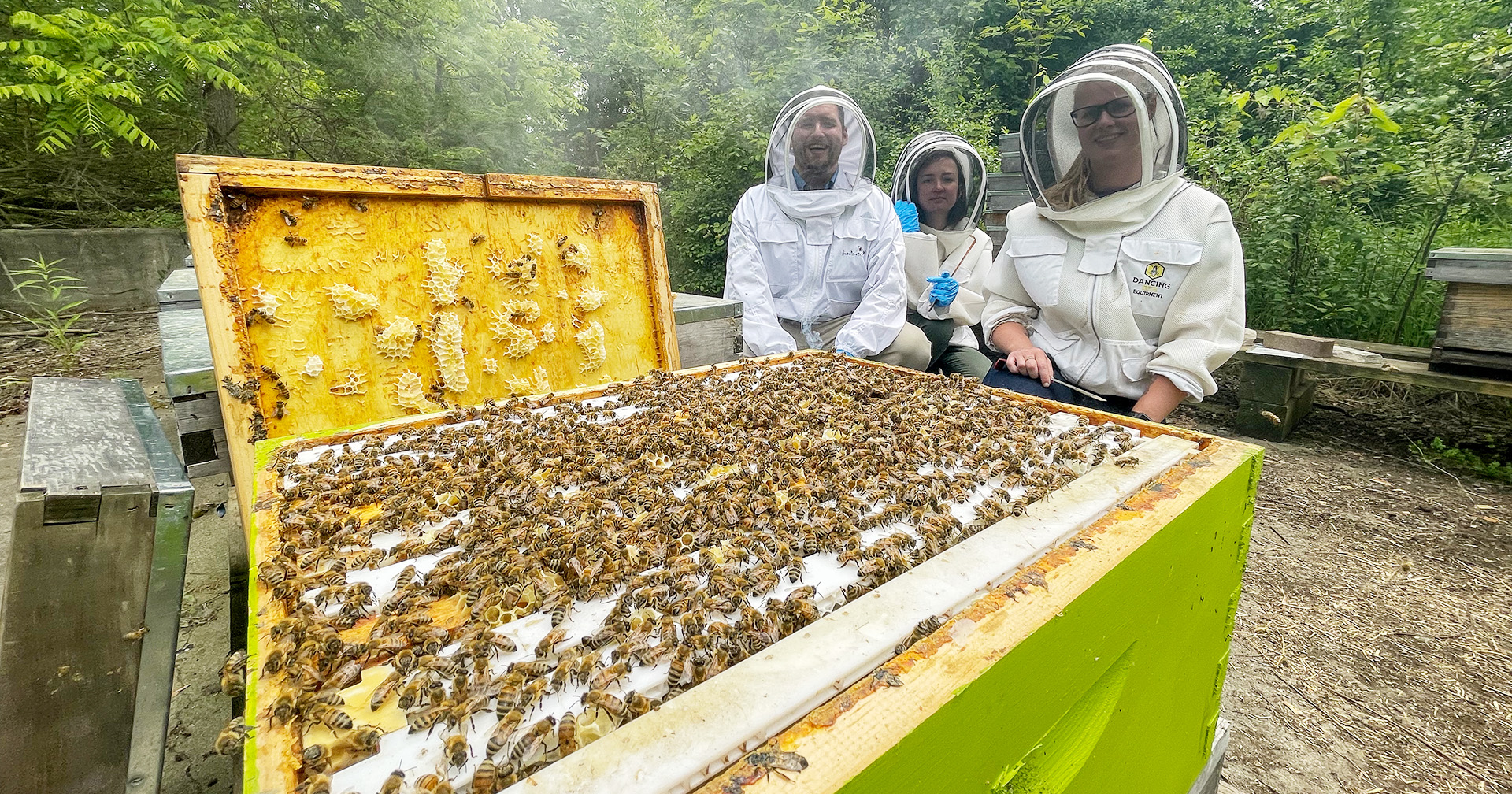
A new study published today in the journal ISME used two methods to deliver probiotics to hives within large commercial apiaries in California – a probiotic pollen patty and a spray-based delivery system – demonstrating a range of health benefits associated with the supplementation.
“We tend to think of bees just as organisms in themselves. But actually, bees have co-evolved with a lot of other organisms, the plants they feed on, and the bacteria that live inside their guts,” said Graham Thompson, biology professor at Western who has been studying honeybees for over two decades. “Those bacteria are functionally very important to the bees, for digestion and acquiring nutrients. It’s a symbiotic arrangement.”
Testing in a real-world setting
The teams have led research on three probiotic strains and shown they benefit honeybees, this latest research is the largest field study of its kind to date.
“Seeing an effect in the lab is one thing but seeing it in the real world is quite another,” said Thompson. “After treating the hives with probiotics using a BioPatty and a novel topical spray, we monitored them for all kinds of downstream effects and found lasting effects in their ability to withstand a variety of very common diseases.”
The probiotics developed by the researchers at Lawson and Western are specifically designed to enhance the honeybee’s core gut microbiota to boost their immunity and provide a viable alternative to antibiotics.
“Right now, most beekeepers treat their hives with antibiotics to prevent infectious disease,” said Brendan Daisley, a former PhD student at Western and now a postdoctoral researcher at the University of Guelph. “Unfortunately, there are a lot of negative side effects associated with treating hives with antibiotics, including development of resistance, and off-target health effects due to the drugs harming beneficial microbes, in addition to the pathogens of interest. We need different solutions to improve honeybee health, especially in a sustainable way, and we believe probiotics could be a feasible option.”
The researchers say part of the goal of testing the delivery methods of the probiotics is ensuring the research can be easily translated to the real world.
“A beekeeper has to go to the hive and be able to apply the probiotics, so we’re trying to make it easier for them to do that,” said Gregor Reid, professor emeritus at the Schulich School of Medicine & Dentistry, retired Lawson scientist and an international expert on probiotics. “We aim to make the solution practical, easy to use and proven to work, which is the essence of translational science. Not every bacterial strain works and even some commercial products have not been proven to be effective, so we can’t generalize. The key is selecting the right strains and proving they are effective in the real world.”
The team is working closely with SeedLabs to promote their research with major players in the beekeeping world.
Bee research on campus
The next phase of this research is continuing this summer on Western’s campus in the university’s experimental apiaries. Students Anna Chernyshova and Sophie Killam will be looking at how the probiotics influence the bees’ social behaviour, to understand what is referenced as the ‘gut-brain-axis’. In other words, how probiotic bacteria influence the brain.
“The idea is fascinating because it shows that the gut and the brain are actually communicating with each other through millions of bacteria releasing or inducing specific chemicals and neuro-compounds that influence the activity of the brain, including behaviour such as grooming or cleaning,” said Chernyshova, a PhD student in Biology. “Previously, this has only been studied at the individual level. And as we know, honeybees are social. So, we are looking to see if and how probiotic organisms can improve foraging and hygienic behaviour.”
The researchers are also comparing the hives treated with probiotics to those that have been treated with antibiotics to see which performs better. Using pollen traps, they can assess overall pollen production and determine which hives have bees that go to more diverse flowers.
Killam, a master’s student in Thompson’s lab, is looking specifically at how these manipulations of the bees’ gut microbiomes influence where worker bees detect and remove diseased brood from the hive. She’ll spend the summer alongside the bees using video, radio tags and other observations to monitor the insects’ behaviour.
“I’ve really enjoyed taking care of the colonies here and am excited to do the field work this summer,” said Killam. “Bees are both an economically and ecologically important insect, for plants, animals and humans. And because they live in these large and close-knit colonies close to humans and industry, they are susceptible to disease. Looking at how we can support their health and wellbeing through natural mechanisms is really important.”
Research Area
Partners
… treating mental illness. This was administered before (pretest) and after (post-test) the AD intervention. 2. Recruitment of psychiatrists … To examine these changes, cross-tabulations and statistical testing of paired variables were conducted with the McNemar- …
ISSN 2368-6294 (Print) ISSN 2368-6308 (Online) DECEMBER 2014 | VOL 11 No. 2 Editor J. D. Mendonca PhD CPsych ACADEMIC DETAILING AS A FOCUSED, ENGAGING AND FEASIBLE METHOD OF QUALITY IMPROVEMENT AMONG PSYCHIATRISTS: A pilot Ontario study Kamini Vasudev, Joel Lamoure, Michael Beyaert, Varinder Dua, Da...
… been examined comprehensively. This assumption needs to be tested, at least for patients in the early stage of … using 2-tailed values of probability. The Fisher Exact Test (Fisher) was also used with nominal variables. Still, … been examined comprehensively. This assumption needs to be tested, at least for patients in the early stage of …
ISSN 2368-6294 (Print) ISSN 2368-6308 (Online) MAY 2015 | VOL 12 No. 1 Editor J. D. Mendonca, PhD CPsych BRIEF REPORTS The Flip-Side To Readmission: Focussed After-Care Research Insights is a peer-reviewed journal designed to publish reviews, case studies and research articles authored by the mental...
Researchers developing photoacoustic hand-held probe for tumour detection during breast conserving surgery
Researchers at Lawson Health Research Institute (Lawson) are developing a hand-held photoacoustic imaging probe to be used during breast conserving surgery to quickly and accurately verify if all cancerous tissue has been removed.
Surgeons currently do not have real-time technology to guide tumour removal during surgery.
Using current tools, there is a 20 per cent chance that cancerous cells will be left behind, risking recurrence and repeat surgery.
Breast cancer represents 25 per cent of all new cancer diagnoses in women and 13 per cent of all cancer related deaths in women. Treatment for breast cancer often requires either complete breast removal in severe cases, or surgical removal of the cancerous tumour in combination with other therapies. Removing only the tumour is called breast conserving surgery.
Image

Image
Photoacoustic Screening
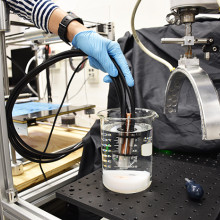
The new device is an extension of the photoacoustic screening (iPAS) technology developed in the laboratory of Dr. Jeffrey Carson, Principal Investigator and Lawson Scientist. The technique uses light and sound to capture 3D images of surgically removed breast tissue. Their studies show that iPAS can catch up to 75 per cent of missed tumour cells, decreasing the odds of failed surgery to five per cent.
Dr. Muriel Brackstone, Associate Scientist at Lawson, Head of the Breast Care Clinic at St. Joseph’s Hospital London, and Surgical Oncologist at London Health Sciences Centre, brings her clinical expertise to the project.
“With the first generation iPAS technology, we would remove the tumour, take it to the lab for imaging and wait to see if there was a rim of normal tissue around the removed tumour so we knew it was removed completely. The wait was anywhere from 20 minutes to an hour. During that time, the patient is under anesthesia, the surgical team is idle and precious OR time is being used,” explains Dr. Brackstone.
A hand-held tool that surgeons can use
Creation of a hand-held probe to be used in the operating room is the next step in the advancement of this new technology. Elina Rascevska, biomedical engineering student at Western University, recently joined the Lawson team to convert lab-based iPAS technology into a hand-held device.
“We have developed a prototype of the iPAS probe, and once we can verify the quality of the images it produces, we will give it to Dr. Brackstone to test in the OR,” says Rascevska.
The iPAS probe does not need a trained operator and would be used by the surgical team. Instead of imaging the removed tissue, it scans the surgical cavity in real time to give the team a faster and more accurate indication as to whether the cancerous tissue has been removed.
“If we can progress this technology to a point where physicians can use it as part of standard protocols, we will have reduced the amount of time each patient needs to spend in the OR, the amount of call-backs and repeat surgeries, and ultimately improve quality of life for patients with breast cancer,” adds Dr. Carson.
Image
(From left): Dr. Jeffrey Carson, Elina Rascevska, Dr. Muriel Brackstone
Scientist
Researchers testing triple intervention to combat dementia
Researchers at Lawson Health Research Institute are the first in the world conducting a clinical trial to test a triple intervention aimed at treating Mild Cognitive Impairment (MCI) and delaying the onset of dementia. The Mobility, Exercise and Cognition (MEC) team will be incorporating physical exercises, cognitive training and vitamin D supplementation to determine the best treatment for improving mobility and cognition.
“We have learned the brain processes involved in motor-control - for example how a person walks - and cognition - for example how that person solves a problem - share similar locations and networks in the brain,” explains Dr. Manuel Montero Odasso, Lawson Scientist and Geriatrician at St. Joseph’s Health Care London. “Problems with mobility are connected to lowering function in the mind, and so can be a good indicator of future progression into dementia.”
Dr. Montero Odasso is also an Associate Professor in the departments of Medicine and Epidemiology and Biostatistics at the Schulich School of Medicine & Dentistry, Western University.
Image
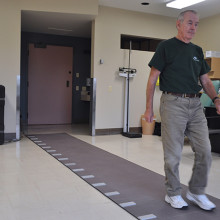
Gait assessment looks at the way in which we move our whole body from one point to another, helping to analyze mobility and the brain processes involved.
MCI is an intermediate stage between the expected cognitive decline of normal aging and the more serious decline of dementia. It can involve problems with memory, language, thinking and judgment. While many older individuals experience decline in both mobility and cognition, each are assessed and treated separately with no specific recommendations available for physicians.
The SYNERGIC Trial will combine physical exercises, cognitive training and vitamin D to test how these interventions work together to improve cognition in older adults at risk for dementia. The trial is targeting cognitive decline at the earliest stage, individuals with MCI, where interventions are more likely to have an effect and can be monitored.
Image
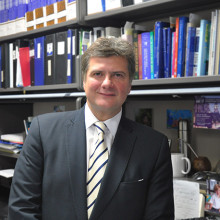
Dr. Manuel Montero Odasso, Lawson Scientist and lead for the SYNERGIC Trial.
Dr. Montero Odasso explains that both physical and cognitive exercises have shown promising effects for maintaining cognition, while vitamin D deficiency is associated with cognitive decline. A key feature of this trial is that participants will receive individualized and progressive training.
“By delaying declines in cognition, we can improve a person’s quality of life. This research will help to support a more comprehensive preventative treatment with clinical guidelines for physicians whose patients are at risk of developing dementia,” states Dr. Montero Odasso. “Even more, each one year delay of progression to dementia in older individuals at risk has the opportunity to save billions of dollars for the Canadian health care system.”
Individuals over 60 years old with mild cognitive impairment without dementia are eligible for this clinical trial. Those interested in participating are encouraged to contact Research Coordinator Alanna Black at 519.685.4292 ext. 42179.
Participants will be asked to complete a routine of exercises and cognitive training three times a week for six months, with one final assessment at 12 months. The main site for the study is Parkwood Institute with physical exercises taking place at the Labatt Health Sciences Building at Western University, in Dr. Kevin Shoemaker’s Laboratory for Brain and Heart Health.
This study has been funded by the Canadian Consortium on Neurodegenerative in Aging (CCNA) which represents Canada-wide research aimed at enhancing the quality of life and services for individuals diagnosed with a neurodegenerative disease. The MEC team in London, led by Dr. Montero Odasso, includes expert researchers in the field of mobility who aim to develop common assessments for the interaction of cognition and mobility for older people to aid as a diagnostic tool for detecting dementia.
Image
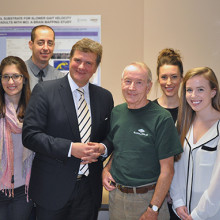
Members of the study’s research team, from left to right: Korbin Blue, Research Assistant (Co-op Student); Yanina Sarquis-Adamson, Lab Research Assistant; Frederico Faria, Post-Doctoral Fellow; Dr. Montero Odasso, Director, Gait and Brain Lab; research participant; Alanna Black, Lab Research Coordinator; Stephanie Cullen, Research Assistant (Undergraduate Student); and, Navena Lingum, Research Assistant (Master Student).
Scientist
Researching treatments for COVID-19
As we continue to live with a COVID-19 pandemic, patients will need good treatment options.
Hospital researchers in London, Ontario, through Lawson Health Research Institute, are testing treatment options for patients who have been hospitalized from a COVID-19 infection, often for severe symptoms.
During the peaks of the COVID-19 pandemic, there were concerns of a global drug shortage when it came to IV sedatives for patients needing ventilation. Through funding from the Government of Ontario’s COVID-19 Rapid Research Fund, a team of Ontario researchers studied whether inhaled sedatives could replace those that are delivered through IV.
“In addition to easing the burden on IV stocks, the inhaled sedatives have additional benefits,” says Dr. Marat Slessarev, a Critical Care Physician at LHSC. “They may reduce inflammation in the lungs and shorten the duration of sedation because they are eliminated from the body faster than IV sedatives.”
Dr. Slessarev, also a Scientist at Lawson, adds that using inhaled sedatives could also be safer for severe COVID-19 patients, who in many cases are on a ventilator for a long time. “When using IV sedatives, they can accumulate and metabolize with accumulation. This can leave the patient with the potential of developing kidney issues because it is hard to dispel them quickly.”
Image
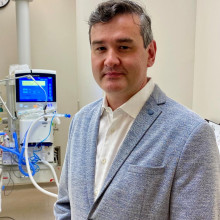
Dr. Marat Slessarev, Critical Care Physican at LHSC and Lawson Scientist
To date, around 800 patients across ten hospital sites have been enrolled in this trial, with the hopes of getting more hospital sites on board as the clinical trials continue.
A majority of people with severe COVID-19 infections in critical care end up developing sepsis, which is a potentially life-threatening condition that occurs when the body's response to an infection damages its own tissues.
“An inflammatory response is what the body uses to fight an infection, but sometimes it is more than necessary and it causes damage to the organs and the body,” explains Dr. Claudio Martin, a Physician in the Intensive Care Unit (ICU) at London Health Sciences Centre (LHSC). “This is why a patient with a severe COVID-19 infection caused by a virus can get sepsis.”
Dr. Martin, who is also an Associate Scientist at Lawson, began studying the use of a human protein called Annexin A5 as a potential treatment for COVID-19 patients with sepsis. “It can work in two ways. The annexin may coat injured cells and reduce the inflammatory response. Or, the injured cells and exposed proteins trigger the clotting mechanism in the body. Those with COVID-19 could get blood clots in the brain and the lungs, and using annexin may improve their outcomes.”
Image
Dr. Claudio Martin, Critical Care Physician at LHSC and Lawson Scientist
Currently, a clinical trial using Annexin A5 on severe COVID-19 patients is underway at LHSC to look at the efficacy of using this human protein.
The COVID-19 virus is also known to cause respiratory failure, prompting Dr. Jim Lewis, Respirologist at St. Joseph’s Health Care London and Scientist at Lawson, to investigate the use of pulmonary surfactant as a potential treatment for these patients.
Bovine Lipid Extract Surfactant Suspension (BLES) is a pulmonary surfactant manufactured in London, Ontario. It’s currently used worldwide to help improve lung function in premature babies. Now, it is being studied with COVID-19 patients experiencing respiratory failure.
Image

Dr. Jim Lewis, Repirologist at St. Joseph's Health Care London and Lawson Scientist
“We know that patients who have injury to their lung and require ventilation have inflammation in the airways of their lungs. Surfactant is a homogeneous layer of lipids and proteins that line the lungs to allow us to breath with minimal effort,” explains Dr. Lewis. “If we gave these patients surfactant as soon as possible after they were put on a mechanical ventilator, it may have some benefit in improving their outcome and getting them off the ventilator sooner.”
Dr. Lewis and his team conducted a clinical trial using pulmonary surfactant with ten critically ill COVID-19 patients and initial results have shown patient safety and efficacy.
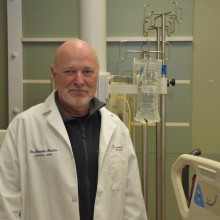
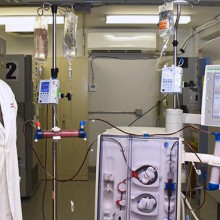
Another team of hospital researchers turned to using modified dialysis machines to offer treatment options to those with severe COVID-19 symptoms. Nephrologist at LHSC, Dr. Chris McIntyre, was the first in the world to modify a dialysis device to treat a patient with COVID-19. The device gently removes a patient’s blood, modifies white blood cells, and returns them to fight hyperinflammation.
Image
Dr. Chris McIntyre, Nephrologist at LHSC and Lawson Scientist
“It was quick. We went from the initial idea to the approvals, creating the device and appointing the first patient within 40 days,” says Dr. McIntyre who is also a Scientist at Lawson. “After the first 12 patients, we found that those treated with the device needed significantly less drugs to maintain their blood pressure. We were able to deliver the treatment for all the patients – none of the treatments failed and we had no safety issues.”
Dr. McIntyre is now looking into using this form of therapy for chronic dialysis patients to help modify organ injury.
This is part 3 in Lawson’s COVID-19 feature series. Read Part 1 and Part 2 to learn more about the research studies that helped us understand COVD-19.
… Respirology, and Radiation Oncology. You may download the latest resuscitation guidelines at: … Medicine For complete information about our Lab Information Test Guide, special requisitions, memorandums and other … Respirology, and Radiation Oncology. You may download the latest resuscitation guidelines at: …
The Resident & Fellow Handbook This handbook is the property of: Dr. _____________________________ Resident / Clinical Fellow in the Department of: ________________________________ If found, please return to the Security office or notify me by email at: ________________________________ Preface Th...
Responding to the call for action during the COVID-19 pandemic
Quickly after the COVID-19 pandemic began to grip the world, Lawson Health Research Institute responded with action. Lawson is the research arm of London Health Sciences Centre (LHSC) and St. Joseph’s Health Care London. With hospitals focused on providing excellent patient care in the face of an unknown virus, hospital researchers in London, Ontario began critical COVID-19 studies.
“A lot was unknown during the first wave of the pandemic. Any research that wasn’t essential was put on hold. At the same time, we had people with different expertise coming together with different perspectives to see how we could better understand the SARS-CoV-2 virus and the COVID-19 infection,” explains Dr. David Hill, Lawson Scientific Director and VP, Research at LHSC and. St. Joseph's. “Our hospital researchers formulated ideas and very quickly came up with research proposals. These were fast tracked through our processes and within two months we approved over 50 new studies surrounding COVID-19.”
Image

Dr. David Hill, Lawson Scientific Director and VP, Research at LHSC and. St. Joseph's
Some of these studies were clinical trials, which are research studies performed with people. Many patients from London hospitals get involved as patient participants and when COVID-19 hit, many agreed to be a part of this important research.
“We saw the pandemic happening across the world, and suddenly it was happening here in London. This has probably been the biggest challenge of my career,” says Carol Young-Ritchie, Executive Vice President at LHSC. “We had to look at many of our processes and how we were doing things, and adjust appropriately and nimbly.”
Young-Ritchie adds that as the hospital continued to admit a growing number of COVID-19 patients, a strong focus on research was needed. “It was absolutely critical and important for LHSC as a leader and academic centre to contribute to our collective knowledge. We needed to keep that research going and although it has been challenging, it has also taught us to be innovative.”
Image

Carol Young-Ritchie, Executive Vice President at LHSC
The same focus was happening at St. Joseph’s Health Care London, with health care providers and researchers finding ways to improve care and outcomes for patients who had contracted the virus. “COVID-19 research through the hospital has been incredibly important,” says Karen Perkin, Vice President of Patient Care at St. Joseph’s. “We had researchers busy looking at the impacts of COVID-19. We had patients on ventilators and we were trying to understand that more. We also had research looking at the impacts for staff members looking after patients. All important, helpful knowledge as we move forward.”
Image
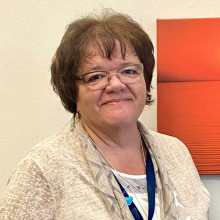
Karen Perkin, Vice President of Patient Care at St. Joseph’s
Hospital research in London through Lawson is proudly affiliated with Western University. At Western’s Schulich School of Medicine & Dentistry, the new state-of-the-art Imaging Pathogens for Knowledge Translation (ImPaKT) Facility was the perfect environment to conduct COVID-19 research.
“ImPaKT is a special containment facility where research on viruses like SARS-CoV-2 can be done safely,” says Dr. David Litchfield, Vice Dean of Research and Innovation at Schulich Medicine & Dentistry. “It has become a focal point for dozens of studies involving research through Schulich Medicine & Dentistry, as well as partners from the hospitals and other academic institutions and industries.”
Image
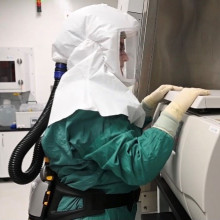
Dr. Litchfield adds that collaboration between hospital partners and scientists has been the key to successful COVID-19 research. “This collaboration has enabled advances leading to new diagnostic testing for COVID-19, as well as studies using MRI or related imaging tools to investigate long-term impacts of the infection on individuals.”
The rapid research response to COVID-19 couldn’t have happened without community and foundation financial support. “Funding support from our hospital Foundation is something we are so grateful for,” says Perkin, referring to St. Joseph’s Health Care Foundation. “They came right out at the beginning and asked how they could help, as did our donors.”
LHSC’s London Health Sciences Foundation and Children’s Health Foundation were also pivotal in research funding during the pandemic. “Funding is a crucial part to how we do hospital research and the Foundations have been important partners in making sure our research continued,” says Young-Ritchie.
As the pandemic continues, so does the research within our community. Hospital research has already improved diagnostics, treatments and patient outcomes related to COVID-19 and helped people all around the world.
“If you look at some of the achievements that have occurred in just a little more than a year, we have had a number of landmark publications on ways to diagnose COVID-19 compared to other respiratory disorders,” notes Dr. Hill. “We have had many rapid advances and it can take a crisis to bring out the best in people. Then things come together quickly, such as expertise, talent and money – and the job gets done.”
This is Part 1 in Lawson’s COVID-19 feature series. Visit Lawson’s website again to learn more about the research studies that helped us understand COVID-19, explore diagnosis and treatments, and show the impacts of the pandemic.