


Search
Search
1901 Search Results:
… should NOT be used if allergic to cow’s milk protein. • Let your physician know if you are taking any anticoagulants … in pregnant or breastfeeding women is limited. Speak with your health care provider if this situation applies to you. … the prescription at a community pharmacy immediately before your injection appointment. o If your injection is being …
Page 1 of 2 February 16, 2023; Abobotulinumtoxin A (Dysport) for Upper and Lower Limb Spasticity What is spasticity and how is it typically treated? Spasticity is a neuromuscular condition in which there is an abnormal increase in muscle tone, making the affected body parts stiff and difficult to mo...
… months. What special precautions should I follow? • Let your physician know if you are taking any anticoagulants … in pregnant or breastfeeding women is limited. Speak with your health care provider if this situation applies to you. … months. What special precautions should I follow? • Let your physician know if you are taking any anticoagulants …
Page 1 of 2 February 16, 2023; Incobotulinumtoxin A (Xeomin) for Upper Limb Spasticity What is spasticity and how is it typically treated? Spasticity is a neuromuscular condition in which there is an abnormal increase in muscle tone, making the affected body parts stiff and difficult to move. Spasti...
… be the right medication for you. Stop taking it and talk to your health care provider. August 11, 2022; Page 2 of 2 What … until you have been off opioids for at least 1 week. • Tell your doctor and pharmacist about all the medications you … herbals, etc.) to minimize drug interaction risks. • Let your health care provider know if you are pregnant or …
August 11, 2022; Page 1 of 2 Low-Dose Naltrexone What is naltrexone? Naltrexone is an opioid antagonist, which means it blocks the effects of opioids such as codeine, morphine, oxycodone, etc. Naltrexone was developed to treat opioid addiction. A standard dose to treat opioid addiction is typicall...
… care, earning the complete confidence of those we serve. Your care matters here. Renowned for compassionate care, St. … care, earning the complete confidence of those we serve. Your care matters here. Renowned for compassionate care, St. …
Leena Justus Registered Nurse Mount Hope Centre for Long Term Care St. Josephs provides exceptional care, earning the complete confidence of those we serve. Your care matters here. Renowned for compassionate care, St. Josephs is one of the best academic health care organizations in Canada, dedicated...
… Seniors (http://origin.phac-aspc.gc.ca/seniors-aines/) Keep yourself healthy and active Healthy eating promotes a … healthy can cause weakness and dizziness, and increase your risk of a fall. Remaining physically active reduces your risk of falling by giving your more flexible joints, …
Falls Prevention Education for Patients and Families Ambulatory Setting Contact Parkwood Institute CARING FOR THE BODY, MIND & SPIRIT SINCE 1869 CARING FOR THE BODY, MIND & SPIRIT SINCE 1869 Renowned for compassionate care, St. Josephs is one of the best academic health care organizations in Canada ...
… care team members. Services for Families include: HELPING YOURSELF AND YOUR FAMILY MEMBER WORKING TOGETHER Communication between you and staff is vital to the well-being of your family member and your own peace of mind. Feel free to … care team members. Services for Families include: HELPING YOURSELF AND YOUR FAMILY MEMBER WORKING TOGETHER …
CARING FOR THE BODY, MIND & SPIRIT SINCE 1869 Renowned for compassionate care, St. Josephs is one of the best academic health care organizations in Canada dedicated to helping people live to their fullest by minimizing the effects of injury, disease and disability through excellence in care, teachin...
… provided as part of their contract. Do not forget to bring your health card. Please allow 24 hours notice for cancel- … They are a resource to the residents and regularly review your care. FAMILY MEDICINE RESIDENT The patient is usually … provided as part of their contract. Do not forget to bring your health card. Please allow 24 hours notice for cancel- …
MEDICAL AND DENTAL CENTRE Family medicine is delivered through active health promotion, the prevention of illness, ongoing supportive care and the active treatment of disease. The St. Josephs Family Medical and Dental Centre is a partner- ship between St. Josephs Health Care, London and the Depart- ...
… provided as part of their contract. Do not forget to bring your health card. Please allow 24 hours notice for cancel- … They are a resource to the residents and regularly review your care. SPECIALIZED CARE We off er several specialized … provided as part of their contract. Do not forget to bring your health card. Please allow 24 hours notice for cancel- …
Family Medical and Dental Centre 346 Platts Lane London, ON N6G 1J1 Telephone (519) 672-9660 Facsimile (519) 672-7727 www.sjhc.london.on.ca ST. JOSEPHS FAMILY MEDICAL AND DENTAL CENTRE Dental Clinic Patients are seen by appointment only. For scheduling please call 519 646-6022 Family Medical Centre ...
… any restrictions for the tests? No, unless specified by your doctor eg. to not take a specific medication for an … any restrictions for the tests? No, unless specified by your doctor eg. to not take a specific medication for an …
Cardiovascular Investigation Unit: Frequently Asked Questions How to get to Cardiovascular Investigation Unit? The Cardiovascular Investigation Unit is located at St. Joseph's Hospital, 268 Grosvenor Street Room B3-030 (Central Registration Desk) get contact information for the Cardiovascular Inves...
… (8 Hour) Test What is a fast test? This is a test to assess your low blood sugars levels (hypoglycemia) in an effort to determine the cause. Your physician has reviewed the circumstances around your low blood sugars and has ordered some specific tests to … (8 Hour) Test What is a fast test? This is a test to assess your low blood sugars levels (hypoglycemia) in an effort to …
Fast (8 Hour) Test What is a fast test? This is a test to assess your low blood sugars levels (hypoglycemia) in an effort to determine the cause. Your physician has reviewed the circumstances around your low blood sugars and has ordered some specific tests to see if a low blood sugar can be reproduc...
Fecal transplants show promise as treatment for non-alcoholic fatty liver disease
LONDON, ON – A new study from Lawson Health Research Institute and Western University suggests that fecal transplants could be used as a treatment for non-alcoholic fatty liver disease (NAFLD). The randomized controlled trial published in The American Journal of Gastroenterology found that fecal transplants in patients with NAFLD result in a reduction in how easily pathogens and other unwanted molecules pass through the human gut and into circulation, known as intestinal permeability. The results could have implications for the treatment of numerous conditions including metabolic syndrome and autoimmune diseases.
Image
“Intestinal permeability plays a role in the development of metabolic syndrome which is a major cause of coronary and cerebrovascular disease. It has also been associated with autoimmune diseases like multiple sclerosis (MS), rheumatoid arthritis, systemic lupus and type 1 diabetes,” explains Dr. Michael Silverman, Associate Scientist at Lawson and Professor at Western’s Schulich School of Medicine & Dentistry.
Many NAFLD patients have increased intestinal permeability which triggers inflammation, increased fat in the liver, insulin resistance and elevated levels of triglycerides in the blood. The human microbiome – the diverse collection of microbes in our body – is thought to play a role. Previous studies have shown differences between the gut microbiome of NAFLD patients compared to healthy individuals.
“Our team wondered whether we could change the gut microbiome of NAFLD patients to reduce intestinal permeability,” says Dr. Jeremy Burton, Lawson Scientist and Associate Professor at Schulich Medicine & Dentistry.
The trial included 21 NAFLD patients from London Health Sciences Centre (LHSC) and St. Joseph’s Health Care London. Patients were randomized to receive a fecal transplant using stool from a healthy donor or a placebo (the patient’s own stool). Fecal material was delivered to the small intestine using endoscopy. Patients were followed for six months to assess changes to their gut microbiome, intestinal permeability, percentage of liver fat and insulin resistance.
While the researchers found no changes in percentage of liver fat or insulin resistance, they observed significant reduction in intestinal permeability in those patients who had elevated intestinal permeability at the study’s start (seven patients in total). They also observed changes to the gut microbiome in all patients who received a fecal transplant from a healthy donor.
“Our study demonstrates that intestinal permeability can be improved through fecal transplant from a healthy donor,” says Dr. Laura Craven, a recent PhD graduate from Schulich Medicine & Dentistry and first author on the published study. “This suggests that fecal transplant could be used as an early intervention in the treatment of NAFLD to reduce intestinal permeability and prevent inflammation”
“Our findings have implications for other conditions too,” adds Dr. Silverman, who is also Chair/Chief of Infectious Diseases at Western, LHSC and St. Joseph’s. “Changing the gut microbiome could hold promise in preventing and treating metabolic syndrome and autoimmune diseases associated with increased gut permeability.”
The team hopes to next conduct a large multi-centre trial to further investigate FMT as an intervention for NAFLD and as a therapy to reduce intestinal permeability.
NAFLD is an obesity-related disorder and is the second-leading cause of liver transplant in North America. While reversible if treated early, its progression can lead to liver failure or cancer. Current therapies are not overly effective and the prevalence of NAFLD is increasing.
Dr. Silverman is a pioneer in the field of fecal transplants, including their use as a treatment for Clostridioides difficile (C. diff). He is involved in multiple studies examining the potential of fecal transplants as treatments or supportive therapies for numerous conditions including multiple sclerosis (MS) and different types of cancer.
“In order to conduct this research, we need stool donors,” notes Dr. Silverman. “By donating your poop, you can help us assess the value of fecal transplants to treat a variety of diseases.”
The team is in need of young, healthy stool donors for fecal transplants. All donors are required to go through a screening process. Those interested in becoming a stool donor can contact Dr. Seema Nair Parvathy, Research Coordinator, Fecal Transplant Program, at 519-646-6100 ext. 61726.
-30-
DOWNLOADABLE MEDIA
Image
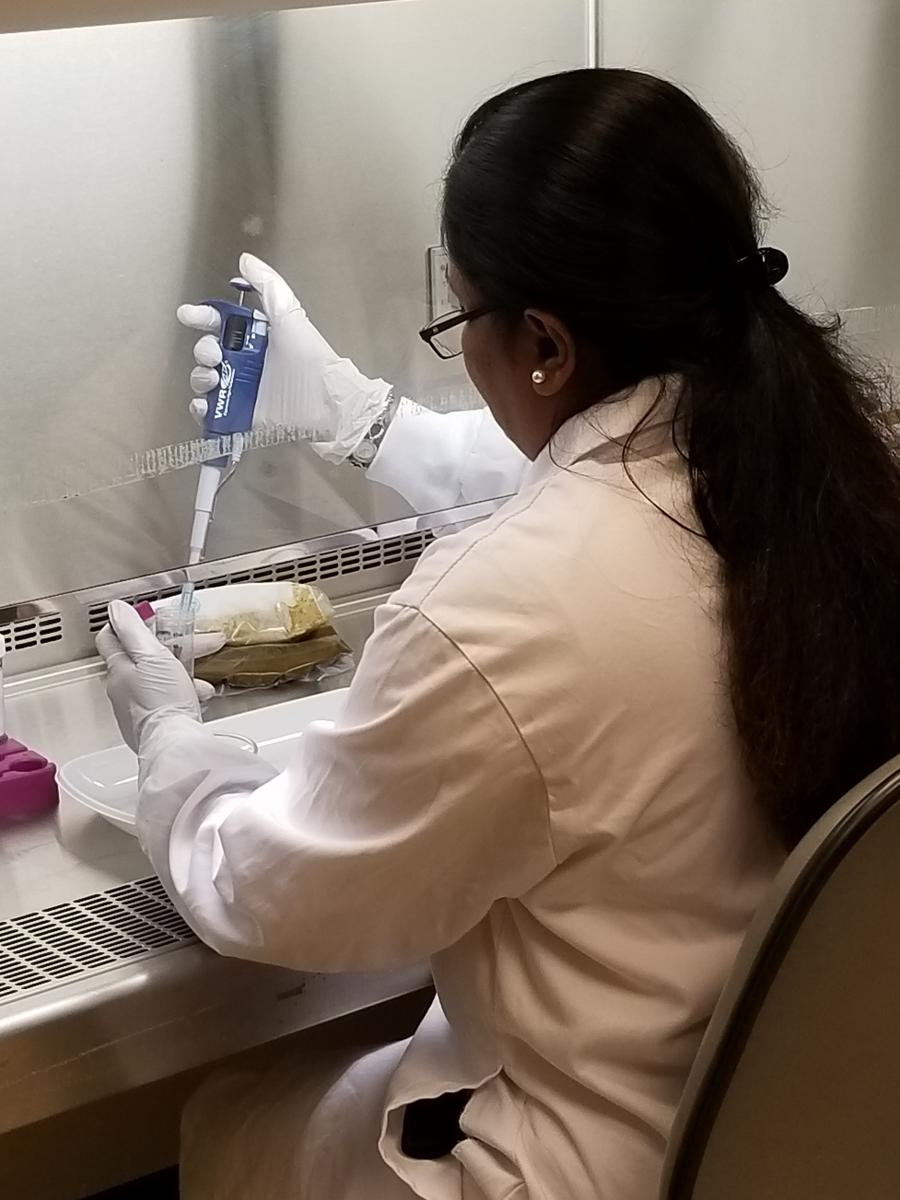
Stool samples being prepared in the lab.
Image
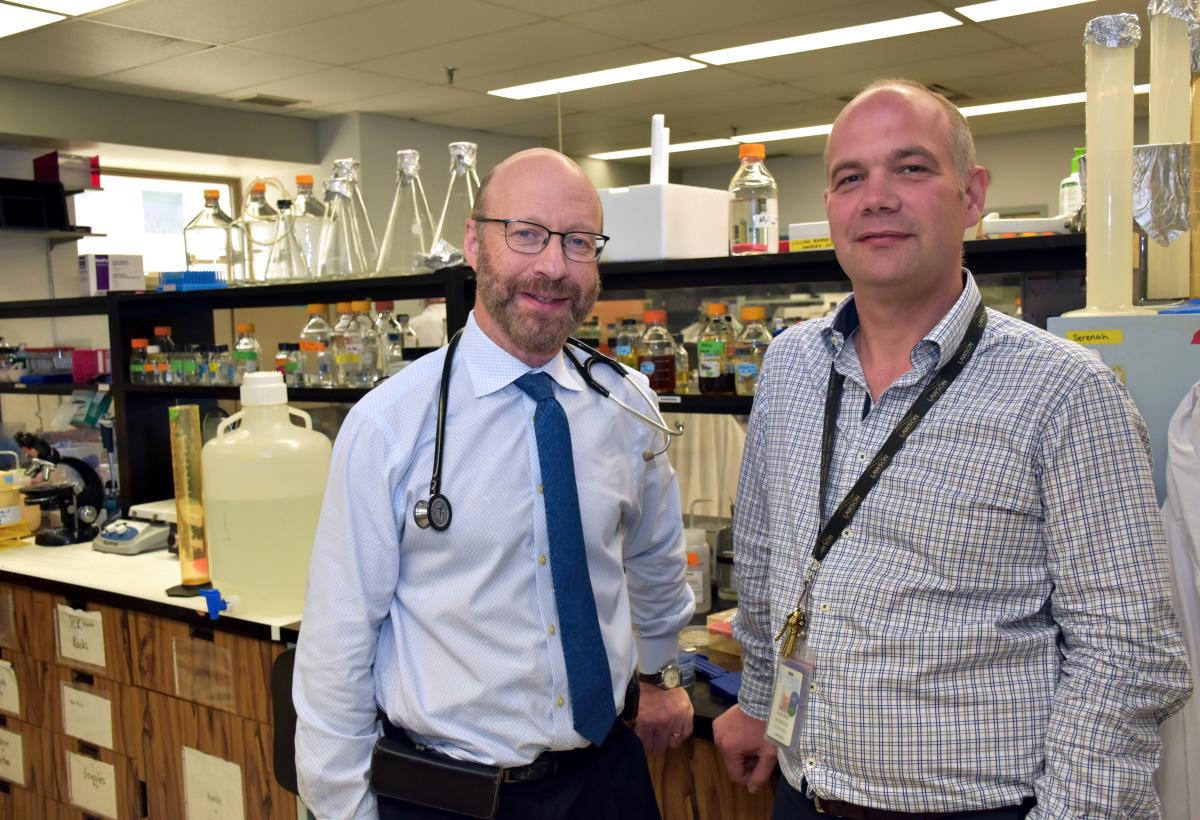
Dr. Michael Silverman (left) and Dr. Jeremy Burton (right)
Image
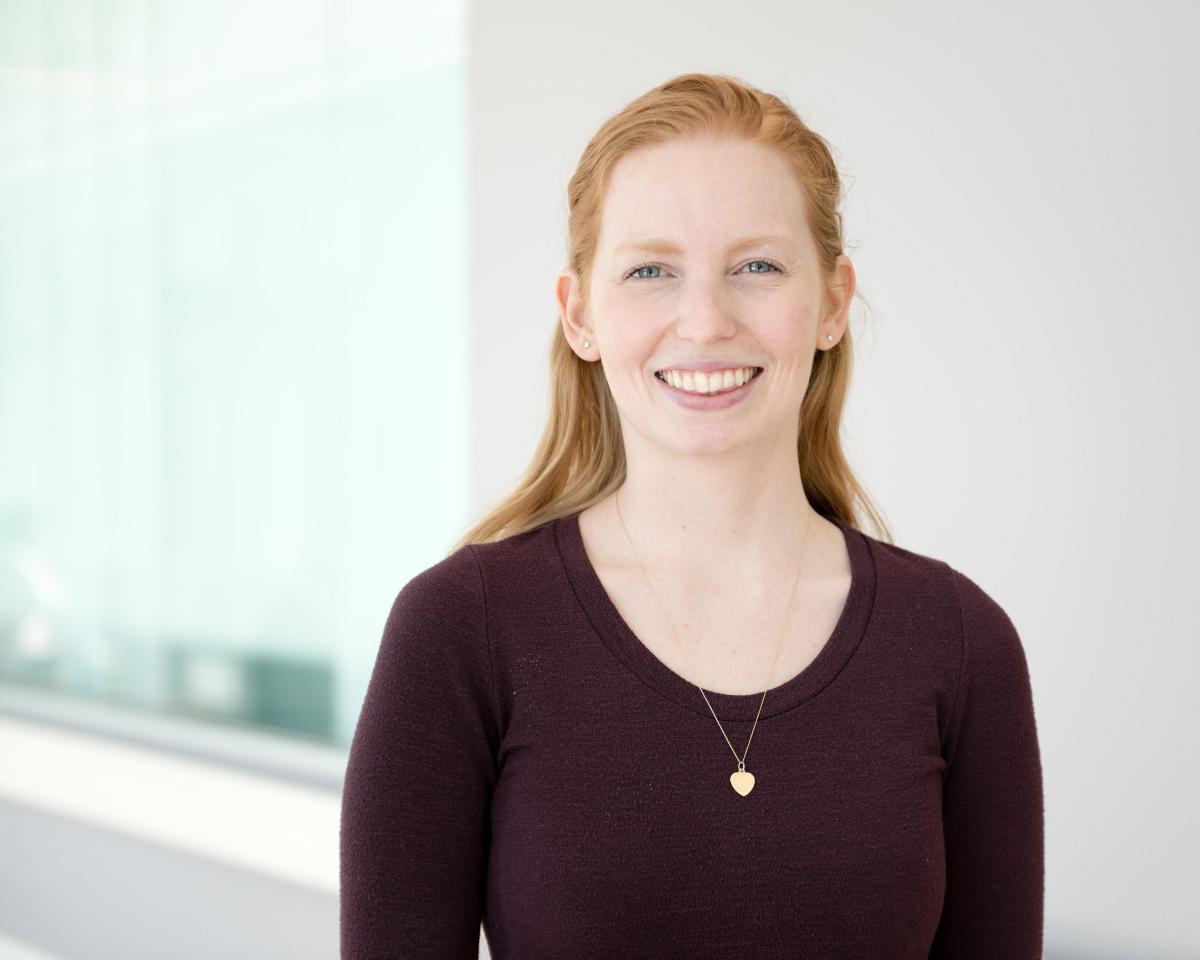
Dr. Laura Craven
About Lawson Health Research Institute
Lawson Health Research Institute is one of Canada’s top hospital-based research institutes, tackling the most pressing challenges in health care. As the research institute of London Health Sciences Centre and St. Joseph’s Health Care London, our innovation happens where care is delivered. Lawson research teams are at the leading-edge of science with the goal of improving health and the delivery of care for patients. Working in partnership with Western University, our researchers are encouraged to pursue their curiosity, collaborate often and share their discoveries widely. Research conducted through Lawson makes a difference in the lives of patients, families and communities around the world. To learn more, visit www.lawsonresearch.ca.
About Western
Western delivers an academic experience second to none. Since 1878, The Western Experience has combined academic excellence with life-long opportunities for intellectual, social and cultural growth in order to better serve our communities. Our research excellence expands knowledge and drives discovery with real-world application. Western attracts individuals with a broad worldview, seeking to study, influence and lead in the international community.
About The Schulich School of Medicine & Dentistry
The Schulich School of Medicine & Dentistry at Western University is one of Canada’s preeminent medical and dental schools. Established in 1881, it was one of the founding schools of Western University and is known for being the birthplace of family medicine in Canada. For more than 130 years, the School has demonstrated a commitment to academic excellence and a passion for scientific discovery.
Media Contacts
Celine Zadorsky
Senior Media Relations Consultant
Communications & Public Engagement
T: 519-685-8500 ext. 73502
Celine.zadorsky@lhsc.on.ca
Fecal transplants show promise as treatment for non-alcoholic fatty liver disease
A new study from Lawson Health Research Institute and Western University suggests that fecal transplants could be used as a treatment for non-alcoholic fatty liver disease (NAFLD). The randomized controlled trial published in The American Journal of Gastroenterology found that fecal transplants in patients with NAFLD result in a reduction in how easily pathogens and other unwanted molecules pass through the human gut and into circulation, known as intestinal permeability. The results could have implications for the treatment of numerous conditions including metabolic syndrome and autoimmune diseases.
“Intestinal permeability plays a role in the development of metabolic syndrome which is a major cause of coronary and cerebrovascular disease. It has also been associated with autoimmune diseases like multiple sclerosis (MS), rheumatoid arthritis, systemic lupus and type 1 diabetes,” explains Dr. Michael Silverman, Associate Scientist at Lawson and Professor at Western’s Schulich School of Medicine & Dentistry.
Many NAFLD patients have increased intestinal permeability which triggers inflammation, increased fat in the liver, insulin resistance and elevated levels of triglycerides in the blood. The human microbiome – the diverse collection of microbes in our body – is thought to play a role. Previous studies have shown differences between the gut microbiome of NAFLD patients compared to healthy individuals.
Image

“Our team wondered whether we could change the gut microbiome of NAFLD patients to reduce intestinal permeability,” says Dr. Jeremy Burton, Lawson Scientist and Associate Professor at Schulich Medicine & Dentistry.
The trial included 21 NAFLD patients from London Health Sciences Centre (LHSC) and St. Joseph’s Health Care London. Patients were randomized to receive a fecal transplant using stool from a healthy donor or a placebo (the patient’s own stool). Fecal material was delivered to the small intestine using endoscopy. Patients were followed for six months to assess changes to their gut microbiome, intestinal permeability, percentage of liver fat and insulin resistance.
While the researchers found no changes in percentage of liver fat or insulin resistance, they observed significant reduction in intestinal permeability in those patients who had elevated intestinal permeability at the study’s start (seven patients in total). They also observed changes to the gut microbiome in all patients who received a fecal transplant from a healthy donor.
“Our study demonstrates that intestinal permeability can be improved through fecal transplant from a healthy donor,” says Dr. Laura Craven, a recent PhD graduate from Schulich Medicine & Dentistry and first author on the published study. “This suggests that fecal transplant could be used as an early intervention in the treatment of NAFLD to reduce intestinal permeability and prevent inflammation”
Image
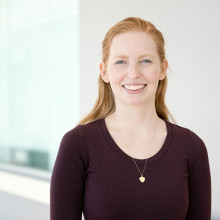
Dr. Laura Craven
“Our findings have implications for other conditions too,” adds Dr. Silverman, who is also Chair/Chief of Infectious Diseases at Western, LHSC and St. Joseph’s. “Changing the gut microbiome could hold promise in preventing and treating metabolic syndrome and autoimmune diseases associated with increased gut permeability.”
The team hopes to next conduct a large multi-centre trial to further investigate FMT as an intervention for NAFLD and as a therapy to reduce intestinal permeability.
NAFLD is an obesity-related disorder and is the second-leading cause of liver transplant in North America. While reversible if treated early, its progression can lead to liver failure or cancer. Current therapies are not overly effective and the prevalence of NAFLD is increasing.
Dr. Silverman is a pioneer in the field of fecal transplants, including their use as a treatment for Clostridioides difficile (C. diff). He is involved in multiple studies examining the potential of fecal transplants as treatments or supportive therapies for numerous conditions including multiple sclerosis (MS) and different types of cancer.
“In order to conduct this research, we need stool donors,” notes Dr. Silverman. “By donating your poop, you can help us assess the value of fecal transplants to treat a variety of diseases.”
The team is in need of young, healthy stool donors for fecal transplants. All donors are required to go through a screening process. Those interested in becoming a stool donor can contact Dr. Seema Nair Parvathy, Research Coordinator, Fecal Transplant Program, at 519-646-6100 ext. 61726.
Image
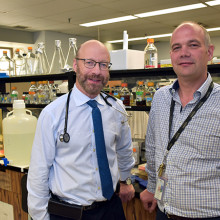
Drs. Michael Silverman (left) and Jeremy Burton (right)
Scientist
… to limit the likelihood of it happening again, if possible. Your CMPA membership and mutuality As a mutual defence … should gather all the necessary facts and apply early for your postgraduate medical training, fellowship, or medical … You can contact the following organizations about your training and its requirements, where applicable: o your …
The Canadian Medical Protective Association P.O.Box 8225, Station T, Ottawa ON K1G 3H7 | 613-725-2000, 1-800-267-6522 | 613-725-1300, 1-877-763-1300 www.cmpa-acpm.ca International Medical Graduates International medical graduates (IMGs) who are considering practising or completing their medical trai...
… to have medical liability protection prior to the start of your program. Residents and clinical fellows • Avoid delaying the start of your academic program by submitting your CMPA membership application BEFORE JULY 1ST, 2019. • … to have medical liability protection prior to the start of your program. Residents and clinical fellows • Avoid …
As residents and clinical fellows, you are required to have medical liability protection prior to the start of your program. Residents and clinical fellows Avoid delaying the start of your academic program by submitting your CMPA membership application BEFORE JULY 1ST, 2019. Payment will not be pr...
… and the community for the continued support, for with your help, we will be able to work together to overcome the … and the community for the continued support, for with your help, we will be able to work together to overcome the …
FINANCIAL STATEMENTS OF ST. JOSEPHS HEALTH CARE, LONDON Year ended March 31, 2002 Cover photo (left to right) Fay Beaton, Chair, Family Advisory Council and Member, Patient and Family Services Planning Team; Tobi Flanagan, Occupational Therapist, Geriatric Psychiatry and Member, Geriatric Psychiatry...
… and doors are closed & electrical equipment turned off in your area ctivate the nearest fire alarm key/pull station if … and doors are closed & electrical equipment turned off in your area ctivate the nearest fire alarm key/pull station if …
~~ SI JOSEPHs HEALTH CARE LONDON FOR ALL DIAL How to REACT if you discover a fire emove persons if fire is in room or area nsure that all windows and doors are closed & electrical equipment turned off in your area ctivate the nearest fire alarm key/pull station if applicable all 55555, give address ...
First clinical guidelines in Canada for pain following spinal cord injury
Researchers at Lawson Health Research Institute are the first in Canada to develop clinical practice guidelines for managing neuropathic pain with patients who have experienced a spinal cord injury (SCI).
Neuropathic pain is complex and chronic, and is the most common complication reported by people following SCI. The research team worked with care providers at Parkwood Institute, part of the St. Joseph’s Health Care London family, and an international panel to address the complex and unique challenges for managing pain during recovery and rehabilitation.
In 2003, Dan Harvey sustained a spinal injury after falling off a trampoline. Using his personal experience, as well as his experiences meeting with newly injured people, Harvey contributed to the development of the new guidelines.
“Neuropathic pain – and pain in general – affects every person with a spinal cord injury very differently. Some people have it, some people don’t. But for those who do have it, it can make rehabilitation and recovery much more difficult,” explains Harvey.
“On top of just learning how to use your body again, you also have to deal with various forms of physical pains, which can make it challenging to mentally adapt to an injury.”
For those with chronic pain, it may be hard to just get out of bed in the morning, feel well enough to leave the house, or even fall asleep. “I have fairly extensive neuropathic pain, so I’m well aware of how difficult it can be to get a full night’s sleep, or show attentiveness at work or at school when it literally feels like your legs are on fire,” says Harvey.
Image
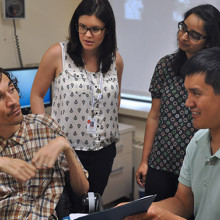
Dan Harvey with Lawson researchers Stacey Guy, Swati Mehta and Dr. Eldon Loh.
Dr. Eldon Loh, Lawson Researcher and Physical Medicine and Rehabilitation Specialist at St. Joseph’s, and his team recognized that pain can be an overlooked part of a spinal cord injury and plays a major factor in the success of rehabilitation. It’s difficult for someone in pain to participate fully in their own recovery, and so long-term disability becomes more likely. Pain is difficult to manage and it often takes multiple approaches to find something that works for each person.
“This is a starting point for us to standardize how we approach pain in the clinic. We have identified gaps and offered recommendations to not only manage the pain, but also ensure that our patients can fully benefit from rehabilitation,” says Dr. Loh.
The results of the three-year process led to recommendations for screening and diagnosis, treatment and models of care. Important clinical considerations accompany each recommendation.
“For those in hospital following an injury, it’s about making sure they can be as independent as possible before discharge. Over time, we want to keep pain levels under control so that they are able to live life to the fullest,” adds Dr. Loh.
The research will inform new tools and resources for care providers and patients.
Harvey believes the guidelines will have a tremendous impact for patients whose pain may have been overlooked. “Pain can be created through many different avenues and the effects can snowball after a person is discharged and sent home. If you don’t check all of the boxes, you might be missing a very important item.”
The new guidelines have been published in the international journal Spinal Cord. The Ontario Neurotrauma Foundation and Rick Hansen Institute provided funding for the research study.
A special thanks to individuals from St. Joseph's who were involved in the project: Steve Orenczuk, Patrick Potter, Keith Sequiera, Lindsey Guilbault, Robert Teasell, Anna Kras-Dupuis, Dalton Wolfe, Alba Casalino and Dwight Moulin.
Image
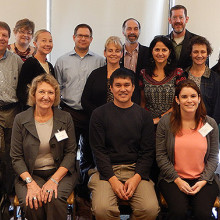
Additional members of the panel that developed the new clinical practice guidelines.
… FLEXIBLE SIGMOIDOSCOPY What you need to know before your procedure Your doctor has decided that you need a flexible … may be found. Polyps are abnormal growths of tissue. If your doctor feels that removal of the polyp is needed, this … FLEXIBLE SIGMOIDOSCOPY What you need to know before your procedure Your doctor has decided that you need a …
CARING FOR THE BODY, MIND & SPIRIT SINCE 1869 Renowned for compassionate care, St. Josephs is one of the best academic health care organizations in Canada dedicated to helping people live to their fullest by minimizing the effects of injury, disease and disability through excellence in care, teachin...
… when muscles are stretched beyond their limits Warm up your body before stretching Benefits of stretching: … repeat 2-3x T – slow, controlled hold of mild stretch Work your balance… …and improve your proprioception. Proprioception is an automatic … when muscles are stretched beyond their limits Warm up your body before stretching Benefits of stretching: …
Flexibility, Stretching and Common Injuries Flexibility is the bodys freedom of movement. It allows our body to function efficiently, well within normal range of motion, without putting extra stress on joints, connective tissue and muscles. Like with anything else if you dont use it, you lose it! G...
… FLEXIBLE SIGMOIDOSCOPY What you need to know before your procedure Your doctor has decided that you need a flexible … may be found. Polyps are abnormal growths of tissue. If your doctor feels that removal of the polyp is needed, this … FLEXIBLE SIGMOIDOSCOPY What you need to know before your procedure Your doctor has decided that you need a …
CARING FOR THE BODY, MIND & SPIRIT SINCE 1869 Renowned for compassionate care, St. Josephs is one of the best academic health care organizations in Canada dedicated to helping people live to their fullest by minimizing the effects of injury, disease and disability through excellence in care, teachin...