
Finding community in a moment of connection
Image
Image
The impact of feeling heard and seen- even for a moment - can make a meaningful and lasting difference. When individuals feel understood, it can help ease frustration and bring a sense of calm.
For a recent patient of St. Joseph’s, that moment came through the support of two volunteers who understand the profound impact a language barrier can have when navigating health care.
Angela Kim, a physiotherapy and occupational therapy assistant in Parkwood Institute’s Transitional Care Unit, recognized a significant barrier early on when a 60-year-old stroke patient was admitted to the inpatient program.
“A language barrier is not only difficult for patients, but for staff as well,” says Kim. “The patient was attempting to communicate his needs, but we were unable to fully understand him. Due to his expressive aphasia following a stroke, electronic translation devices were also ineffective.”
Kim reached out to the Volunteer Services Department and that’s when Linda Lam and Tami Nguyen- two Vietnamese-speaking volunteers at St. Joseph’s- stepped in to help.
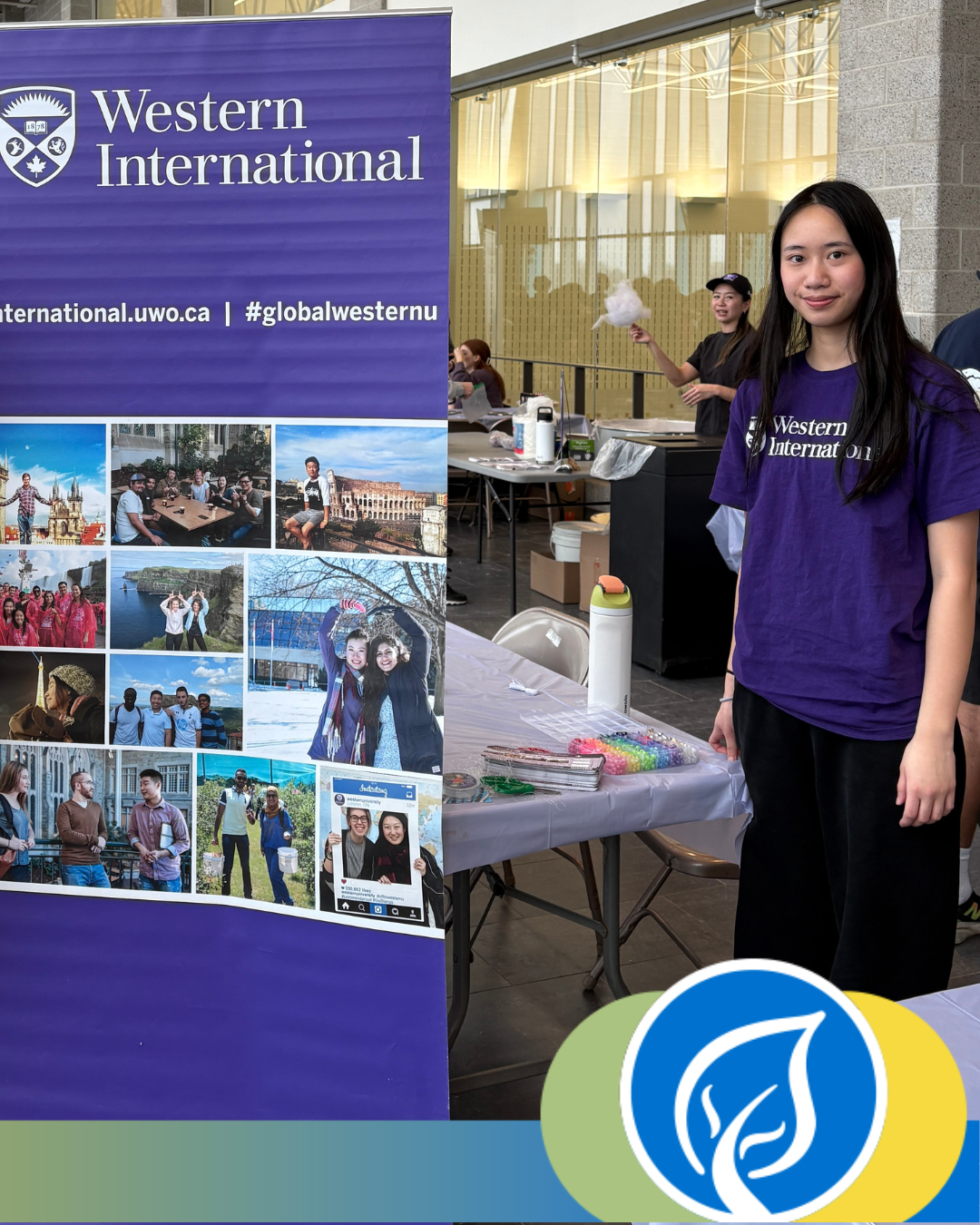 For Lam, the experience was deeply personal. Growing up with immigrant parents, she witnessed firsthand the frustration and isolation that language barriers can cause. She and her sister often acted as translators for their family during moments when communication was difficult; So, when the request came forward, it felt like a familiar space.
“I take a lot of pride in my ability to speak Vietnamese and I see it as a real privilege,” says Lam. “When the opportunity came up, I was eager to step in and put my skills to use.”
Nguyen’s motivation to help stemmed from her own journey. After arriving in Canada in 2023, she experienced the kindness of strangers who helped her family navigate unfamiliar systems and a new beginning. Volunteering became her way of paying that care forward.
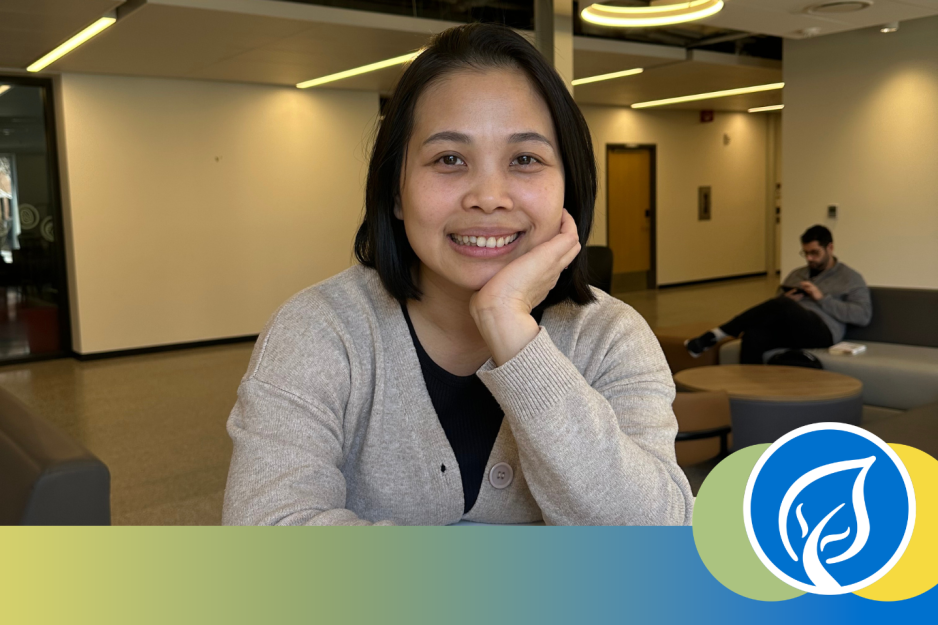
“It’s simple,” shares Nguyen. “People helped my family, so I want to help others when I can.”
Together, Lam and Nguyen began visiting the Vietnamese patient weekly, offering not just translation, but presence, familiarity and connection. Turns out, their visits were just as impactful on Lam and Nguyen as they were on the patient.
“The first time I started speaking to the patient in Vietnamese, he became very emotional and cried,” Nguyen shared. “That moment really touched me.”
“I could feel my own emotions surface as well,” recalls Lam. “It was difficult not to be affected because the situation felt so personal. I kept thinking about how I could support him better and help him get through this difficult time.”
Initially, communication was difficult, but over time as their conversations unfolded, visits became more comfortable and familiar.
“By the third week, I noticed a big change,” says Nguyen. “He no longer cried during our visits and started to speak more. He was able to talk about his family—his son, daughter and mother. That was very meaningful to me. It showed progress and made me feel that our presence was helping him feel safer and more confident.”
They discovered shared cultural touchpoints including a Vietnamese card game called 13, a connection that brought comfort and normalcy into the patient’s hospital room.
For Lam, the experience left a lasting impact beyond the patient interaction.
“It made me reflect on my own life and put things into perspective,” she said. “The things I had been stressed about suddenly felt much less significant. I was reminded, not only to be more grateful, but also to approach patient interactions with a stronger sense of purpose and empathy.”
Through language, shared culture and simple human presence, Lam and Nguyen helped transform the patient’s experience from frustration and feelings of isolation, to one grounded in connection and respect; offering dignity, comfort and a sense of belonging.
It’s in these small, deeply human moments that care goes beyond treatment and where compassion, respect and excellence come to life at St. Joseph’s.
Other Stories
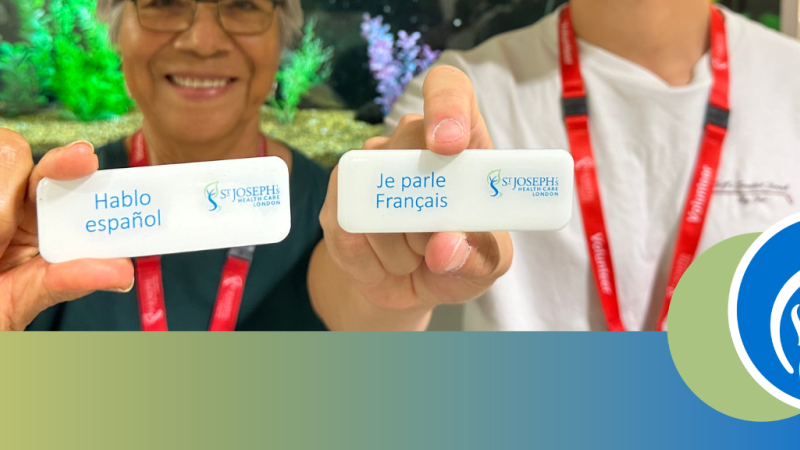
Speaking their language
Bridging a communication gap has become a bit easier for patients and visitors at St. Joseph’s Health Care London (St. Joseph's). This summer, two new tools were introduced to help create a more welcoming and comfortable experience for individuals who visit St. Joseph's and whose first language is...
Read more
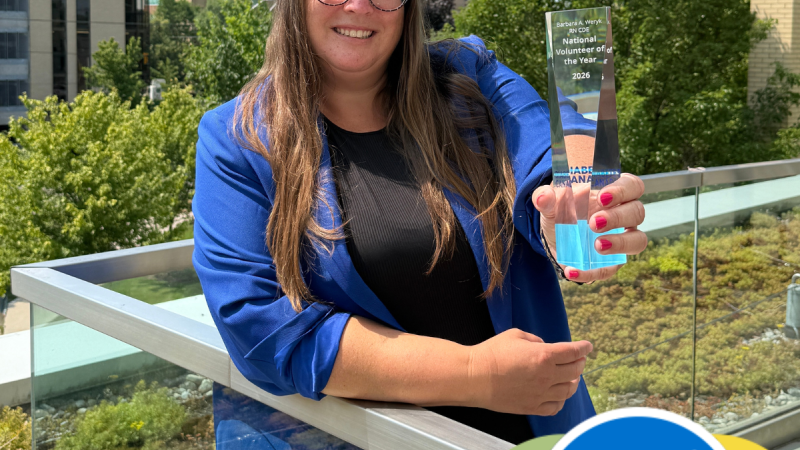
One decision at a time: Barbara Weryk recognized for empowering people living with diabetes
Barbara Weryk knows what's in her campers' bags because she carries most of it herself: insulin, glucose monitors, backup supplies, an emergency plan. Barbara has lived with diabetes for 12 years and wears an insulin pump and glucose sensor. She's also the camp nurse. Since 2018, Barbara has...
Read more
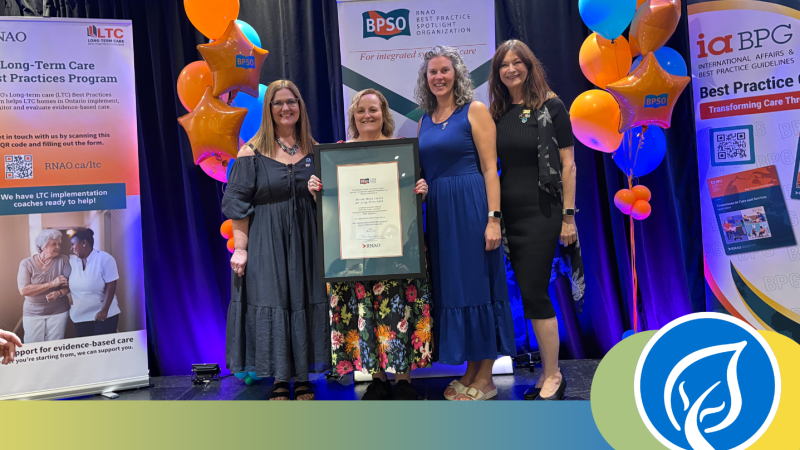
Raising the standard in long-term care at Mount Hope
At Mount Hope Centre for Long Term Care, a three-year journey focused on advancing sustainable improvements in resident care has led to a significant achievement – a Best Practice Spotlight Organization – Long-Term Care (BPSO-LTC) designation. The designation by the Registered Nurses Association of...
Read more