


‘Micro-doses of wisdom’
Image
Image
Occupational therapist Clark Heard teaches and reaches a milestone 150 students
The numbers say occupational therapist Clark Heard has given more than 30,000 hours as mentor to more than 150 work-placement students across 25 years of professional practice.
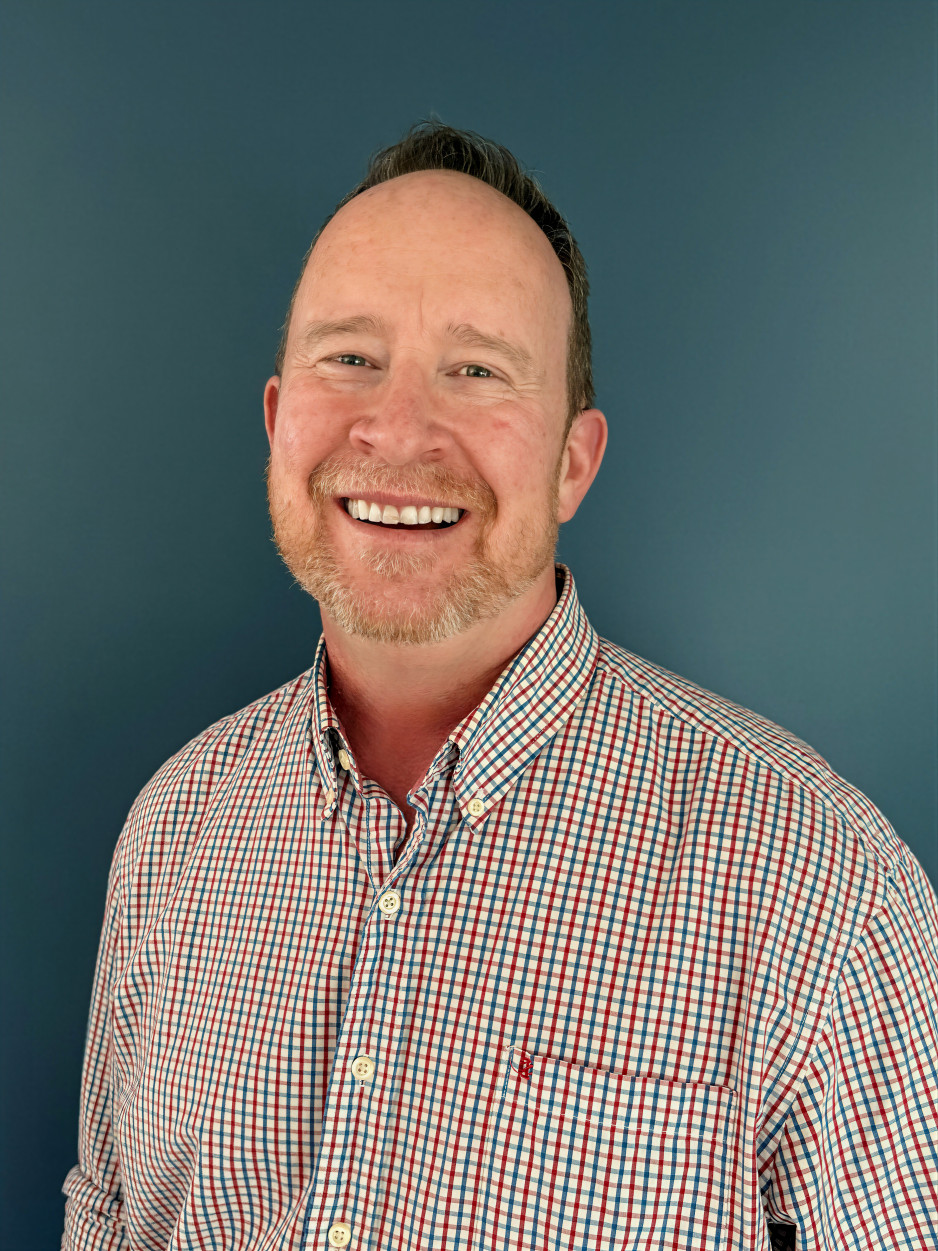
But Heard, who works at St. Joseph’s Health Care London’s Southwest Centre for Forensic Mental Health Care (Southwest Centre), has a different number in mind.
“These mentorships have made my career 1,000 times better,” he says. “It’s such a joy, I often think the main beneficiary of this teaching has been me.”
Recently, staff celebrated his being a preceptor to his 150th occupational therapy student, trainees he works with as they gain clinical experience before graduating.
As preceptor, his role officially is to guide them towards independent and team practice. But he says it goes well beyond practical skills or preparing them to be entry-level clinicians.
“These students are brilliant. They’re motivated, they’re smart,” he says.
That’s why much of his mentoring includes things they won’t learn in a classroom: teamwork, managing unpredictability, discernment, interviewing skills, small-business advice, career pathways.
Micro-Doses of Wisdom from Clark Heard
To mark a milestone in his career, occupational therapist Clark Heard shared 150 “micro-doses of wisdom” on LinkedIn—life lessons for health professionals and anyone striving to be better:
- Respect isn’t a title: “It’s earned in reliability, in humility, in being the person who shows up.”
- Why not you?: “Competence gets you in the room. Vision determines what you do once you’re there.”
- Adversity is a privilege: “Adversity is where theory is tested. Where values are clarified. Where professional identity is formed.”
- I could be wrong: “It is important … to park our ego, our self-assurance, even our moral posture. To leave space for a different outcome. A different interpretation. A better answer. To be wrong – and to learn what is right.”
- Make it fun: “Students will still know you take the work seriously — but they’ll also see the genuine joy that sustains a meaningful career.”
These were particularly valuable to occupational therapist Nargiz Nasibova, whose student placement at Southwest Centre in 2024 helped form the impetus for her current work in geriatric mental health in Calgary.
“Clark was someone who didn’t see the profession as just a job. He guided us through the demands of the work, collaborative relationships with staff and patients, healthy team dynamics and balance outside of work. I bring those lessons and views into each patient interaction.”
“I had no desire to work in mental health until I came here as a student. And, thanks to Clark’s inspiration, it became my career,” says Terri-Lynn Timmermans, clinical manager of forensics – and Heard’s sixth student 20 years ago.
Heard says, “As educators, there’s a tendency to oversell the importance of very specific skillsets, the things they do today, and undersell the importance of potential and what they can do six months from now. That’s why I tell students, ‘you are built for greatness. You’re not built for average. So let’s explore how you cultivate greatness. What makes you exceptional?’ ”
Heard has been invited to students’ graduations, weddings and baby showers. Some former students work in mental health, as Heard does. Others work in clinics or private practice. Some are now teachers themselves.
Heard credits St. Joseph’s values of respect, excellence and compassion for creating an environment where this approach is not only possible but is encouraged.
“At Southwest Centre, and at St. Joseph’s, people in professional practice are part of a much bigger circle that starts and ends with organizational supports: information technology , security, nurses, admin staff. There are so many moving parts.”
Heard is an adjunct professor at Western University’s School of Occupational Therapy and winner of the Barbara Sexton Lectureship. Awards include national recognition by the Canadian Association of Occupational Therapists, winning a Distinguished Alumnus award-winner at McMaster University, and receiving the St. Joseph’s Sisters of St. Joseph’s Award for Excellence in Care.
“I got into occupational therapy to provide the best care possible for patients. I got into teaching so students could experience what success as a whole team looks like.”

Other Stories
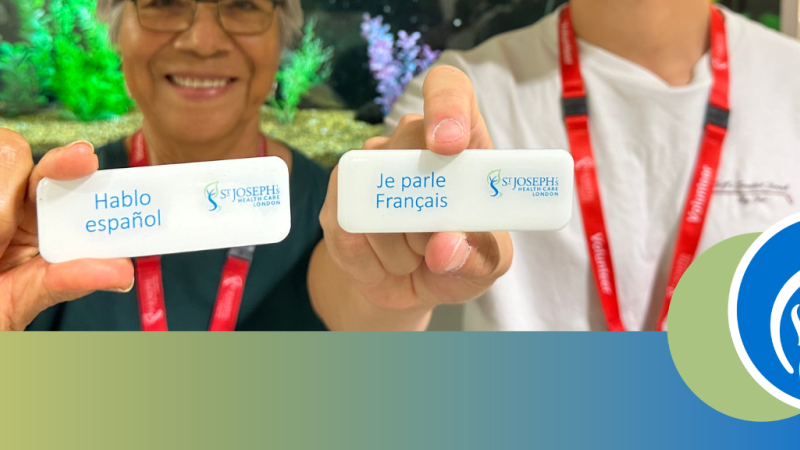
Speaking their language
Bridging a communication gap has become a bit easier for patients and visitors at St. Joseph’s Health Care London (St. Joseph's). This summer, two new tools were introduced to help create a more welcoming and comfortable experience for individuals who visit St. Joseph's and whose first language is...
Read more
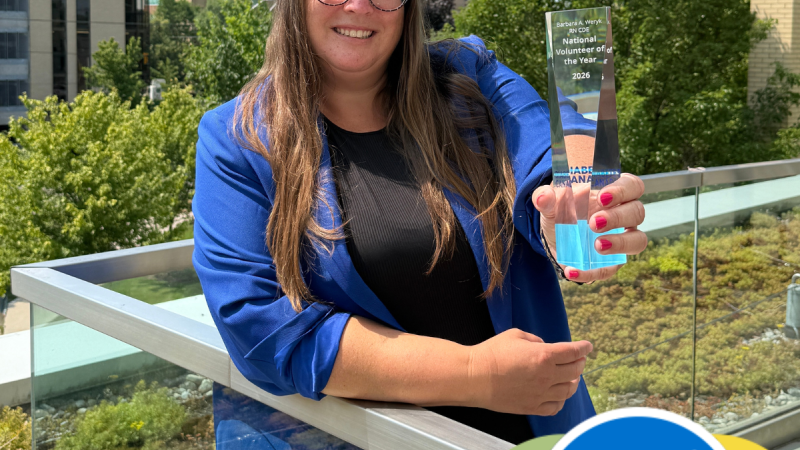
One decision at a time: Barbara Weryk recognized for empowering people living with diabetes
Barbara Weryk knows what's in her campers' bags because she carries most of it herself: insulin, glucose monitors, backup supplies, an emergency plan. Barbara has lived with diabetes for 12 years and wears an insulin pump and glucose sensor. She's also the camp nurse. Since 2018, Barbara has...
Read more
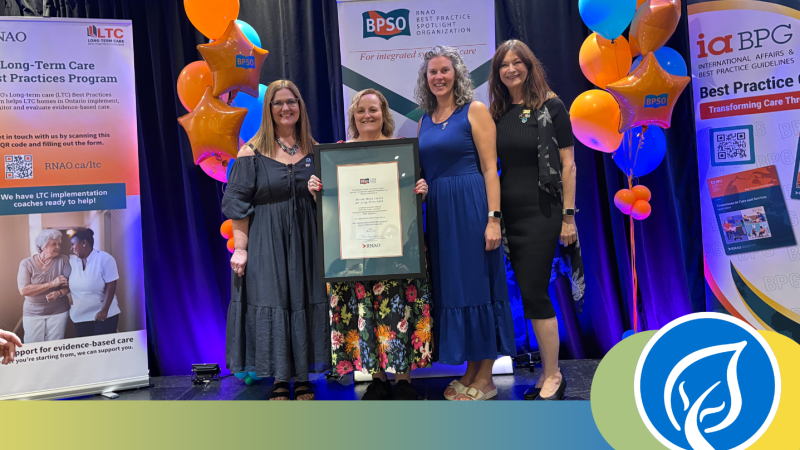
Raising the standard in long-term care at Mount Hope
At Mount Hope Centre for Long Term Care, a three-year journey focused on advancing sustainable improvements in resident care has led to a significant achievement – a Best Practice Spotlight Organization – Long-Term Care (BPSO-LTC) designation. The designation by the Registered Nurses Association of...
Read more