


With a little help from her friends
After battling health challenges, Doris Edgar found compassion, connection and a community of support during her recovery journey at St. Joseph’s
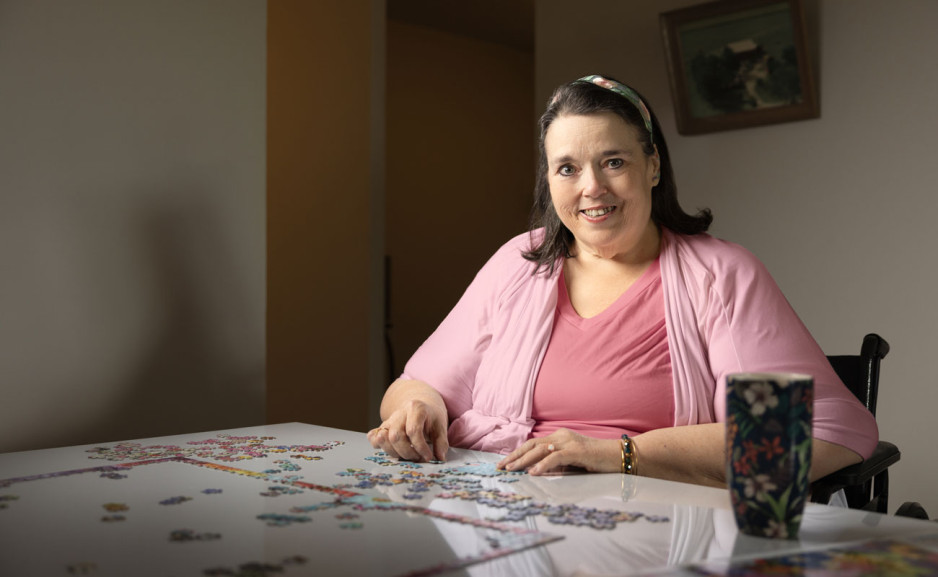
When Doris Edgar came home after spending almost a year in the hospital, there was a surprise waiting for her. Terry Lynn and Lu, two of her closest friends, had worked together to clean and revamp her space. There was food in her fridge, assistive devices in place and puzzles and books to keep her entertained.
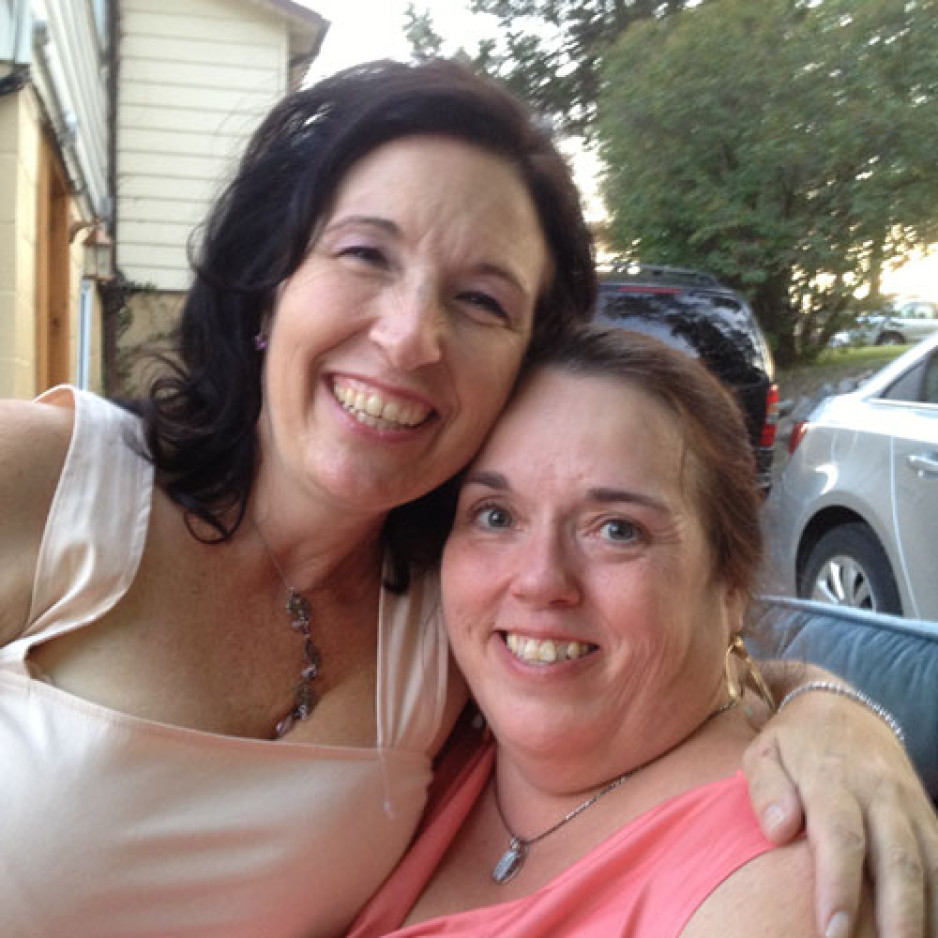
She was home, surrounded by a sisterhood that has supported one another for decades.
“There's that old saying, ‘you have friends for a season, a reason, or a lifetime’,” Doris says. “These are lifetimes for me.”
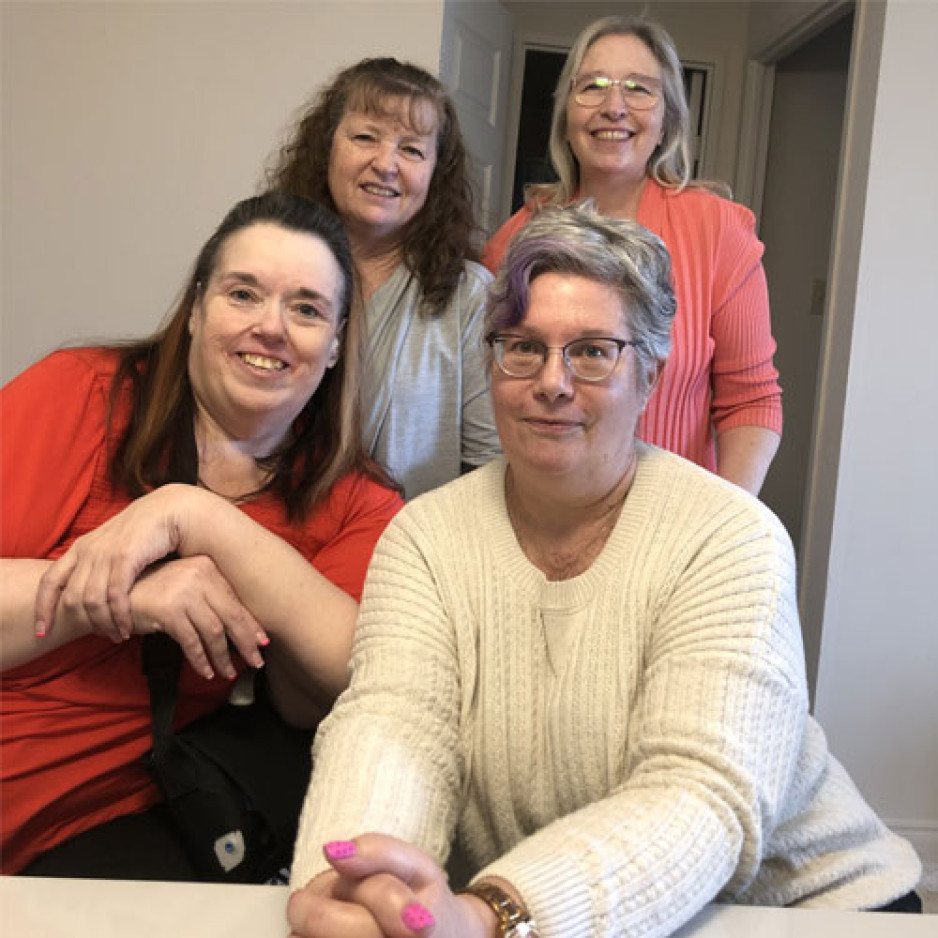
Her circle grew even wider while she was recovering from health challenges in St. Joseph’s Parkwood Institute. Taking part in therapeutic recreation activities like card games and bowling – using supplies funded by donors – allowed Doris to make new friends, feel hopeful and build resiliency. As part of this year’s Season of Celebration campaign, donors will have the opportunity to support therapeutic programs to help people like Doris recover and thrive.
Yesterday
Doris grew up on a farm near Alvinston, Ontario, with lots of family members nearby who were always ready to help. “We called it Edgarville,” she shares.
She met some of her lifelong friends in elementary school, and those connections carried through to adulthood. She ended up living in London, and after years working the blue-collar life in dispatch and as an answering service operator, she embarked on a long and fulfilling career as a benefits administrator.
Outside of the office, she always had a busy dance card: nights filled with dancing, euchre and poker games, bowling and lots of laughter with family and friends. She was the Canadian spokesperson for the National Association to Advance Fat Acceptance, a US-based size rights organization, that saw her take the stage at events and on talk shows.
The long and winding road
But during the past few years, health challenges hit hard. Born with a heart defect, she started experiencing shortness of breath that led to a valve replacement, and she was diagnosed with congestive heart failure and stiff heart syndrome. She endured a long hospital stay that included treatment for renal failure, a blood infection and delirium from carbon dioxide toxicity.
After six months in acute care, she moved to Parkwood’s Complex Care Program for recovery and rehabilitation. When she arrived, she couldn’t walk and required mechanical lifts to get around. Despite being surrounded by her care team, she felt lonely.
“You need stimulation,” Doris says. “I had nobody to talk to, nothing to do. And I’m a doer.”
Fortunately, St. Joseph’s therapeutic recreation team created a personalized plan to help Doris feel like herself again. Therapeutic recreation specialists Bernadette Welch and Cindy Draper encouraged Doris to try a game of euchre, one of her favourite pastimes. It immediately brought her out of her shell.
“I started going to more activities and realizing that they were really boosting me up, mentally and also physically. I had something to look forward to.” – Doris Edgar
Getting better
Soon, she was playing bocce ball and bowling – and making real connections with people. Doris invited one of the other patients to eat a meal with her in the open lounge space rather than staying in their rooms. More people joined them and a very special supper club was born, dining together every day for every meal.
That sense of community – combined with a lot of laughter – helped her steadily progress in her recovery. “I started to feel more mobile and more like me again,” she shares about that time. “My personality came back. My fight came back.”
She took steps again with the help of a walker, and soon she was the unofficial cheerleader for the Complex Care program. Across the unit, her optimism was infectious. She greeted new patients and helped connect them to activities they might enjoy. She even brought along pom-poms to cheer people on.
Here comes the sun
Doris spent six months at Parkwood before returning home. Now she’s using an electric wheelchair that makes it even easier to get around to dinners out, appointments and birthday parties. Her friends have been with her every step of the way.
She’s also chatted with Welch and Draper about volunteering as a liaison to help new people adapt to the care unit. It’s a special way for her to give back to the place that helped her find herself again and regain hope for the future.
“If I had to rank them out of 10, I'd rank them out about a 50,” she says of her care team at St. Joseph’s. “They go above and beyond.”
Other Stories
Recovery in motion
James (Jamie) Hackland prides himself on his independence. He is a proud Scottish-Canadian, military veteran, father and grandfather. And his journey has taken him from the decks of Navy ships to model airplane builds at the Legion, and most recently, to a new chapter of healing at St. Joseph’s...
Read more
A bright new day
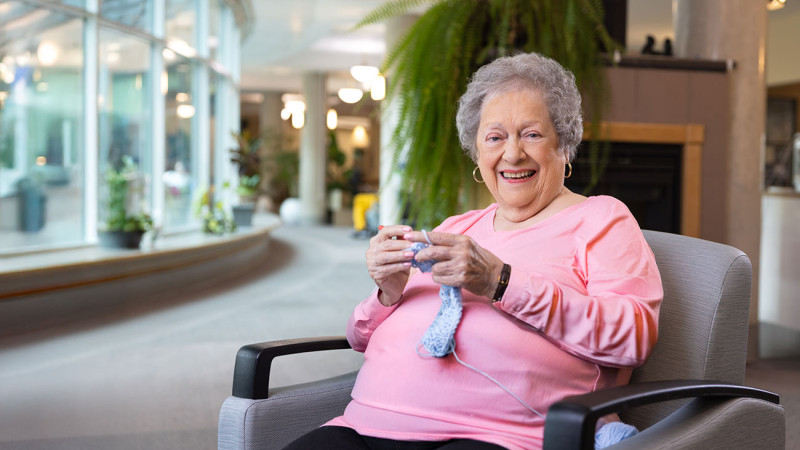
One resident at Mount Hope is reflecting on a life full of music, love, family and finding joy in unexpected places. At 84, Fern McNab calls herself “a healthy, happy woman,” grateful for every day and every memory that’s brought her to where she is today. “I wake up and am thankful for every new...
Read more
His best self
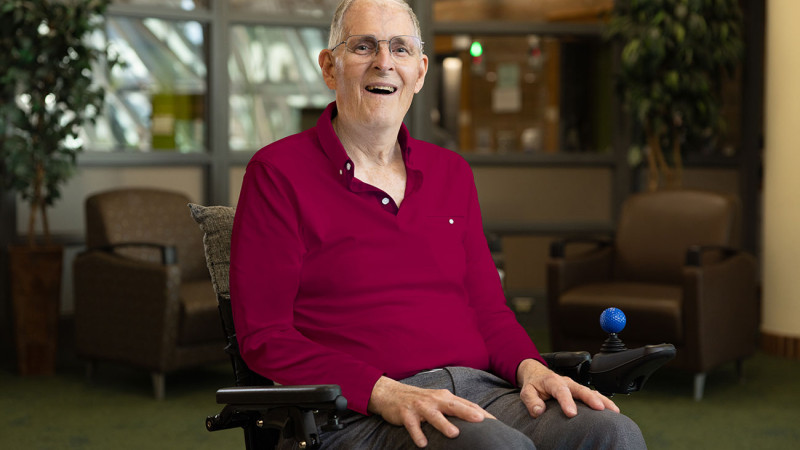
Bill Thompson has worn many hats in his life: husband, father, grandfather, funeral director, orderly, farmer. But he says that one that he’s particularly proud of is being an older adult with mild cerebral palsy who is healthy, happy and thriving. He credits the interdisciplinary care in St. Joseph...
Read more