A new perspective
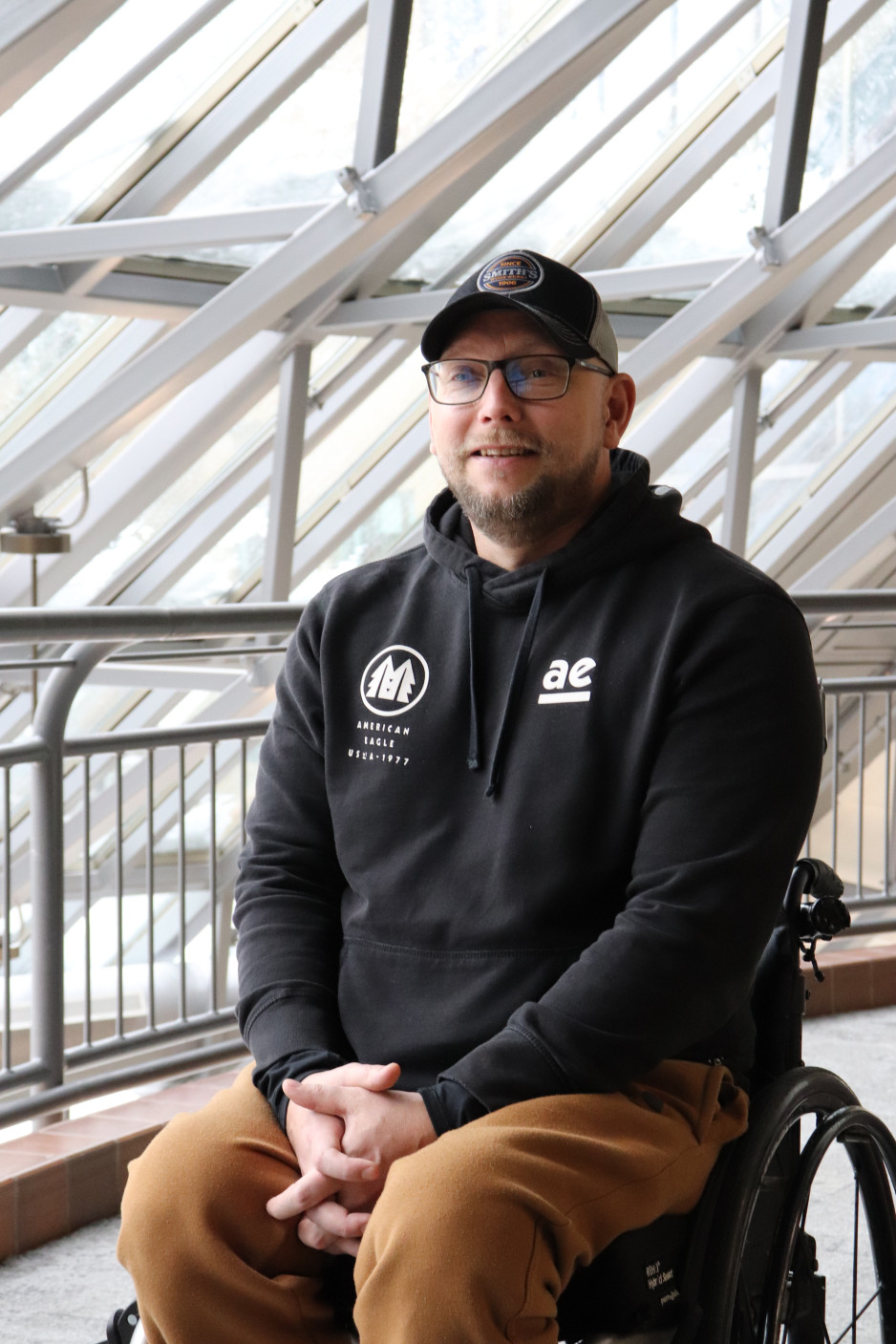
Chris Smith’s rehabilitation journey at St. Joseph’s has been backed by an outstanding rehabilitation team, donor-funded equipment and sheer determination.
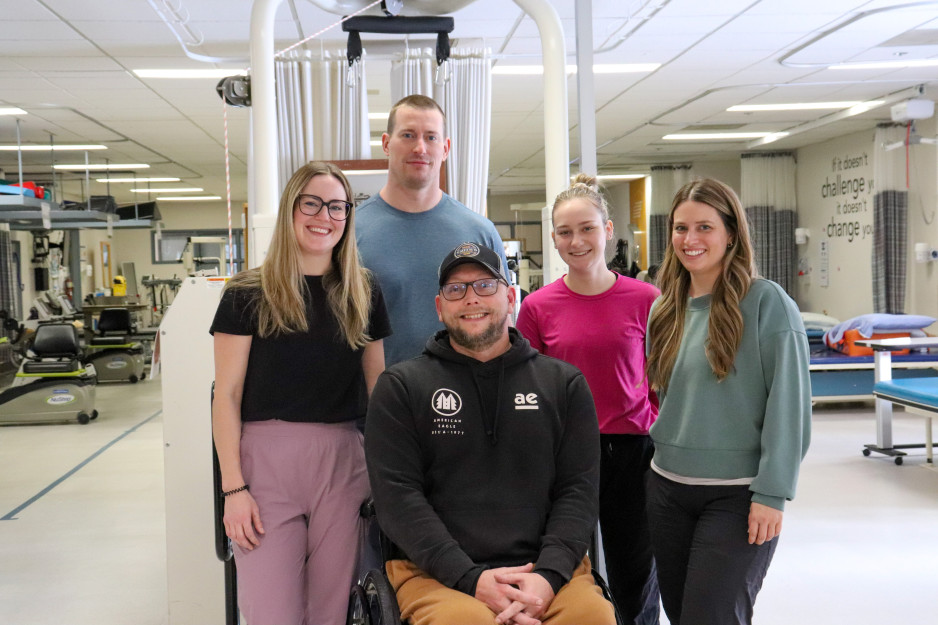
Chris Smith’s journey at St. Joseph’s Health Care London began in the quietest, most unexpected way imaginable. One night, he went to bed feeling completely healthy. The next morning, he woke up unable to move from the waist down. With no warning signs, no clear cause and still no clear diagnosis, Chris faced an abrupt, life-changing challenge.
From the beginning, the rehabilitation teams located at St. Joseph's Parkwood Institute played a critical role in his recovery, helping him regain his mobility and confidence.
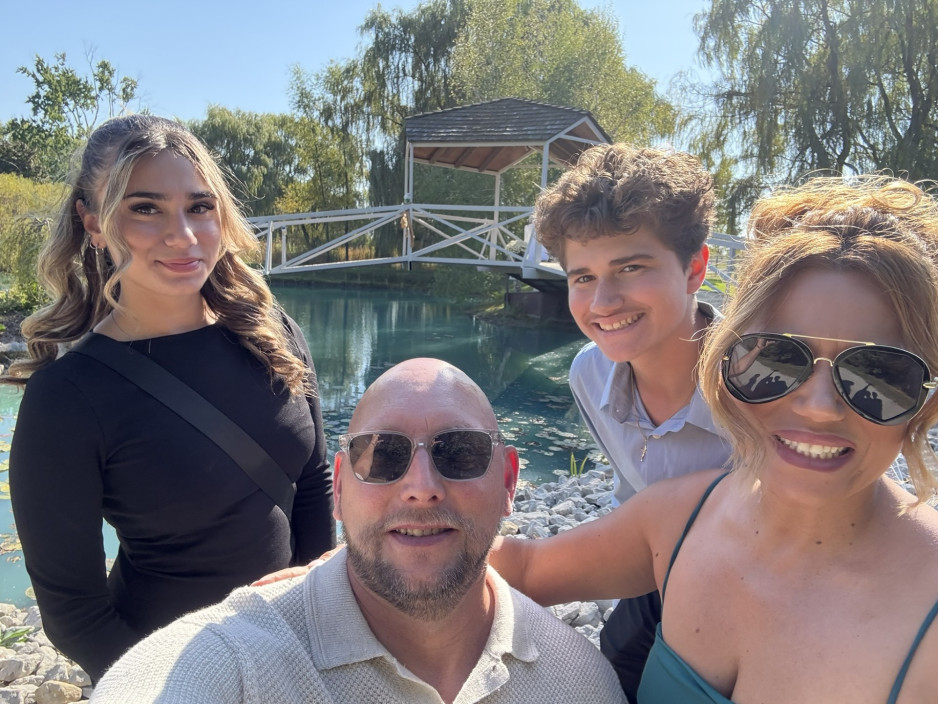
Born and raised in London, Chris has always been determined, competitive and resilient. After graduating high school, he went straight into the workforce. Following the loss of his mother, he stepped up to adopt and raise his three younger half-brothers. Today, he shares a blended family with his wife Emily, who he dubs his “right hand” and strongest supporter, and her children, who have remained as pillars throughout his care.
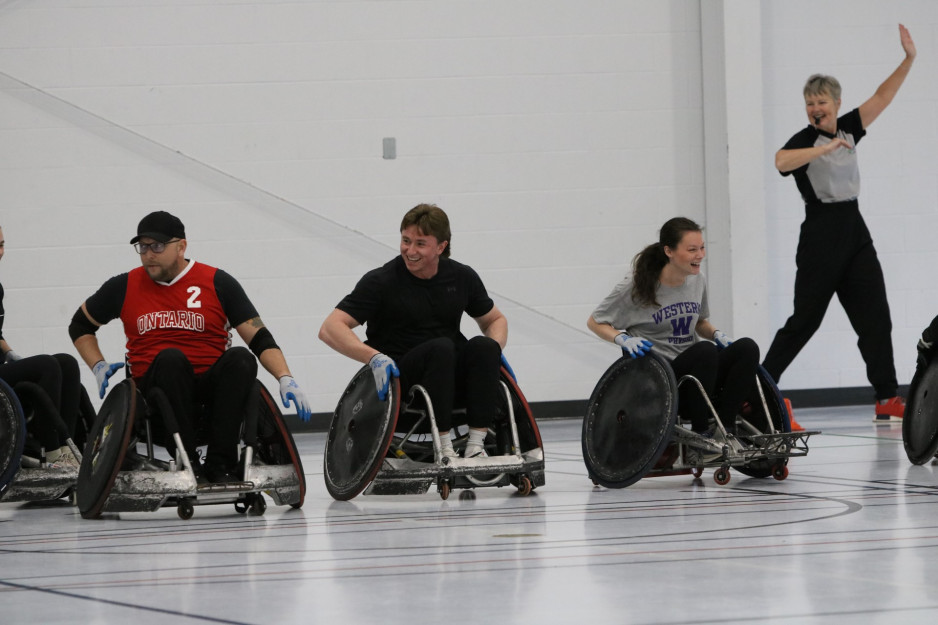
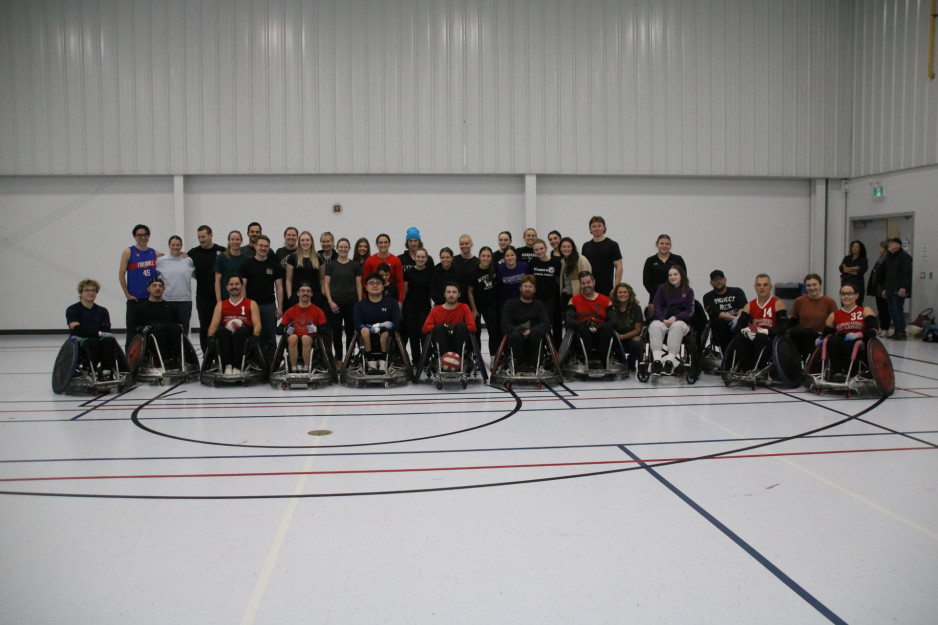
Outside of Parkwood, Chris finds comfort and joy in the quieter moments – caring for the fish in his aquarium, spending time with friends and going on beach trips with his family and his trusted pal, Teddy the goldendoodle. He also volunteers extensively at Western University, where he shares his experiences with student programs, and enjoys staying active through adaptive sports like wheelchair rugby.
“If I can help myself move forward, I can help others do the same,” he shares. “I volunteer because I want to give back and share what the team at Parkwood have done for me. Wherever I can help, if that means sharing my story, then I want to.”
Chris’ rehabilitation care at Parkwood began more than a year ago and has been intensive and highly personalized. He describes the care team as adaptable and supportive, meeting him where he was and tailoring therapy to his personality and goals.
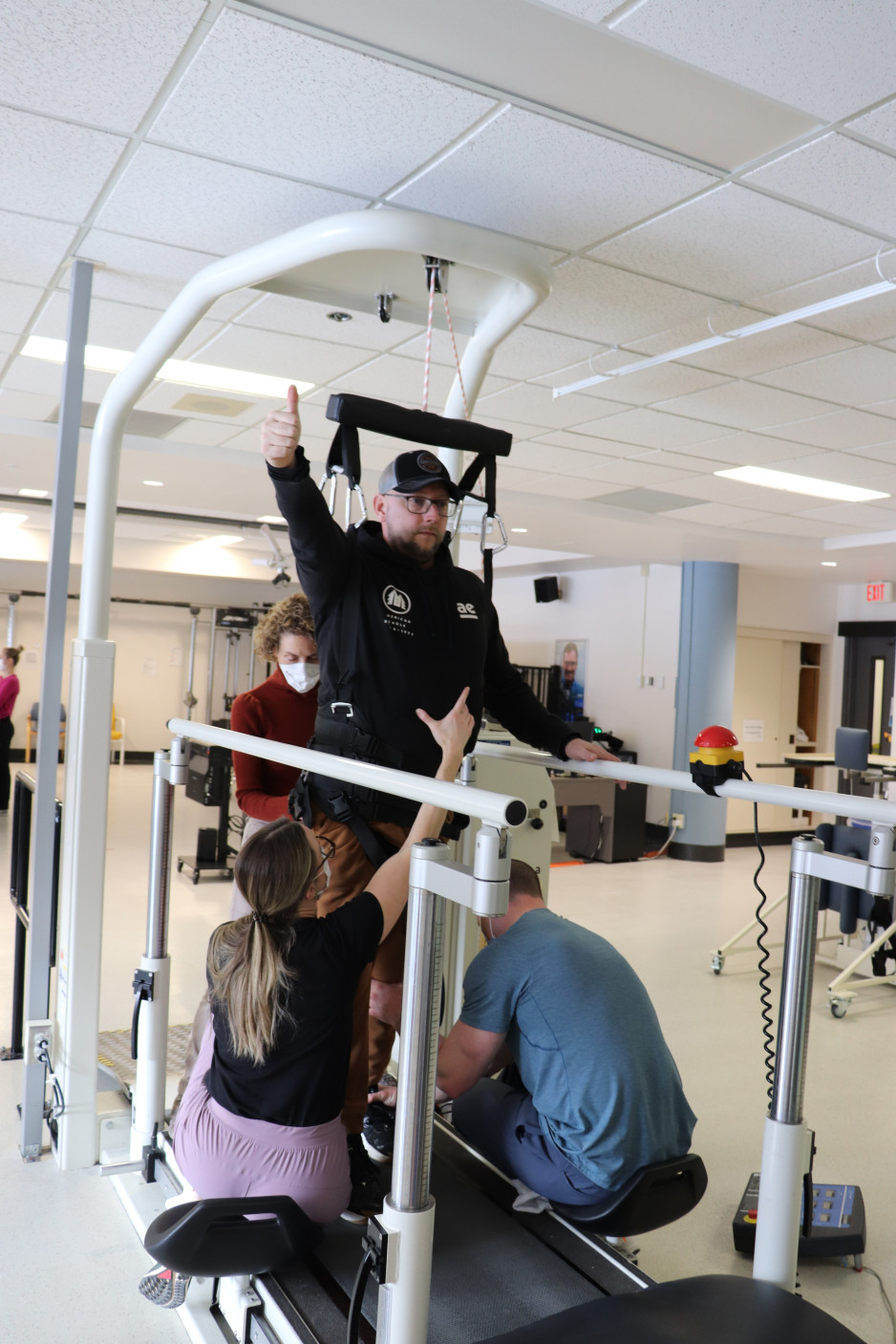
A turning point in his recovery was when he tried using a specialized body weight-supported treadmill. “It just took my recovery to another level,” he says.
The treadmill allows patients to relearn stepping and walking patterns without having to support all of their body weight. With the support of trainers to guide movement at the feet, legs and pelvis, the treadmill helps patients’ nervous systems relearn the ideal walking pattern, which can then be translated to overground movement.
Chris recalls at the beginning, the physiotherapists were just moving his legs for him. But the consistent use of the treadmill in his rehabilitation triggered the brain-body connection and, gradually, he started building strength in his lower body. Now, Chris boasts being able to use the treadmill with minimal support.
The treadmill, along with a suite of advanced rehabilitation devices, has played a critical role in Chris’s recovery – many of them made possible through donor support. These include the Lokomat, a robotic medical device that provides physiological and intensive rehabilitative gait training, and the battery-powered Ekso bionic exoskeleton, which helps to improve and restore mobility and independence in patients with a neurological or muscular injury. And more recently, he started using the FLOAT – a one-of-a-kind unrestrictive, multidirectional bodyweight support system to improve balance, mobility and function, have all been instrumental in building his coordination and confidence.
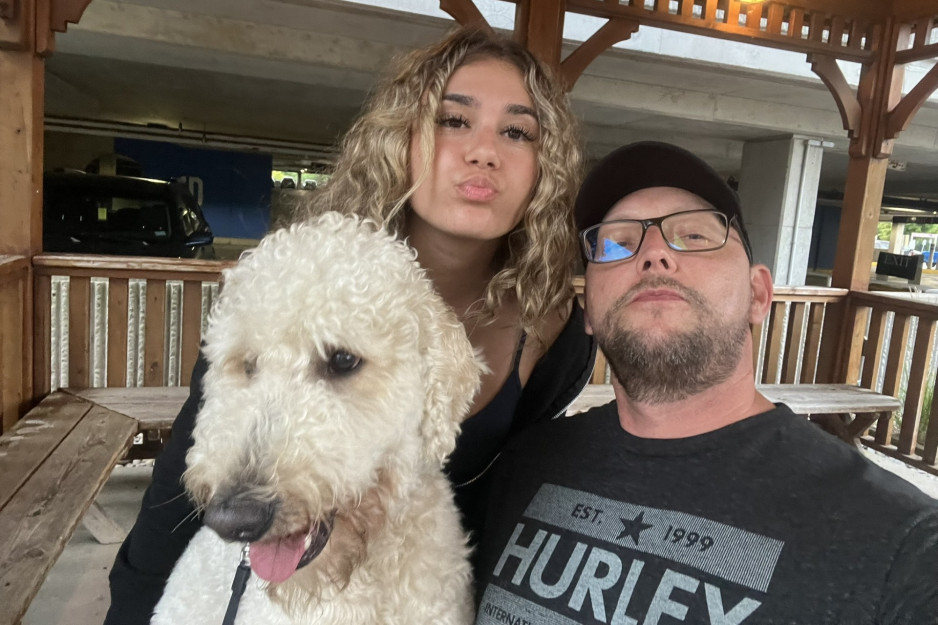
Beyond physical recovery, Chris emphasizes the importance of social support. He shares that being at Parkwood has given him a whole new perspective, reminding him of the things that really matter as he navigates his rehabilitation journey. Family, friends and the wider community have been crucial motivators, providing encouragement, visits and a sense of accountability. “Having visitors is fuel for recovery,” Smith says. “If someone sees me one day, I want to be further along the next time.”
For Chris, he gives thanks for the care he has received through action – walking through the gym on his own with his crutches, pushing himself every session on the bodyweight treadmill and proving the power of persistence, perspective and community.
Your Impact
Donors have the power to improve and even save lives. Your donations help St. Joseph's invest in healthcare innovation and discovery that would otherwise not be possible.
Read more donor impact stories