


Nourishing health, connection and our planet
Image
Image
St. Joseph’s Nourish Project is improving patient and resident health, advancing sustainability, and strengthening connections – all through the power of food.
Hospital food trays are not often seen as a place where innovation begins. But at St. Joseph’s Health Care London, the Nourish Project is transforming that everyday experience into something bigger - proving that meals can nourish patients, support the planet, and strengthen local communities.
Launched in 2021, St. Joseph’s Food and Nutrition Services (FNS) team was one of just seven organizations in Canada selected for the Nourish Anchor Cohort, a national program that helps organizations use food to improve both human and planetary health.
At St. Joseph’s, the work spanned two consecutive two-year cohorts and officially concluded at the end of 2025. That momentum continues today, with the principles of Nourish now embedded in ongoing efforts across care delivery, food systems, and sustainability.
“By focusing on our Nourish Project’s four pillars – plant-forward menu options, local food sourcing, on-site growing and the Food Prescription Program – we have improved nutrition, reduced waste, and made a real impact on our community and the environment,” says Lindsay Botnick, Director of St. Joseph’s Food and Nutrition Services.
Rethinking hospital food
Sustainability has been a core driver of the Nourish Project. By rethinking how meals are sourced, prepared, and served, the team has identified practical ways to reduce environmental impact while maintaining the comfort and nutrition patients and residents expect.
“We collected feedback from patients and residents to ensure the food met their needs,” Erika adds. “Small changes and continuous learning are what make improvements sustainable.”
A key step was adopting the CoolFood Pledge, committing St. Joseph’s to a 25 per cent reduction in food-related greenhouse gas emissions by 2030 compared to 2015 — aligned with the Paris Climate Agreement. Because proteins account for the majority of food-related emissions, the team focused on shifting recipes toward more plant-forward options while maintaining familiar, patient-approved meals.
“Rather than removing foods people enjoy, recipes were tested and refined to find the right balance,” says Erika Odegaard, Systems Specialist with Food and Nutrition Services. “Plant-forward proteins like lentils and beans were incorporated into existing dishes to improve nutrition and reduce emissions without sacrificing taste.”
Meatloaf, for example, was reformulated with lentils and tested with patients and residents, earning satisfaction scores above 85 per cent.
“We collected feedback from patients and residents to ensure the food met their needs,” Erika adds. “Small changes and continuous learning are what make improvements sustainable.”
Fresh from the Community
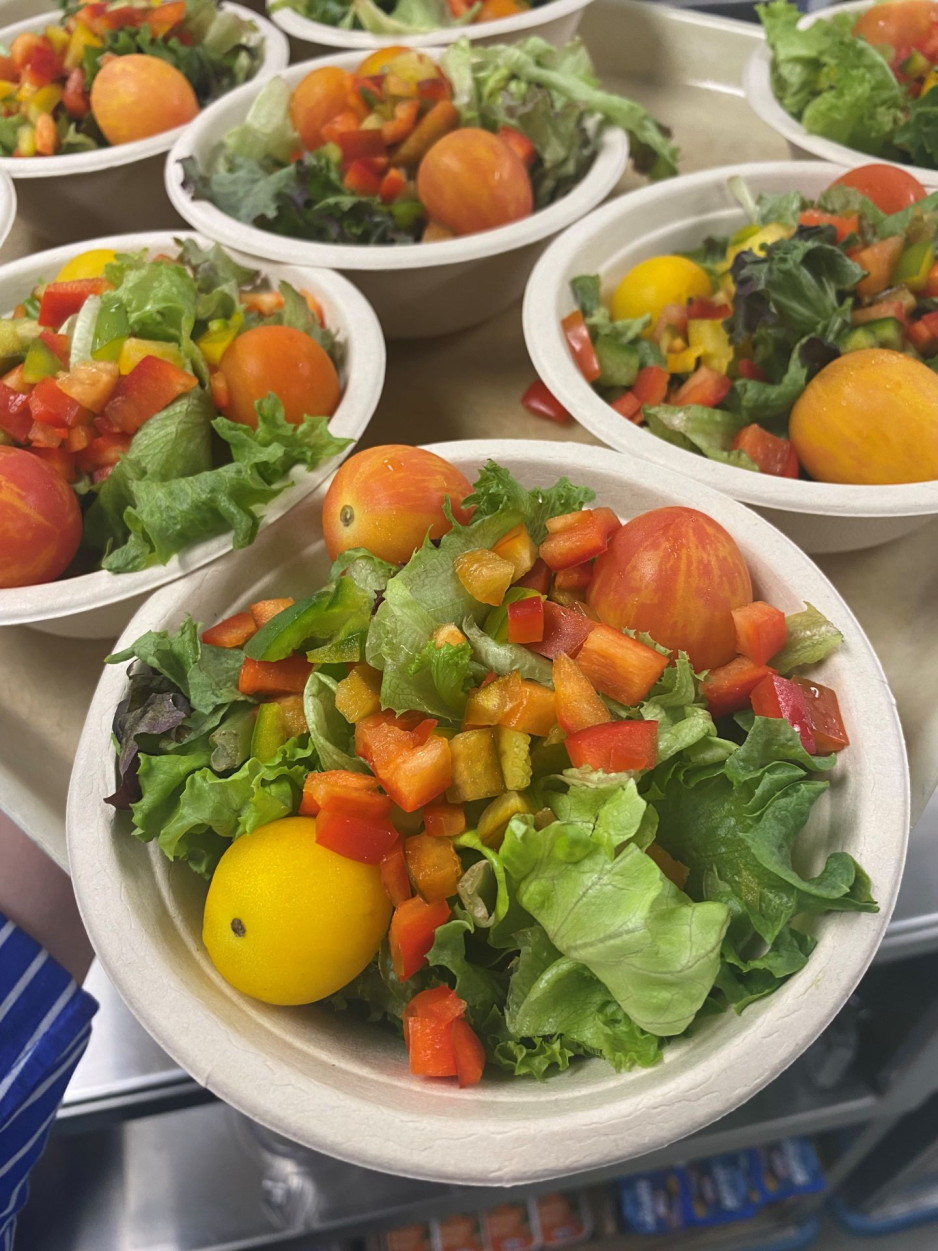
The team also strengthened partnerships with local growers, bringing more Ontario produce into menu planning and reducing reliance on imported foods. Sourcing closer to home shortens supply chains, lowers transportation emissions, and supports the local agricultural economy.
One early success was replacing imported lettuce with locally grown hydroponic spring mix — grown in nutrient-rich water rather than soil.
“Patients and residents noticed the difference immediately,” says Erika. “Fresher, crisper salads quickly became a regular part of meals. The change also reduced spoilage and food waste while supporting local agriculture.”
Since the initiative began, St. Joseph’s has increased spending on Ontario-grown produce by 23 per cent compared to 2022.
“Sustainability is not a one-time change,” Erika adds. “It’s something we continue to improve step by step.”
On-Site Growing ‘At the Medicine Garden’
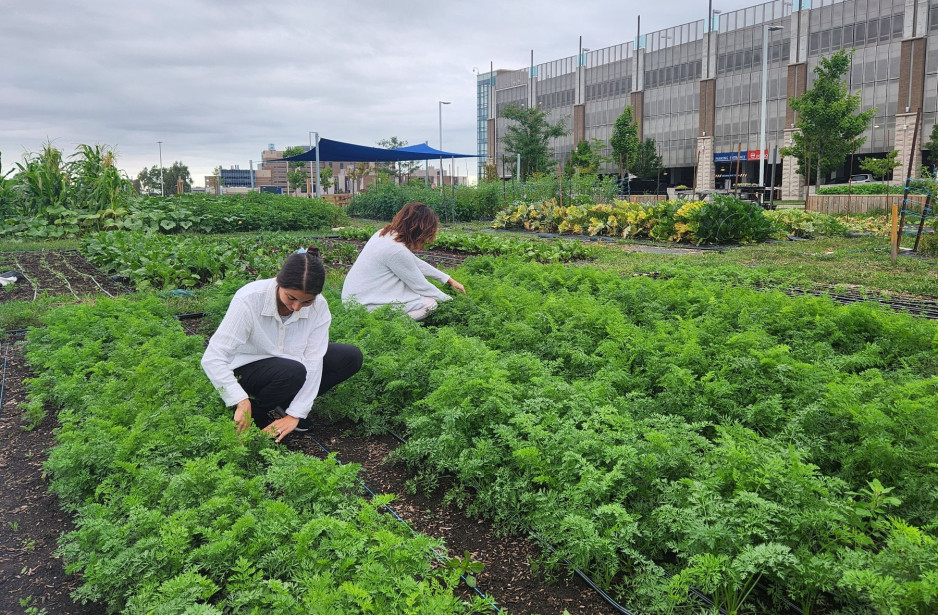
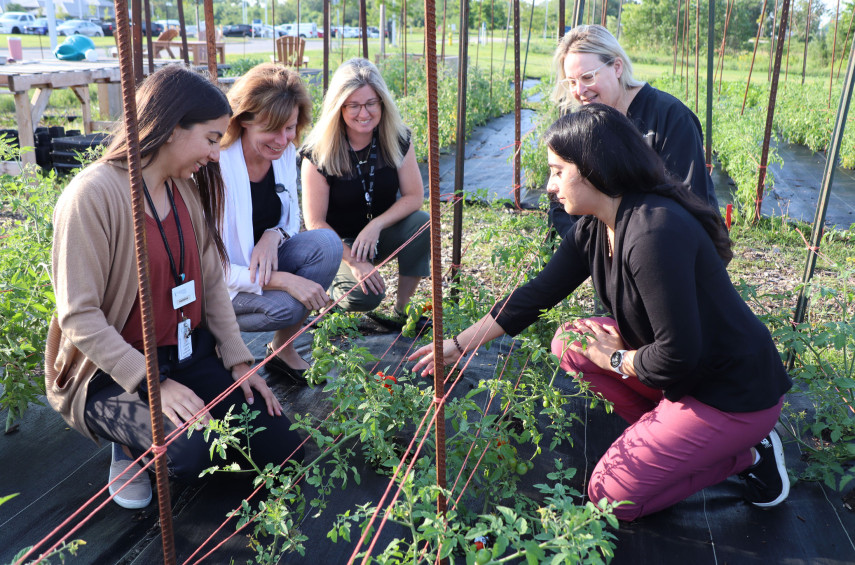
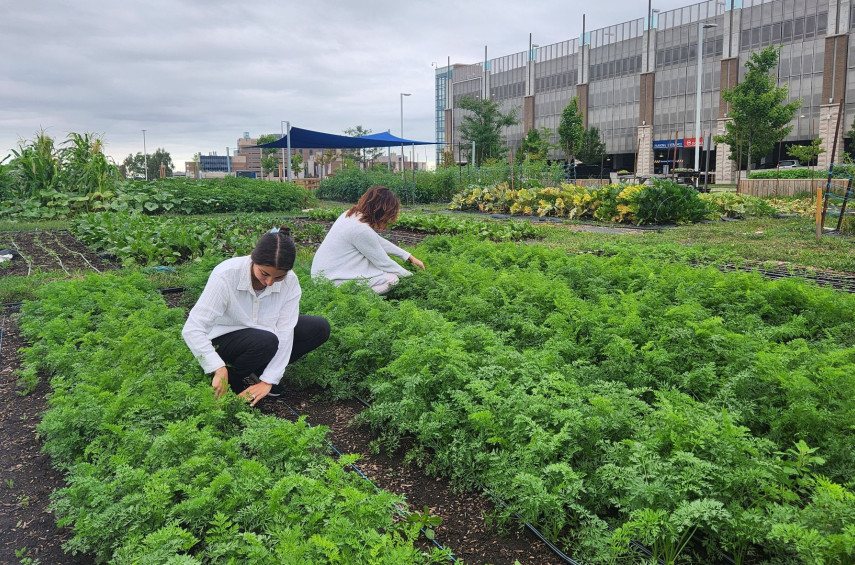
At St. Joseph’s Parkwood Institute, the Nourish Project team established an on-site garden in 2022 to explore growing food within a health care setting. The garden was developed in partnership with Urban Roots London, a non-profit that transforms underused land into productive agricultural spaces.
Fresh herbs and vegetables — including radishes, carrots, and potatoes — are harvested and used directly in patient and resident meals. Starting at 90 kilograms in its first year, the garden has grown to produce more than 1,300 kilograms of fresh produce in 2025.
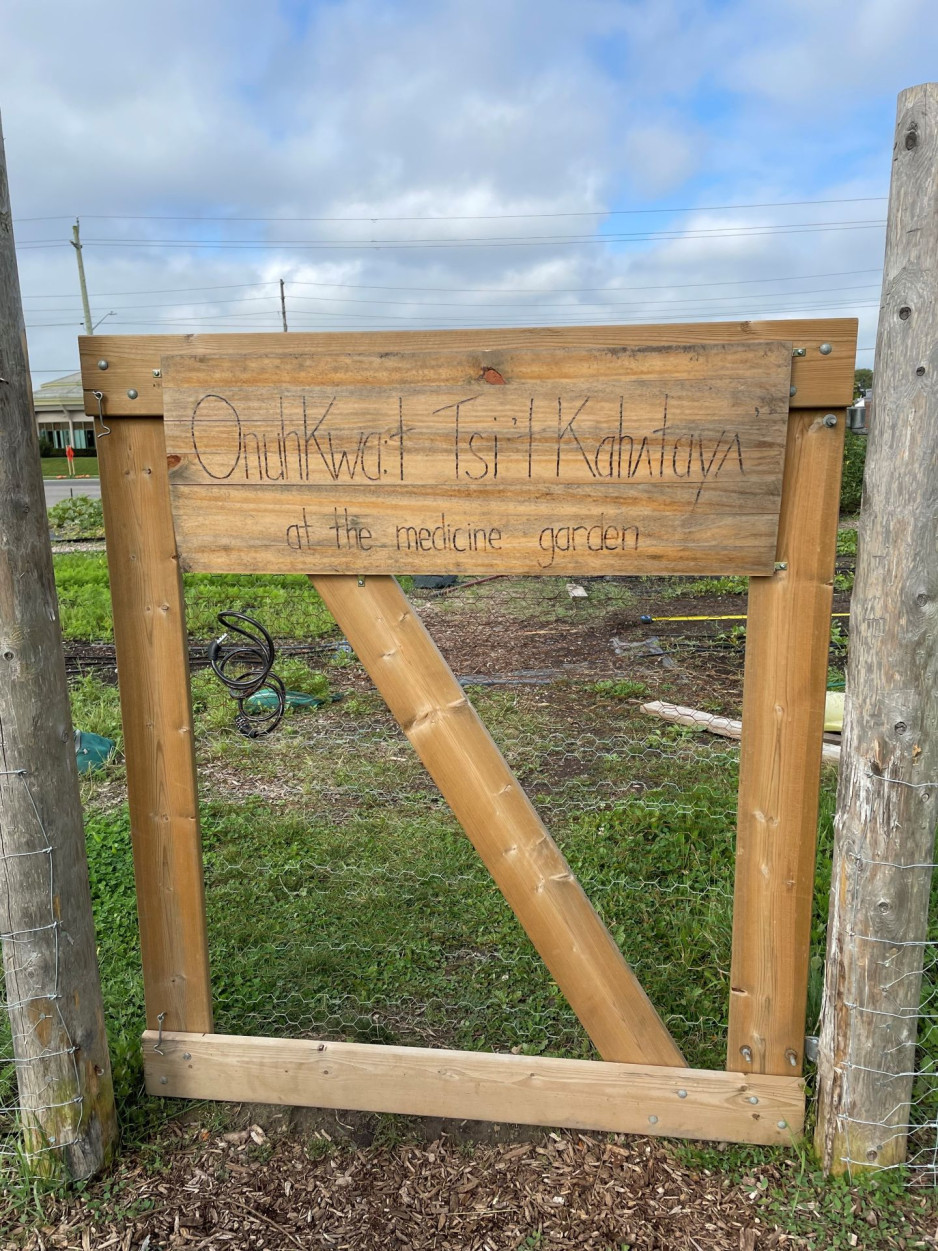
As part of the Nourish Project, the team adopted Food as Medicine principles. In 2024, the garden was named Onuhkw:t Tsi’tKah^tay^ (pronounced Ho-new-gwat Geet-Guh-Haw-Die-yah), an Oneida word provided by an Indigenous knowledge keeper meaning “At the Medicine Garden.”
Within the garden, the team also began growing ingredients for traditional Indigenous foods, including Three Sisters soup — corn, beans, and squash — in partnership with Atlohsa Family Healing Services.
“One of St. Joseph’s key goals of the project was to implement sustainable food practices that positively impact climate and community well-being through food in health care,” says Michelle Stranges, Quality, Transformation and Innovation Consultant and Nourish Project lead at St. Joseph’s.
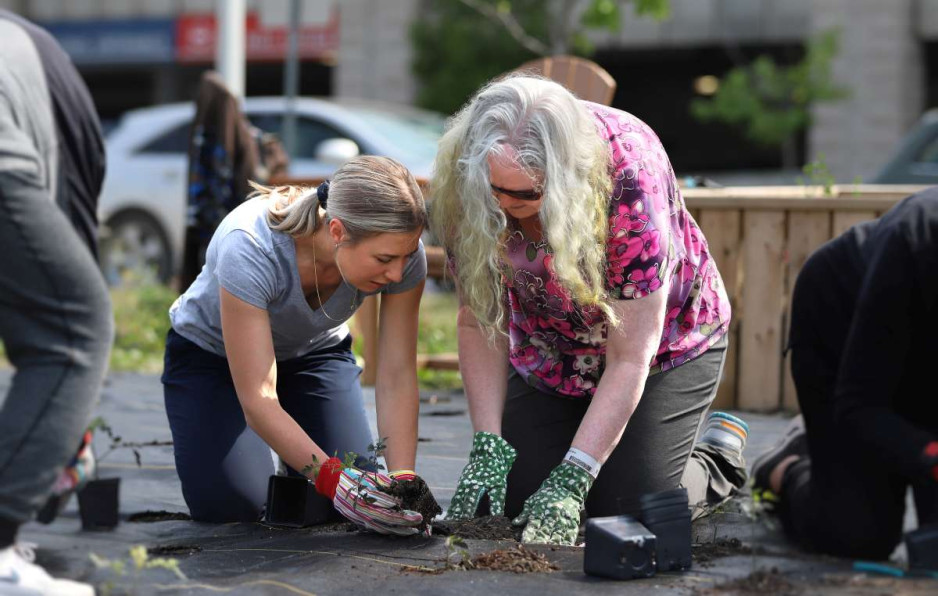
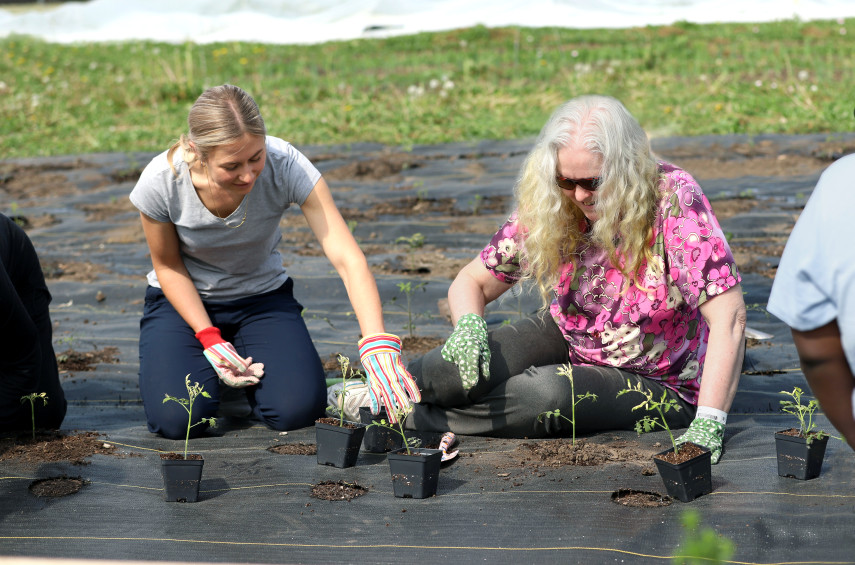
Recreation therapists at Parkwood Institute's Finch Family Mental Health Care Building work with the Nourish Project team to engage patients in planting, weeding, and harvesting. Each week, therapeutic recreation specialists accompany inpatient groups to the garden for horticultural therapy and recreational activities that build skills, confidence, and a sense of purpose.
“For our patients, recreation therapy is about connecting with others, finding purpose through meaningful activity, feeling a sense of accomplishment, and sustaining hope,” says Kerrie Dewatcher, Clinical Manager. “Offering gardening as a therapeutic activity provides an avenue for well-being for our patients.”
In addition, the garden supports St. Joseph’s Biigajiiskaan Program, a referral-based mental wellness program offering culturally safe care for Indigenous people living with serious mental illness, addictions, and concurrent disorders. The program uses medicinal plants grown on-site for traditional practices such as smudging and other healing ceremonies.
Food Equity Beyond Our Walls
The Nourish Project also extends into the community through a Food Prescription Program — a pilot initiative designed to improve access to healthy food for mental health outpatients experiencing food insecurity.
In partnership with Odd Bunch, participants received bi-weekly boxes of fresh fruits and vegetables, along with recipes and nutrition guidance. The program also reduced food waste by using surplus and “rescued” produce.
Piloted with the London Assertive Community Treatment (ACT) team, participants received a box every two weeks for 12 weeks. The program helped reduce barriers such as cost, transportation, and access to groceries, while supporting confidence in preparing healthy meals.
“The delivery option is helpful because the amount of food would otherwise require multiple grocery trips,” one participant shared.
Early feedback has been positive, and the team is now evaluating opportunities to expand and refine the program to further support health, dignity, and food access.
The Growing Impact
The Nourish Project has helped redefined how a health care organization approaches food. From on-site gardens to plant-forward meals, local sourcing, and the Food Prescription Program, it demonstrates that food can be medicine, a tool for environmental stewardship, and a bridge to community connection.
The project continues to expand and evolve, creating lasting benefits for patients, the community, and the environment.
“By focusing on health, community, and sustainability together, we are seeing real change,” adds Lindsay. “This project is about better health, stronger connections, and a healthier planet all at once.”
Nourishing Change
Here are some of the ways St. Joseph’s Nourish Project is making a difference.
- 15 participants in the pilot Food Prescription Program received fresh produce boxes, boosting access to healthy food.
- Four new plant‑forward menu items, including beef and lentil meatloaf, increased nutrition and lowered food‑related emissions.
- Medicinal plants grown on‑site, including tobacco and strawberries, support Indigenous healing practices and ceremonies.
- Weekly horticultural therapy activities build confidence and community for mental health patients.
- 23 per cent more Ontario‑grown produce was purchased, supporting local farmers.
-
Image
 A garden providing fresh vegetablesImage
 Recreation for mental health care inpatientsImage
 Nourishing health, connection and our planet