The right direction
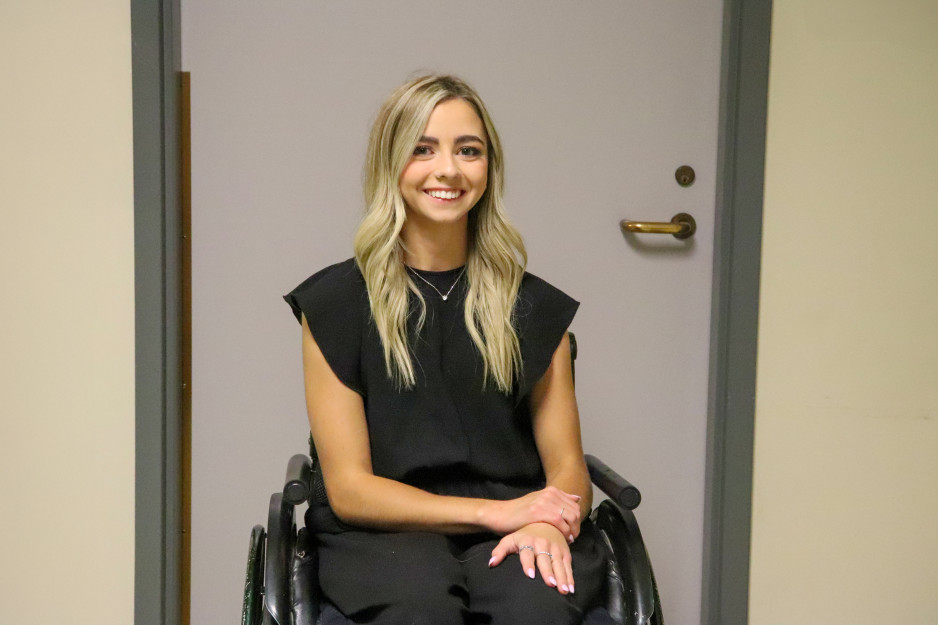
Sarah King’s journey at St. Joseph’s Parkwood Institute began in 2020, following a life-changing car accident that left her with an injury to her 4th and 5th thoracic vertebrae in her spine. The spinal cord injury resulted in paralysis from the chest down. Ejected from the vehicle, she has few memories of the crash but is deeply grateful to be alive. Since then, St. Joseph’s rehab teams have been central to her recovery and independence.
Growing up in the small town of Lakeside, King is the youngest of five siblings. She has always been determined and stubborn, traits that have fueled her rehabilitation.
Early on in her rehabilitation, King found herself in denial about her injury. Even simple tasks like navigating her wheelchair over new terrain and traversing ramps were overwhelming. But with the support of her loved ones, King has learned that being in a wheelchair doesn’t limit what you can achieve.
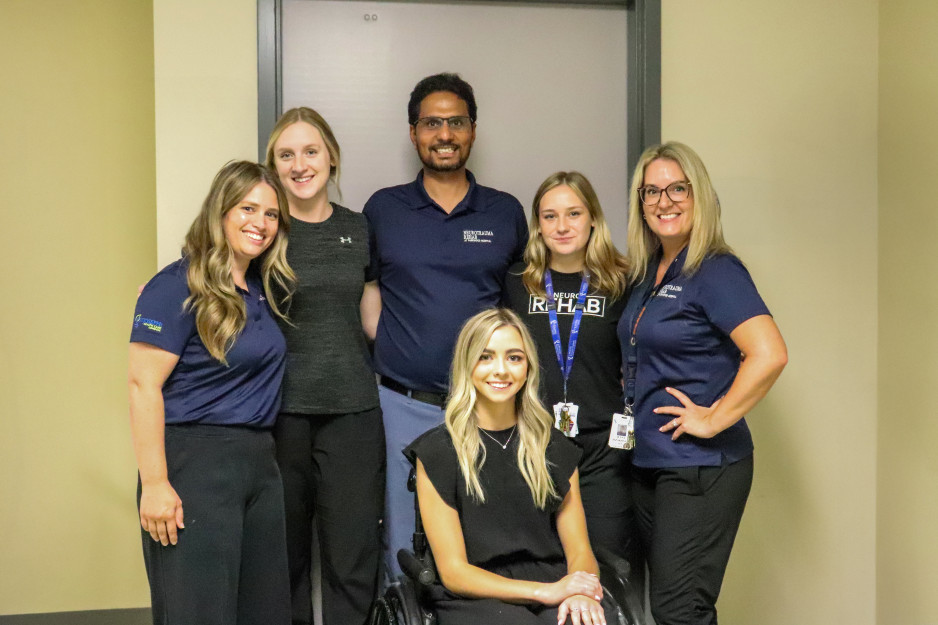
Throughout her care journey, St. Joseph’s expert and diverse care team have been at her side from her first day of inpatient care to each visit during her outpatient rehabilitation. They’ve been a vital support in her care and she describes her physiotherapists as welcoming and attentive, creating a positive environment where she feels comfortable expressing herself.
Rajender Rajender is a Physiotherapist in the Neuro Trauma Rehabilitation program who has been part of King’s care journey for the past four years. He remembers the early days, when she was learning to maneuver her wheelchair over gravel and other rough terrain.
“The best part has been seeing Sarah’s face when she realizes that she can do something. After setting her mind to it, even if it seems scary, she is incredibly motivated to succeed,” Rajender says. “And she does.”
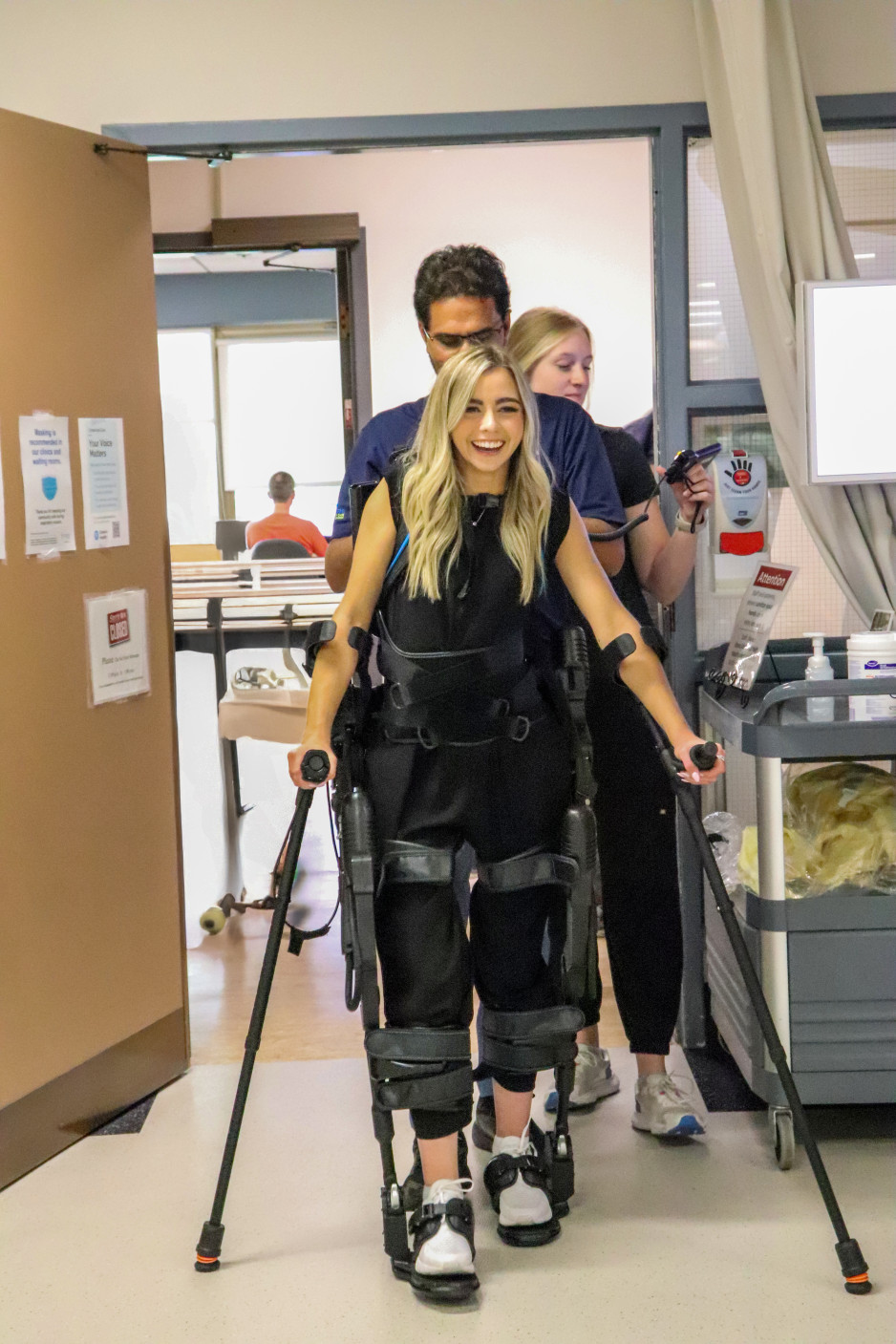
During her rehabilitation, King started to use advanced technology like the Ekso and Lokomat.
The Ekso is a wearable, battery-operated bionic exoskeleton that enables people with lower extremity weakness or paralysis to stand and walk on level surfaces. It has motors to move hip and knee joints that patients control on their own or with an external controller.
As a gait training device, it improves and restores mobility and independence in patients with a neurological or muscular injury, illness or weakness, under the supervision of a trained physiotherapist.
The Lokomat is a robotic medical device that provides physiological and intensive rehabilitative gait training for patients.
“She has the most recorded steps in the exoskeleton [of any patient],” Rajender says. “So she is very forward-focused.”
King credits these devices with improving her core strength, balance and bone density, all of which have enhanced her posture and mobility.
Since then, King has gained confidence to master other foundational skills critical to her mobility and navigating ramps—activities she once found terrifying. She’s also redeveloped skills that helped her regain her independence and confidence.

“Some days, the help I wanted wasn’t the help that I needed, and my team knew that,” King says. “They steered me in the right direction. They really pushed me to succeed, by encouraging me and giving me an environment where I felt safe and supported.”
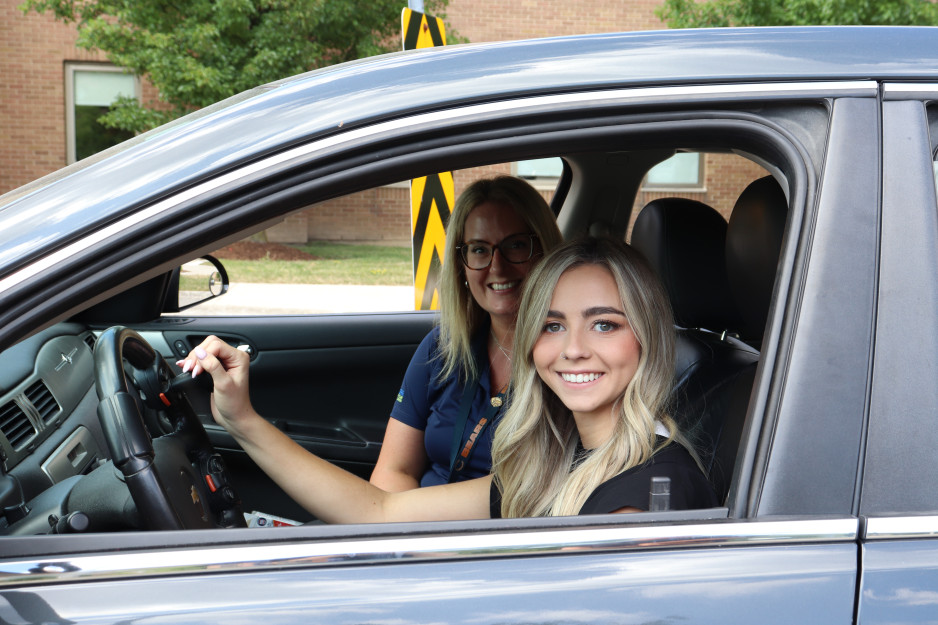
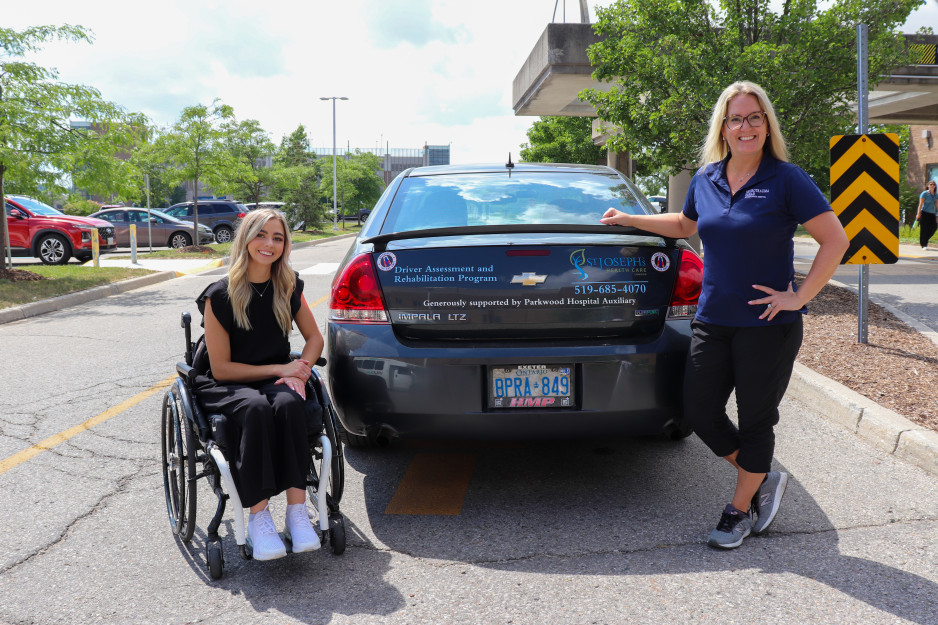
Emotionally, King faced isolation early on, feeling alone despite the presence of others. Meeting other patients her age helped her rebuild her spirit. Today, she drives, is active and no longer feels self-conscious in her wheelchair. She and her Golden Retriever, Chevy, love to spend time together, playing fetch.
King is deeply thankful to her care team for their constant encouragement and compassion. Their belief in her abilities helped her overcome fears and live an active, fulfilling life again.
“I wouldn’t be here without my care team,” she says. “I’ve been able to keep looking forward thanks to them.”
The 2025 Fall Dream Lottery
For almost thirty years, Dream Lottery has been an important source of funding for London’s hospitals to invest in patient care, equipment, research and education.
With more than $65 million raised in net proceeds, Dream Lottery has played an essential role in providing patients across southwestern Ontario access to excellent care and innovation.
Sarah King is serving as St. Joseph’s patient ambassador for the 2025 Fall Dream Lottery. Proceeds from each ticket sold will support the purchase of electric wheelchairs at St. Joseph’s Parkwood Institute, where they will aid in the care, rehabilitation and recovery of its patients.
Your Impact
Donors have the power to improve and even save lives. Your donations help St. Joseph's invest in healthcare innovation and discovery that would otherwise not be possible.
Read more donor impact stories