


Hard 'at work'
WSIB Ontario pledges $65.75 million for St. Joseph’s-led research to prevent and treat workplace injuries and illnesses
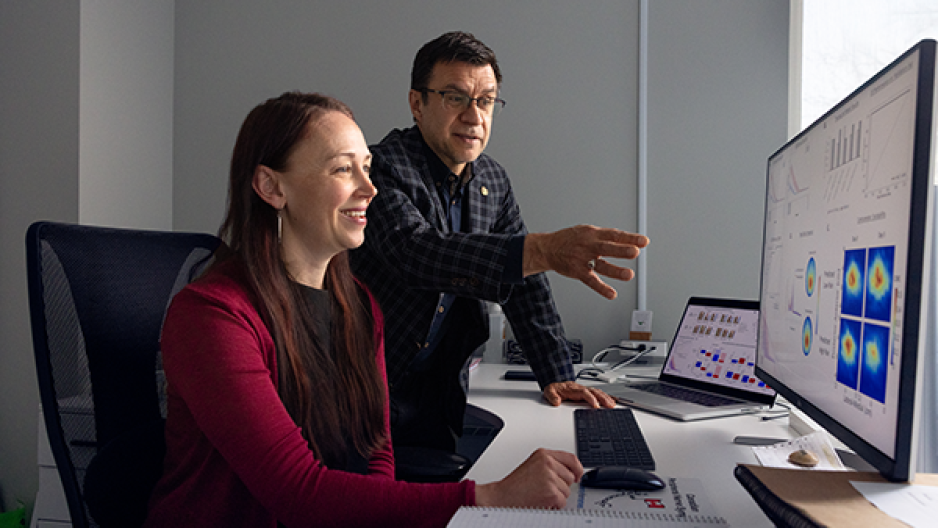
St. Joseph’s psychiatrist Dr. Don Richardson couldn’t reconcile what he was seeing in the Parkwood Institute Operational Stress Injury (OSI) Clinic with what he had always understood to be true.
“As psychiatrists, we always assumed that the longer you have PTSD, the less likely you are to respond to treatment,” says the clinic’s former medical director and current scientific director of the MacDonald-Franklin OSI Research Centre.
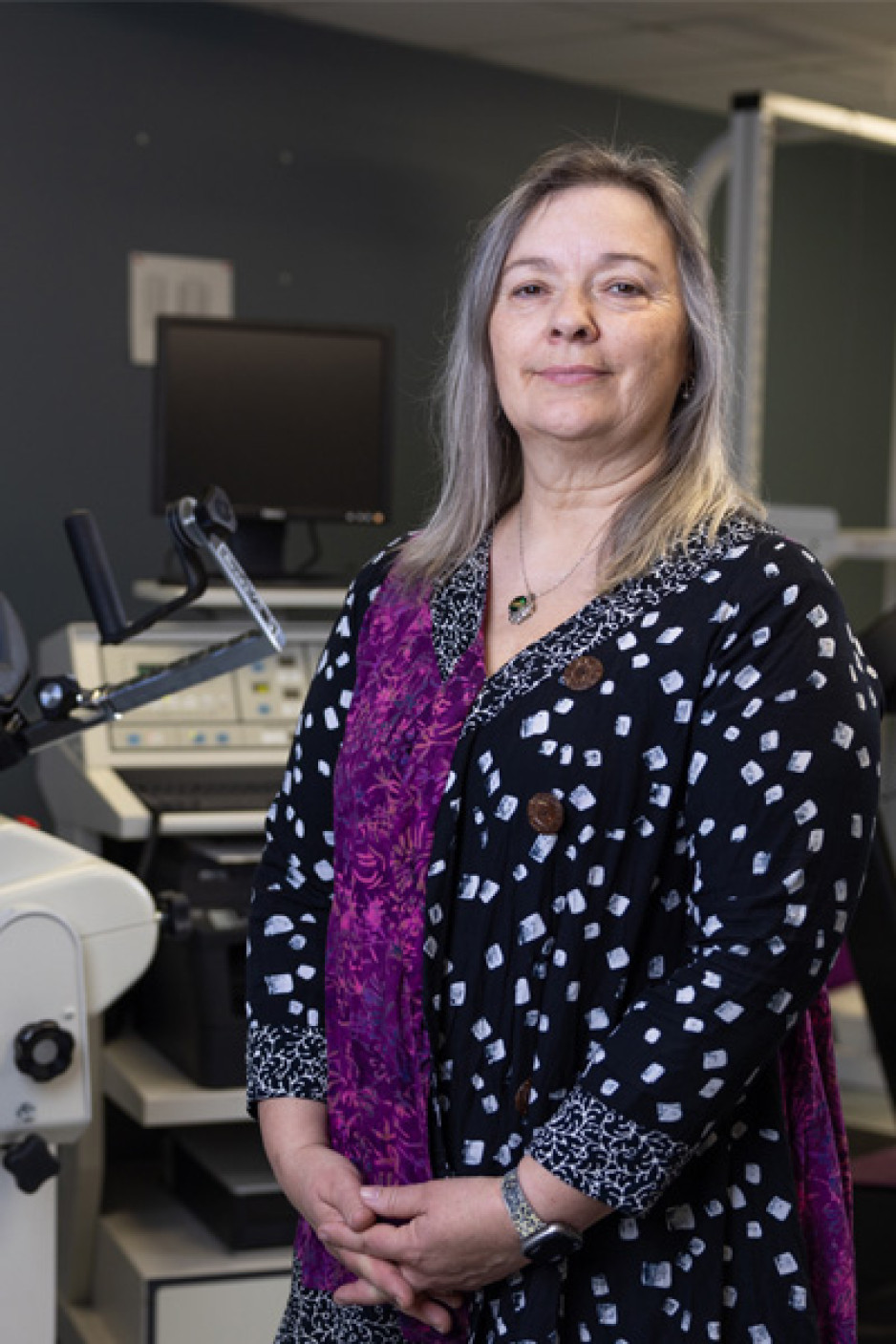
Caring for veterans of wars and conflicts decades apart, Dr. Richardson began to question whether this assumption was, in fact, accurate. He ultimately published a study that showed time is not a predictor of post-traumatic stress disorder (PTSD) treatment response. What does impact outcomes are other co-occurring health conditions, specifically depression.
“It’s rare for me to see someone who just has PTSD. It’s almost always PTSD and something else.”
And yet clinicians, nationally and even globally, typically provide care and conduct research in siloes, admits Dr. Richardson. “See me and I’ll diagnose and treat your PTSD and depression. Someone else will handle your chronic pain and a third care provider will manage your substance abuse disorder.
“You have one body. We need to collaborate and treat all three conditions together.”
Historic gift will create collaborative research network for workplace injuries
That’s primed to happen at St. Joseph’s thanks to a landmark $65.75 million investment by Ontario’s Workplace Safety and Insurance Board (WSIB). The 10-year investment announced in January 2025, will create a first-of-its-kind Occupational Injury Prevention and Treatment Research Network, where people, technology and science-based innovation will come together to help prevent and treat occupational injury and illness across Ontario and around the world.
This is the WSIB’s largest ever research injection, the largest non-government health research grant in London’s history and most significant single investment received by St. Joseph’s Health Care Foundation.
Work-related injuries and illnesses, including chronic pain, physical disability and mental health conditions, have a significant impact on Ontarians and their families, businesses, and health care and insurance costs. The WSIB registers approximately 250,000 claims with benefit payments of approximately $2.5 billion.
“We want fewer injuries to happen and, if they do, to be able to help people with a safe and faster recovery,” says Jeffery Lang, WSIB’s president and CEO. “This research is going to help get us there and, with their established expertise, the St. Joseph’s and Lawson Research Institute team are a natural partner for this important work.”
"We’re working hard so people can get back to work and the things they love sooner.” - Siobhan Schabrun, PhD
Leveraging strengths in chronic pain, mental health and upper extremities
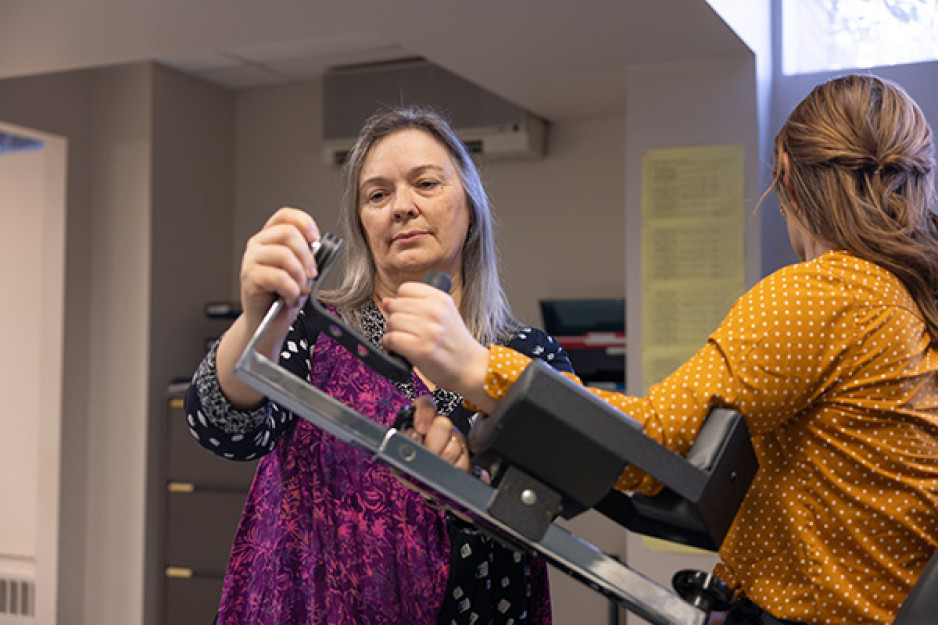
In addition to Dr. Richardson and the MacDonald-Franklin OSI Research Centre, the WSIB-funded network will include the Gray Centre for Mobility and Activity, the Roth ǀ McFarlane Hand and Upper Limb Centre (HULC) and the Pain Management Program, all specialty research areas at St. Joseph’s with deep roots in occupational injury and illness.
“This will be hugely transformational,” says Siobhan Schabrun, PhD, a chronic pain researcher and the William and Lynne Gray Research Chair in Mobility and Activity. “The investment will allow us to work better together, to answer the questions that intersect between the disciplines and get to the bottom of questions that speak to the whole person.”
She points to the example of transcranial magnetic stimulation (TMS), a non-invasive procedure that uses magnetic stimulation to regulate brain activity in people with treatment resistant depression. “How many Parkwood Institute patients receiving TMS for depression also have chronic pain and is the treatment impacting their pain or only their depression? Does treating one help improve the other?” Schabrun asks.
“You have one body. We need to collaborate and treat all of these conditions together.” - Dr. Don Richardson
This is just one type of question St. Joseph’s researchers hope to answer with the WSIB’s support.
New endowed chairs, imaging and virtual reality technologies
The grant will advance a variety of research projects aimed at better preventing, diagnosing and treating injuries and illnesses that commonly affect Ontario workers in the office and field, including first responders and members of the military. As part of that research, St. Joseph’s plans to purchase a PET/MRI scanner to help diagnose mental health conditions and establish a virtual reality suite to test new models of workplace injury rehabilitation.
WSIB will also endow three new research chairs to attract even more top-notch scientists to the St. Joseph network.
Personalized care to get people back to work faster
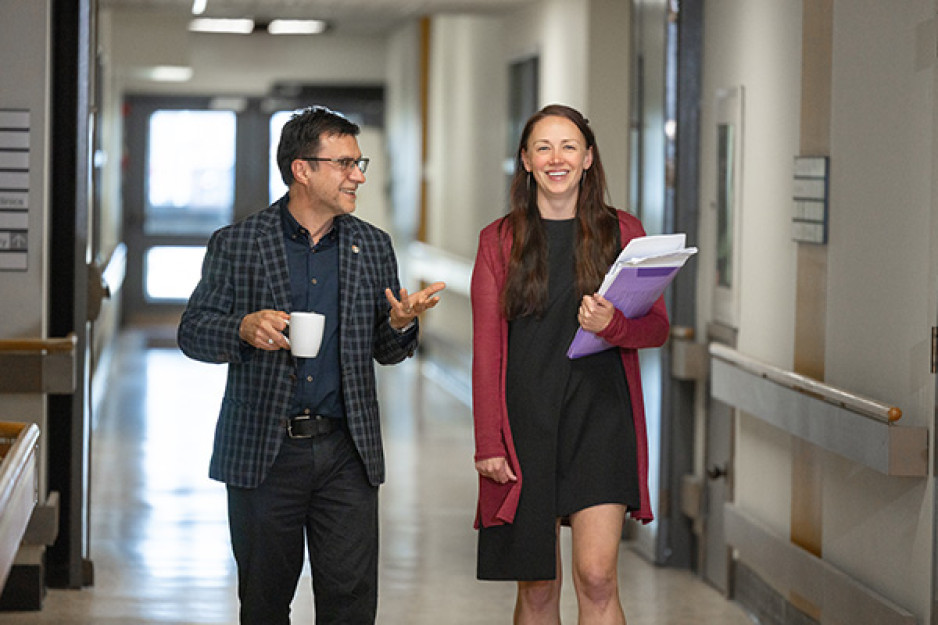
As a physical therapist and Co-Director of the Clinical Research Lab at HULC, Joy MacDermid, PhD, is also excited about the impact the investment will have on the development of new personalized treatment strategies. The Centre supports injured WSIB workers in a specialty clinic that combines research with a focus on timely recovery and safe return to work.
“We provide excellent care, but we also refer a lot of clients to private practice for rehabilitation because we don’t have the capacity to care for them,” she says.
MacDermid, who is also the Canada Research Chair in Musculoskeletal Health Outcomes and Knowledge Translation, wants to leverage the WSIB investment to care for more patients and expand HULC’s research leading to new, innovative models of injury prevention and treatment. She envisions enhanced remote care and smart wearable technologies that monitor how patients are rehabilitating at home or managing their work tasks.
Scaling up and sharing our findings
The WSIB gift will also allow St. Joseph’s clinicians to capture more sophisticated data on health problems, work performance, mental health and physical capabilities that will guide better treatment plans. Network researchers will be able to use the data to track trends, develop new therapies and make informed decisions about which treatments are most likely to benefit which patients.
In time, they hope to scale up their efforts to include data from other centres across the province and share what they’ve learned with practitioners, caregivers, employers, policymakers and organizations like the WSIB.
“Workplace musculoskeletal injuries and illnesses like chronic pain and depression are a worldwide problem,” affirms Schabrun. “Every discovery we make here in London will reverberate nationally and even internationally.
“We’re working hard so people can get back to work and the things they love sooner.”