


Search
Search
73 Search Results:
‘The scariest part is the uncertainty’ – New therapeutic tool proven effective for MS patients with mental health challenges
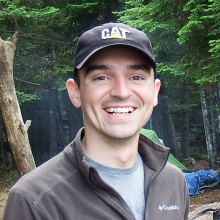
It was a diagnosis that came as a shock for 28-year-old Mitch Kuska who found out he had Multiple Sclerosis (MS) at the age of 26. “I went from being a young 26-year-old doing regular things, to having to learn about this disease and everything that goes along with it and how it will affect my life." Kuska, an avid cyclist, says knowing that one day he may not be able to physically do the things he loves has been the hardest part of his MS journey so far. “The scariest part for sure is the uncertainty, because I don’t know what the future holds for me. Before I could look into the future and feel for the most part that I would be healthy.”
Image
“It can be a stressful time for people as they have just been diagnosed with a chronic neurological disease that will last the rest of their life,” says Dr. Sarah Morrow, Neurologist and Associate Scientist at Lawson.
Image
As part of the study, 24 newly diagnosed RMS patients were recruited including Kuska. Participants were split up into two groups, either the treatment group or the control group. The treatment group took part in ten sessions of the Mindfulness Without Borders program.
Image
The participants were evaluated before the sessions and then six months later to see if there was a difference between the two groups. “Immediately after the sessions when we compared the two groups, those in the mindfulness were reporting better coping skills and less perceived stress, and their symptoms of depression had been reduced,” adds Dr. Morrow.
“During the study treatment, I definitely noticed myself being more mindful of my symptoms. Sensing little changes in my body and little feelings here and there,” explains Kuska. “I was more in tune with myself and I felt this mindfulness tool helped me get into the right mindset to start dealing with MS.”
Following these initial findings published in Multiple Sclerosis and Related Disorders, the London research team plans to examine them in a larger study. They are also working to examine if the use of mindfulness would be helpful for people who are in the more progressive stages of MS.
$1.2 million in federal funding to study women Veterans experiencing homelessness
A first-of-its-kind study led by Lawson Health Research Institute is receiving $1.2 million in funding from the federal government, delivered through the Veteran Homelessness Program, to better understand homelessness amongst women in Canada who are military Veterans.
“This is an important and yet often invisible problem,” says Dr. Cheryl Forchuk, Lawson Assistant Scientific Director based at St. Joseph’s Health Care London’s Parkwood Institute and the study lead. “This is the first Canadian study to focus exclusively on women Veterans’ experience of homelessness. Gender matters, especially when we’re talking about female Veterans who are homeless. If they’ve experienced sexual trauma or abuse or have children, and the only Veteran housing available is a group setting for men, that will be an issue.”
Dr. Forchuk and her team have begun travelling to cities and towns across Canada to conduct interviews with female Veterans experiencing homelessness or who have previously experienced homelessness. They will gather data such as demographics, history of housing and homelessness, and services accessed. The team will also host focus groups with homeless- and Veteran-serving agency staff. The locations have been selected in partnership with The Royal Canadian Legion and other Veteran-serving groups, focusing on areas with pockets of female Veterans experiencing homelessness.
“We will also explore the pathways and experiences of homelessness, what barriers are faced, what has been helpful and what future services should focus on,” adds Dr. Forchuk.
“This study is a vital step towards addressing the unique challenges faced by female Veterans experiencing homelessness,” says Peter Fragiskatos, Parliamentary Secretary to the Minister of Housing, Infrastructure and Communities and Member of Parliament for London North Centre on behalf of the Honourable Sean Fraser, Minister of Housing, Infrastructure and Communities. “By investing in research like this, we are making significant progress in understanding and improving the support systems for this population, contributing to the federal government's efforts to end homelessness among Veterans.”
“This significant investment reflects our dedication to addressing the issue of homelessness among female Veterans,” says Arielle Kayabaga, Member of Parliament for London West. “By supporting this pioneering study, we aim to uncover the specific barriers they face and develop targeted solutions that honour their service and ensure they receive the support they deserve.”
The goal of the four-year study is to ensure there is accurate data to inform gender-specific interventions and guidelines for policy, practice and care of female Veterans. Canadian Armed Forces Veterans make up a disproportionate percentage of those experiencing homelessness according to a 2018 report.
“It is clear that the circumstances surrounding this particular subset of our Veteran population are not well enough understood,” says Carolyn Hughes, Director of Veterans Services with The Royal Canadian Legion. “It is our hope that this project will help fill in some of those blanks and at the same time, further enlighten all of us who serve Veterans, so that we may provide even more timely and focused assistance when and where it’s needed most.”
St. Joseph’s Parkwood Institute has an embedded legacy of Veterans’ care, having originally been a Veterans’ hospital and now hosting a Veterans’ inpatient centre, the Operational Stress Injury (OSI) Clinic, as well as the MacDonald Franklin OSI Research and Innovation Centre. The research centre is recognized as Canada’s leader in mental health research dedicated to enhancing the lives and wellbeing of military personnel, Veterans and their families. The directors of the centre are co-investigators on the study.
For more information, please contact:
Debora (Flaherty) Van Brenk
Communication Consultant
St. Joseph’s Health Care London
C: 226-577-1429 or 519-318-0657
T: 519-646-6100 ext. 42534
@email
Scientist
Partners
$65.75M grant positions Lawson as Canadian leader in workplace-injury research
Massive investment by the Workplace Safety and Insurance Board (WSIB) to St. Joseph’s Health Care London is largest-ever grant to transform occupational illness and injury
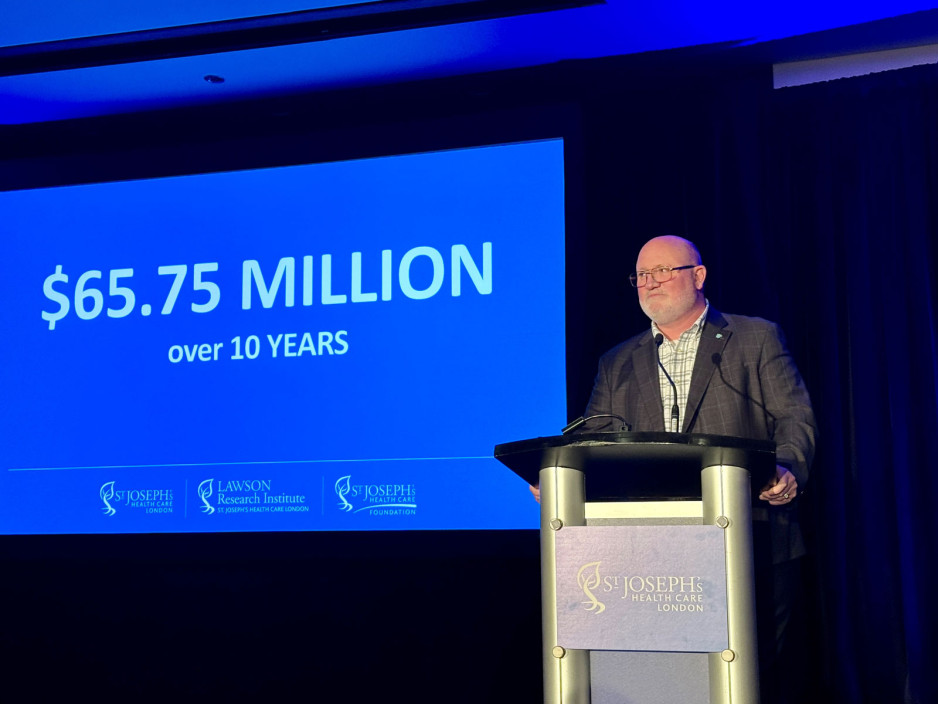
A “game-changer” investment of $65.75 million to Lawson Research Institute of St. Joseph’s Health Care London will transform the prevention, diagnosis and treatment of workplace injuries and illness for Ontarians.
The Workplace Safety and Insurance Board’s visionary 10-year commitment is the WSIB's largest-ever research injection; the largest non-government health research funding in London history; and the biggest single grant received and stewarded by St. Joseph’s Health Care Foundation.
The investment will launch the Occupational Injury Prevention and Treatment Research Network – a first-in-Canada hub where people, technology and science-backed innovation will help solve the human and health costs of occupational injury and illness across Ontario and around the world.
Landmark work, global leadership
“This is a game-changer, something that will transform how we work together to get ahead of work-related injury, pain and mental illness,” says Lisa Porter, PhD, Vice-President Research at St. Joseph’s and Scientific director of Lawson, the research arm of St. Joseph's.
“This investment will propel us to global leadership in finding solutions to some of the most pervasive issues affecting people in workplaces today,” Porter says.
Occupational injuries and illnesses – including chronic pain, physical disability and mental health conditions – accounted for more than 93,000 claims registered through the WSIB last year, with an average lost work time of 63.2 days.
Occupational injuries and illnesses – including chronic pain, physical disability and mental health conditions – have a significant impact on many people, families and businesses in Ontario. Every year they account for almost 250,000 claims registered through the WSIB, with benefit payments of approx. $2.5 billion.
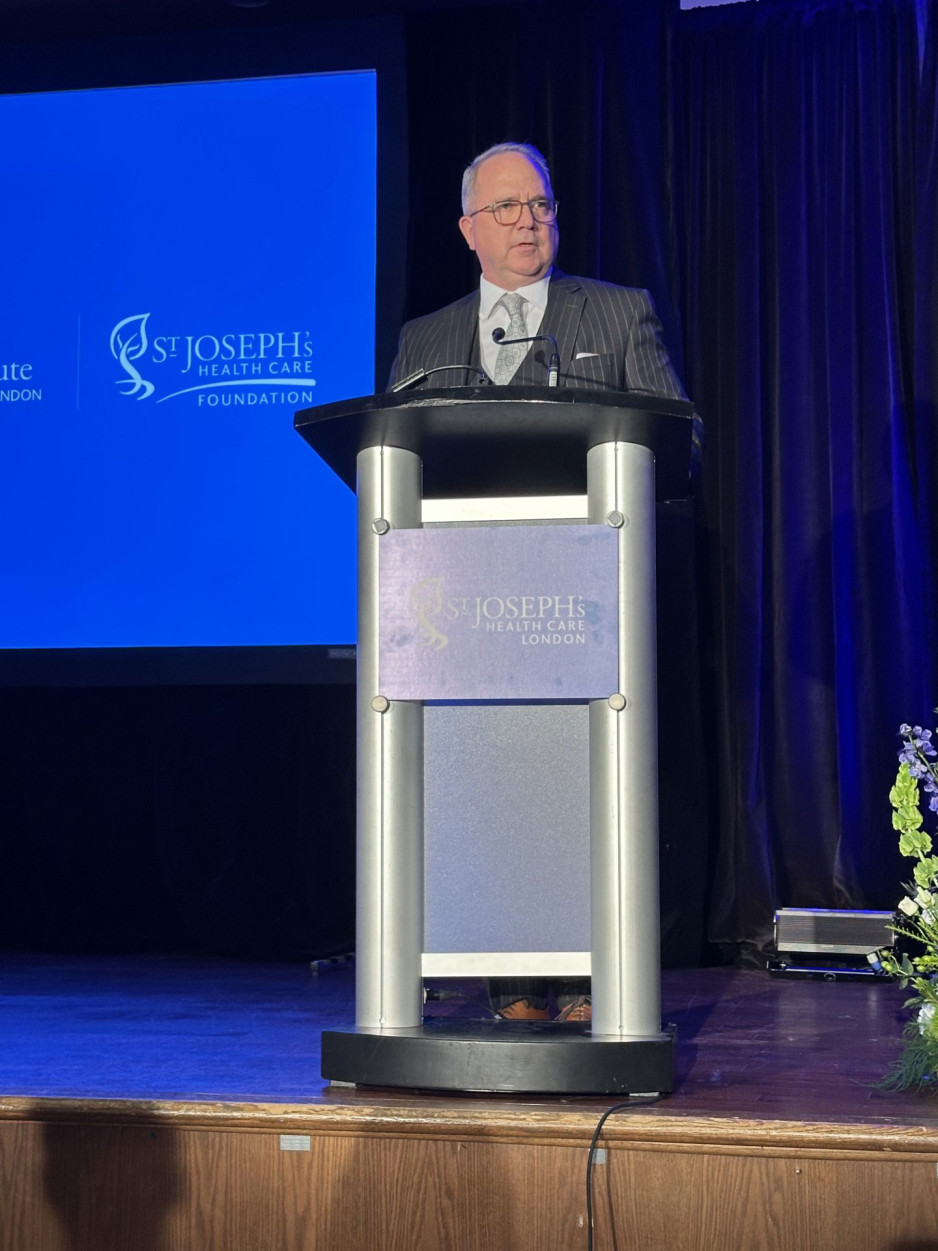
“Too many Ontario families experience the human cost of workplace injury,” says Jeffery Lang, President and CEO of the WSIB. “We want fewer injuries to happen, and if they do, to be able to help people with a safe and faster recovery. This research is going to help get us there and with their established expertise, the St. Joseph’s Health Care and Lawson Research Institute team are a natural partner for this important work.”
Investment and innovation
The network will innovate long-term solutions to prevent mental and physical injuries, accelerate recovery and ensure sustainable health for Ontario workers.
It will feature state-of-the-art infrastructure and expertise including:
- A first-in-Canada positron emission tomography/magnetic resonance imagery (PET/MRI) scanner dedicated to research into rapid and accurate diagnosis of mental health conditions including post-traumatic stress and depression
- A cutting-edge Computer-Assisted Rehabilitation Environment (CAREN), a unique, virtual-reality environment that will test and solve workplace injury, rehabilitation and chronic pain in new ways
- Three new endowed research Chairs and teams of scientists solving the most critical research questions plaguing people injured at work, an investment that will ensure long-term consistency and sustainability of the work
- Deploying technology in data science, artificial intelligence (AI) and virtual reality, making the network accessible by centres and workplaces across Canada
Rapid-access research area to design and test assistive devices such as splints and mobility technology
St. Joseph’s President and CEO Roy Butler says, “We know that discovery-driven, patient-focused research improves lives – that is the focus of our hospital-based research at Lawson, and we’re humbled that the WSIB has entrusted us to expand this vital work to minimize the effects of workplace injury, disease and disability. This significant investment will drive innovation opportunities that will translate into novel new treatments and tools that can be used to battle workplace injury and illness”
“This investment will enable us to leverage the deep expertise St. Joseph’s already has in mental health, chronic pain and rehabilitation, and creates the opportunity to expand our knowledge to support workplace wellness, including for frontline health-care workers,” Butler says.
Butler adds that the network will strengthen existing partnerships and create new collaborations – within St. Joseph’s as well as among a wide range of health professionals, researchers, post-secondary institutions and industry locally, across the province and nationally.
Butler notes St. Joseph’s already excels in research and treatment for related injuries and illnesses.
That includes: preventing and treating chronic pain through the hospital’s Pain Management Program and the Gray Centre for Mobility and Activity hand and upper limb care and injury prevention through the Roth | McFarlane Hand and Upper Limb Centre; advanced imaging expertise; and mental health solutions for veterans and first responders at the MacDonald-Franklin OSI Research Centre. All are specialty research areas of St. Joseph’s with deep roots in addressing occupational injury and illness.
A partnership of promise

Many groundbreaking research initiatives at St. Joseph’s have been made possible by generous supporters of St. Joseph’s, says Michelle Campbell, President and CEO of St. Joseph’s Health Care Foundation.
Medical research in Canada, including the research done in our hospitals, relies heavily on private funding. Donors to our foundation, invest in research because they know that innovation leads to better frontline care, and healthier communities,” Campbell says.
“It’s a partnership of promise, a confident stride toward better outcomes for patients. The WSIB’s gift through St. Joseph’s Health Care Foundation is a whole new level of leadership, and we’re proud to be integral to this transformation in workplace health,” says Campbell.
Earlier this year, the WSIB announced a $20-million gift to Fanshawe College to create a Centre of Excellence in Immersive Technology for Workplace Safety, primarily to help first responders and responders-in-training learn to prevent and treat occupation-related mental health issues such as PTSD, anxiety and depression.
The Network at St. Joseph’s broadens that work to bring research-specific innovation aimed at benefiting the physical and mental wellbeing and safety of workers in all occupations.
The new hub at St. Joseph's will make use of the institution’s vast community and research partnerships throughout London and across Canada, in multiple collaborations across a wide range of health disciplines.
2018 Scientist of the Year Award: Dr. Robert Teasell
Lawson scientist Dr. Robert Teasell is considered a global leader in neurorehabilitation research and has been instrumental in transforming clinical care in this area across Canada by ensuring that clinical practices are informed by the best available and up-to-date research evidence. In recognition of his accomplishments, he received the Scientist of the Year Award at the 2018 Lawson Impact Awards event this past spring.
Dr. Teasell leads the Collaboration of Rehabilitation Research Evidence (CORRE) research team at St. Joseph’s Health Care London’s Parkwood Institute. He is also the Medical Director of the Stroke Rehabilitation Unit at Parkwood Institute and has an active outpatient chronic pain practice.
He has led the development of three internationally renowned evidence-based reviews for stroke rehabilitation, brain injury and spinal cord injury, which are regarded as the three most comprehensive research syntheses in neurorehabilitation in the world. Dr. Teasell has advised and helped plan stroke care for all of Ontario’s 14 Local Health Integration Networks (LHINs) and six provincial healthcare systems. This is in addition to the many clinical guidelines and models of care he has helped develop and update.
Dr. Teasell also bridges the gap between research and clinical practice through collaborations between his research and clinical teams. His multidisciplinary Rehabilitation Knowledge to Action Project (REKAP) team received the 2014 Sandra Letton Quality Award for their quality improvement project designed to make Parkwood Institute a leader in stroke rehabilitation by improving care through implementation of best practices.
In addition to his neurorehabilitation research, Dr. Teasell has published extensively on chronic pain with a recent focus on the role of obsessive personality traits in determining chronic pain disability and coping abilities.
Drawing on his clinical and research expertise, Dr. Teasell has supervised many students and has been committed to developing the next generation of medical researchers.
“Dr. Teasell has been successful in a number of areas. Certainly in terms of publications and mentorship of students who have gone on and had very successful careers of their own. Despite a busy clinical schedule, he always makes a point of engaging with his research team every day. His staff and students really appreciate the opportunity to work with him,” says Dr. Cheryl Forchuk, Beryl and Richard Ivey Research Chair in Aging, Mental Health, Rehabilitation and Recovery, and Assistant Director, Lawson Health Research Institute.
Dr. Teasell has authored 335 peer-reviewed articles, as well as many other collaborative group peer-reviewed articles, book chapters, published abstracts, posters, presentations and monographs. He has also been the editor for 14 special journal editions and is on the editorial boards for Topics in Stroke Rehabilitation, Journal of Rehabilitation, and Pain Research and Management.
In 2016, he was invited to present the Ramon J. Hnatyshyn Lecture, the leading annual national stroke lecture at the Canadian Stroke Congress in Quebec City. In 2010, he received the Canadian Association of Physical Medicine and Rehabilitation Merit award for his many contributions to the field of physiatry. He was also awarded the Royal College of Physicians and Surgeons of Canada McLaughlin-Gallie Visiting Professor in 2012. This year he will be awarded the Post-Acute Stroke Award of Excellence from the American Congress of Rehabilitation Medicine and the National Stroke Association in the United States.
“I’ve received a lot of national and international awards but there’s nothing better than being recognized by your peers and particularly your peers in the city where you work. It’s been a nice acknowledgement of not just my work, but also the work by the whole research team and all the people who have supported me over the years,” says Dr. Teasell.
Scientist
2019 Innovation Award: Dr. Don Richardson
Dr. Don Richardson was recognized at the 2019 Lawson Impact Awards for his research and innovation in working with veterans with military-related post-traumatic stress disorder (PTSD). His study titled, “Predicators of Long-Term Treatment Outcome in Combat and Peacekeeping Veterans with Military-Related PTSD,” was recently published in the Journal of Clinical Psychiatry.
Throughout Dr. Richardson’s career, he has worked diligently to develop and implement best practice assessment and treatment guidelines for Canadian Armed Forces (CAF) members and veterans. He has developed and maintained two clinical research databases ̶ a database of self-reported health status, by working with patients at the Operational Stress Injuries (OSI) clinic, and a treatment outcomes database. Through this data, he has demonstrated that military trauma populations are complex and are at greater risk of becoming resistant to treatment than most civilian trauma populations.
“Don is extremely deserving of this award,” says Dr. Cheryl Forchuk, Dr. Richardson’s nominator. “When I think of someone who does a great job of linking together research and clinical practice, Don is always someone who comes to mind.”
The treatment outcomes database gives researchers unparalleled insight into the pharmacologic interventions best suited for CAF members and veterans. With the ability to identify when individual patients are experiencing less-than-optimal outcomes, the research team can adjust their treatment plan accordingly.
Over the past 20 years, Dr. Richardson has published over 40 peer-reviewed manuscripts and book chapters on the assessment and treatment of operational stress injuries, PTSD, major depressive disorder, substance use disorders, and suicidal behaviour. He has elevated awareness for the unique mental health challenges faced by CAF members and veterans who present with operational stress injuries.
In light of Dr. Richardson’s findings, he works to assess the current treatment modalities for PTSD, their utility for treating military populations, as well as complementary therapies that may prove beneficial.
Dr. Richardson’s dedication to military mental health research is evident through his unwavering effort and has attracted the attention of many prominent figures in the field of military and veteran health. In 2017, he was granted the opportunity to build a research and innovation center for advancing military and veteran health research and clinical practice. Through a generous donation from two community peers, Dr. Richardson established and leads the Macdonald/Franklin OSI Research Centre, located at Parkwood Institute.
“It is certainly an honour to receive this award,” says Dr. Richardson. “I wish to thank all of my clients for taking the time to fill out the repeated questionnaires, as well as the research staff who support this program, and who work tirelessly to help our CAF members and veterans.”
Scientist
A “safety net of relationships” to bridge the gap between hospital and community at discharge
A beneficial and cost-effective approach to mental health care that supports people as they go from hospital and back into the community is outlined in a new resource and has been recognized internationally by the World Health Organization (WHO).
"The immediate period after discharge from hospital, usually the first month, can be one of the most vulnerable times in the life of someone experiencing a mental illness. It can be when they are most at risk of committing suicide,” explains Dr. Cheryl Forchuk, Assistant Scientific Director at Lawson Health Research Institute. “However, what we’ve seen is that there’s often a gap between when someone says ‘goodbye’ to the hospital inpatient unit and ‘hello’ to the community care provider.”
During a virtual book launch, a research team from Lawson and several community organizations discussed details of a new publication from Routledge, From Therapeutic Relationships to Transitional Care: A Theoretical and Practical Roadmap, edited by Dr. Forchuk. The book combines theory, research and best practices into a “roadmap” for organizations and others worldwide coordinating services or studying mental health care systems. It includes a practical toolkit for implementing the Transitional Discharge Model (TDM), developed and tested in communities across Ontario.
Purchase your copy of the book HERE and enter promo code SMAO3 at checkout for a 20% discount.
Image

How Transitional Discharge works
TDM was born from a participatory action project with consumers of mental health services. They identified two factors that were most important to them when they were going from hospital to the community: consistency in therapeutic relationships and a supportive peer friendship.
It became known as a “safety net of relationships” that would bridge the gap between hospital and community services.
As a person-centred, evidence-based model, transitional discharge supports a smooth adjustment from hospital to community in two main ways:
- The inpatient staff continue to care for discharged clients until therapeutic relationships are established with community care providers.
- A friendship model of support with trained peer support workers who have lived experience of mental illness as they have made the same journey.
Image

Perspective of a TDM client and peer support coach
Lance Dingman was a TDM client during the early phases of the project. “It makes a big difference when you’re able to get back to living in the community and in your own dwelling. You get to make more of your own decisions and learn about what you want to do. You grow with your experience and the guidance of others who are there to support you.”
Later becoming a peer support coach, Dingman feels implementing TDM for mental health care is important because people can learn from each other and get healthier in the process. “As a peer support worker, I sit with people and they tell me their story. It takes me back and I know what they are going through – I was where they are. I can share my own story and tell them what I did to get better.”
Cost-analysis and savings for the system
Dr. Forchuk’s team analyzed the cost of TDM after being tested in nine hospitals across Ontario, including London Health Sciences Centre and St. Joseph’s Health Care London.
- On average, the length of stay in hospital was reduced by almost 10 (9.8) days per admission.
- Each site saved approximately $3.3 million per year.
“People can return home sooner because a higher level of care and support is in place when they leave hospital. If all hospitals in Ontario with mental health services were able to implement our transitional discharge model, we would save $60 million per year in hospital stay costs alone while providing enhanced mental health care.”
International implementation
In Scotland, the parliament has already declared TDM as a best practice after demonstrating a significant reduction in readmission rates.
The TDM approach is now considered a “good practice” by WHO and was recently the only Canadian example included in its Guidance on community mental health services: Promoting person-centered and rights-based approaches. This set of publications provides information and support to all stakeholders who wish to develop or transform their mental health system and services to align with international human rights standards including the UN Convention on the Rights of Persons with Disabilities.
Scientist
Addressing the impacts of the COVID-19 pandemic
As the COVID-19 pandemic has continued for a year and a half, many people from all walks of life are feeling the impacts especially when it comes to their mental health and wellbeing.
Hospital researchers through Lawson Health Research Institute, along with its hospital partners, have been studying the impacts for some key groups.
Health care workers have been at the forefront of the pandemic. These heroes have worked tirelessly through every wave and continue to provide excellent care to their patients and community. Dr. Kamia Honarmand, Critical Care Physician at London Health Sciences Centre (LHSC), remembers the stress that she and her colleagues were feeling, and know that something needed to be done.
“Our team wanted to better understand the impact of the pandemic on the lives of health care workers, both personally and professionally, and understand how they were coping when it came to their mental health,” says Dr. Honarmand who is also an Associate Scientist at Lawson. “There was a lot of reasons to be stressed even before the height of the first wave in our region. There was a lot of anxiety. The hospital wanted to find ways to support health care workers and identify resources that would assist them.”
Image

Dr. Kamia Honarmand, Critical Care Physcian at LHSC and Lawson Associate Scientist
Frontline health care workers across the region were invited to take part in an online survey about their experiences during the pandemic. “We looked at both the impacts and the preferred coping strategies, and what supportive strategies they would like to have in the hospital in the future.”
The Veterans Care Program located at Parkwood Institute, a part of St. Joseph’s Health Care London, provides complex continuing and long-term care for Canadian war Veterans. Dr. Don Richardson, Director of the MacDonald Franklin OSI Research Centre at Parkwood Institute, has been treating and studying mental health among Veterans for many years. He believed this was a group was likely to be affected by the pandemic in unique ways.
“We know that Veterans in general are at a higher risk for depression, anxiety and PTSD,” explains Dr. Richardson, who is also a Scientist at Lawson. “We also knew the pandemic and forced restrictions would have significant impact on Veterans and their families who would be more isolated than they already are.”
More than 1,100 Veterans and around 250 spouses were recruited for the study, completing an online survey every three months for 18 months.
The study is still ongoing, but Dr. Richardson says the initial data has been telling. “We have been able to analyze some of the preliminary data and what we have found is that almost 50 per cent did not indicate their mental health had worsened during the pandemic but 40 to 50 per cent have had difficulty accessing care.”
Image
Dr. Don Richardson, Director, Macdonald Franklin OSI Research Centre
The hope is that this study will lead to better preparedness in the future to safeguard the mental health of Veterans and ensure their access to care during a pandemic.
Many people have felt isolation during the pandemic, but that feeling may have even more of an impact for youth suffering from mood and anxiety disorders.
Dr. Elizabeth Osuch, Director of the First Episode Mood and Anxiety Program (FEMAP) at LHSC says the pandemic-led lockdown forced more than a hundred mental health clients out of in-person services.
Image
Dr. Elizabeth Osuch, Director of FEMAP and Lawson Scientist
“They lost their resources for mental health services and support as soon as the quarantine was announced,” shares Dr. Osuch, who is also a Scientist at Lawson. “We were concerned that it would be devastating to people – and to some people it was. We wanted to make sure they had an avenue to connect with the program.”
Dr. Osuch and the FEMAP team created an online research platform to find out how patients were doing by having them fill out a symptoms and function questionnaire.
“We have analyzed the first wave so far and it shows that male patients were doing better and female patients were doing worse, which was a surprise. One of the risk factors for not doing well was the loss of their job.”
The pandemic added an extra layer of stress and worry for women who were having a baby.
“This has been an enormous and pivotal time for everyone in the world,” says Dr. Genevieve Eastabrook, Obstetrician-Gynecologist at LHSC. “The experiences during pregnancy and post-partum for both the birthing person and their baby can have effects later in life for children. For example, their overall cardiovascular and metabolic health, bonding experiences and the risk of mood disorders.”
Dr. Eastabrook, who is also an Associate Scientist at Lawson and Assistant Professor at Western University’s Schulich School of Medicine & Dentistry, is working with a team to examine the effects the pandemic may be having for mothers and their babies. As part of the study, the London research team is using an approach called ‘One Health’ which offers a holistic perspective to explore how various risk factors and social determinants of health interact.
Image
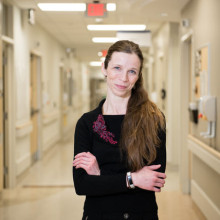
Dr. Genevieve Eastabrook, OBGYN at LHSC and Lawson Associate Scientist
“The unique aspect is that we have a comparative group to see if there are differences in markers such as risk of depression, perceived stress and social supports,” adds Dr. Eastabrook.
Study participants are asked to complete a 30-minute questionnaire at around 6-12 weeks after their delivery. The research team is still recruiting patients for this study.
Scientist
Advancing research during the COVID-19 pandemic
From the moment the COVID-19 pandemic was declared in March 2020, our teams at Lawson Health Research Institute have been at the forefront. Researchers at London Health Sciences Centre (LHSC) and St. Joseph’s Health Care London immediately began to work towards understanding the new virus in an effort to discover lifesaving health-care solutions.
To date, dozens of research projects have been advanced through Lawson with some receiving international attention as ‘world firsts’. As we mark the three-year anniversary of COVID-19 being declared a global pandemic by the World Health Organization (WHO), we share with you COVID-19 research highlighted over the past year.
Study finds acute kidney injury associated with severe COVID-19 leads to high mortality rates
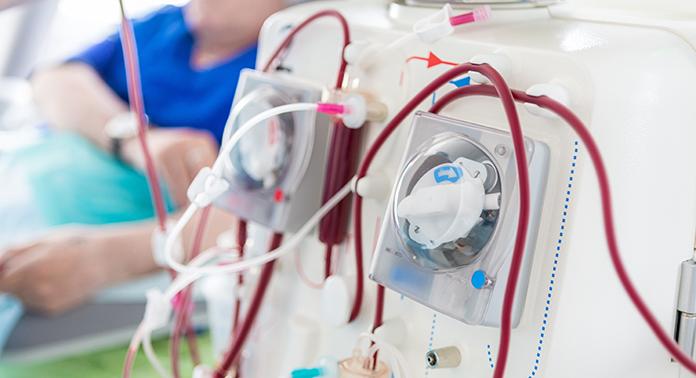
Severe cases of a COVID-19 infection can cause a host of serious complications, including acute kidney injury. In a published study, scientists at Lawson found that acute kidney injury in patients with a severe COVID-19 infection leads to a high mortality rate.
By accessing data collected through the Ontario Renal Network (ORN), Dr. Peter Blake, Lawson Researcher and Provincial Medical Director at the Ontario Renal Network, and his colleagues examined 271 people at 27 renal programs across the province, including patients at LHSC, who received dialysis for acute kidney injury due to a COVID-19 infection. Read more.
Study shows a decline in Veterans’ mental health throughout the pandemic

In published findings from Lawson, more than half of Canadian Veterans reported a decline in their mental health over the course of the COVID-19 pandemic.
When it comes to mental health conditions, Veterans are an at-risk population, often having higher rates of depression and post-traumatic stress disorder (PTSD). When the COVID-19 pandemic hit, scientists at Lawson wanted to understand its effects on this already at-risk population.
To examine the potential impacts the research team launched a longitudinal study recruiting Canadian Veterans and spouses of Canadian Veterans. Participants complete online questionnaires every three months, with questions focused on mental health and virtual health care services. Read more.
Virtual care associated with significant environmental and patient cost savings
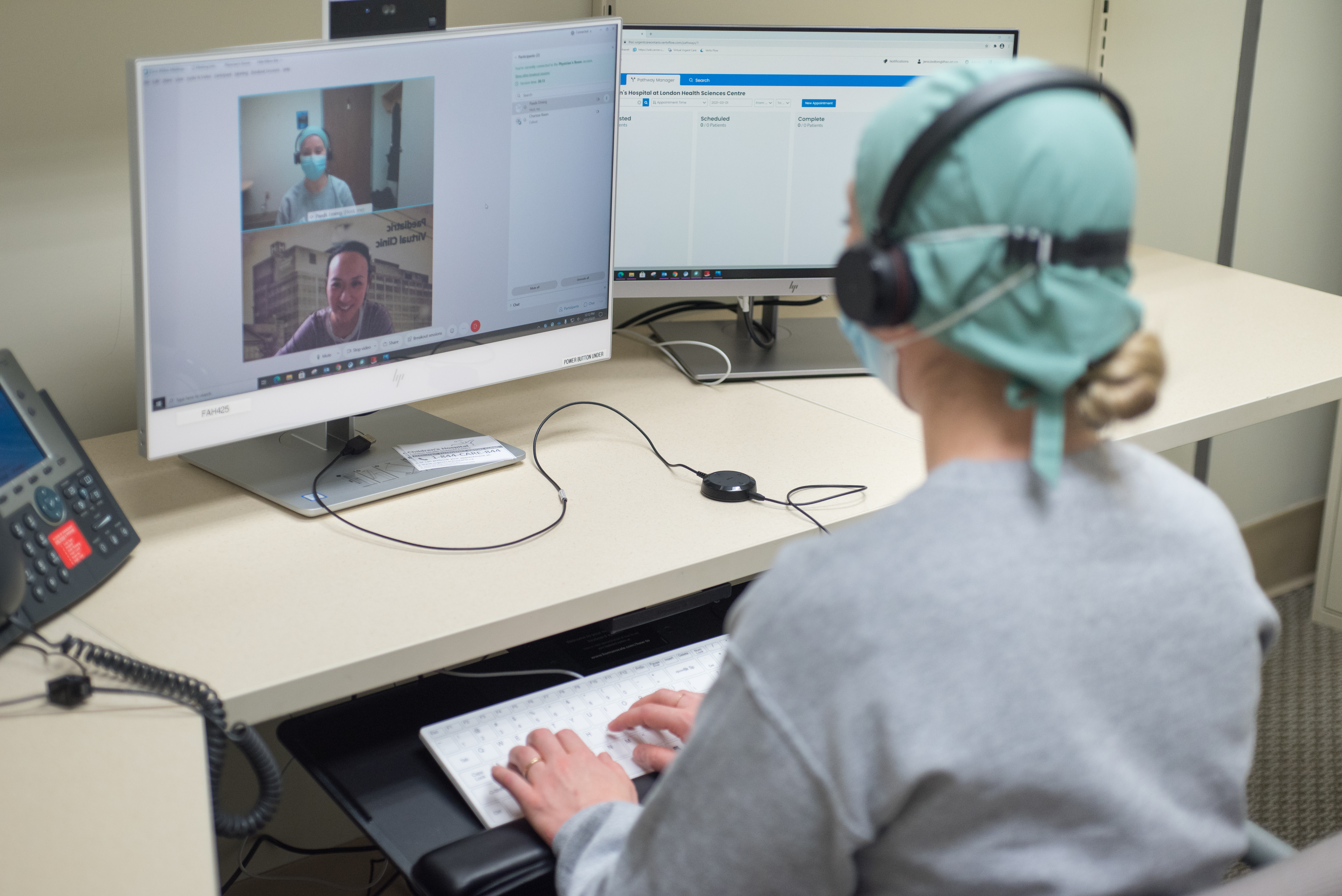
A study published in JAMA Network Open by researchers at ICES, Lawson and Western University found that virtual care during the COVID-19 pandemic led to a significant reduction in carbon dioxide emissions and patient travel-related expenses, such as gasoline, parking or public transit costs.
Findings show that for more than 10 million patients with at least one appointment during the study period (63 million visits in total), virtual care was associated with estimated savings of:
• 3.2 billion kilometers of patient travel;
• 545 to 658 million kilograms of carbon dioxide (CO2) emissions; and
• $569 to $733 million (Canadian [US $465-$599 million]) in expenses for gasoline, parking, or public transit. Read more.
London researchers discover novel method to diagnose long COVID
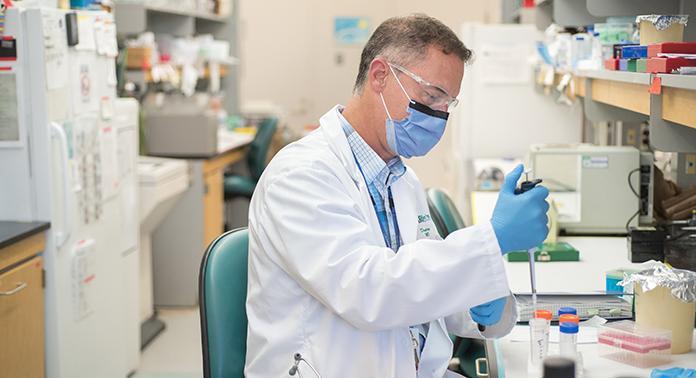
Published in Molecular Medicine, researchers at Lawson found that patients with post-COVID-19 condition (long COVID) have unique biomarkers in their blood. The team is now working on developing a first of its kind blood test that could be used to diagnose long COVID. The discovery could also lead to new therapeutics for this condition.
The researchers studied 140 blood samples from participants at LHSC and St. Joseph’s Health Care London, including St. Joseph’s Post-Acute COVID-19 Program. Participants were those with presumed long COVID, hospital inpatients with acute COVID-19 infection and healthy control subjects. Read more.
Researchers are combining new technologies to examine blood proteins in COVID-19 patients
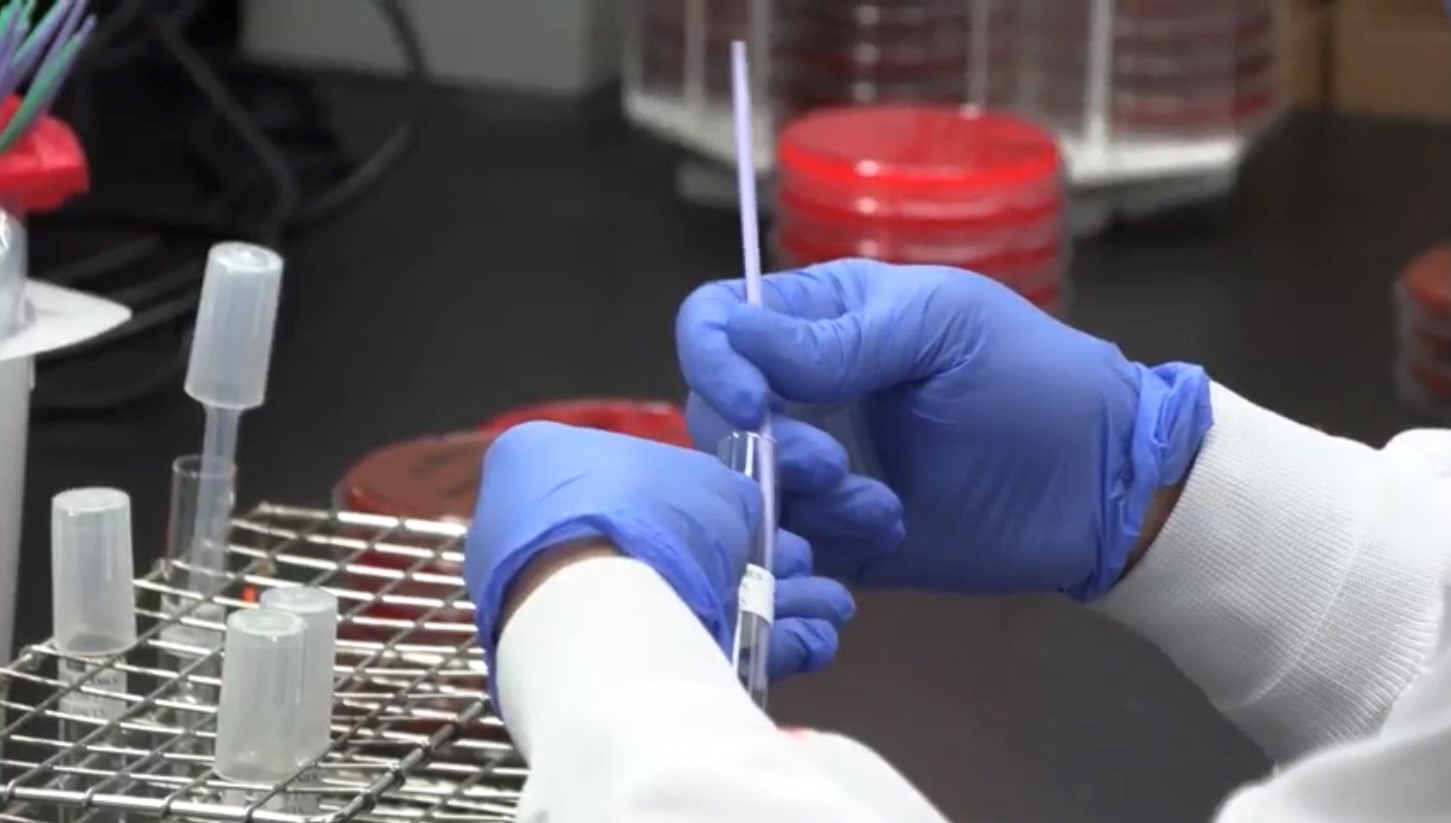
Published in the Journal of Cellular and Molecular Medicine, a team at Lawson discovered unique patterns of blood plasma proteins in critically ill patients that may help develop a more personalized approach to treating severe COVID-19.
Called the plasma proteome, the proteins studied are released by cells that often play an important role in the body’s immune response to viruses. The research team studied how they adapt and change to a COVID-19 infection. Read more.
Media Contact
Celine Zadorsky
Senior Media Relations Consultant
Communications & Public Engagement
T: 519-685-8500 ext. 73502
Celine.zadorsky@lhsc.on.ca
Advocating for health research during “H on the Hill”
HealthCareCAN held its third annual Lobby Day “H on the Hill” event on Parliament Hill in Ottawa, on Tuesday, October 30, 2018.
Canada’s hospital CEOs and vice presidents of health research joined HealthCareCAN - the national voice of Canada’s healthcare organizations, community and research hospitals - to meet with MPs, Senators and senior government staff.
Collectively, they issued a call for federal action to unlock the tremendous economic potential of the health and life sciences sector to support better health for Canadians.
Dr. David Hill, Scientific Director for Lawson and Integrated Vice President of Research for London Health Sciences Centre and St. Joseph’s Health Care London, participated in the lobby day. Dr. Hill currently sits on the Board of Directors for HealthCareCAN.
Image
Image

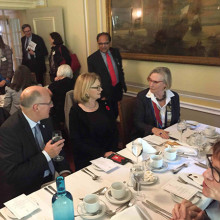
“Minister of Crown Indigenous Relations @Carolyn_Bennett, Parliamentary Secretary for Science, Sport, and Accessibility @KateYoungMP, and Dr. David Hill, catching up over lunch at #HontheHill #CDNpoli #CDNhealth”
Image

Meeting participants stressed the need for action on HealthCareCAN’s recommendations for the 2019 federal budget, specifically:
- Setting a minimum 25% funding floor for the indirect costs of research under the Research Support Fund;
- Granting eligibility to federal infrastructure funding competitions to healthcare organizations, and;
- Investing in digital health platforms to support care, training, and research in healthcare organizations.
Diverse areas of the health and life sciences sector and key health issues were discussed, including:
- Health and science research, granting councils;
- Hospital infrastructure;
- Health innovation;
- Electronic health technology;
- Opioid crisis response;
- Mental health;
- Aboriginal health; and,
- Home care.
Read Dr. Hill’s recent column in Hospital News on bridging the gap from discovery to patient care.
Image

HealthCareCAN provides high-quality policy research advocacy and leadership development services to our members while championing healthcare system transformation in Canada. Visit www.healthcarecan.ca to learn about our solutions to health and healthcare challenges. Follow us on Twitter: @HealthCareCAN
Scientist
An innovative year: Top 12 research stories of 2023
It’s been another year of transformational research at Lawson Health Research Institute. Our teams have published groundbreaking findings and launched new studies that will have a profound impact on patient care.
The following are 12 highlights of research and innovation from across London Health Sciences Centre (LHSC) and St. Joseph’s Health Care London (St. Joseph’s). From trialing new cancer treatments to advancing understanding of mental health, our research teams have achieved a number of important milestones.
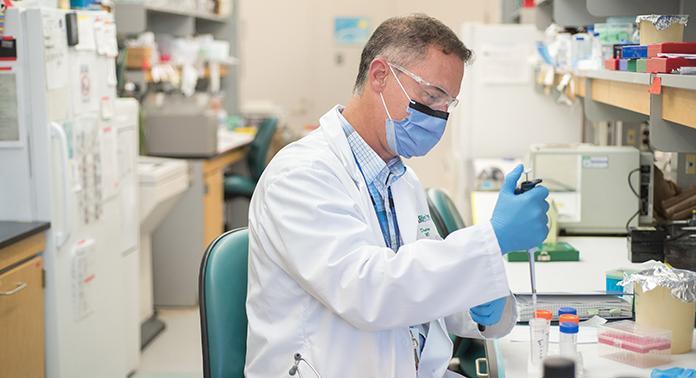
1. New study suggests blood plasma proteins hold answers to better understanding long COVID
Lawson researchers continued to advance understanding of COVID-19 this past year. In one study, researchers found that unique patterns in blood plasma proteins of patients with suspected long COVID could act as a drug target to improve patient outcomes. Read more.
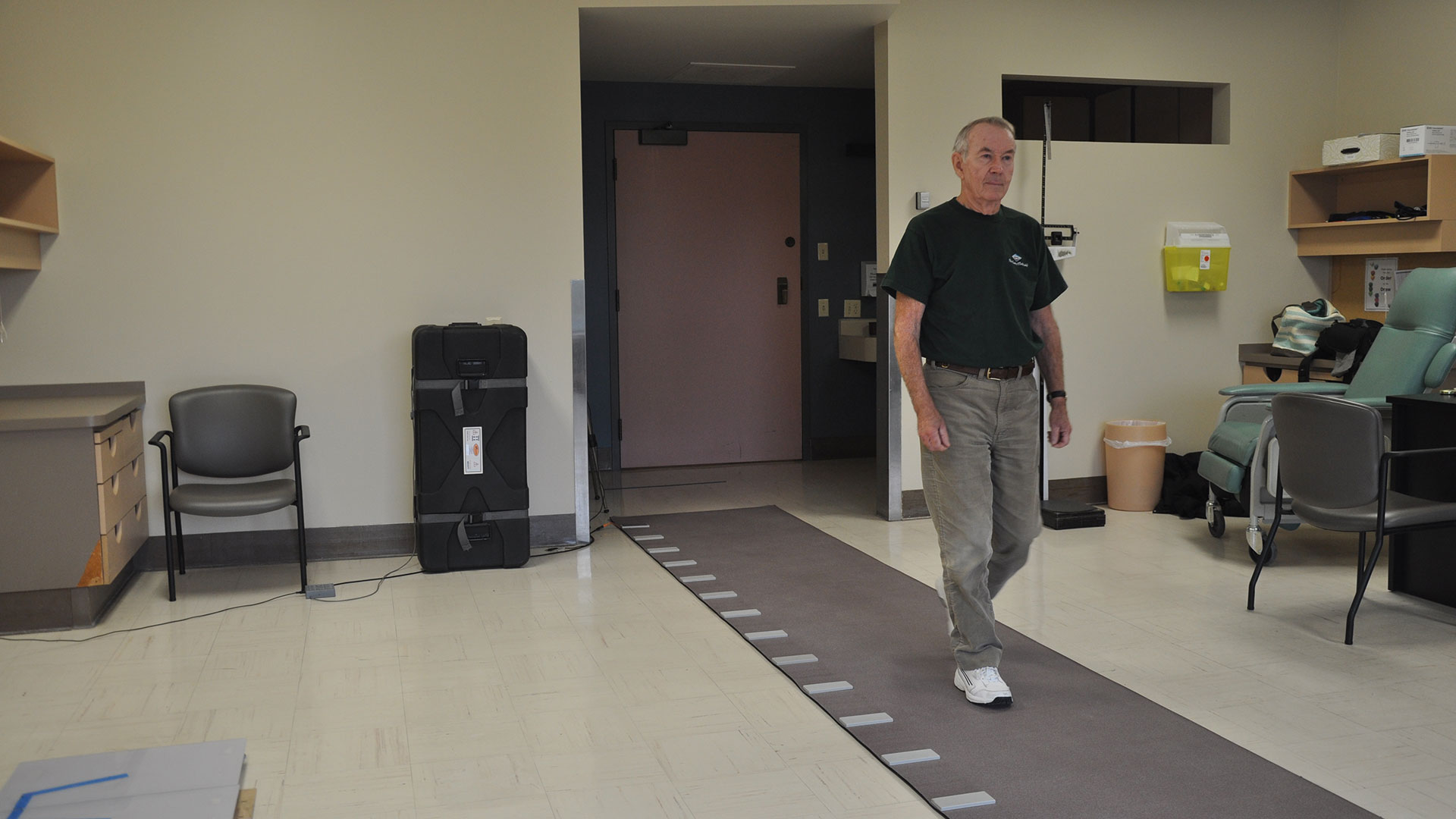
2. New study finds exercise, cognitive training combo boosts mental sharpness in seniors
A study from Lawson and Western University found that a combination of computerized cognitive training and aerobic-resistance exercises can improve functions like memory, attention, recognition and orientation in older adults with mild cognitive impairment. The results suggest a new way to address declining mental sharpness in older adults. Read more.
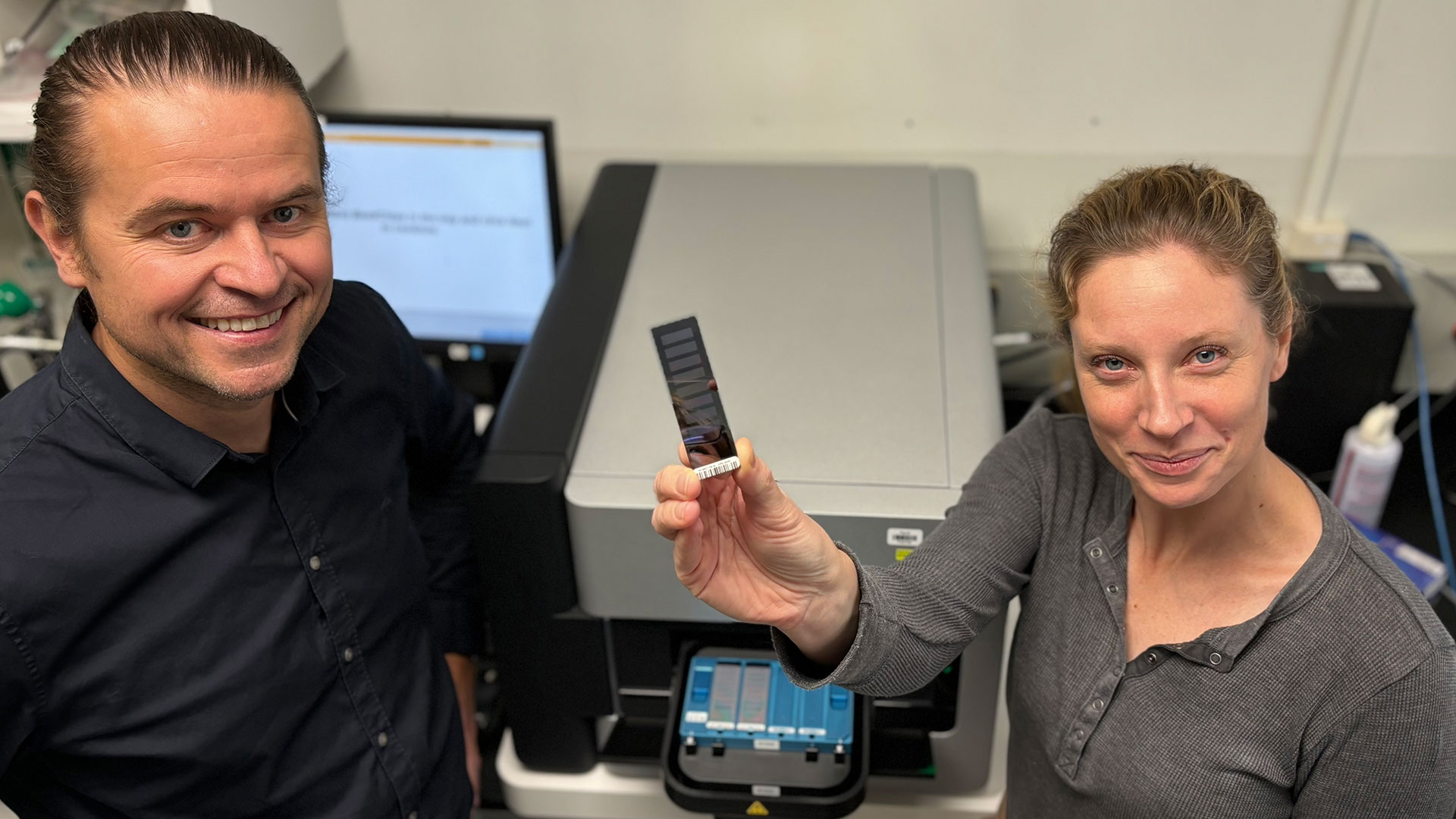
3. $7.55 million in funding to take LHSC-developed technology global
Technology to diagnose rare genetic disorders developed by researchers at Lawson and LHSC will be going global thanks to $7.55 million in funding from Genome Canada grant and Illumina Inc. The new artificial intelligence-led technology could allow rare diseases to be diagnosed with a simple blood test. Read more.
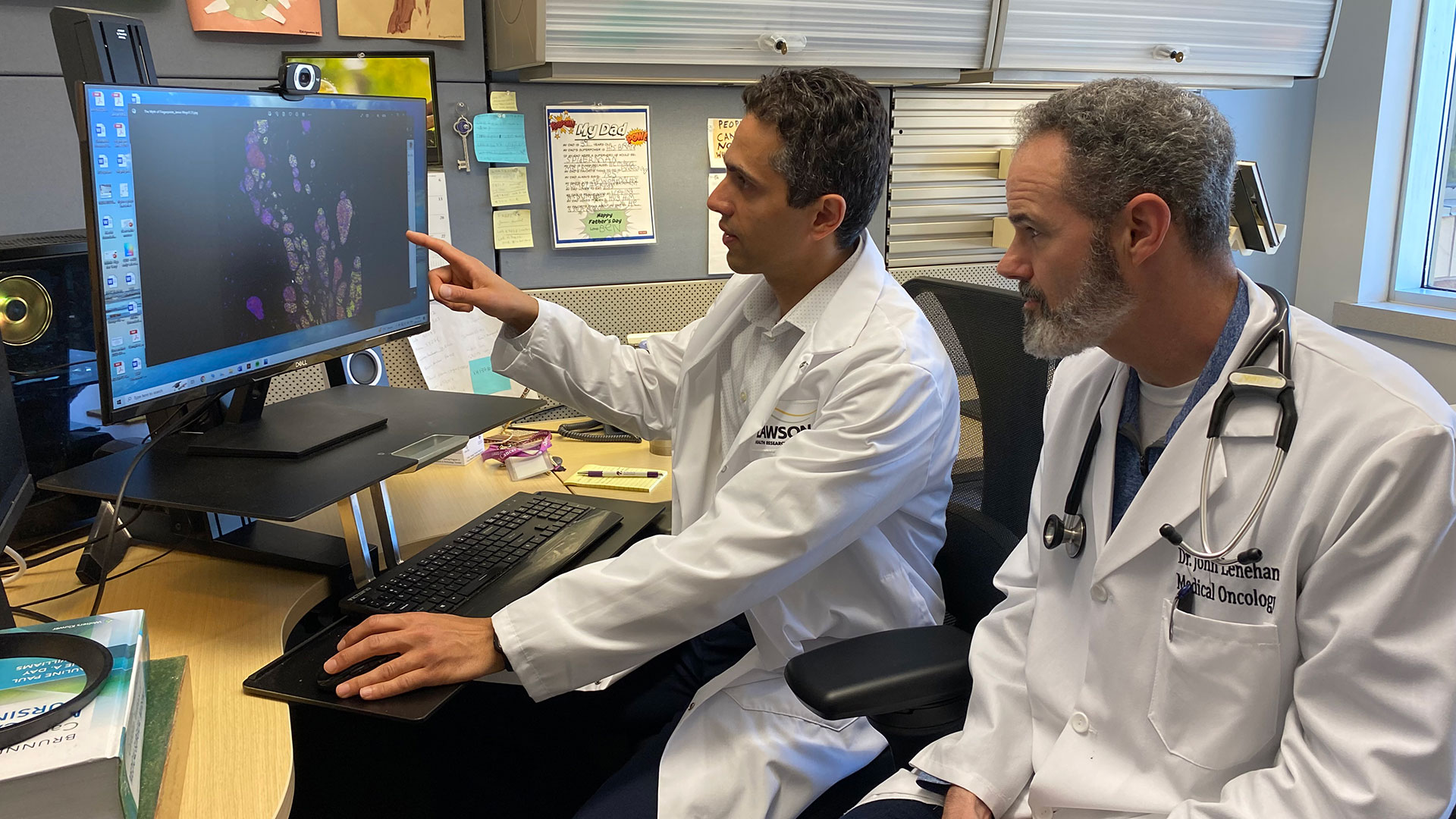
4. Fecal transplants show promise in improving melanoma treatment
Fecal microbiota transplants (FMT) from healthy donors are safe and could improve response to immunotherapy in patients with advanced melanoma, according to results from a world-first multi-centre clinical trial led by Lawson researchers. Read more.

5. New study shows technology could play an important role in mental health support
A team of Lawson researchers found that the use of ‘smart home’ technology like touch screen devices, activity trackers, weigh scales and medication dispensers may lead to better outcomes for those living with both mental health and physical disorders. The study found that participants using the technology started logging more exercise, making healthier food choices and not missing medication doses. Read more.

6. Canadian children’s hospital visits for suicidal thoughts, self-poisoning and self-harm up during pandemic, study finds
A national study with Lawson researchers found that during the first two years of the COVID-19 pandemic, adolescent emergency department (ED) visits and hospitalizations for suicidal thoughts, self-harm and self-poisoning increased across Canada, with the greatest increase occurring among adolescent girls. Read more.
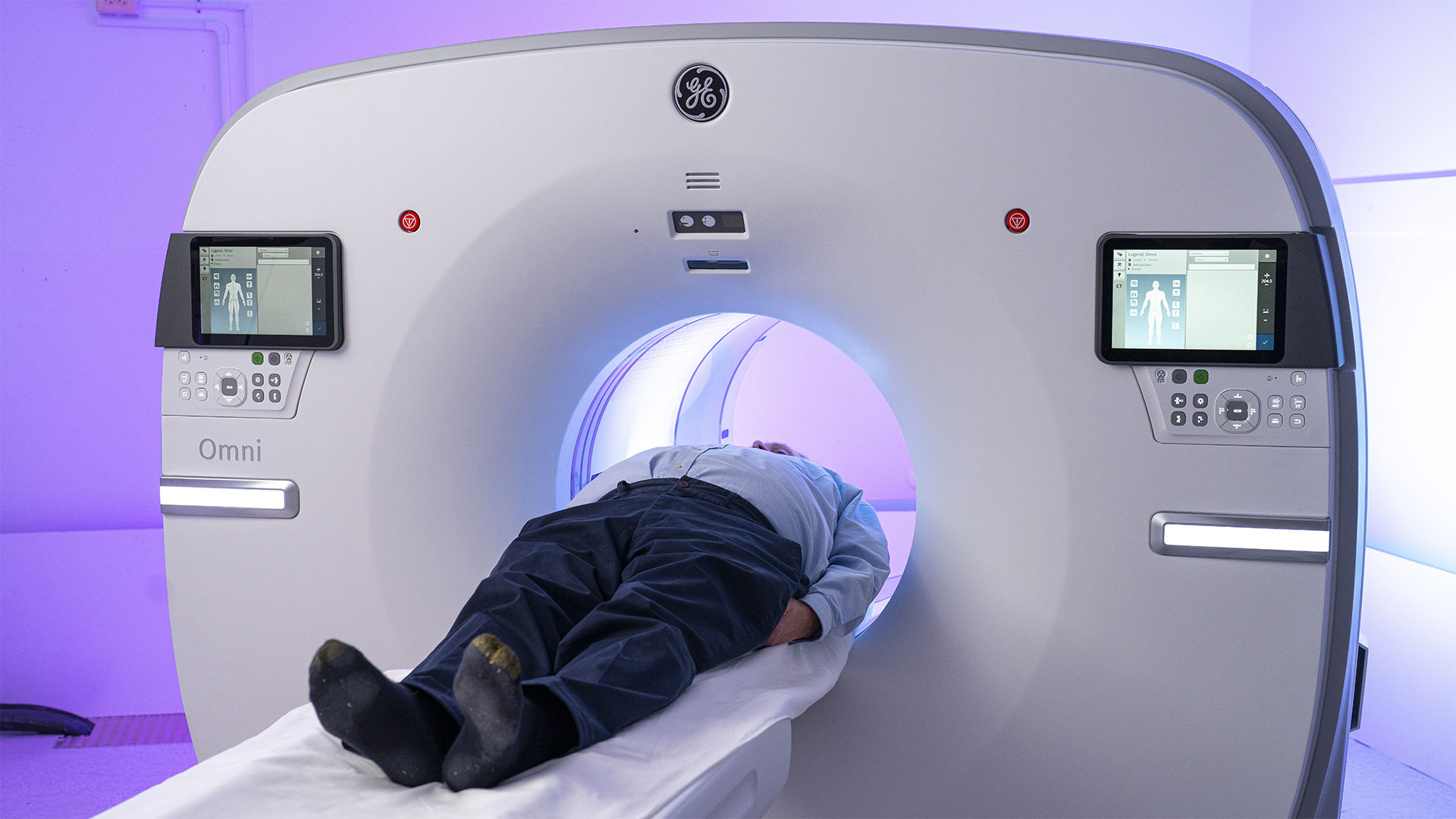
7. St. Joseph’s to become Canada’s first centre of excellence in molecular imaging and theranostics
A partnership between Lawson, St. Joseph’s Health Care London and GE HealthCare will create Canada’s first centre of excellence in molecular imaging and theranostics at St. Joseph’s. The centre will focus on using precision diagnostic imaging and targeted therapy to advance personalized treatment of cancer and other diseases. Read more.
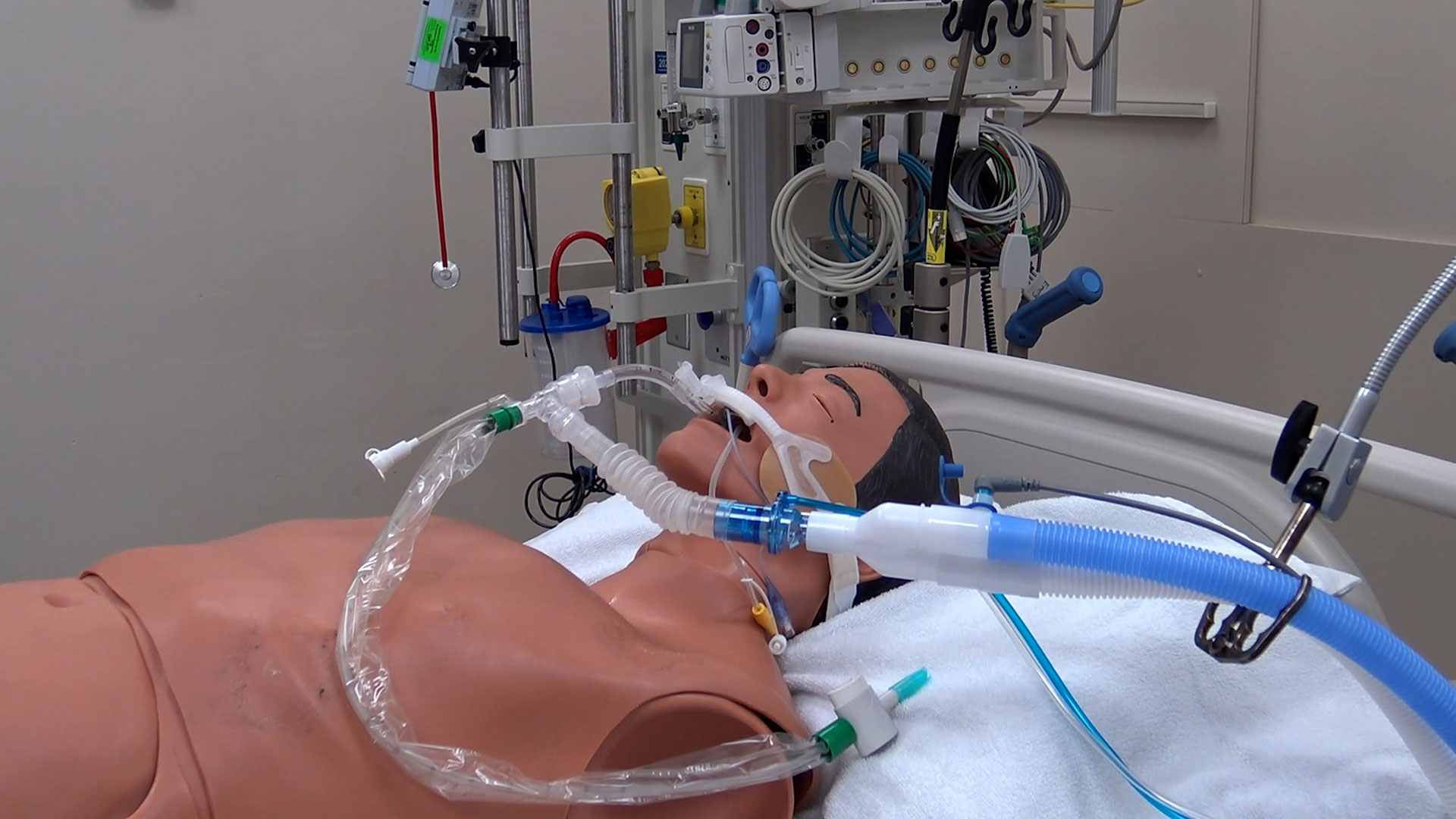
8. Researchers investigate a new method of sedation for paediatric patients
Intravenous sedatives are normally used to sedate critically ill children. However, they can contribute to a complication called delirium, which includes symptoms of confusion, disorientation, agitation, excessive drowsiness and poor attention. To improve outcomes, scientists at Children’s Health Research Institute (a program of Lawson), Sunnybrook Research Institute and The Hospital for Sick Children (SickKids) are collaborating on a pilot study to understand whether inhaled sedation could be a better alternative to keep critically ill children sedated and comfortable. Read more.
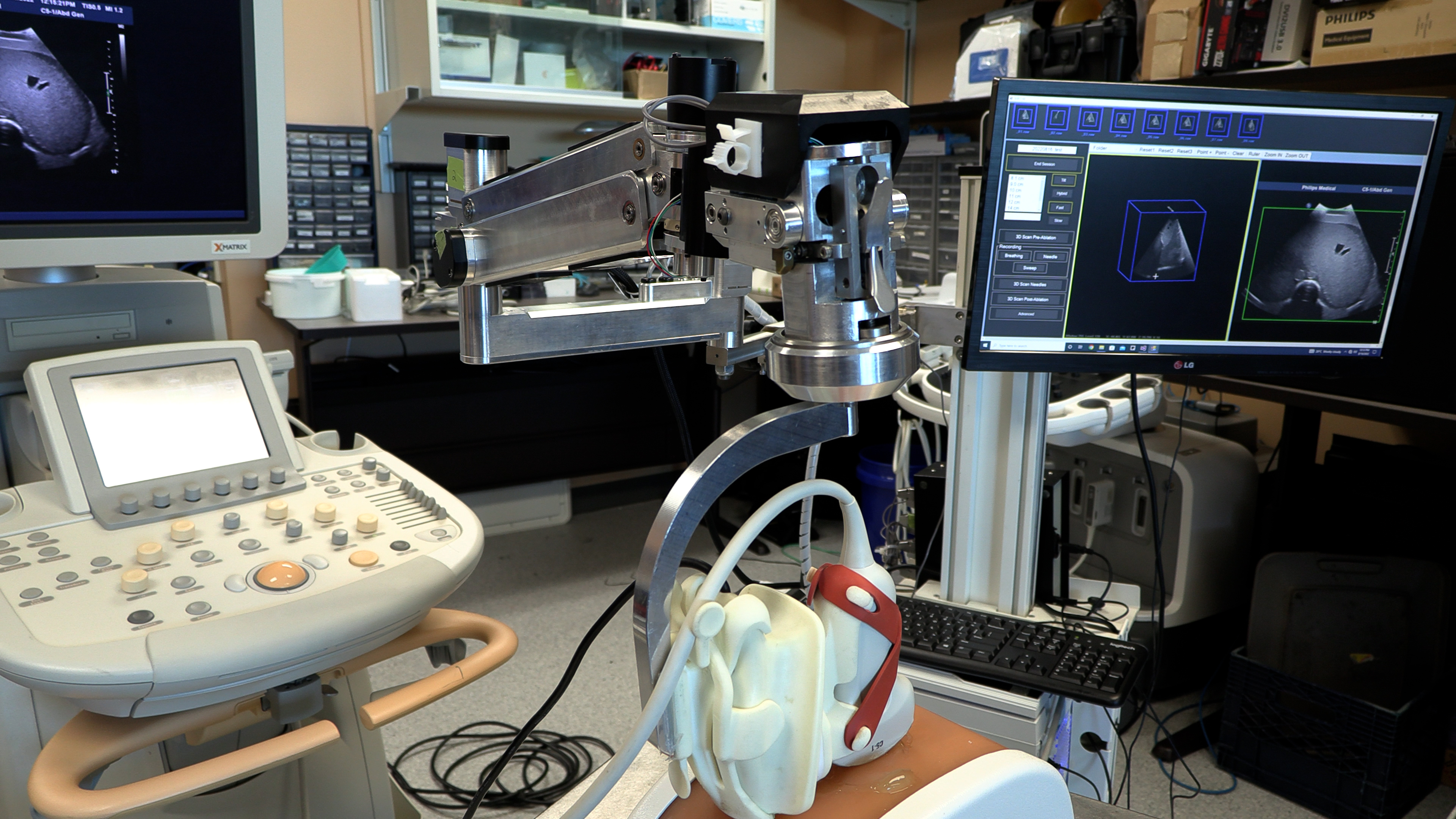
9. New robotic 3D ultrasound may improve accuracy of liver cancer ablation therapy
A technique that turns a normal ultrasound into a 3D image is showing promise in making thermal ablation for liver cancer treatment more accurate in a study from Lawson and Western University. Thermal ablation – using heat to destroy a cancerous tumour – can have fewer complications and a shorter recovery time than surgery. Read more.
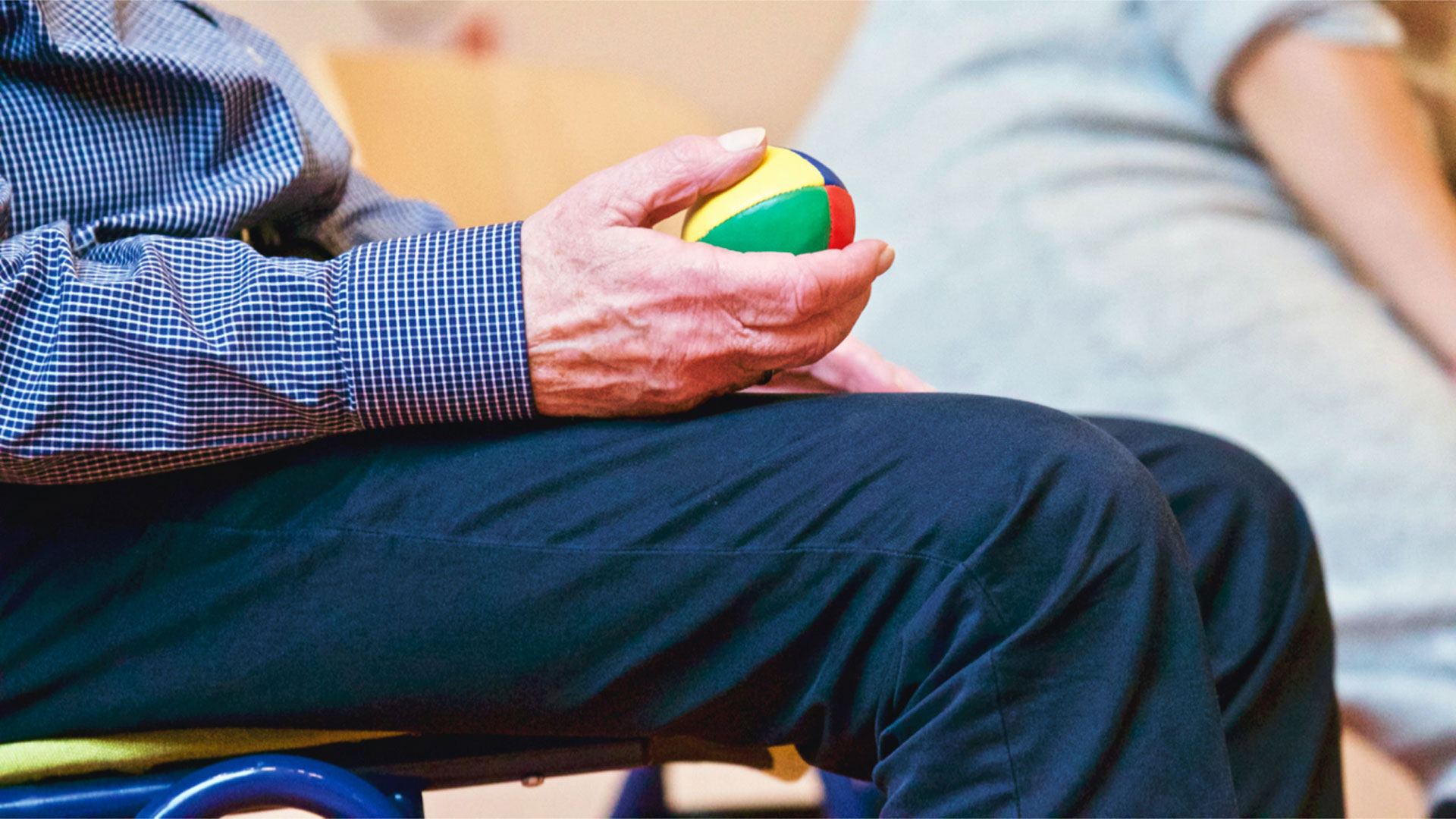
10. Assessing neurofeedback in stroke survivors
Functional near-infrared spectroscopy (fNIRS) is used to detect changes in brain oxygen levels using light, but more recently it has also been used to develop brain-computer interfaces – allowing patients with brain injuries to control a device with their thoughts. Researchers at Lawson launched a new study to assess whether fNIRS can be used to improve patient outcomes during stroke rehabilitation. Read more.
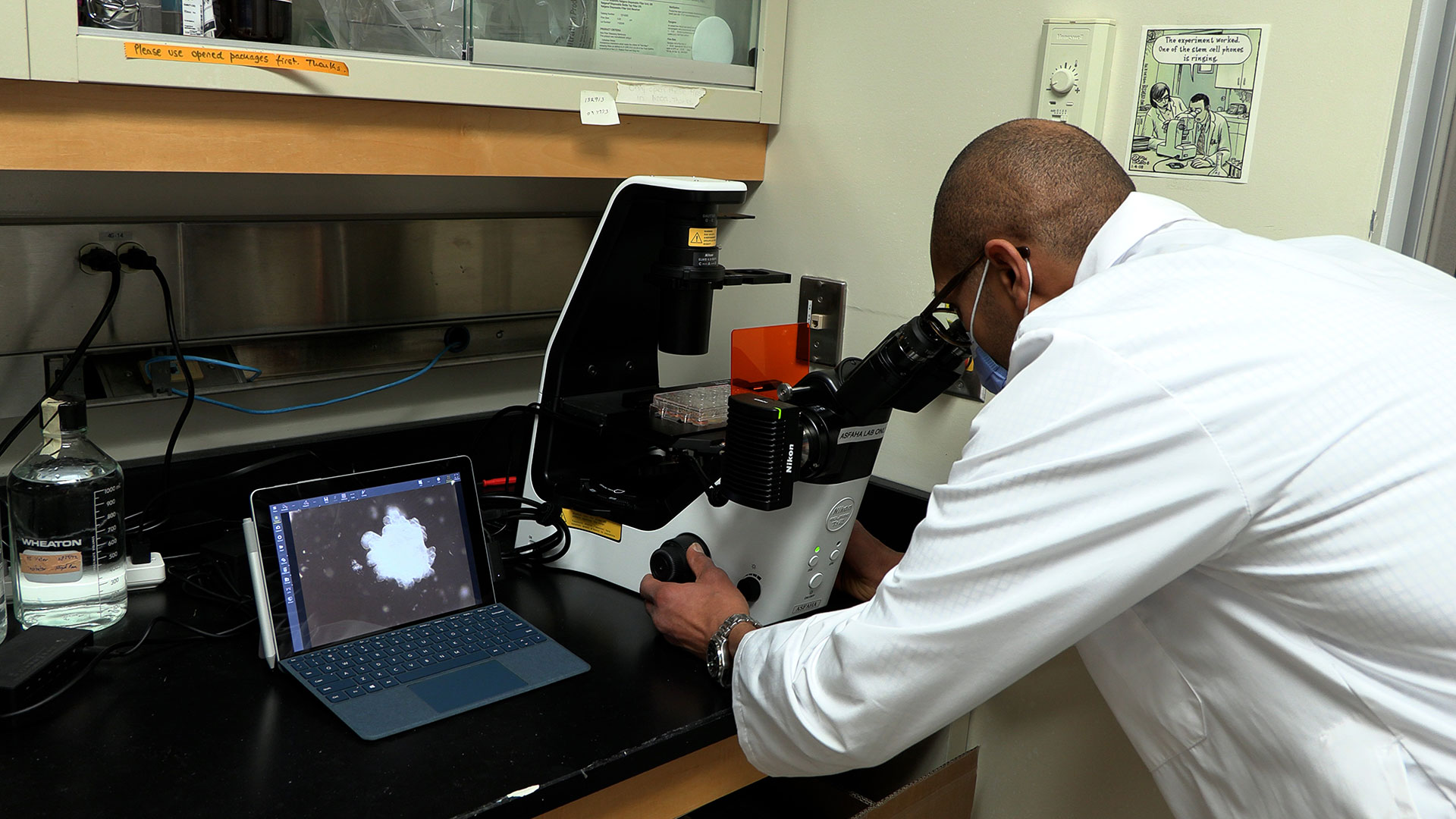
11. Specific type of inflammation may be linked to risk of colorectal cancer
A preclinical study found that a specific type of inflammation may be linked to an increased risk of colorectal cancer. Previously, the degree of inflammation caused by illnesses like colitis, Crohn’s disease and other forms of inflammatory bowel disease were shown to be an important indicator of the development of colorectal cancer. However, this new study found the type of inflammation, rather than the severity and duration, may be more important in determining cancer risk. Read more.
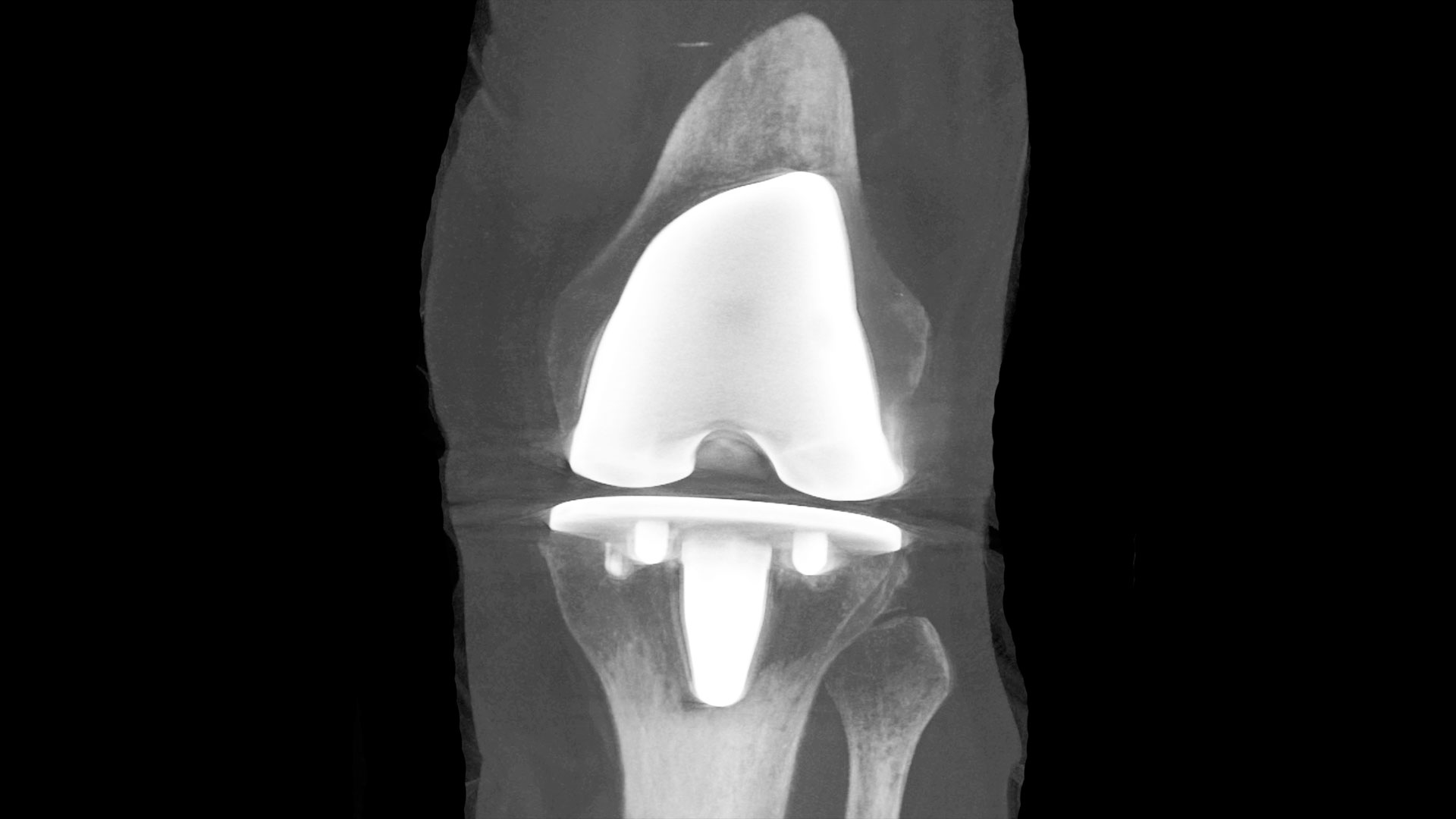
12. New study examining if probiotics can improve outcomes in knee replacement surgeries
Lawson researchers launched a study to assess whether daily probiotics can improve outcomes in patients undergoing a total knee replacement surgery. Of the more than 70,000 knee replacement surgeries in Canada each year, nearly 10 per cent of patients experience complications. With patients who are considered healthy likely to have better outcomes, the research team is interested in improving the gut microbiome as a way to support patients’ overall health. Read more.
Media Contact
Amanda Taccone
Communications Consultant & External Relations
Lawson Health Research Institute
T: 519-685-8500 ext. ext. 64059
C: 226-919-4748
@email
An online approach to care
With an aging population, neurological conditions like stroke, brain injury and multiple sclerosis (MS) are on the rise in Canada. Those living with neurological conditions face many long-term challenges that can affect both their physical and cognitive functioning. They are also at an increased risk for mental health challenges such as depression and anxiety.
“While mental health challenges are common for those with neurological conditions, they often go untreated for a number of reasons,” says Dr. Swati Mehta, Scientist at Lawson Health Research Institute. “For example, those living in remote areas often do not have access to specialized services and many patients are concerned about stigma.”
Yet seeking mental health care is critically important for patients with neurological conditions. “Research suggests that depression among these patients can impair recovery, leading to decreased quality of life and increased health care costs.”
To improve patient outcomes, Dr. Mehta and a collaborative research team are developing an internet-delivered cognitive behavioural therapy (ICBT) program.
Image
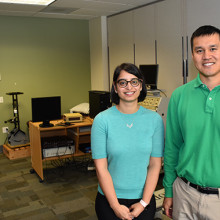
Dr. Swati Mehta (left), Lawson Scientist, and Dr. Eldon Loh (right), Lawson Associate Scientist, are working with a collaborative team to develop the specialized program.
Cognitive behavioural therapy (CBT) is a specialized type of therapy that involves patients learning strategies and skills to self-manage mental health symptoms. It’s one of the most widely used therapies for the treatment of depression and anxiety.
A panel of researchers, persons with lived experience of neurological conditions and community organizations are working collaboratively to develop an accessible ICBT program that meets the needs of persons with neurological conditions and mild cognitive impairment who are also experiencing symptoms of depression or anxiety. The program, called The Neuro Course, will be a modified version of an existing course developed in Australia by the eCentreClinic.
“Through co-development with patients and experts in the field, the ICBT program will meet the specific needs of persons with neurological conditions who are also experiencing mental health challenges,” explains Dr. Mehta. “With online delivery, it can provide personalized treatment while being flexible and easily accessible.”
The Neuro Course will be piloted with a small group of research participants, including patients from Parkwood Institute, a part of St. Joseph’s Health Care London. Eligible participants can sign up to be notified of the course’s availability at https://www.onlinetherapyuser.ca/neuro.
The free online course consists of six easy-to-understand CBT lessons and will take approximately 10 weeks to complete. In addition to the six lessons, participants will be encouraged to work through various activities during the week.
Image

Participants will also receive regular support from a designated online guide. Guides will be health educators who are certified providers or graduate students working under the supervision of certified providers. All guides will have training in psychology or social work. The participant’s guide will review the participant’s progress and answer any questions or comments through a secure messaging system.
Participants in the study will be asked to complete brief questionnaires before they begin the course, on a weekly basis throughout the course and then again three months after treatment ends. The research team will use the questionnaires to assess patient outcomes and improve future versions of the course.
The goal of the program is to overcome barriers to face-to-face therapy, such as limited access to specialized care and concerns about stigma related to seeking care, by providing an effective online alternative. By reaching those in need, the research team hopes to improve patient outcomes and overall wellbeing.
“The long term goal would be to implement the ICBT program into clinical practice to provide increased access to mental health services among this population,” says Dr. Mehta. “The program could be used to provide care to those with mild to moderate mental health concerns or those waiting to access face-to-face programs.”
The team is being funded for this project through Lawson’s Internal Research Fund (IRF) competition. “As an early career researcher, receiving funding from Lawson’s IRF is a great honour. It’s a great opportunity to help researchers obtain funding for small feasibility studies to develop evidence for larger grants that can be used to translate knowledge across the community,” states Dr. Mehta.
Lawson’s IRF is designed to provide Lawson scientists the opportunity to obtain start-up funds for new projects with the potential to obtain larger funding, be published in a high-impact journal, or provide a clinical benefit to patients. Funding is provided by the clinical departments of London Health Sciences Centre and St. Joseph’s Health Care London, as well as the hospital foundations (London Health Sciences Foundation and St. Joseph’s Health Care Foundation).
Scientist
Antioxidants in the brain linked to improved treatment results in patients with psychosis
Once patients with psychosis start treatment, some get better in weeks while it can take months for others.
“We wanted to see if we could understand and influence this disparity,” said Dr. Lena Palaniyappan, Associate Professor at Western’s Schulich School of Medicine & Dentistry and Scientist at Lawson Health Research Institute who is looking at chemicals in the brain with the aim of speeding up the time it takes a patient to respond to medication for psychosis.
Image

The research team from Lawson and Schulich Medicine & Dentistry studied antioxidant levels in the brain, and found that these chemicals which rid the body of normal metabolic biproducts called free radicals, may improve outcomes of early intervention in psychosis. They looked specifically at an area of the brain called Cingulate Cortex which is well connected to a network of regions that play a major role in generating symptoms of psychosis.
The study, published in Nature Molecular Psychiatry, showed that patients with higher levels of an antioxidant called glutathione responded more quickly to medication for psychosis and had improved outcomes. They estimated that a 10 per cent increase in antioxidants could lead to a reduction in length of hospital stay by at least seven days.
“This study demonstrates that if we can find a way to boost the amount of antioxidants in the brain, we might be able to help patients transition out of hospital more quickly, reduce their suffering more quickly and help them return earlier to their work and studies,” said Dr. Palaniyappan who is also the Tanna Schulich Endowed Chair in Neuroscience and Mental Health at Western.
Antioxidant levels in the brain vary naturally from person to person and those variations can be attributed to lifestyle choices like exercise and diet. There are also ways to pharmaceutically boost these levels. A supplement called N-Acetyl Cysteine (NAC) as well as broccoli extracts can increase the brain’s antioxidants if given over a long period of time.
Dr. Palaniyappan and his team in collaboration with Dr. Jean Theberge at Lawson Imaging used high-field MRI imaging to examine antioxidant levels in the brains of 37 new patients to the Prevention and Early Intervention for Psychoses Program (PEPP) at London Health Sciences Centre. Antioxidant levels were studied prior to beginning treatment for psychosis and followed up for six months post-treatment.
The MRI scans were acquired at Western’s Centre for Functional and Metabolic Mapping at the Robarts Research Institute with the support of Western's BrainsCAN and the Canadian Institutes of Health Research.
Scientist
Assessing the pandemic's impact on Canadian Veterans and their spouses
Multiple studies are reporting the pandemic’s impact on the mental health of Canadians, but what effect is it having on our nation’s Veterans and their spouses?
“With concerns about COVID-19 infection and drastic changes to everyday life, the pandemic is taking a toll on the health of Canadians,” explains Dr. Don Richardson, Associate Scientist at Lawson Health Research Institute and Director of the MacDonald Franklin Operational Stress Injury (OSI) Research Centre, located at St. Joseph's Health Care London's Parkwood Institute. “And it may be particularly distressing for those vulnerable to mental illness.”
Population studies show that Veterans are at double the risk of mental illness when compared to the rest of the population. They experience higher rates of depression, anxiety and loneliness. Spouses of Canadian Veterans are also at higher risk of distress, as they may sometimes undertake significant caregiving responsibilities that that require significant emotional and time investments.
“It’s currently unknown how the pandemic will impact Veterans and their spouses, but it could result in particularly serious outcomes,” says Dr. Anthony Nazarov, Associate Scientist at Lawson and the MacDonald Franklin OSI Research Centre.
In a new project from Lawson and the Centre of Excellence on Post-Traumatic Stress Disorder (PTSD), researchers will seek answers to these questions by partnering with up to 1,000 Canadian Veterans and 250 spouses of Canadian Veterans. Through online surveys, the project will hear directly from Veterans and their spouses to assess the pandemic’s effects on their well-being over time. The team hopes results can be used by health care workers and policy-makers to support Veterans and their families during both the current pandemic and future public health emergencies.
“We want to hear from all Canadian Veterans and their spouses, whether they’re doing well or not and whether they’re seeking care or not,” explains Dr. Nazarov.
Image

From left: Drs. Don Richardson and Anthony Nazarov
Participants will complete online surveys, available in both English and French, once every three months for a total of 18 months. They will be asked questions about their psychological, social, family-related and physical well-being, and any relevant changes to their lifestyle and health care treatment.
“Veterans who regularly access health care services could encounter significant changes, including a move to virtual care appointments. This could lead to increased caregiving responsibilities for spouses,” says Dr. Nazarov. “Given the uncertainty surrounding the pandemic, these changes may persist well into the future, mandating a thorough assessment of patient satisfaction and treatment outcomes.”
The team hopes results can be used to support the wellness of Veterans and their families during public health emergencies. This includes providing health care professionals and policy-makers with information to guide emergency preparedness policies and health care delivery models. They hope results can also be used to recognize early signs of distress in order to target with early interventions.
“We are seeking to understand the impact of COVID-19 on Veterans and their families to identify if this global pandemic is leading to psychological distress or triggering historical traumas,” says Dr. Patrick Smith, CEO of the Centre of Excellence on PTSD. “The Centre’s primary goal is to increase Canadian expertise related to military and Veteran mental health, suicide prevention and substance use disorders. This study can help us understand if the pandemic is having debilitating and life-altering effects, and help us address a potential mental health crisis.”
Interested Canadian Veterans and spouses of Canadian Veterans can learn more about the study at www.veteransurvey.ca.
Image
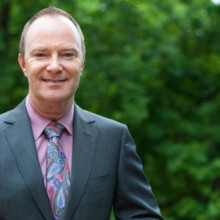
Dr. Patrick Smith
Scientist
Café Scientifique: The invisible world inside us
The human microbiome is a wonder of nature, with trillions of microbes calling our body home. They live in our gut and many other places throughout our body. They are involved in virtually every aspect of how we function and we are learning that they are essential to staying healthy. An unhealthy microbiome has been linked to many diseases from allergies to cancer and even mental health.
Most people out there have heard about probiotics and fermented foods, and chances are you’re trying to get more of them in your diet. Drinking kombucha or eating yogurt, anyone?
On November 27, 2019, Lawson Health Research Institute held the latest in its Café Scientifique event series, "The invisible world inside us: Exploring the human microbiome.”
The panel of researchers helped to unravel the mysteries about the micirobiome and how we are using that knowledge to improve health and health care. They also busted some myths and shared the important facts when it comes to probiotics, prebiotics and the microbiome.
Watch their talks:
Researchers:
Probiotics and Prebiotics - Look beyond the fake news
Dr. Gregor Reid, Lawson Scientist and Professor of Microbiology & Immunology and Surgery at Western University.
Time stamp: 10:02
Fecal Transplants: What does this crap have to do with me?
Dr. Michael Silverman, Lawson Associate Scientist, Chair of Infectious Diseases, Schulich School of Medicine & Dentistry at Western University and Chief of Infectious Diseases for St. Joseph’s Health Care London and London Health Sciences Centre.
Time stamp: 31:48
Does eating bacteria make sense?
Dr. Jeremy Burton, Lawson Scientist and Assistant Professor of Surgery (Urology) and Microbiology & Immunology at Western University.
Time stamp: 55:02
See the event photos on Facebook.
Café Scientifique is a free community event series providing an informal opportunity to get involved with science. Through an open-forum discussion in a casual setting, these events address health-related issues of popular interest to the general public. A panel of three Lawson scientists talk about what they do and why, and share their unique research perspectives. Guests can then ask questions, participate in discussion, and gain insights from the speakers and from one another.
Celebrating remarkable women in science
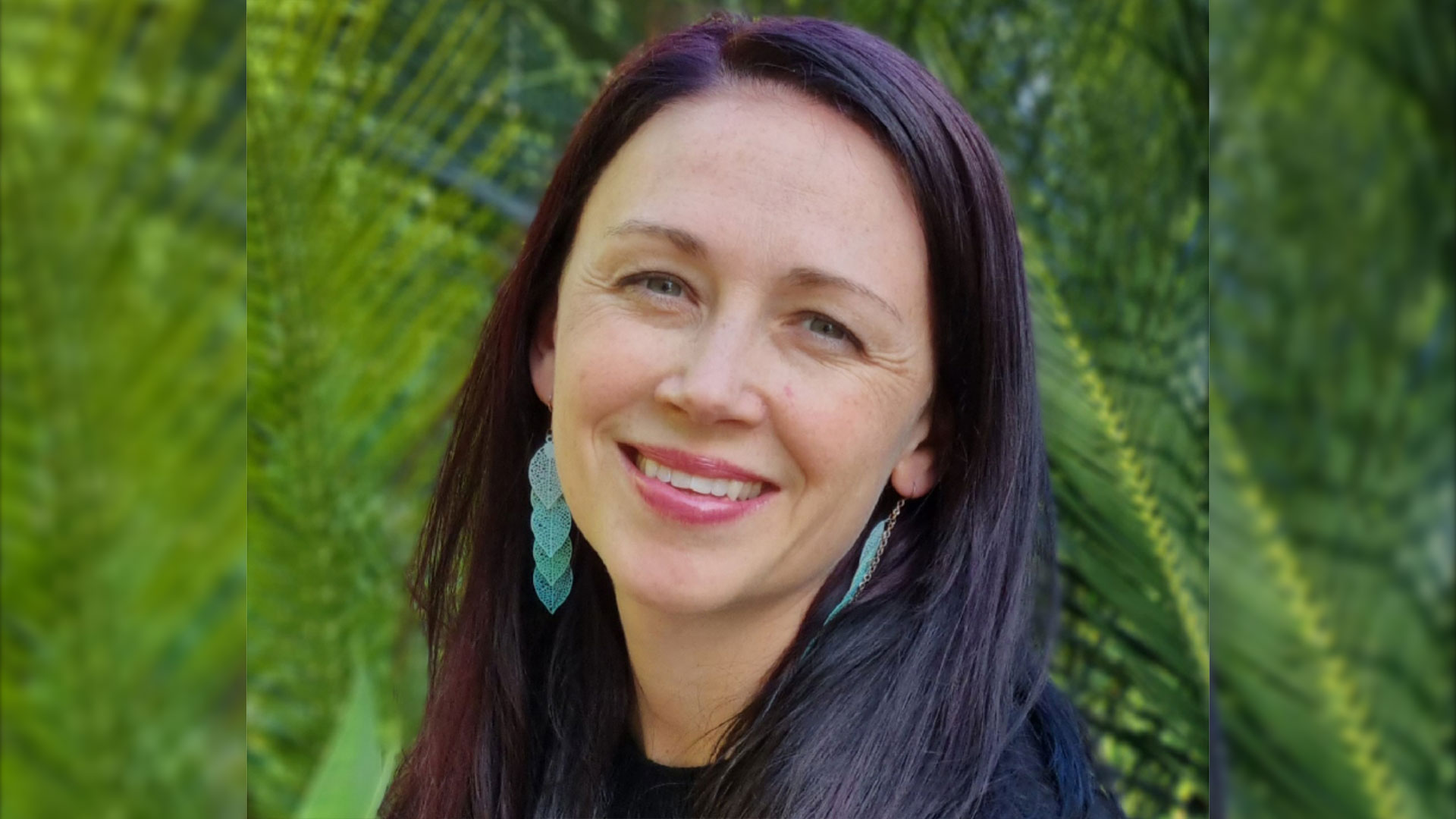
Chronic pain can affect every facet of a person’s life. “When someone is in pain, they can have significant difficulty with activities we all do in our daily life, from getting out of bed to walking to the mailbox. It can also impact their mental wellness,” shares Lawson Health Research Institute Scientist Dr. Siobhan Schabrun, PhD. Dr. Schabrun, who is the first ever William and Lynne Gray Endowed Research Chair in Mobility and Activity at St. Joseph’s Health Care London, has dedicated much of her career to unravelling the complex connection between the body and the mind known as neuroscience, with a focus on persistent pain.
She is currently leading groundbreaking work in understanding, treating and preventing persistent pain, offering hope for enhanced mobility and activity in individuals with musculoskeletal and neurological conditions at St. Joseph’s Gray Centre for Mobility and Activity, located at Parkwood Institute.
Dr. Schabrun’s research program has extended beyond conventional approaches, delving into the use of non-invasive brain stimulation technologies such as repetitive transcranial magnetic stimulation, more commonly known as rTMS, a therapeutic tool used in mental health treatments for decades, to augment neuroplasticity and optimize outcomes in rehabilitation.
Bridging the gap between human pain models and clinical trials, Dr. Schabrun’s work is contributing to the understanding of clinical pain populations and bringing new treatment methods to the forefront to improve patient care and outcomes.
Research Area
Partners
Clinical trial will evaluate new therapy for treatment-resistant depression as a result of bipolar disorder
Treatment-resistant depression is a severe form of illness that does not respond to traditional therapies like medication and counselling. It is particularly common in patients with depression from bipolar disorder who are left with limited treatment options.
“There are some mental illnesses that can become resistant to therapy, similar to how infections, for example, can become resistant to antibiotics,” explains Dr. Amer Burhan, researcher at Lawson Health Research Institute and neuropsychiatrist at St. Joseph’s Health Care London. “Patients with those illnesses need more options.”
Brain stimulation is a field that holds promise for this patient population.
“When people are in a state of depression, research shows their brain networks are not functioning properly,” says Dr. Burhan. “Brain stimulation aims to stimulate neurons in the brain to correct activity and improve patient outcomes.”
Through involvement in a national clinical trial, Dr. Burhan and his research team at Lawson are offering new hope with a treatment called magnetic seizure therapy (MST). The study is the first randomized controlled trial to examine the efficacy of MST for patients with treatment-resistant depression as a result of bipolar disorder.
For years electroconvulsive therapy (ECT), one form of brain stimulation, has been the gold standard for patients with treatment-resistant depression. ECT uses an electric field to induce a seizure that provides a therapeutic benefit by stimulating the brain. But while ECT is effective, many patients opt out of treatment due to stigma surrounding the therapy and its potential for cognitive side effects like disorientation and amnesia.
MST has emerged as a promising alternative. MST works in a similar way to ECT but uses a focused magnetic field as opposed to electricity. As a result, MST induces a more focused seizure to reduce the risk of cognitive side effects.
Image
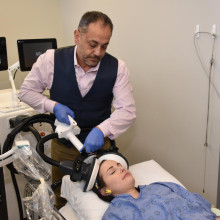
“Magnetic seizure therapy has already been shown as a promising treatment for major depressive disorder or unipolar depression,” explains Dr. Amer Burhan, local site lead for the clinical trial. “For the first time, we’re studying how effective the treatment is for depression as a result of bipolar disorder and whether it can reduce the risk of cognitive side effects associated with electroconvulsive therapy.”
The clinical trial is being led by the Centre for Addiction and Mental Health (CAMH) and will also be offered through Lawson and University of British Columbia (UBC) Hospital. Lawson researchers will invite approximately 30 eligible patients with treatment-resistant depression from bipolar disorder to participate in the trial at Parkwood Institute, a part of St. Joseph’s Health Care London.
Eligible patients will be randomized to receive either ECT or MST. Patients will be offered support throughout the study with the goal of improving patient outcomes in both groups. Patient outcomes will be compared to study the whether MST is effective and whether it is associated with reduced cognitive side effects.
MST will be delivered under anesthesia in 12 to 20 sessions. Sessions will last 10 to 15 minutes each with 60 to 90 minutes of recovery time.
“Magnetic seizure therapy holds promise of one day replacing electroconvulsive therapy as the gold standard for treatment-resistant depression, but we need to learn more about where it fits in our toolbox of potential treatments,” says Dr. Burhan.
If proven as a viable first-line treatment, MST would be very easy to implement in existing ECT clinics. MST would therefore be readily available to patients in need.
“We are on the leading edge of the field of brain stimulation for treatment-resistant depression in collaboration with CAMH and UBC,” says Dr. Burhan. “Our goal is to continue informing the care process through clinically-relevant research that serves patients, medical professionals and the public.”
Those who would like more information about the trial can email @email or @email.
Dr. Arlene MacDougall appointed Director of Research and Innovation for St. Joseph’s Mental Health Care
Dr. Arlene MacDougall has been appointed as Director of Research and Innovation for mental health care at St. Joseph’s Health Care London and Lawson Health Research Institute.
She will oversee and facilitate all mental health care research at both Parkwood Institute and Southwest Centre for Forensic Mental Health Care, working to develop strong local and global partnerships, engage patients and their caregivers in research activities, and foster trans-disciplinary approaches to research.
Her goal is to build on existing research strengths in mood disorders, suicide and smart technology. She also will look to develop research links between Mental Health and Parkwood Institute’s other major research programs, Cognitive Vitality and Brain Health, and Mobility and Activity.
Dr. MacDougall joined Lawson and the Department of Psychiatry at the Schulich School of Medicine & Dentistry, Western University in 2013 working with the Prevention and Early Intervention Program for Psychoses at London Health Sciences Centre. Last year she was cross appointed to the Department of Epidemiology and Biostatistics at Schulich.
“I come to this new role with a great deal of optimism, energy and enthusiasm. Parkwood Institute Research has a number of established strengths in the mental health care field as well as potential for new streams of research and innovation,” says Dr. MacDougall. “I look forward to working with researchers, staff, and patients and their supporters, as well as academic and community partners, to make Parkwood Institute a leading centre in Canada for mental health research.”
Parkwood Institute Research is a Lawson program that represents inter-disciplinary clinical research and focuses on the advancement of innovations and discoveries that directly improve patient care.
Dr. MacDougall will continue her own program of research, which includes recovery-oriented interventions for people with serious mental illness locally and in Africa. She is leading local studies on the use of mindfulness meditation and participatory video interventions to promote recovery among youth with early psychosis. She is also leading a project based in Kenya using social businesses and a low cost psychosocial rehabilitation toolkit to create meaningful employment, promote social inclusion and support the overall functioning and recovery of people with serious mental illness in low income settings.
Most recently she has been involved in developing and leading initiatives that use social innovation approaches to tackle complex mental health system challenges both locally and globally.
At Western, she is the Director of Global MINDS (Mental Health Incubator for Disruptive Solutions) @ Western, an educational and research initiative that supports students, faculty and community stakeholders to create solutions that will reduce the global burden of mental disorders. Global MINDS is focused on innovating for low and middle income countries and for marginalized communities in Canada. Another initiative, MINDS of London-Middlesex, is working with multiple local stakeholders to collaboratively establish a social innovation lab and use collective impact approaches that will lead to solutions that address complex challenges in the local mental health system.
Dr. MacDougall began her new role on February 1, 2017 and joins Drs. Michael Borrie and Tim Doherty as Joint/Acting Beryl and Richard Ivey Research Chair in Aging, Mental Health, Rehabilitation and Recovery. She also joins Lawson’s Research Executive Committee as Assistant Director (interim) for Parkwood Institute Research, Mental Health.
Scientist
Dr. Cheryl Forchuk recognized for health care innovation
Dr. Cheryl Forchuk is the recipient of the 2020 Innovation Award for her work to prevent discharges from hospital to homelessness. Throughout her career, Dr. Forchuk has been investigating potential best practice approaches to prevent homelessness in our community for a wide range of people, including those with severe mental illness, veterans, families, and youth.
Her recent project, ‘Preventing Hospital Discharge into Homelessness: No Fixed Address Version 2 (NFAv2)’ streamlines housing and income services by bringing them into the hospital, and integrating them into a coordinated system of care.
Research shows that when someone is housed, their use of medical and social services decreases. Safe and adequate housing is required for individuals to recover from illness.
Version one of this program was a great success, providing direct access to a housing advocate and Ontario Works from inpatient hospital psychiatric units in London. The No Fixed Address v2 program provides individual inpatients, at risk of becoming homeless, with housing and financial assistance while in hospital. A collaborative approach which includes the local Canadian Mental Health Association, the Salvation Army Rent Stability Bank, Ontario Works, and the City of London brings community supports to the hospital. This enables patients to recover from their illness and reduces the number who may return to the hospital. Dr. Forchuk’s use of in-depth, individual, quantitative interviews, and qualitative focus groups, allows stakeholders to voice their experiences with the program as well as capture traditional outcomes.
“This innovative program has been so successful in London’s hospitals that the City of London has integrated the NFAv2 service within its municipal housing support programs,” explains Dr. Arlene MacDougall, Lawson Scientist and Dr. Forchuk’s nominator. “It also has the potential to be integrated across the province as the best practice in reducing homelessness in communities. Her efforts have been recognized by multiple funding agencies, and it will soon be the model for the rest of the nation to follow. Dr. Forchuk’s commitment to improve the lives and of those in our community makes her truly deserving of this award.”
“The No Fixed Address research project is the first evaluation anywhere of a strategy that aims to reduce the number of hospital patients being discharged into homelessness,” says Dr. Forchuk. “I’m really proud of our collective efforts. We have been able to help a lot of people, and have also learned a lot throughout the course of this study.”
Scientist
Dr. Lena Palaniyappan recognized for research using brain imaging to develop treatments for mental illness
Lawson associate scientist Dr. Lena Palaniyappan has won the Canadian College of Neuropsychopharmacology (CCNP)’s 2017 Young Investigator Award for outstanding contributions to the field of neuropsychopharmacology.
The Young Investigator Award is given for basic research or clinical research in alternating years. This year’s award was presented for clinical research. Scientists who have completed their post-doctoral or residency training 10 years ago or less are considered for the award.
Dr. Palaniyappan uses neuroimaging tools to study the processes that operate in the brain when patients experience symptoms of mental illness, including psychosis – repeated voices or visions (hallucinations) and disturbing thoughts (delusions). For many patients, it is not possible to prevent psychosis or reverse the condition fully. Through their research, Dr. Palaniyappan and his team are working to fully characterize the illness and create new treatments.
Recently he led a study that showed it is possible to use information from the brain’s connectivity maps to alter the chemistry of selected brain regions. The hope is that this approach can be used to target precise areas of dysfunction rather than altering the properties of the entire brain to treat psychiatric symptoms.
“Receiving this award highlights the importance of brain imaging in discovering new therapies for brain-based disorders,” says Dr. Palaniyappan. “I feel very inspired looking at the achievements of past recipients as many of them have gone on to change how we think about the brain and mind.”
Dr. Palaniyappan is the medical director of the Prevention and Early Intervention Program for Psychoses (PEPP), a community-focused mental health program located at London Health Sciences Centre (LHSC). He is also an associate professor at Western University’s Schulich School of Medicine & Dentistry.
“With the increasing sophistication of tools to understand the mysteries of the human brain and the world-renowned expertise available in London, there has never been a better time to study psychiatric disorders,” adds Dr. Palaniyappan. “I hope we will soon be able to use brain scans to provide patient-specific information on prognosis and monitor the effects of treatments.”
Embracing health research this holiday season
Community members, patients and families, and those working in the health field attended a special open house on November 28 by research groups at Lawson Health Research Institute. Together, they celebrated the holiday spirit and the gift of hope that is made possible through hospital-based research.
A part of St. Joseph’s Health Care London, Parkwood Institute represents the next era in care, recovery and rehabilitation. Across the site, clinical and research teams in different disciplines and specialties collaborate not only with each other but also with patients and families.
“Many people in the community know the high-quality and compassionate care that is supported by the various clinical teams at Parkwood Institute, but aren’t aware of the research happening at this site,” says Dr. Cheryl Forchuk, Beryl and Richard Ivey Research Chair in Aging, Mental Health, Rehabilitation and Recovery, and Assistant Scientific Director at Lawson.
“Lawson researchers at Parkwood are tackling important challenges with highly innovative and meaningful solutions that help improve care and quality of life.”
For the past three years, the open house gives guests a more in-depth understanding of hospital-based research and its impact. Dr. Forchuk notes that it is a great chance to talk to the researchers and their teams, and to learn about research in a really fun and interactive way. Guests may also learn about opportunities to participate in studies, as the research teams rely on people in the community getting involved.
Image
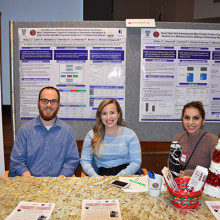
There were 12 interactive program displays from Parkwood Institute Research, a Lawson program, in the areas of cognitive vitality and brain health, mobility and activity and mental health:
- Cognitive Clinical Trials Group (CCTG)
- Collaboration of Rehabilitation Research Evidence (CORRE)
- Gait and Brain Lab
- Geriatric Mood Disorders Lab
- MacDonald Franklin OSI Research Centre (Occupational Stress Injury)
- Mental Health Nursing Research Alliance (MHNRA)
- Mental Health INcubator for Disruptive Solutions (MINDS) of London
- Neuropsychiatry and Therapeutic Brain Stimulation Research Group
- Occupational Therapy and Spiritual Care Research Lab
- R2P (Research to Practice)
- Rehabilitation Mental Health
- Wound Care
The open house had a festive theme and many of the exhibits involved a problem solving or interactive elements to encourage learning and foster teamwork.
Karen Vecchio, federal Member of Parliament for Elgin-Middlesex-London, was among the over 200 people in attendance.
Image
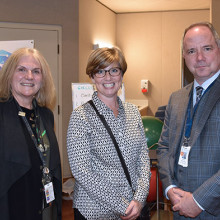
At the open house, from left: Dr. Cheryl Forchuk, MP Karen Vecchio and Roy Butler, St. Joseph's Vice President.
“London is a great community to conduct research,” explains Dr. Forchuk. “We are a mid-size city surrounded by rural areas, in many ways reflecting Canada as a whole. A lot of our projects cover the country with multiple sites and results found here by our leading experts are being implemented in health centres and national strategies in this country and around the world.”
Scientist