


Search
Search
3186 Search Results:
… Self-Referral Care of the Human Spirit (A free service from St. Joseph’s Health Care, London) Centre for Diabetes, Endocrinology and … experiencing. If you would like support from the Spiritual Care Department, please submit this form to the Diabetes, … Self-Referral Care of the Human Spirit (A free service from St. Joseph’s …
Self-Referral Care of the Human Spirit (A free service from St. Josephs Health Care, London) Centre for Diabetes, Endocrinology and Metabolism Support for BODY, MIND & SPIRIT when facing investigation, disease and treatment and you are . feeling: alone disappointed depressed/frustrated/helpless/...
… Self-Referral Care of the Human Spirit (A free service from St. Joseph’s Health Care, London) Urology Clinic and Prostate Centre Support for … experiencing. If you would like support from the Spiritual Care Department, please submit this form to the Urology … Self-Referral Care of the Human Spirit (A free service from St. Joseph’s …
Self-Referral Care of the Human Spirit (A free service from St. Josephs Health Care, London) Urology Clinic and Prostate Centre Support for BODY, MIND & SPIRIT when health issues are affecting your quality of life and you are . feeling: alone disappointed depressed/frustrated/helpless/ anxious/a...
… Self-Referral Care of the Human Spirit (A free service from St. Joseph’s Health Care, London) Ivey Eye Institute Support for BODY, MIND & … experiencing. If you would like support from the Spiritual Care Department, please submit this form to the Ivey Eye …
Self-Referral Care of the Human Spirit (A free service from St. Josephs Health Care, London) Ivey Eye Institute Support for BODY, MIND & SPIRIT when you are facing eye disease, injury, or treatment and you are . feeling: alone disappointed depressed/frustrated/helpless/ anxious/afraid/distressed...
… Self-Referral Care of the Human Spirit (A free service from St. Joseph’s Health Care, London) Preadmission Support for BODY, MIND & SPIRIT … experiencing. If you would like support from the Spiritual Care Department, please submit this form to the Preadmission …
Self-Referral Care of the Human Spirit (A free service from St. Josephs Health Care, London) Preadmission Support for BODY, MIND & SPIRIT when you are facing surgery and you are . feeling: alone disappointed depressed/frustrated/helpless/ anxious/afraid/distressed vulnerable and uncertain, or ...
… with the inpatient program with regard to standard care and equipment. Parkwood Hospital provides a continuum … with the inpatient program with regard to standard care and equipment. Parkwood Hospital provides a continuum …
Inpatient Acquired Brain Injury Rehabilitation Program How Can You Reach Us? To make a referral or simply ask a question call: (519) 685-4292 extension 42485 What Can You Expect? Timely multidisciplinary assessments Collaborative treatment planning meetings that include the team, the patient and the...
… back into the community. RMHC Regional Mental Health Care Who We Are The Forensic Psychiatry Program at St. Joseph’s Regional Mental Health Care (RMHC) St. Thomas provides specialized assessment, … with the criminal justice system. Specialized Mental Health Care OUR PROGRAMS Mood and Anxiety Disorders Program …
Because we all need St. Josephs. www.sjhc.london.on.cawww.sjhc.london.on.cawww.sjhc.london.on.ca Safe and successful transition back into the community. RMHC Regional Mental Health Care Who We Are The Forensic Psychiatry Program at St. Josephs Regional Mental Health Care (RMHC) St. Thomas provides s...
… PET Radiochemistry Facility located at St. Joseph’s Health Care London Updated September 2021 LAWSON HEALTH RESEARCH … by Lawson Health Research Institute and St. Joseph’s Health Care London. Hospital publications (including electronic … of London Health Sciences Centre and St. Joseph’s Health Care London. LAWSON HEALTH RESEARCH INSTITUTE = ------ - …
~------...... ........._ LAWSON HEALTH RESEARCH INSTITUTE Public Information and Disclosure Protocol Cyclotron & PET Radiochemistry Facility located at St. Josephs Health Care London Updated September 2021 LAWSON HEALTH RESEARCH INSTITUTE Public Information and Disclosure Protocol Cyclotron & PET Ra...
… (;j~ S'!JOSEPHs HEALTH CARE LONDON Roth McFarlane Hand and Upper Limb Centre Hand … MIND & SPIRIT SINCE 1869 Renowne d for compassi o nat e care, St. Joseph’ s is one of the best academic health care organizatio n s in Canada dedicated to helping people …
(;j~ S'!JOSEPHs HEALTH CARE LONDON Roth McFarlane Hand and Upper Limb Centre Hand Therapy Fellowship Application Interested candidates are required to complete this application and email to Joey Pipicelli. Applications are reviewed bi-annually. Once applications are reviewed interviews will be arran...
… that takes root & then bears fruit, st. Joseph’s health Care, London continues to grow from the humble and … we continue to be: • a publicly-funded teaching health care organization; • owned by the st. Joseph’s health Care society of the roman Catholic Diocese of London; and • …
A Future Nurtured in Histories of Faith & Compassion A Future Nurtured in Histories of Faith & Compassion Like the tree that takes root & then bears fruit, st. Josephs health Care, London continues to grow from the humble and compassionate beginnings of our founders, the sisters of st. Joseph, ...
… download the printable site map for Regional Mental Health Care London …
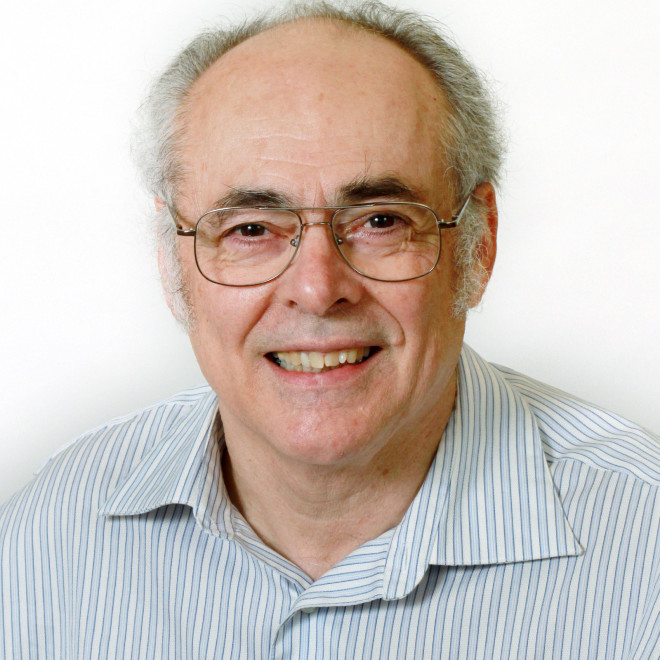
Dr. Frank S. Prato
Full Name
Dr. Frank S. Prato
Role
Location
Degrees and Qualifications
PhD, FCCPM, ABMP, FCOMP, FURSI, FCAHS
Research Overview
Over the last 30 years I have founded a research imaging program at Lawson that currently includes 23 Ph.Ds. and 7 MDs. The focus is to provide leading edge medical imaging technology to the patients of Southwestern Ontario, to citywide researchers and to foster what is needed for clinical trials. We have had a rich history including: first MRI in Canada (1982), first perfusion CT in the world (2000), first PET/CT in Canada (2002), first PET/MRI in Canada (2012).
In the last decade we have introduced PET technology to London including a medical cyclotron and radiochemistry facility that supplies Health Canada approved products to London, Toronto and Windsor. We are a hospital based research program and as such we have a stewardship responsibility to our patients to provide the best medical imaging facilities to guide their treatment and when they reach the limits of proven treatment methods they have the option to enroll in clinical trials that explore new treatment approaches.
Publications:


Biography
Since founding the Lawson Imaging Research Program in the 1980s Frank Prato has led the introduction of a number of new imaging technologies here in London. For example in 1982 his laboratory produced the first human MRI in Canada. Since 2002 Frank has focused on the introduction of new molecular imaging methods including the establishment of advanced positron emission tomography (PET) facilities in combination with magnetic resonance imaging (MRI). In 2012 the Lawson Imaging Research team installed Canada’s first human hybrid PET/MRI at Lawson’s St. Joseph’s Hospital site. Currently Frank is involved in the PET/MRI imaging of neuro-degenerative diseases caused by dementia and mental illness as well as in the study of cardiac diseases that lead to heart failure. Frank’s focus is to improve early diagnosis of disease to limit disability caused by chronic disease/conditions. Frank’s program is located within the hospital/patient environment as Imaging research is an essential part of the patient care continuum.
Scientific Record
- 6113 life time citations, h-index = 45 (Scopus)
- 10,624 life time citations, h-index = 58 (Google Scholar)
- 300+ peer-reviewed publications (222 papers)
- 700+ conference abstracts
- 184 invited presentations
- 67 graduate students and PDFs
- 14 patents and 4 spin-off companies
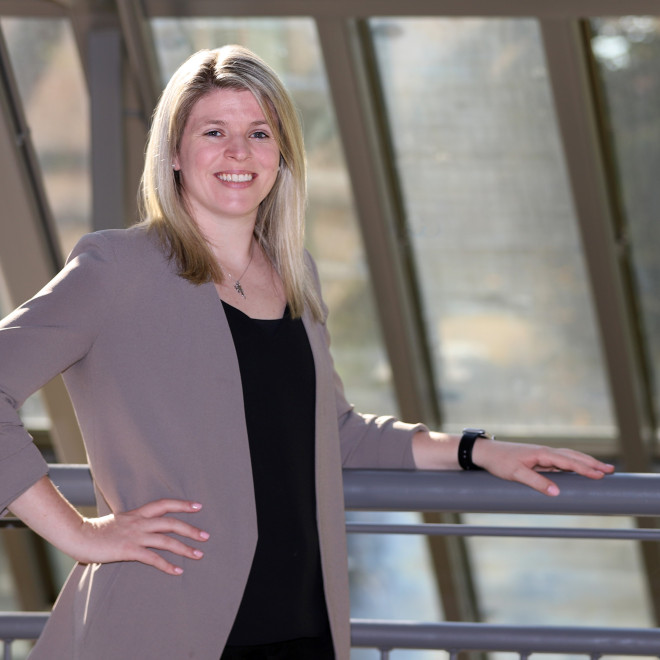
Dr. Jacobi Elliott
Full Name
Dr. Jacobi Elliott
Role
Location
Degrees and Qualifications
PhD
Research Area
Research Overview
Dr. Elliott has focused on establishing a comprehensive program of research focused around geriatrics and the health care system.
Biography
As an Early Career Researcher (ECR), Dr. Elliott has been involved as Nominated Principal Applicant, co-Principal Applicant or co-Applicant on research funding from tri-council and community grants.
She has more than 35 published papers related to health systems research and patient/family engagement and has been recognized with multiple awards for her conference presentations.
Dr. Elliott is a Scientist with Lawson Research Institute and holds Adjunct Assistant Professor appointments at Western University (Faculty of Health Sciences) and the University of Waterloo (School of Public Health Sciences).
Currently, Dr. Elliott is the Director, Research & Strategy for the Regional Geriatric Program of Southwestern Ontario, hosted by St. Joseph's Health Care London.
Dr. Arlene MacDougall appointed Director of Research and Innovation for St. Joseph’s Mental Health Care
Dr. Arlene MacDougall has been appointed as Director of Research and Innovation for mental health care at St. Joseph’s Health Care London and Lawson Health Research Institute.
She will oversee and facilitate all mental health care research at both Parkwood Institute and Southwest Centre for Forensic Mental Health Care, working to develop strong local and global partnerships, engage patients and their caregivers in research activities, and foster trans-disciplinary approaches to research.
Her goal is to build on existing research strengths in mood disorders, suicide and smart technology. She also will look to develop research links between Mental Health and Parkwood Institute’s other major research programs, Cognitive Vitality and Brain Health, and Mobility and Activity.
Dr. MacDougall joined Lawson and the Department of Psychiatry at the Schulich School of Medicine & Dentistry, Western University in 2013 working with the Prevention and Early Intervention Program for Psychoses at London Health Sciences Centre. Last year she was cross appointed to the Department of Epidemiology and Biostatistics at Schulich.
“I come to this new role with a great deal of optimism, energy and enthusiasm. Parkwood Institute Research has a number of established strengths in the mental health care field as well as potential for new streams of research and innovation,” says Dr. MacDougall. “I look forward to working with researchers, staff, and patients and their supporters, as well as academic and community partners, to make Parkwood Institute a leading centre in Canada for mental health research.”
Parkwood Institute Research is a Lawson program that represents inter-disciplinary clinical research and focuses on the advancement of innovations and discoveries that directly improve patient care.
Dr. MacDougall will continue her own program of research, which includes recovery-oriented interventions for people with serious mental illness locally and in Africa. She is leading local studies on the use of mindfulness meditation and participatory video interventions to promote recovery among youth with early psychosis. She is also leading a project based in Kenya using social businesses and a low cost psychosocial rehabilitation toolkit to create meaningful employment, promote social inclusion and support the overall functioning and recovery of people with serious mental illness in low income settings.
Most recently she has been involved in developing and leading initiatives that use social innovation approaches to tackle complex mental health system challenges both locally and globally.
At Western, she is the Director of Global MINDS (Mental Health Incubator for Disruptive Solutions) @ Western, an educational and research initiative that supports students, faculty and community stakeholders to create solutions that will reduce the global burden of mental disorders. Global MINDS is focused on innovating for low and middle income countries and for marginalized communities in Canada. Another initiative, MINDS of London-Middlesex, is working with multiple local stakeholders to collaboratively establish a social innovation lab and use collective impact approaches that will lead to solutions that address complex challenges in the local mental health system.
Dr. MacDougall began her new role on February 1, 2017 and joins Drs. Michael Borrie and Tim Doherty as Joint/Acting Beryl and Richard Ivey Research Chair in Aging, Mental Health, Rehabilitation and Recovery. She also joins Lawson’s Research Executive Committee as Assistant Director (interim) for Parkwood Institute Research, Mental Health.
Scientist
Dr. Cheryl Forchuk recognized for health care innovation
Dr. Cheryl Forchuk is the recipient of the 2020 Innovation Award for her work to prevent discharges from hospital to homelessness. Throughout her career, Dr. Forchuk has been investigating potential best practice approaches to prevent homelessness in our community for a wide range of people, including those with severe mental illness, veterans, families, and youth.
Her recent project, ‘Preventing Hospital Discharge into Homelessness: No Fixed Address Version 2 (NFAv2)’ streamlines housing and income services by bringing them into the hospital, and integrating them into a coordinated system of care.
Research shows that when someone is housed, their use of medical and social services decreases. Safe and adequate housing is required for individuals to recover from illness.
Version one of this program was a great success, providing direct access to a housing advocate and Ontario Works from inpatient hospital psychiatric units in London. The No Fixed Address v2 program provides individual inpatients, at risk of becoming homeless, with housing and financial assistance while in hospital. A collaborative approach which includes the local Canadian Mental Health Association, the Salvation Army Rent Stability Bank, Ontario Works, and the City of London brings community supports to the hospital. This enables patients to recover from their illness and reduces the number who may return to the hospital. Dr. Forchuk’s use of in-depth, individual, quantitative interviews, and qualitative focus groups, allows stakeholders to voice their experiences with the program as well as capture traditional outcomes.
“This innovative program has been so successful in London’s hospitals that the City of London has integrated the NFAv2 service within its municipal housing support programs,” explains Dr. Arlene MacDougall, Lawson Scientist and Dr. Forchuk’s nominator. “It also has the potential to be integrated across the province as the best practice in reducing homelessness in communities. Her efforts have been recognized by multiple funding agencies, and it will soon be the model for the rest of the nation to follow. Dr. Forchuk’s commitment to improve the lives and of those in our community makes her truly deserving of this award.”
“The No Fixed Address research project is the first evaluation anywhere of a strategy that aims to reduce the number of hospital patients being discharged into homelessness,” says Dr. Forchuk. “I’m really proud of our collective efforts. We have been able to help a lot of people, and have also learned a lot throughout the course of this study.”
Scientist
Dr. Dalton L. Wolfe
Research Overview
- Spinal Cord and Acquired Brain Injury Rehabilitation
- Implementation Science
- Activity-based therapies to promote neurorecovery
Biography
Dr. Dalton Wolfe is a Scientist at Parkwood Institute (SJHC London) and the leader of the R2P (Research 2 Practice) team that integrates clinical and research efforts to improve care and clinical outcomes. His primary research interest is in the area of knowledge mobilization and best practice implementation with a focus on physical activity and activity-based therapies in spinal cord injury and brain injury rehabilitation. He co-leads the Ontario SCI Implementation, Evaluation and Quality Care Consortium which focuses on implementation of quality indicators towards the enhancement of care across the 5-academic health centres involved in SCI rehabilitation in the province of Ontario. As part of the Parkwood Rehabilitation Innovations in Mobility Enhancement (PRIME) initiative he is focused on enhancing clinical decision-making to improve locomotor and other movement-related outcomes with activity-based therapies such as robotic, manual and FES-assisted therapies. As with many of the R2P initiatives this involves implementation science and participatory research methods to put in place practice-based research infrastructure that enables iterative knowledge generation as well as implementation. Dr. Wolfe Is currently accepting students at the Masters, Doctoral, and post-doctoral levels.
Latest News: https://www.lawsonresearch.ca/lawsonlink/prime-team
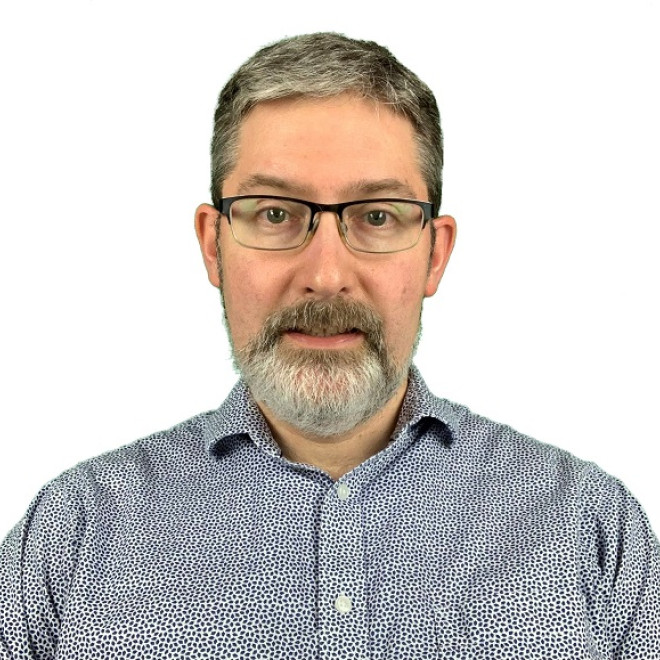
Dr. Jean Théberge
Full Name
Dr. Jean Théberge
Role
Location
Degrees and Qualifications
Ph.D., FCCPM
Website
Research Overview
The NeuroPsychiatry Imaging Lab (NeuroPIL), lead by Dr. Jean Théberge, is a research group dedicated to the development, implementation and application of brain imaging methodologies in psychiatry research.
Publications:
Biography
Dr. Théberge is a certified Medical Physicist specialized in magnetic resonance. His current work involves providing support to the clinical MRI programs of St. Joseph’s Health Care and LHSC, teaching MRI at the graduate level in the Medical Biophysics program of the University of Western Ontario and conducting MR imaging research within the Lawson Health Research Institute’s Imaging Division.
With a solid background in physics, significant computer programming skills and knowledge and experience of neuropsychiatry, Dr. Théberge has been able to forge several alliances with clinical collaborators that allow him to conduct a wide range of brain imaging research, methodological developments and applications centered around the theme of neuropsychiatric disorders.
His current research in this area includes investigations of progressive changes in brain chemistry in schizophrenia using magnetic resonance spectroscopy, investigations of brain functional connectivity in major depression in youth as well as in individuals with schizophrenia or post-traumatic stress disorder. Most recently, his group is applying functional MRS methods to the study of glutamate dynamics during the performance of a cognitive task in these disorders.
… f\s··,:;~ STJOSEPHs HEALTH CARE . LONDON May 30, 2017 Dr. Gillian Kernaghan President and Chief Executive Officer St. Joseph's Health Care London Dear Dr. Kernaghan: Office of the Chair, Board … consent, the Board of Directors, St. Joseph's Health Care London approved the recommendation of the Executive …
f\s,:;~ STJOSEPHs HEALTH CARE . LONDON May 30, 2017 Dr. Gillian Kernaghan President and Chief Executive Officer St. Joseph's Health Care London Dear Dr. Kernaghan: Office of the Chair, Board of Directors PO Box sm, Stn B London, ON N6A4V2 T: 519 646-6100 ext 64202 In accordance with the terms and co...
Dr. Manuel Montero-Odasso named as one of most influential Hispanic Canadians
Dr. Manuel Montero-Odasso, Clinician Scientist at Lawson Health Research Institute and Director of the Gait and Brain Lab, has been named as one of the 10 most influential Hispanic Canadians for 2019. Presented by TD Bank, those on the list were honoured at an awards ceremony in Toronto, Ontario in November.
A geriatrician at St. Joseph’s Health Care London, Dr. Montero-Odasso is recognized as a world expert in dementia and gait disorders. The main focus of his research is on the interaction of mobility and cognitive decline in aging. He is the team leader for the Canadian Consortium on Neurodegeneration in Aging (CCNA), a collaborative research program advancing dementia research, and leads the Mobility, Exercise and Cognition (MEC) Team in London, comprised of top researchers in the area of mobility, exercise and brain health.
Dr. Montero-Odasso says that one aspect of his career that he is most proud of is being able to collaborate with other researchers in his field and “contribute to new approaches to combat mobility and cognitive decline in aging.” This is evident through the clinical trials he pioneered by implementing an approach of “improving cognition to improve mobility.”
TD Bank’s “10 Most Influential Hispanic Canadians” is awarded to individuals from the Hispanic community across Canada to recognize their outstanding achievements. Dr. Montero-Odasso’s influence is displayed on a global scale as he has received over 100 invitations to give international lectures and has published over 200 manuscripts and book chapters. He has a close relationship with the Spanish-speaking community and has hosted visiting scientists from Argentina and Spain.
“I feel honoured and privileged, particularly this kind of award where you are nominated by your peers. I am also glad my work is reflecting the role that my Hispanic background plays,” says Dr. Montero-Odasso, who is also a professor of Medicine, Epidemiology, and Biostatistics at Western University. “Additionally when you look at the other nominees, and those who have received the award in the past, it really gives you a sense of the amazing things Hispanics who live and work in this country are contributing to Canadian society.”
Dr. Montero-Odasso emphasizes the value of diversity and learning from different backgrounds when seeking solutions. As he continues working in this important field as a physician and researcher, Dr. Montero-Odasso’s goal is to, “find effective ways to treat and delay aging disability in order to add, as they say, life to the years, and not only years to the life.”
Scientist
Dr. Qingping Feng named Innovator of the Year for potential sepsis treatment
WORLDiscoveries, the technology transfer and business development office for Western University, Lawson Health Research Institute and Robarts Research Institute, recently announced the recipients of the 2020 Vanguard Awards.
Vanguard Awards recognize local researchers who, through partnership with WORLDiscoveries, have achieved various market-readiness milestones.
Lawson’s Dr. Qingping Feng was named as the Innovator of the Year. He is being recognized for his research and intellectual property related to Annexin and its use to treat inflammatory disorders. He holds patents issued in Canada, United States, Europe, China and Japan.
This award is given to individuals who demonstrate excellence in innovation within their field. It highlights the achievements of those who contribute to the culture of commercialization and entrepreneurship by creating a product or service that is beneficial to society.
Congratulations to Dr. Feng and all of the 2020 Vanguard Award recipients.
As the research institute of LHSC and St. Joseph’s, our researchers work in the lab and directly with clinicians, patients, families and other partners to enhance diagnostics and treatments. They also address care at a system level by improving delivery of services for people in London and beyond.
For any pressing health question, our work does not stop once the research is done. Commercialization and business development are vital components in driving innovation and transforming health care, all while supporting Canada’s knowledge economy.
Learn more about Dr. Feng’s research:
Dr. Raymond Kao awarded John McCrae Memorial Medal by Canadian Medical Association
Captain (Navy) Dr. Raymond Kao, a Lawson associate scientist, has been awarded the 2017 John McCrae Memorial Medal by the Canadian Medical Association (CMA).
Dr. Kao has served in various military units as a Medical Officer since 1991 and has been a member of the Canadian Armed Forces since 1977. He has served in Africa and the Middle East. In 2013, Dr. Kao was named Canada’s first Chair in Military Critical Care Research. A major focus of his research has been on improving military trauma care and developing treatments that can be brought to the battle field.
The John McCrae Memorial Medal from the CMA recognizes clinical health services personnel of the Canadian Forces who perform exemplary service and demonstrate compassion, self-sacrifice or innovation beyond the call of duty to benefit the health or welfare of fellow military personnel or civilian populations.
“Receiving this honour is very humbling because one does not achieve anything without the help of others. My work would not be possible without the support of and collaboration with other researchers. This award represents the efforts of all the military physicians and surgeons, nurses, medical technicians, allied health care providers and physicians’ assistants on my deployments who have worked to provide excellent care,” says Dr. Kao, who is also the senior critical care advisor to the Surgeon General, a critical care physician at London Health Sciences Centre (LHSC), and an Associate Professor in the Department of Medicine at Western University’s Schulich School of Medicine & Dentistry.
In 2014, Dr. Kao was part of a military medical team sent to Sierra Leone to help combat the Ebola epidemic. He provided care to affected health care workers and studied prognostic factors to help improve care in future epidemics.
He is currently studying the use of C-Peptide to improve organ dysfunction after traumatic hemorrhagic shock caused by blunt or penetrating trauma. Hemorrhagic shock is treated with fluid resuscitation, or fluid replacement, which can also put stress on the organs. His recent studies have shown that C-Peptide, an insulin connecting protein, has the potential to reduce gut injury and lung inflammation from hemorrhagic shock and fluid resuscitation.
Dr. Kao is also widely recognized for his research on erythropoietin, a hormone produced by the kidneys that stimulates the production of red blood cells and, in turn, haemoglobin. He found that when combined with saline, erythropoietin can improve blood flow and tissue oxygen usage after an injury. Erythropoietin can easily be administered through a syringe and can be used to help stabilize wounded soldiers in the battlefield.