


Search
Search
570 Search Results:
… MIND & SPIRIT SINCE 1869 Renowned for compassionate care, St. Joseph’s is one of the best academic health care organizations in Canada dedicated to helping people live to their fullest by minimizing the effects of injury, disease and … MIND & SPIRIT SINCE 1869 Renowned for compassionate care, St. Joseph’s is one of the best academic health care …
CARING FOR THE BODY, MIND & SPIRIT SINCE 1869 Renowned for compassionate care, St. Josephs is one of the best academic health care organizations in Canada dedicated to helping people live to their fullest by minimizing the effects of injury, disease and disability through excellence in care, teachin...
… Residency Consortium 2022-2023 ACKNOWLEDGEMENTS Just as our Consortium is the result of a large collaboration … Sciences Centre): 31 #;.1 London Health Sciences Centre ~ S!JOSEPHs HE.UTHCAR( lO NDON … the site can be found at: www.lhsc.on.ca/About_Us/LHSC/Maps_Directions/UH_Site_Map.pdf Estimated Driving Time from …
CPA Accredited Member of APPIC & CCPPP Clinical Psychology Residency CONSORTIUM Predoctoral Residency in Clinical Psychology 20222023 Your guide to predoctoral training in clinical psychology within one of Canadas leading CPA accredited residency programs Clinical Psychology Residency CONSORTIUM Lon...
Preventing infertility in men who undergo lymph node removal surgery for testicular cancer
When patients with testicular cancer undergo lymph node removal surgery there is a risk that their fertility will be affected if proper nerve sparing techniques are not used. Up to 75 per cent of men will not be able to father children if they receive the surgery without these techniques.
Lawson’s Internal Research Fund (IRF) has awarded a grant to Dr. Nicholas Power, a researcher at Lawson and urologic oncologist at London Health Sciences Centre (LHSC), who is leading a study to identify the nerves involved in fertility that are affected in lymph node removal surgery for testicular cancer.
“Sometimes patients go through a lot to be cured of testicular cancer only to be left dealing with long-term survivorship issues such as fertility. We hope to gain new insights into how fertility can be preserved after these men receive lymph node removal surgery,” says Dr. Power, who is also an assistant professor at Western University’s Schulich School of Medicine & Dentistry.
In collaboration with Schulich assistant professors Dr. Marjorie Johnson and Dr. Brian Allman, and PhD candidate Tyler Beveridge, Dr. Power published initial results in The Journal of Urology announcing their discovery of a brand new anatomic structure, the pre-hypogastric ganglion, which needs to be spared in surgery to maintain fertility. They were also able to describe the first roadmap of retroperitoneal neuroanatomy – the anatomy of nerves in the space where surgeons locate lymph nodes most commonly affected by testicular cancer that has spread.
“There has never been a definitive anatomic study of the nerves of the retroperitoneum so it was our goal to provide the first comprehensive study of the nerves as they relate directly to patients who have testicular cancer,” explains Dr. Power. “After we published the initial results we were approached by textbook authors to use our data in upcoming editions of anatomy and surgical atlases. This will help to provide insight into nerve sparing techniques for surgeons who have not been trained at high-volume centers and ultimately improve the quality of care in testicular cancer patients overall.”
Already Dr. Power has found that using this knowledge when he performs lymph node removal surgery for testicular cancer has led to a 95 per cent success rate of preserving fertility.
The IRF will go towards their research to further investigate the actual function and physiology of the retroperitoneal neuroanatomy using a pig model.
“Lawson’s IRF provides incredible support for a field of study such as ours that is not yet at the stage of applying for a large grant. Receiving the funding gives us the independence to test out novel yet important hypotheses that will then lead us to further grants,” says Dr. Power.
Image
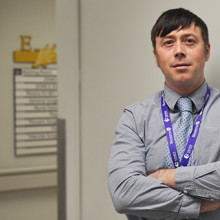
Above: Dr. Nicholas Power
The IRF is designed to provide Lawson scientists and students the opportunity to obtain start-up funds for new projects with the potential to obtain larger funding, be published in a high-impact journal, or provide a clinical benefit to patients. Funding is provided by the clinical departments of London Health Sciences Centre and St. Joseph’s Health Care London, as well as the hospital foundations (London Health Sciences Foundation and St. Joseph's Health Care Foundation).
Prevention and Awareness: Delirium
8:00pm - 9:00pm
You are invited to the first in a series of Research Bites,. These informative and interactive talks will focus on specific illnesses, their prevention and related research being conducted by researchers in London, Ontario.
Topic: Prevention and Awareness: Delirium
Image

Dr. O'Regan will share about delirium and what it means, and provide highlights of her ongoing research happening locally. She will also be speaking about how to recognize delirium in a loved one and what to do in this scenario, as well as the steps you can take to help prevent it.
Date: Thursday, January 24, 2019
Time: 4 - 5 pm
Location: Parkwood Institute, Mental Health Building, Auditorium (F2-235)
550 Wellington Road South
London, Ontario N6C 0A7
Maps and Directions for Parkwood Institute.
Parking: The lot rate is $4.00 when you enter. $1 and $2 coins and credit card accepted (press the start button then insert payment)
Registration is required and spots will fill up quickly.
Click here to register.
These talks are hosted by Parkwood Institute Research, a program of Lawson Health Research Institute.
… Providing Geriatric Virtual Care across the South West: Guidance Document for Health Care and Community Support Services Providers SOUTH WEST FRAIL SENIOR STRATEGY VERSION 1 NOVEMBER 2020 Guidance Document for … Providing Geriatric Virtual Care across the South West: Guidance Document for Health Care and Community Support …
Providing Geriatric Virtual Care across the South West: Guidance Document for Health Care and Community Support Services Providers SOUTH WEST FRAIL SENIOR STRATEGY VERSION 1 NOVEMBER 2020 Guidance Document for Health Care and Community Support Services Providers on Providing Geriatric Virtual Care A...
… Providing Geriatric Virtual Care across the South West: Guidance Document for Health Care and Community Support Services Providers SOUTH WEST FRAIL SENIOR STRATEGY VERSION 1 NOVEMBER 2020 Contact South West Frail … Providing Geriatric Virtual Care across the South West: Guidance Document for Health Care and Community Support …
Providing Geriatric Virtual Care across the South West: Guidance Document for Health Care and Community Support Services Providers SOUTH WEST FRAIL SENIOR STRATEGY VERSION 1 NOVEMBER 2020 Contact South West Frail Senior Strategy at RegionalFrailSeniors@sjhc.london.on.ca for further informaon and fee...
… Providing Geriatric Virtual Care across the South West: Guidance Document for Health Care and Community Support Services Providers SOUTH WEST FRAIL SENIOR STRATEGY VERSION 1 NOVEMBER 2020 Guidance Document for … Providing Geriatric Virtual Care across the South West: Guidance Document for Health Care and Community Support …
Providing Geriatric Virtual Care across the South West: Guidance Document for Health Care and Community Support Services Providers SOUTH WEST FRAIL SENIOR STRATEGY VERSION 1 NOVEMBER 2020 Guidance Document for Health Care and Community Support Services Providers on Providing Geriatric Virtual Care A...
… Illuminating a vision of care 2005-2006 AnnuAl RepoRt Strategic Plan Creation of our new four-year strategic plan … process was used to gain input about our future roles and directions. We welcomed the involvement of St. Joseph’s … the pursuit and allocation of resources with our strategic directions • Develop and implement a rational and …
Illuminating a vision of care 2005-2006 AnnuAl RepoRt Strategic Plan Creation of our new four-year strategic plan began in the summer of 2004 with the formation of a Board-appointed Strategic Planning Steering Committee. In the months that followed, a highly consultative process was used to gain inp...
… C A R E , LO N D O N 2 0 0 4 / 2 0 0 5 care is at our core STAND TALL AND PROUD SINK YOUR ROOTS DEEPLY INTO THE EARTH … OF SUMMER THE WISDOM TO LET GO OF LEAVES IN THE FALL THE REST AND QUIET RENEWAL OF WINTER. – Ilan Shamir, Advice from a … vital stakeholders. This plan will provide the strategic directions and initiatives to guide our work over the next …
S T. J O S E P H S H E A LT H C A R E , LO N D O N 2 0 0 4 / 2 0 0 5 care is at our core STAND TALL AND PROUD SINK YOUR ROOTS DEEPLY INTO THE EARTH REFLECT THE LIGHT OF A GREATER SOURCE THINK LONG TERM GO OUT ON A LIMB REMEMBER YOUR PLACE AMONG ALL LIVING BEINGS EMBRACE WITH JOY THE CHANGING SEASON...
Pulmonary surfactant potential treatment for COVID-19-induced respiratory failure
LONDON, ON – Researchers at Lawson Health Research Institute (Lawson) have launched a new study to investigate the use of bovine lipid extract surfactant suspension (BLES®) for treating severe cases of COVID-19.
Surfactant is made of lipids and proteins. Its primary function is to reduce surface tension in the alveoli in the lungs, helping us to exchange gases and breathe more efficiently. Alveoli can be described as tiny, balloon-like air sacs that exchange oxygen and carbon dioxide to and from the blood stream. When there is less surfactant being produced, or the surfactant is dysfunctional, alveolar walls can stick together, making it difficult to breathe.
Lung analyses from patients with severe COVID-19-induced respiratory failure indicate there is a change in their alveolar type-II cells; the cells which secrete surfactant. This suggests a change to the surfactant being produced, and a decrease in its functional efficacy.
Dr. Jim Lewis, Lawson Scientist and Respirologist at St. Joseph’s Health Care London, and his colleague, Lawson Scientist Dr. Ruud Veldhuizen, are studying whether the use of BLES®, an exogenous surfactant, given at the time of intubation, will help improve outcomes such as gas exchange, need for mechanical ventilation, systemic inflammatory response, and length of ICU and hospital stay in patients with severe COVID-19.
BLES® is a pulmonary surfactant, manufactured in London, Ontario. It is currently used worldwide to help improve lung function in premature babies. Researchers are confident that it can help adults who develop lung disease and acute respiratory distress syndrome (ARDS).
Dr. Jim Lewis explains, “BLES® has been studied in pediatric and adult populations with ARDS, and we have found that it improves outcomes in patients with direct lung injury when compared to patients receiving standard treatment. We have proven this treatment effective in the past, and COVID-19 seems to be another prototypic case that we think will respond well.”
“Mechanical ventilation, while sometimes necessary, can cause damage to the lungs,” says Dr. Veldhuizen. “In previous studies, we’ve been able to show that if you give the surfactant early, prior to ventilation, you can prevent some of this damage from occurring.”
“The world is focused on finding good treatments for COVID-19. This kind of research is only possible through strong partnerships, and we are thankful for the collaboration that is possible here in London. Many different experts are involved in this study, including scientists and research staff, physicians, nurses, respiratory therapists, pharmacists, and staff at BLES® Biochemicals,” adds Dr. Veldhuizen.
Researchers hope to recruit ten patients to receive the exogenous surfactant, with another ten serving as the control group.
-30-
About Lawson Health Research Institute
Lawson Health Research Institute is one of Canada’s top hospital-based research institutes, tackling the most pressing challenges in health care. As the research institute of London Health Sciences Centre and St. Joseph’s Health Care London, our innovation happens where care is delivered. Lawson research teams are at the leading-edge of science with the goal of improving health and the delivery of care for patients. Working in partnership with Western University, our researchers are encouraged to pursue their curiosity, collaborate often and share their discoveries widely. Research conducted through Lawson makes a difference in the lives of patients, families and communities around the world. To learn more, visit www.lawsonresearch.ca.
Media Contacts
Celine Zadorsky
Senior Media Relations Consultant
Communications & Public Engagement
T: 519-685-8500 ext. 73502
Celine.zadorsky@lhsc.on.ca
Pulmonary surfactant potential treatment for COVID-19-induced respiratory failure
Researchers at Lawson Health Research Institute (Lawson) have launched a new study to investigate the use of bovine lipid extract surfactant suspension (BLES®) for treating severe cases of COVID-19. They hope to improve COVID-19 outcomes, and reduce the time needed on mechanical ventilation for severe cases.
Surfactant is made of lipids and proteins. Its primary function is to reduce surface tension in the alveoli in the lungs, helping us to exchange gases and breathe more efficiently. Alveoli can be described as tiny, balloon-like air sacs that exchange oxygen and carbon dioxide to and from the blood stream. When there is less surfactant being produced, or the surfactant is dysfunctional, alveolar walls can stick together, making it difficult to breathe.
Lung analyses from patients with severe COVID-19-induced respiratory failure indicate there is a change in their alveolar type-II cells; the cells which secrete surfactant. This suggests a change to the surfactant being produced, and a decrease in its functional efficacy.
Dr. Jim Lewis, Lawson Scientist and Respirologist at St. Joseph’s Health Care London, and his colleague, Lawson Scientist Dr. Ruud Veldhuizen, are studying whether the use of BLES®, an exogenous surfactant, given at the time of intubation, will help improve outcomes such as gas exchange, need for mechanical ventilation, systemic inflammatory response, and length of ICU and hospital stay in patients with severe COVID-19.
Image

BLES® is a pulmonary surfactant, manufactured in London, Ontario. It is currently used worldwide to help improve lung function in premature babies. Researchers are confident that it can help adults who develop lung disease and acute respiratory distress syndrome (ARDS).
Dr. Jim Lewis explains, “BLES® has been studied in pediatric and adult populations with ARDS, and we have found that it improves outcomes in patients with direct lung injury when compared to patients receiving standard treatment. We have proven this treatment effective in the past, and COVID-19 seems to be another prototypic case that we think will respond well.”
“Mechanical ventilation, while sometimes necessary, can cause damage to the lungs,” says Dr. Veldhuizen. “In previous studies, we’ve been able to show that if you give the surfactant early, prior to ventilation, you can prevent some of this damage from occurring.”
“The world is focused on finding good treatments for COVID-19. This kind of research is only possible through strong partnerships, and we are thankful for the collaboration that is possible here in London. Many different experts are involved in this study, including scientists and research staff, physicians, nurses, respiratory therapists, pharmacists, and staff at BLES® Biochemicals,” adds Dr. Veldhuizen.
Researchers hope to recruit ten patients to receive the exogenous surfactant, with another ten serving as the control group.
… Pulmonary Rehabilitation Program Lifestyle Change and Self-Management Workbook Page | 1 Pulmonary … the frequency, and the delivery method. You may also get directions on starting a course of steroids and/or an … dly and steadily. Hold Breathe out @ LUNG RESPTREC' gs‘! JOSEPHs R s Page | 27 http://lungsask.ca/inhaler-resources …
Pulmonary Rehabilitation Program Lifestyle Change and Self-Management Workbook Page | 1 Pulmonary Rehabilitation Program Dr. Michael Nicholson, Medical Director Tajana Jokic, Program Coordinator Authors Megan Graat, R. Kin, MPH Karen Unsworth, MSc Lia Kutzscher, RN (EC) MScN CRE Andraena Tilgner, RR...
… REQUEST FOR RADIATION BADGE NS7407 (Rev. 2021/08/17) SECTION A: Applicant Information Applicant’s Surname: First Name: Middle Name: Date of Birth (YYYY/MM/DD): Sex: … 1990, c. P.40. and allows London Health Sciences Centre and St. Joseph’s Health Care to monitor their staff for …
REQUEST FOR RADIATION BADGE NS7407 (Rev. 2021/08/17) SECTION A: Applicant Information Applicants Surname: First Name: Middle Name: Date of Birth (YYYY/MM/DD): Sex: Female Male Social Insurance Number: Country of Birth: Province of Birth: Phone or Email: Employed by: Facility / Department: Job Titl...
… REQUEST FOR RADIATION BADGE NS7407 (Rev. 2021/08/17) SECTION A: Applicant Information Applicant’s Surname: First Name: Middle Name: Date of Birth (YYYY/MM/DD): Sex: … 1990, c. P.40. and allows London Health Sciences Centre and St. Joseph’s Health Care to monitor their staff for …
REQUEST FOR RADIATION BADGE NS7407 (Rev. 2021/08/17) SECTION A: Applicant Information Applicants Surname: First Name: Middle Name: Date of Birth (YYYY/MM/DD): Sex: Female Male Social Insurance Number: Country of Birth: Province of Birth: Phone or Email: Employed by: Facility / Department: Job Titl...
… The Family Advisory Council (FAC) of St- Joseph’s Mental Health Care Program is pleased to share … of our loved one and families in the mental health care system. The FAC has been able to achieve several important … – addressed the history, key accomplishments, and future directions of the Family Advisory Council. (April 2014) …
The Family Advisory Council (FAC) of St- Josephs Mental Health Care Program is pleased to share our fourth report. It highlights some of our successes, accomplishments and the continued advocacy objectives that are important for the well-being of our loved one and families in the mental health care ...
Recent Advances in Clinical Dementia Research
8:00pm - 9:00pm
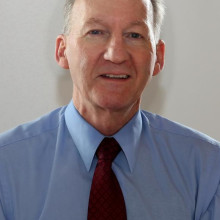
Hear Dr. Michael Borrie, one of the world’s foremost leaders in Dementia research, talk about non-drug approaches to maintain brain health and ongoing research for cognitive impairment.
Research Bites is a series presented by Parkwood Institute Research (PIR). These informative and interactive talks focus on specific illnesses, their prevention and related health research being conducted by researchers in London and area. PIR is a program of Lawson, the research institute of London Health Sciences Centre and St. Joseph’s Health Care London.
This is a free learning series open to the community.
Register today before spots fill up!
About this event:
Image
Date: Tuesday, January 21, 2020
Time: 4 - 5 p.m.
Location:
Parkwood Institute, Main Building
WCW Auditorium (Room E1-130)
550 Wellington Road, London, ON N6A 4V2
Maps and Directions for Parkwood Institute.
Parking: The lot rate is $5.00 when you enter. $1 and $2 coins and credit card accepted (press the start button then insert payment)
Register Today
Relieving the pain: Current research on pain and its management
11:00pm - 1:00am
There has been an explosion of scientific knowledge that is helping us to uncover the changes that happen when an individual develops pain, giving millions of people the hope that they will be better able to manage their own pain.
Pain is one of the most common reasons people seek medical attention. In Canada, 25 per cent of adults are affected by chronic pain and that statistic moves up to 50 per cent in the elderly.
Acute and ongoing pain have traditionally been hard to understand and there has isn’t always a clear answer for tackling these issues. We do know that ongoing pain can have significant impacts on one’s wellbeing.
Join Lawson Health Research Institute for our next Café Scientifique to hear a panel of experts share more about local research in the areas of:
- The role of opioid and cannabis analgesics in the management of pain.
- The impact of pain for individuals and families, including children experiencing pain, and some of the barriers to its management.
- The growing understanding of the mechanisms of pain to create the best long-term results for patients.
- Educational tools for patients and caregivers.
Speakers
Image
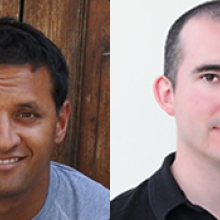
- Dr. Dwight Moulin, Clinical Neurological Sciences and Oncology
- Dr. Naveen Poonai, Paediatric Emergency Medicine
- Dr. Dave Walton, School of Physical Therapy
- MODERATOR – Dr. Kathy Speechley, Epidemiology & Biostatistics
Event Details
Date: Tuesday, November 20, 2018
Time: 7-9 pm (doors open at 6:30 pm)
Location: Best Western Plus Lamplighter Inn & Conference Centre, 591 Wellington Rd, London, ON N6C 4R3
Map and directions
Parking: Ample free parking on-site
This is a free community event and online registration is REQUIRED.
Click here to register.
Lawson is the research institute of London Health Sciences Centre and St. Joseph’s Health Care London.
… Report on Mission, Spiritual Care and Health Care Ethics St. Joseph’s Health Care London 2013/2014 Report to St. Joseph’s Health Care Society 2 Contents Page 3 Report on … great changes we have experienced over the years, of new directions we now travel and of horizons we have set our …
Leadership in Mission Report on Mission, Spiritual Care and Health Care Ethics St. Josephs Health Care London 2013/2014 Report to St. Josephs Health Care Society 2 Contents Page 3 Report on Governance and Leadership Page 8 Report on Heath Care Ethics Page 13 Report on Spiritual Care Page 18 Living o...
Research Data Management
Research data management (RDM) is the organization and maintenance of research data throughout the entire research project life cycle. This includes setting up protocols before initiating data collection, and then collecting, tracking, and creating backups of the data during study execution. It also includes data sharing, archiving and publishing upon project completion.
RDM is not a new concept. Lawson Research Institute (Lawson) of St. Joseph’s Health Care London researchers already employ these processes and procedures, and perform RDM in varying capacities.
Why is it important?
RDM is an essential part of research excellence. Research must be conducted to the highest professional standard by ensuring that it is performed ethically, makes good use of public funds, experiments and studies are replicable, and research results are as accessible as possible. In addition, some journals require certain types of data to be shared or stored in specific repositories as a condition of publication. Concerns around reproducibility of research results have led to increased interest in data sharing so research results can be replicated and confirmed.
There is also a need to elevate the availability of Canadian data on the world stage. This means we need more Canadian datasets to be cited and used in research outputs and acknowledged appropriately. This would also increase the ability for research data to be archived, found, and responsibly reused, to fuel new discoveries and innovation across multiple disciplines and geographical borders.
In short, strong RDM practice is a sign of research excellence and Lawson is committed to the highest quality of research integrity and excellence.
Institutional RDM Strategy
An institutional RDM strategy is a concise and directive document that outlines how an institution will increase its capacity for effective RDM.
The purpose of creating and establishing an institutional RDM strategy is to foster a culture of sustainable and collaborative data stewardship and develop the capacity to support researchers in adopting responsible RDM practices, following FAIR (Findable, Accessible, Interoperable, and Reusable) guiding principles.
Lawson recognizes that efficient research data management is an essential element of research excellence. A Lawson Institutional Research Data Management Strategy has been developed in accordance with the Tri-Agency Research Data Management Policy (Government of Canada, 2021).
For additional information please contact: @email.
… AND FEASIBLE METHOD OF QUALITY IMPROVEMENT AMONG PSYCHIATRISTS: A pilot Ontario study Kamini Vasudev, Joel Lamoure, Michael Beyaert, … a peer-reviewed journal designed to publish reviews, case studies and research articles authored by the mental health … AND FEASIBLE METHOD OF QUALITY IMPROVEMENT AMONG PSYCHIATRISTS: A pilot Ontario study Kamini Vasudev, Joel Lamoure, …
ISSN 2368-6294 (Print) ISSN 2368-6308 (Online) DECEMBER 2014 | VOL 11 No. 2 Editor J. D. Mendonca PhD CPsych ACADEMIC DETAILING AS A FOCUSED, ENGAGING AND FEASIBLE METHOD OF QUALITY IMPROVEMENT AMONG PSYCHIATRISTS: A pilot Ontario study Kamini Vasudev, Joel Lamoure, Michael Beyaert, Varinder Dua, Da...