


Search
Search
1863 Search Results:
Dr. s copy Western Schulich School of Medicine & Dentistrys copy Department of s copy Medical Affairs copy THIS LETTER OF OFFER IS ONLY TO BE ISSUED AFTER CONFIRMATION OF THREE SATISFACTORY REFERENCES FOR THE CANDIDATE. Dear Dr.
… or sterile irrigates Responsibilities • Treating physician/medical designate must obtain informed consent, from the … or sterile irrigates Responsibilities • Treating physician/medical designate must obtain informed consent, from the …
Presentation: Cathy Stark Occupational Health What should I do if I am exposed to blood or body fluid of a patient? Immediately Following an Exposure Wash cuts, puncture wound or skin abrasion with soap and water. Flush splashes to the nose, mouth or skin with water, irrigate eyes with water, saline...
… “Exposure to Blood” Responsibilities • Treating physician/medical designate must obtain informed consent, from the … Presenter Presentation Notes 2. The treating physician/medical designate must obtain informed consent, from the … event type and not Infection Control. If you are a student, medical clerk, or volunteer, only a person with hospital …
Presentation: Cathy Stark Occupational Health What should I do if I am exposed to blood or body fluid of a patient? Immediately Following an Exposure Wash cuts, puncture wound or skin abrasion with soap and water. Flush splashes to the nose, mouth or skin with water, irrigate eyes with water, saline...
… birth (yyyy/mmm/dd) Language ⃝ English ⃝ French Occupation Medical Resident 2 Revocable beneficiary nomination … birth (yyyy/mmm/dd) Language ⃝ English ⃝ French Occupation Medical Resident 2 Revocable beneficiary nomination …
1 Member details Contract Number 087989 Contract holder name O.C.O.T.H. (Life Insurance) New Hire Re-Hire Date of Hire/Re-hire (yyyy/mmm/dd) Member ID number: Effective date of coverage (yyyy/mmm/dd) Member name (first, middle initial, last) Gender Male Female Date of birth (yyyy/mmm/dd) Languag...
Dr. s copy Western Schulich School of Medicine & Dentistrys copy Department of s copy Medical Affairs copy THIS LETTER IS ONLY TO BE ISSUED TO CONFIRM A CHANGE IN PRIVILEGES OR ARC CATEGORY TO AN EXISTING CREDENTIALED CLINICAL ACADEMIC
Dr. s copy Western Schulich School of Medicine & Dentistrys copy Department of s copy Medical Affairs copy THIS LETTER IS ONLY TO BE ISSUED TO CONFIRM A CHANGE IN PRIVILEGES OR ARC CATEGORY TO AN EXISTING CREDENTIALED CLINICAL ACADEMIC
Dr. s copy Western Schulich School of Medicine & Dentistrys copy Department of s copy Medical Affairs copy THIS LETTER IS ONLY TO BE ISSUED TO CONFIRM A CHANGE IN PRIVILEGES OR ARC CATEGORY TO AN EXISTING CREDENTIALED CLINICAL ACADEMIC
Dr. s copy Western Schulich School of Medicine & Dentistrys copy Department of s copy Medical Affairs copy THIS LETTER IS ONLY TO BE ISSUED TO CONFIRM A CHANGE IN PRIVILEGES OR ARC CATEGORY TO AN EXISTING CREDENTIALED CLINICAL ACADEMIC
… the LHSC & St. Joseph’s hospital package email Email: medical.affairs@londonhospitals.ca Fax: 519-667-6844 ☐ Canadian Medical Protective Association (CMPA) membership Initiate … www.cmpa.org Email your CMPA membership confirmation to medical.affairs@londonhospitals.ca ☐ Online Training: …
Hospital Checklist of Mandatory Requirements Requirement Initiate By Date Due Date Instruction on How to Complete Submission Method Review and sign the Hospital Appointment Letter Immediately Immediately Attachment within the LHSC & St. Josephs hospital package email Email: medical.affairs@londonho...
… the LHSC & St. Joseph’s hospital package email Email: medical.affairs@londonhospitals.ca Fax: 519-667-6844 ☐ Canadian Medical Protective Association (CMPA) membership Initiate … 6522 Online application: www.cmpa.org CMPA will provide Medical Affairs with confirmation of membership updates on a …
Hospital Checklist of Mandatory Requirements Requirement Initiate By Date Due Date Instruction on How to Complete Submission Method Review and sign the Hospital Appointment Letter Immediately Immediately Attachment within the LHSC & St. Josephs hospital package email Email: medical.affairs@londonho...
… the LHSC & St. Joseph’s hospital package email Email: medical.affairs@londonhospitals.ca Fax: 519-667-6844 ☐ Canadian Medical Protective Association (CMPA) membership Initiate … www.cmpa.org Email a copy of your CMPA membership to medical.affairs@londonhospitals.ca ☐ Online Training: …
Hospital Checklist of Mandatory Requirements Requirement Initiate By Date Due Date Instruction on How to Complete Submission Method Review and sign the Hospital Appointment Letter Immediately Immediately Attachment within the LHSC & St. Josephs hospital package email Email: medical.affairs@londonho...
… for all Pre-Arrests and Code Blue calls at LHSC What about Medical Emergencies? Feedback From Medical Staff • Makes caring for patients less stressful • … deteriorating patients. • A trusted service • Sometimes the medical residents feel they miss out on dealing with a …
Critical Care Outreach Team (CCOT) What should I do? 68 year old man is day 4 post hospital admission. He was admitted with abdominal pain and is being investigated for ischemic bowel. You receive a call at 0345 that his BP is 85/48. His baseline BP is 160/90. Case What should I do? A) Assess the...
… ID number, CPSO number, or OHIP billing number *Contact Medical Affairs at 519-685-8500 x75115 to obtain your … ID number, CPSO number, or OHIP billing number *Contact Medical Affairs at 519-685-8500 x75115 to obtain your …
Corporate Account and System Access Please review this entire document and then follow all the steps below to set up your: Corporate ID (network account) GroupWise (email account) ME(MyEducation) to access required elearning and in class sessions Purpose: How To: Corporate ID: Your Corporate ID w...
… ID number, CPSO number, or OHIP billing number *Contact Medical Affairs at 519-685-8500 x75115 to obtain your … ID number, CPSO number, or OHIP billing number *Contact Medical Affairs at 519-685-8500 x75115 to obtain your …
Corporate Account and System Access Please review this entire document and then follow all the steps below to set up your: Corporate ID (network account) GroupWise (email account) ME(MyEducation) to access required elearning and in class sessions Purpose: How To: Corporate ID: Your Corporate ID w...
… programs, PGME office, PARO, clinical departments and Medical Affairs to: – Foster a healthy workplace and … program directors, Dentistry and PGME offices, and hospital Medical Affairs • Advice from seasoned professionals • … programs, PGME office, PARO, clinical departments and Medical Affairs to: – Foster a healthy workplace and …
The Schulich Learner Wellness Office and You Donald Farquhar, MD, FRCPC Professor of Medicine Assistant Dean, Resident Wellbeing Office of Learner Equity and Wellness I can feel it coming in the air tonight, Ive been waiting for this moment all my life. Who We Are Where We Are Kresge Building, Weste...
… don’t replace the Code Blue or Pre- arrest team What about Medical Emergencies? • Admitted adult patients • PCCOT is … from the ICU for a minimum of 24 hours. Provision of Medical, Nursing and or Respiratory therapy interventions as … the ICU and other units. Assistance with teaching staff and medical personnel in the care of the critically ill or …
Critical Care Outreach Team (CCOT) Ministry of Health Initiative since 2006 Goals: -Critical Care to the bedside -Aim to reduce Cardiac arrests -Aim to reduce ICU length of stay Team: ICU consultant, ICU RN and RT. is a Background We dont replace the Code Blue or Pre- arrest team What about Medica...
… well as procedures such as injections or infusions. These medical components should be used to facilitate the self- … approximately 20-30% pain relief. When pain medications or medical treatments don’t seem to be working, this is when I … well as procedures such as injections or infusions. These medical components should be used to facilitate the self- …
A guide to managing your pain during COVID-19 Our services Hospitals across Ontario are doing everything they can to limit the spread of COVID-19, including rescheduling non- urgent outpatient clinic appointments for the time being. What does this mean for the Pain Management Program? For now, our g...
A new study is examining if probiotics can improve outcomes in knee replacement surgeries
LONDON, ON - Researchers at Lawson Health Research Institute are examining whether the use of a daily probiotic can improve outcomes in patients who undergo a total knee replacement surgery.
There are more than 70,000 knee replacement surgeries in Canada each year, and up to 10 per cent of patients experience complications following the procedure.
“One in five patients are dissatisfied after surgery due to pain and discomfort, and some patients need a repeat surgery because there is complication, infection or loosening of the joint,” says Dr. Matthew Teeter, Lawson Scientist at London Health Sciences Centre (LHSC).
Dr. Teeter and the research team are focused on improving patient outcomes. Recognizing that knee replacement patients who are considered healthy tend to have better outcomes, they are interested in how they can better support patients’ overall health as one way to optimize their outcomes.
“The knee replacement patients I see in clinic are very diverse - from young healthy active patients to medically complex to socioeconomically disadvantaged,” says Dr. Brent Lanting, Lawson Scientist and Orthopaedic Surgeon at LHSC. “We know those with poor health do not do as well as those with good health, good diet, and good supports. This study is profound in that it investigates a core aspect of our health – the gut microbiome.”
The research team will recruit 30 participants who are scheduled for a knee replacement surgery. Half of the participants will receive a daily probiotic for six-weeks ahead of the surgery, and the other half will act as a control group.
“Our microbiome is a large part of why we are healthy. A healthy person has a microbiome that produces vitamins and other things which cross over to our system and helps promote healing,” says Dr. Jeremy Burton, Lawson Scientist and Research Chair of Human Microbiome and Probiotics at St. Joseph’s Health Care London. “We are hoping it will improve more deep healing and prevention of the rejection of the joint by improving the microbiota by giving probiotics.”
The team will assess outcomes using CT imaging, looking at the bone and implant and how it is fixing into place. They will also use PET/MRI to look at the cellular activity around the joint and inflammation.
“This should give us a sharp focus of what is going on with the joint and help us determine if there was a positive effect by using probiotics,” explains Dr. Teeter.
If the pilot study proves to be promising, the team will then work towards a larger clinical trial, combining probiotics into pre-surgical care.
“Ultimately, we want better patient outcomes with a simple treatment,” adds Dr. Burton. “If we can help improve outcomes with the use of a daily probiotic, that is a great win.”
The research team received a New Frontiers in Research Fund (NFRF) of $250,000 over three years to conduct this study.
About Lawson Health Research Institute
Lawson Health Research Institute is one of Canada’s top hospital-based research institutes, tackling the most pressing challenges in health care. As the research institute of London Health Sciences Centre and St. Joseph’s Health Care London, our innovation happens where care is delivered. Lawson research teams are at the leading-edge of science with the goal of improving health and the delivery of care for patients. Working in partnership with Western University, our researchers are encouraged to pursue their curiosity, collaborate often and share their discoveries widely. Research conducted through Lawson makes a difference in the lives of patients, families and communities around the world. To learn more, visit www.lawsonresearch.ca.
Media Contacts
Celine Zadorsky
Senior Media Relations Consultant
Communications & Public Engagement
T: 519-685-8500 ext. 73502
Celine.zadorsky@lhsc.on.ca
A reinvigorated Lawson Association of Fellows and Students
A highly engaged group of trainees has brought considerable energy and organizational ability to connecting with each other for academic, personal, social and career development. The Lawson Association of Fellows and Students (LAFS) facilitates opportunities for trainees to learn more about the London research community, interdisciplinary collaboration and idea exchange so that members are exposed to research from inception to implementation and evaluation.

The group has been host to numerous events in recent months, including monthly academic seminars "Talks on Fridays," social events such as bowling and a holiday meet-and-greet. Their most ambitious event of the year took place April 10 with a “Leading the Future” cocktail reception that featured St. Joseph's President and CEO Roy Butler as keynote speaker highlighting the important current and future roles of trainees in the ecosystem of Lawson and St. Joseph’s.
The 100-plus attendees also heard from four panelists – Emma Wardhaugh, a third-year medical student at Schulich School of Medicine and Dentistry; Dr. Edith Arany, a Lawson scientist from the imaging department; Phivos Phylactou, a neuroscientist and postdoctoral fellow in Mobility and Activity; and Stephanie Marrocco, a PhD candidate who holds a Health Systems Impact Fellowship. The panelists shared their insights on how St. Joseph's and Lawson support their professional journeys, as well as their passion for learning, research and improving patient care. With several Lawson scientists in attendance, it proved to be an excellent opportunity for networking and encouragement.

A vision for the future of ICES Western: Q&A with Dr. Kristin Clemens
Dr. Kristin Clemens has been selected as the new Site Director for ICES Western, the London, Ontario division of a province-wide non-profit focused on using health-related data to evaluate outcomes. ICES Western is a collaborative initiative between Lawson Health Research Institute, Western University, London Health Sciences Centre (LHSC) and St. Joseph’s Health Care London.
Dr. Clemens is a Scientist at Lawson and an Endocrinologist at St. Joseph’s. She is also an Assistant Professor in epidemiology and biostatistics at Western’s Schulich School of Medicine & Dentistry. Dr. Clemens recently sat down to discuss the impact of the work being done through ICES Western and her hopes for the future.
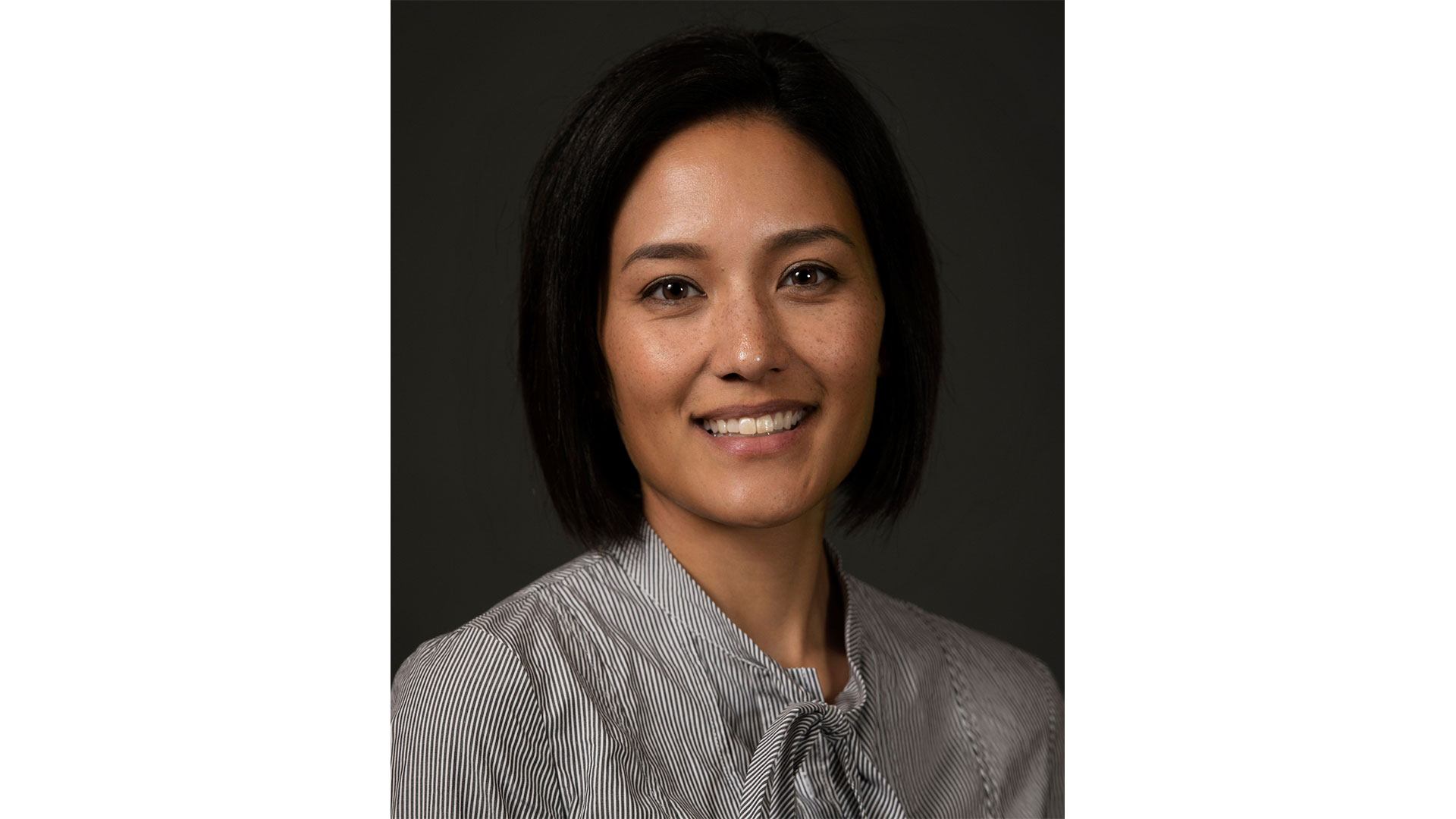
1. What are you most excited for as ICES Western’s new site director?
I get to continue to work closely with an amazing group of ICES Western staff and scientists. ICES Western is already a well-oiled machine and home to scientific hubs of research in neurological health, homelessness and socioeconomic disparities, surgery, mental health, kidney disease and more. As a leader, I will not only be able to help harness some of our existing strengths, but have a chance to continue to move our institution forward. For example, Dr. Amit Garg (outgoing Site Director) will be advancing new and innovative randomized controlled trials in London, and ICES Western's going to continue to play a major role in that. There is so much more potential for innovation using our data sources; I think it's going to be a really exciting next few years for us.
2. Why did you choose to become involved with ICES Western?
I have been with ICES for about 14 years. I have lived it as an ICES trainee as a Medical Student and Resident/Fellow and became an ICES Adjunct Scientist after completing the inaugural ICES Faculty Scholars program hosted by ICES Western. I became more and more engaged with the community as a member of local ICES committees and then started to lead some of the larger research programs at ICES Western. It was the perfect time and really a natural fit for me to embark on a new leadership journey with the institution.
3. What do you hope to bring to your new position?
I'm an enabling and collaborative researcher and have been fortunate to work with multidisciplinary teams of scientists from across Western and Lawson. What I hope to do is not only support existing ICES staff, scientists, and initiatives, but also attract new researchers to the institution. I think London, Ontario, is such an incredible city for academia. I really want to use my collaborative skills and strong relationships to try to grow and expand our reach.
4. Has the work at ICES played a role in your research?
Yes, absolutely. My clinical and research focus has been on improving the care and outcomes of patients who live with complex comorbidities and disparities. ICES research allows us to focus on real-world gaps in care in Ontario and it gives us an opportunity to study people and patients who have not been able to participate in randomized trials or traditional research studies.
5. What impact does the work at ICES have on research being done in Ontario and across Canada?
ICES is home to one of the world's largest collections of administrative data sets that contain everything from hospital visits and physician encounters to use of medications and long-term care. We also have the unique ability to link data from national surveys or existing cohorts with administrative data. Because of this, ICES is very much at the forefront of improving care and quality for all Ontarians. Our research is shared internationally with both academics and non-academics, and it has changed practice and policy; it's an extremely impactful organization.
6. What do you see in the future for the organization?
I think in the future we will continue to do what we're already great at, like studying the use of health services and existing hubs of research, but also find ways to use our rich data sources, methods and talented staff to really innovate and advance research in London. With new collaborations in the city, we can also continue to grow and contribute.
7. What is the most important thing people should know about ICES?
ICES Western is here for London’s community of researchers, health care providers and decision makers. We have more than 20 scientists and dozens of highly qualified staff who are passionate about advancing high-quality, impactful work. ICES Western is a valuable resource for the community.