


Search
Search
1080 Search Results:
Dr. Cheryl Forchuk recognized for health care innovation
Dr. Cheryl Forchuk is the recipient of the 2020 Innovation Award for her work to prevent discharges from hospital to homelessness. Throughout her career, Dr. Forchuk has been investigating potential best practice approaches to prevent homelessness in our community for a wide range of people, including those with severe mental illness, veterans, families, and youth.
Her recent project, ‘Preventing Hospital Discharge into Homelessness: No Fixed Address Version 2 (NFAv2)’ streamlines housing and income services by bringing them into the hospital, and integrating them into a coordinated system of care.
Research shows that when someone is housed, their use of medical and social services decreases. Safe and adequate housing is required for individuals to recover from illness.
Version one of this program was a great success, providing direct access to a housing advocate and Ontario Works from inpatient hospital psychiatric units in London. The No Fixed Address v2 program provides individual inpatients, at risk of becoming homeless, with housing and financial assistance while in hospital. A collaborative approach which includes the local Canadian Mental Health Association, the Salvation Army Rent Stability Bank, Ontario Works, and the City of London brings community supports to the hospital. This enables patients to recover from their illness and reduces the number who may return to the hospital. Dr. Forchuk’s use of in-depth, individual, quantitative interviews, and qualitative focus groups, allows stakeholders to voice their experiences with the program as well as capture traditional outcomes.
“This innovative program has been so successful in London’s hospitals that the City of London has integrated the NFAv2 service within its municipal housing support programs,” explains Dr. Arlene MacDougall, Lawson Scientist and Dr. Forchuk’s nominator. “It also has the potential to be integrated across the province as the best practice in reducing homelessness in communities. Her efforts have been recognized by multiple funding agencies, and it will soon be the model for the rest of the nation to follow. Dr. Forchuk’s commitment to improve the lives and of those in our community makes her truly deserving of this award.”
“The No Fixed Address research project is the first evaluation anywhere of a strategy that aims to reduce the number of hospital patients being discharged into homelessness,” says Dr. Forchuk. “I’m really proud of our collective efforts. We have been able to help a lot of people, and have also learned a lot throughout the course of this study.”
Scientist
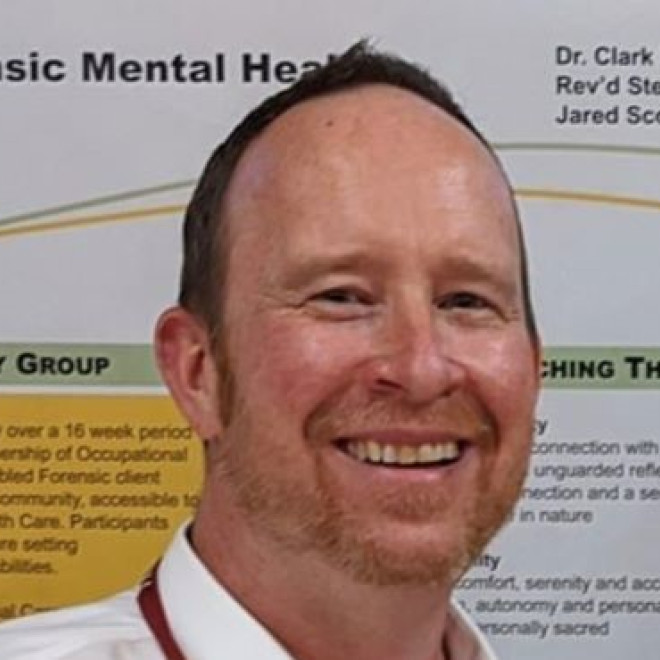
Dr. Clark Heard
Full Name
Dr. Clark Heard
Role
Degrees and Qualifications
Doctorate - Occupational Therapy - Temple University (Philadelphia, PA, USA)
Bachelor of Health Sciences - Occupational Therapy - McMaster University (Hamilton, ON, Canada)
Research Overview
- Focused on occupation, outcomes and the human experience of spirituality
Biography
Dr. Clark Heard is a staff occupational therapist at the Southwest Centre for Forensic Mental Health Care in St. Thomas, Ontario, Canada. Clark is also Adjunct Research Professor at the School of Occupational Therapy at Western University. A graduate of McMaster University (Hamilton, ON) and Temple University (Philadelphia, PA), Clark has a high volume of scholarly publication and has clinically precepted more than 125 occupational therapy students. A recipient of multiple teaching awards, Clark was nationally recognized by the Canadian Association of Occupational Therapists in 2015.Clark Has also been recognized with the Sister's of St. Joseph Award for Excellence in Care.
https://www.sjhc.london.on.ca/news-and-media/our-stories/unsung-heroes
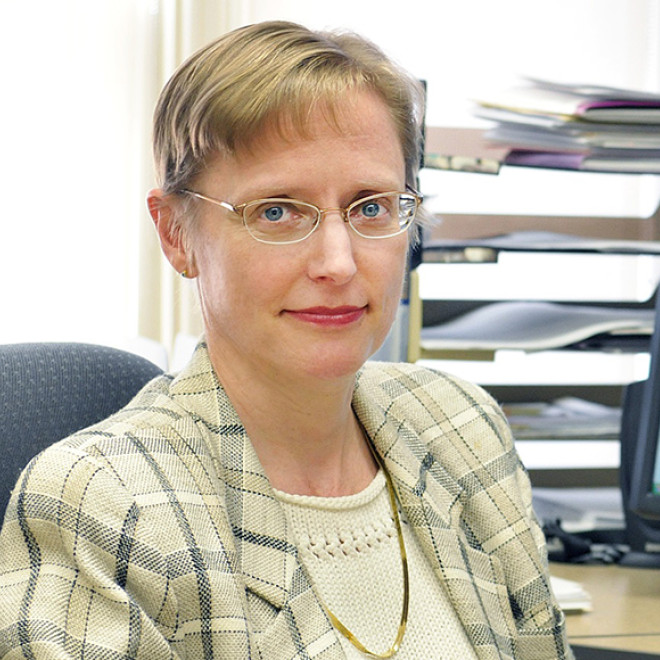
Dr. Elizabeth Osuch
Contact Information
Phone
519-685-8500
Extension
65188
Email
Administrative Support
ellen.annett@lhsc.on.ca
Research Overview
- Affective disorders
- Reward system/neurocircuitry
- fMRI in neuropsychaitric disorders
- Differentiating mood disorders in the early stages of illness
- Machine learning classification algorithms
- Neurophysiology of non-suicidal self-injurious behavior
Biography
Degrees and Diplomas
1997 Postgraduate Training (Residency in Psychiatry), Sheppard Pratt Health Systems, Baltimore, Maryland, United States
1993 MD, Michigan State University College of Human Medicine, Doctor (Medical), East Lansing, Michigan, United States
1983 BA, New College, Honors College of University of South Florida, Bachelor’s, Honours, Major in Philosophy, Sarasota, Florida, United States
Research Training
1997 - 2000 Clinical Research Fellowship, National Institute of Mental Health, Biological Psychiatry Branch, Senior Staff Fellow, Supervisor: Dr. Robert M. Post, Bethesda, Maryland, United States
Qualifications, Certifications and Licenses
2005 - present The College of Physicians and Surgeon of Ontario
2005 - present The Royal College of Physicians and Surgeons Canada
1998 - 2018 American Board of Psychiatry and Neurology, Certified, United States
2005 - 2009 Maryland Board of Physicians, License, Maryland, United States
Partners
Evelyn Vingilis: University of Western Ontario, Schulich School of Medicine and Dentistry, Department of Family Medicine: Department of Family Medicine; The Western Centre for Public Health and Family Medicine; Second Floor; University of Western Ontario
Jean Theberge: Lawson Health Research Institute, London Health Sciences Centre; University of Western Ontario Schulich School of Medicine and Dentistry, Department of Psychiatry; University of Western Ontario Department of Medical Biophysics
Vince Calhoun: The Mind Research Network; The University of New Mexico Department of Electrical and Computer Engineering
Jing Sui: Brainnetome Center and National Laboratory of Pattern Recognition, Institute of Automation, Chinese Academy of Sciences; University of Chinese Academy of Sciences; CAS Centre for Excellence in Brain Science and Intelligence Technology, Institute of Automation, Chinese Academy of Sciences, China
Peter Williamson: University of Western Ontario Schulich School of Medicine and Dentistry, Department of Psychiatry; University of Western Ontario Department of Medical Biophysics
Richard Neufeld: Department of Psychology, University of Western Ontario, London, Ontario
Dr. J Don Richardson
Full Name
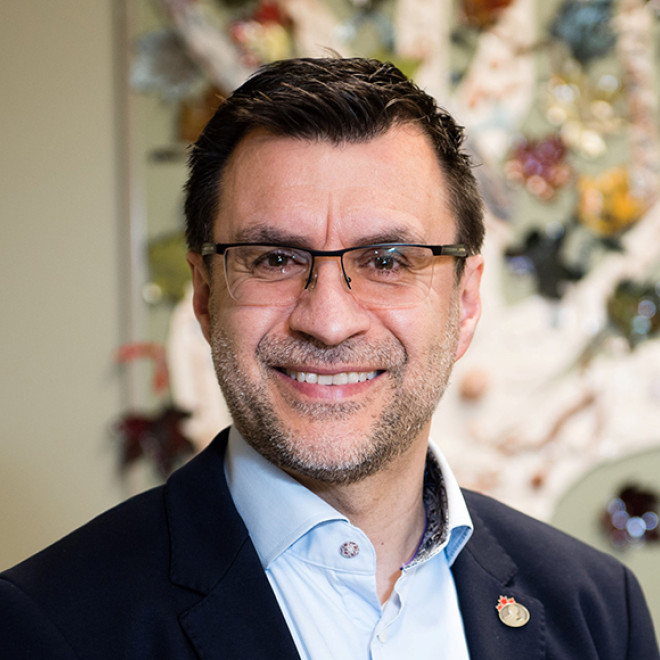
Dr. J Don Richardson
Role
Location
Degrees and Qualifications
MD, FRCPC
Research Overview
- Advanced Analytics to Understand Military Related PTSD: Canadian Armed Forces (CAF) members and veterans are at risk of developing PTSD and other mental health conditions resulting from trauma exposure during their military service. The proposed study utilizes natural language processing (NLP) to identify key features related to 1) suicide attempts and 2) moral injury using unstructured data. Additionally, we propose using IBM SPSS Modeler or other technology available through IBM via Southern Ontario Smart Computing Innovative Platform (SOSCIP) to: 1) identify patterns of comorbidity; and 2) predict treatment trajectories amongst a cohort of treatment-seeking CAF members and veterans.
- Develop algorithms that can be utilized in the screening of CAF members and veterans for PTSD, MDD, and suicidal ideation (SI): Research indicates that military personnel are at increased risk of developing PTSD, major depressive disorder, and suicidal ideation as a result of events experienced during their military service. The proposed study utilizes machine learning to develop assistive diagnostic algorithms to aid in the early identification of PTSD and MDD among CAF members and veterans.
- Statistics Canada Canadian Armed Forces Longitudinal Health Survey: In 2018, a follow-up assessment was completed of the large, representative sample of individuals who, 13 year earlier (2002), were employed by CAF and, at that time, participated in the Canadian Forces Supplement of the 1st Canadian Survey of Mental Health & Wellbeing. The plan is to investigate the incidence of new mental health (MH) problems and the persistence of the MH problems identified in 2002. The research will focus determining the incidence rate of new-onset MH problems during the 13 years since 2002 and identify characteristics associated with risk factors and protective factors to developing a new-onset MH outcome.
- Statistics Canada 2013 CAF Mental Health Survey: The 2013 CAF Mental Health Survey is a nationally representative sample of 8180 active CAF members. Using this nationally representative sample the plan is to examine the association between Psychiatric Illness, sleep disturbances and Suicidal Ideation in order to increase our understanding of military-specific factors that are associated with the development of PTSD among CF members who are deployed on combat missions.
- Posttraumatic Stress Disorder and Comorbidity in Treatment Seeking CAF Members and Veterans: The objective of the current study is to retroactively use information provided by former and current CF members presenting to Parkwood Hospital’s Operational Stress Injury Clinic for treatment in order to investigate (1) The relationship between events experienced during deployment and suicidal ideation (i.e., to determine whether certain combat experiences are more related to suicidal ideation than others), (2) The relationship between PTSD symptom clusters and health-related quality of life (i.e., to determine whether certain PTSD symptom clusters have a greater impact on wellbeing), and (3) The relationship between PTSD and comorbid disorders .
- Posttraumatic Stress Disorder (PTSD) and Comorbidity in Canadian Veterans Patients attending the Parkwood Operational Stress Injury Clinic complete a standardized assessment and treatment protocol. The standardized questionnaires at intake include PHQ-9 and GAD-7 for depression and anxiety, the PHQ-15 for somatic symptoms, the Alcohol Use Identification Test (AUDIT) for alcohol use, the PCL-M and PCL-5 for PTSD, the Deployment Experience Questionnaire, and the SF-36 to assess health-related quality-of-life. Prior to being seen for follow-up care, patients complete the PHQ-9, GAD-7, the PCL-5 and the OQ 45. Using a retrospective chart review design, the plan is to examining PTSD and comorbidity as well as examining predictors treatment outcome, including recovery.
Publications:

Biography
Dr. Richardson is consultant psychiatrist and Medical Director of the Parkwood Operational Stress Injury (OSI) Clinic in London, Ontario. He is also the Scientific Director of the MacDonald Franklin OSI research Centre at the Parkwood Institute and a fellow with the Canadian Institute for Military and Veteran Health. He has a Social Work degree from McGill University and completed his medical degree at Queen’s University and his fellowship in psychiatry at the University of Ottawa. He has more than 25 years of experience in the assessment and treatment of Veterans and Canadian forces members with PTSD and other operational stress injuries. Dr. Richardson has more than 50 published articles and book chapters in the area of Military and Veteran Mental Health including risk factors for PTSD and suicidal ideation, sleep disturbances, health care utilization, treatment outcomes and the impact of PTSD on quality-of-life.
Dr. Lena Palaniyappan recognized for research using brain imaging to develop treatments for mental illness
Lawson associate scientist Dr. Lena Palaniyappan has won the Canadian College of Neuropsychopharmacology (CCNP)’s 2017 Young Investigator Award for outstanding contributions to the field of neuropsychopharmacology.
The Young Investigator Award is given for basic research or clinical research in alternating years. This year’s award was presented for clinical research. Scientists who have completed their post-doctoral or residency training 10 years ago or less are considered for the award.
Dr. Palaniyappan uses neuroimaging tools to study the processes that operate in the brain when patients experience symptoms of mental illness, including psychosis – repeated voices or visions (hallucinations) and disturbing thoughts (delusions). For many patients, it is not possible to prevent psychosis or reverse the condition fully. Through their research, Dr. Palaniyappan and his team are working to fully characterize the illness and create new treatments.
Recently he led a study that showed it is possible to use information from the brain’s connectivity maps to alter the chemistry of selected brain regions. The hope is that this approach can be used to target precise areas of dysfunction rather than altering the properties of the entire brain to treat psychiatric symptoms.
“Receiving this award highlights the importance of brain imaging in discovering new therapies for brain-based disorders,” says Dr. Palaniyappan. “I feel very inspired looking at the achievements of past recipients as many of them have gone on to change how we think about the brain and mind.”
Dr. Palaniyappan is the medical director of the Prevention and Early Intervention Program for Psychoses (PEPP), a community-focused mental health program located at London Health Sciences Centre (LHSC). He is also an associate professor at Western University’s Schulich School of Medicine & Dentistry.
“With the increasing sophistication of tools to understand the mysteries of the human brain and the world-renowned expertise available in London, there has never been a better time to study psychiatric disorders,” adds Dr. Palaniyappan. “I hope we will soon be able to use brain scans to provide patient-specific information on prognosis and monitor the effects of treatments.”
… Regional 7,136 hours 6,779 hours 6,422 hours 6,893 hours 0% Mental Health Care London and Southwest (average of Centre for Forensic Mental Health Care Q1-Q3) (Average quarterly total hours of … Regional 7,136 hours 6,779 hours 6,422 hours 6,893 hours 0% Mental Health Care London and Southwest (average of Centre …
June 10, 2015 Robin Walker Integrated Vice President Medical Affairs and Medical Education Personal and Confidential Dear Robin: Office of the President 268 Grosvenor Street, PO Box 5777 London, ON N6A 4V2 T: 519 646-6100 ext. 64200 F: 519 646-6054 www.sjhc.london.on.ca The purpose of this letter is...
… taking duloxetine o When used to treat depression and other mental health conditions, antidepressant medications have … taking duloxetine o When used to treat depression and other mental health conditions, antidepressant medications have …
June 16, 2020; Page 1 of 3 Duloxetine (Cymbalta) Why is this medication prescribed? Duloxetine works by increasing the brain levels of two chemical messengers, norepinephrine and serotonin, that help to lessen the intensity of incoming pain signals. Duloxetine is used to treat pain from damaged ne...
… the prescription may be dispensed at the Parkwood Institute Mental Health Care Building retail pharmacy (Prescription … the prescription may be dispensed at the Parkwood Institute Mental Health Care Building retail pharmacy (Prescription …
July 12, 2022; Page 1 of 2 Abobotulinumtoxin A (Dysport) for Cervical Dystonia/Spasmodic Torticollis What is cervical dystonia and how is it typically treated? Cervical dystonia is a rare neurological disorder involving involuntary muscle contractions in the neck that cause the head to twist or turn...
Embracing health research this holiday season
Community members, patients and families, and those working in the health field attended a special open house on November 28 by research groups at Lawson Health Research Institute. Together, they celebrated the holiday spirit and the gift of hope that is made possible through hospital-based research.
A part of St. Joseph’s Health Care London, Parkwood Institute represents the next era in care, recovery and rehabilitation. Across the site, clinical and research teams in different disciplines and specialties collaborate not only with each other but also with patients and families.
“Many people in the community know the high-quality and compassionate care that is supported by the various clinical teams at Parkwood Institute, but aren’t aware of the research happening at this site,” says Dr. Cheryl Forchuk, Beryl and Richard Ivey Research Chair in Aging, Mental Health, Rehabilitation and Recovery, and Assistant Scientific Director at Lawson.
“Lawson researchers at Parkwood are tackling important challenges with highly innovative and meaningful solutions that help improve care and quality of life.”
For the past three years, the open house gives guests a more in-depth understanding of hospital-based research and its impact. Dr. Forchuk notes that it is a great chance to talk to the researchers and their teams, and to learn about research in a really fun and interactive way. Guests may also learn about opportunities to participate in studies, as the research teams rely on people in the community getting involved.
Image
There were 12 interactive program displays from Parkwood Institute Research, a Lawson program, in the areas of cognitive vitality and brain health, mobility and activity and mental health:
- Cognitive Clinical Trials Group (CCTG)
- Collaboration of Rehabilitation Research Evidence (CORRE)
- Gait and Brain Lab
- Geriatric Mood Disorders Lab
- MacDonald Franklin OSI Research Centre (Occupational Stress Injury)
- Mental Health Nursing Research Alliance (MHNRA)
- Mental Health INcubator for Disruptive Solutions (MINDS) of London
- Neuropsychiatry and Therapeutic Brain Stimulation Research Group
- Occupational Therapy and Spiritual Care Research Lab
- R2P (Research to Practice)
- Rehabilitation Mental Health
- Wound Care
The open house had a festive theme and many of the exhibits involved a problem solving or interactive elements to encourage learning and foster teamwork.
Karen Vecchio, federal Member of Parliament for Elgin-Middlesex-London, was among the over 200 people in attendance.
Image
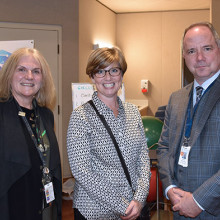
At the open house, from left: Dr. Cheryl Forchuk, MP Karen Vecchio and Roy Butler, St. Joseph's Vice President.
“London is a great community to conduct research,” explains Dr. Forchuk. “We are a mid-size city surrounded by rural areas, in many ways reflecting Canada as a whole. A lot of our projects cover the country with multiple sites and results found here by our leading experts are being implemented in health centres and national strategies in this country and around the world.”
Scientist
… Building J (Former NRC Building) ☐ Parkwood Institute Mental Health Care Building ☐ Southwest Centre for Forensic Mental Health Care ☐ Other: … Building J (Former NRC Building) ☐ Parkwood Institute Mental Health Care Building ☐ Southwest Centre for Forensic Mental Health Care ☐ Other: …
~~ STJOSEPHs HEALTH CARE LONDON Emergency Colour Code Incident Debrief Form Date of Incident Debrief: _________________________ Incident Debrief Leader: _________________________ Participants of Debrief: _________________________ _________________________ _________________________ __________________...
… • Absent without leave while being cared for under the Mental Health Act • Suffering from a mental and/or physical health condition that would cause … profile • Don’t make any sudden change in movement • Take mental notes of the hostage taker’s description • Avoid …
(yj~ SIJOSEPHs HEALTH CARE LONDON Evacuation Fire Hazardous Chemical Spill Bomb Threat/Suspicious Object Critical Infrastructure Failure External Disaster YELLOW Missing Person WHITE Violent Person Hostage Taking Person with a Weapon Adult Medical Emergency Pediatric Medical Emergency Emergency Colo...
… Meter 19,756.33200 Metric Tonne 3,257,736 43.71 Regional Mental Health Care, London Facilities used for hospital … kWh 1,912,882 Cubic Meter 3,838,391 44.13 Regional Mental Health Care, St. Thomas Facilities used for hospital … Meter 19,756.33200 Metric Tonne 3,257,736 43.71 Regional Mental Health Care, London Facilities used for hospital …
2014 Sector Acute/Chronic Hospital Agency Sub-sector Public Hospital Organization Name St. Joseph's Health Care London Quantity Unit Quantity Unit Quantity Unit Family Medical and Dental Centre Facilities used for hospital purposes 14,391 Square feet 45 195,024.00000 kWh 16,986 Cubic Meter 39,917 26...
… Mount Hope Centre for Long Term Care (Mount Hope), Regional Mental Health Care London (RMHC London) and Southwest Centre for Forensic Mental Health Care (Southwest Centre) although Mount Hope … Hope Centre for Long Term Care, Parkwood Hospital, Regional Mental Health Care London and Southwest Centre for Forensic …
Energy Conservation and Demand Management Plan Made for Ontario Regulation 397/11 Green Energy Act, 2009 Authored by: Mark Read June 18, 2014 2 The Green Energy Act - Regulation 397 The Energy Conservation and Demand Management Plan outlined in the following report is the second component of a two p...
… 5,598 Metric Tonne 961,761 21 Southwest Centre for Forensic Mental Health Facilities used for hospital purposes 231,624 … 5,598 Metric Tonne 961,761 21 Southwest Centre for Forensic Mental Health Facilities used for hospital purposes 231,624 …
St. Joseph's Health Care, London Energy Consumption and Greenhouse Gas Emissions Reporting - for 2016 Sector Acute/Chronic Hospital Agency Sub-sector Public Hospital Organization Name St. Joseph's Health Care London Operation Name Operation Type Area Unit hrs/wk Quantity Unit Quantity Unit Quantity ...
… 5,056 Metric Tonne 931,337 23 Southwest Centre for Forensic Mental Health Facilities used for hospital purposes 231,624 … 5,056 Metric Tonne 931,337 23 Southwest Centre for Forensic Mental Health Facilities used for hospital purposes 231,624 …
2017 Energy Consumption and Greenhouse Gas Emissions Reporting Sector Acute/Chronic Hospital Agency Sub-sector Public Hospital Organization Name St. Joseph's Health Care London Operation Name Operation Type Area Unit hrs/wk Quanity Unit Quanity Unit Quanity Unit Quanity Unit GHG Emissions (Kg) Energ...
… conservation demand management (CDM) plan to promote environmental stewardship and to fulfill its obligations to O. Reg. … Parkwood Institute - RMHC 23 Southwest Centre for Forensic Mental Health 35 St. Joseph's Hospital 63 Future CDM … on Wellington Road in London replaced the old Regional Mental Health Care building on Highbury Road and is now the …
Energy Conservation and Demand Management Plan St. Josephs Health Care London ENERGY CONSERVATION AND DEMAND MANAGEMENT (CDM) PLAN Made for Ontario Regulation 507/18 The Electricity Act Prepared by Facilities Management 2019-2024 Page 1 of 9 Table of Contents IntroductionPage 3 Past CDM Results Sum...
… 0.98 1.47 37 27 24329312 Southwest Centre for Forensic Mental Health 21,519 12,991 12,520 184 Not Available 25,695 … 0.98 1.47 37 27 24329312 Southwest Centre for Forensic Mental Health 21,519 12,991 12,520 184 Not Available 25,695 …
2021 Energy Consumption and Greenhouse Gas Emissions Reporting Sector Acute/Chronic Hospital Agency Sub-Sector Public Hospital Organization Name St. Joseph's Health Care London Portfolio Manager Property ID Property Name Area (m2) Electricity Purchased (GJ) Natural Gas Use (GJ) Fuel Oil (GJ) Distric...
… Tonne 981,643.37208 25.24859 Southwest Centre for Forensic Mental Health Facilities used for hospital purposes 231,624 … Tonne 981,643.37208 25.24859 Southwest Centre for Forensic Mental Health Facilities used for hospital purposes 231,624 …
2020 Energy Consumption and Greenhouse Gas Emissions Reporting Sector Acute/Chronic Hospital Agency Sub-sector Public Hospital Organization Name St. Joseph's Health Care London Electricity Natural Gas Fuel Oil District Heating Totals Operation Name Operation Type Area Unit hrs/wk Quanity Unit Quanit...
… Cubic Meter 21,019 Metric Tonne 3,850,303 44.43 Regional Mental Health Care, London Facilities used for hospital … kWh 1,968,184 Cubic Meter 4,180,868 46.00 Regional Mental Health Care, St. Thomas Facilities used for hospital … Cubic Meter 21,019 Metric Tonne 3,850,303 44.43 Regional Mental Health Care, London Facilities used for hospital …
Sector Acute/Chronic Hospital Agency Sub-sector Public Hospital Organization Name St. Joseph's Health Care London Quantity Unit Quantity Unit Quantity Unit Parkwood Hospital Facilities used for hospital purposes 574,579.00 Square feet 106 11,536,300 kWh 36,675 Cubic Meter 21,019 Metric Tonne 3,850,3...
… Hospital, Mount Hope Centre for Long Term Care, Regional Mental Health Care, London (RMHC-L) and Regional Mental Health Care, St. Thomas (RMHC-S). St. Joseph’s … leadership role on the transformation of local and regional mental health services. Both Regional Mental Health Care, …
Annual Accessibility Plan for St. Josephs Health Care, London September 2008 - August 2009 Submitted to Cliff Nordal Chief Executive Officer 30 September 2008 Prepared by SJHC Accessibility Working Group Chair, Derek Lall This publication is available on the St. Josephs Heath Care, Londons website a...