


Search
Search
1663 Search Results:
… Workplace Hazardous Materials Information System (WHMIS) This information was compiled in consultation … products - chemical, biological, physical. • Summarize your responsibilities - what you 'need to know'. • Complete … work with hazardous materials. In order to protect your health, you have the ‘right to know’ about the hazardous …
Workplace Hazardous Materials Information System (WHMIS) This information was compiled in consultation with the Joint Occupational Health and Safety Committees for the purpose of providing a reference tool and a self-education booklet for all staff and physicians. By law, all staff must understand ...
… REFERENCE FORM For The Schulich School of Medicine & Dentistry, London Health Sciences Centre, and St. Joseph’s Health … are required to obtain three confidential references with your application for your academic appointment with Schulich School of Medicine & …
JOINT REFERENCE FORM For The Schulich School of Medicine & Dentistry, London Health Sciences Centre, and St. Josephs Health Care London Instructions to the Applicant: You are required to obtain three confidential references with your application for your academic appointment with Schulich School of...
Meet the Team
The HULC Clinical Research Laboratory includes a multidisciplinary team of surgeons, therapists, engineers, scientists, technicians and graduate students working alongside research participants to improve patient care.
Meet the Research Team
Researchers
Joy C. MacDermid

Location: St. Joseph’s Health Care London
Role: Co-director
Phone: 519-661-2111 EXT: 64636
Degree and Qualifications: BSc, BScPT, MSc, PhD
Email: @email
Academic publication:
Google Scholar Homepage: https://scholar.google.ca/citations?user=O8LegU4AAAAJ&hl=en
PubMed: http://www.ncbi.nlm.nih.gov/pubmed?cmd=PureSearch&term=macdermid+j%5bAu…
My research aims to reduce the burden of musculoskeletal (MSK) pain, injury and chronic disease in studies that:
- Develop and test useful and valid measures of MSK symptoms and work role function.
- Identify modifiable biologic, psychosocial and environmental risk factors; and test how these are mediated by sex/gender.
- Test workplace, surgical and rehabilitation interventions that optimize ability and function.
- Assess musculoskeletal health at a population level
- Conduct knowledge translation research that guides efficient and effective implementation.
I conduct my work in collaboration with HULC researchers and clinicians, trainees and committed research teams that conduct national clinical trials, and research institutes comprised of high-quality researchers including IC/ES, The Bone and Joint Institute, and CIPSRT.
Staff
Katrina Munro
Name: Katrina Munro
Location: St. Joseph’s Health Care London
Role: Clinical Research Coordinator
Phone: 519-646-6100 EXT: 64544
Email: @email

Ze Lu (Steve)
Name: Ze Lu (Steve)
Location: St. Joseph’s Health Care London
Role: Clinical research assistant
Phone: 519-646-6100 EXT: 64544
Email: @email
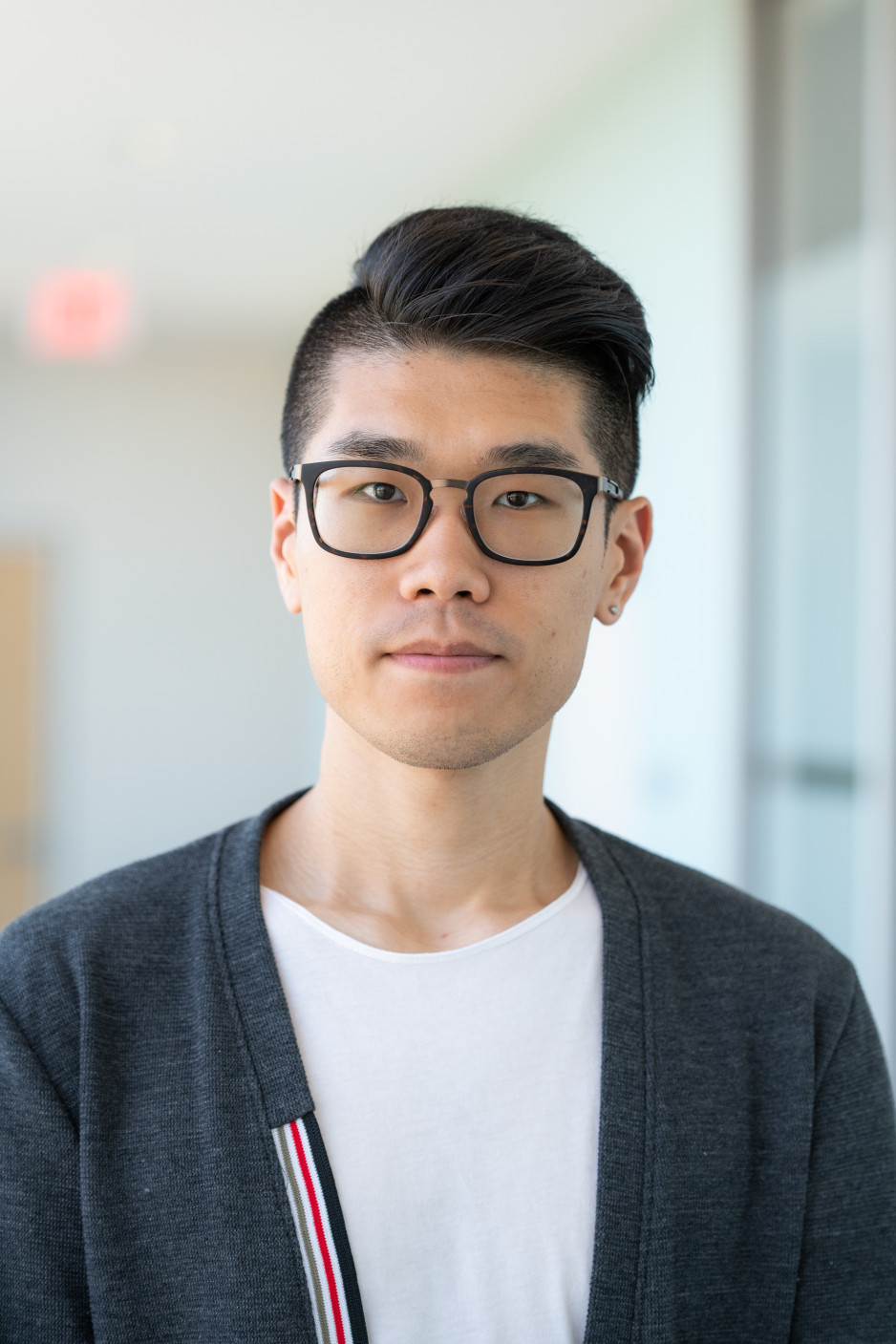
Bansari Patel
Name: Bansari Patel
Location: St. Joseph’s Health Care London
Role: Clinical research assistant
Phone: 519-646-6100 EXT: 64544
Email: @email

Sahar Johari
Name: Sahar Johari
Location: St. Joseph’s Health Care London
Role: Clinical research assistant
Phone: 519-646-6100 EXT: 64544
Email: @email

Students
The HULC Clinical Research Laboratory provides education and training to the next generation of clinical researchers. Under the direction of Dr. Joy MacDermid, the lab produces high-quality research on measuring, predicting and reducing upper extremity disability with a focus on surgery and rehabilitation. Students and trainees play an important role on our team. They include post-doctoral fellows, Ph.D. and Master’s candidates, co-op students, clinical fellows, residents, medical students, and physiotherapy students.
Trainees
The HULC Clinical Research Laboratory provides education and training to the next generation of clinical researchers. Under the direction of Dr. Joy MacDermid, the lab produces high-quality research on measuring, predicting and reducing upper extremity disability with a focus on surgery and rehabilitation. Students and trainees play an important role on our team. They include post-doctoral fellows, Ph.D. and Master’s candidates, co-op students, clinical fellows, residents, medical students, and physiotherapy students.
Current Trainees
Daniel Briatico
Past Trainees
Aksha Mehta
Bansari Patel
Hajra Batool
Mahdiyeh Shafiezadeh Bafghi
Safa Jamaluddin
Opportunities
All of the HULC labs provide excellent training opportunities. See each of our lab websites for details.
There are about 20-25 trainees in the Clinical Research Lab. The lab has opportunities available for post-doctoral fellows, PhD and master’s candidates, co-op students, clinical fellows, residents, medical students and physiotherapy students.
Students can pursue a master’s or Ph.D. with Dr. MacDermid by enrolling in the Faculty of Health Sciences. Dr. MacDermid supervises students in multiple fields including Physical Therapy, Measurement and Methods, and Health Promotion. For more details on these programs and the admission requirements and process consult with the website and program staff. Funding is available for students who meet program requirements.
https://www.uwo.ca/fhs/programs/hrs/programs.html
Post-docs are individually arranged and dependent on funding.
Medical trainees can take research training by enrolling in the Masters in Surgery:
https://www.schulich.uwo.ca/surgery/education/msc_in_surgery/index.html
Training and Permissions
As a hospital-based clinical research lab, HULC adheres to the policies of St. Joseph’s Health Care London and Lawson Health Research Institute. Students and trainees are required to complete the appropriate training and permissions through Medical Affairs at St. Joseph’s.
Learn more about orientation information at St. Joseph’s, including required learning.
If you have any questions related to training or permissions in your role at HULC, please speak to your supervisor.
Partners
… PAIN MANAGEMENT PROGRAM MENTAL HEALTH RESOURCE LIST MENTAL HEALTH RESOURCES INFORMATION Anxiety Treatment Web Resources … PAIN MANAGEMENT PROGRAM MENTAL HEALTH RESOURCE LIST MENTAL HEALTH RESOURCES INFORMATION Anxiety Treatment Web … Mental Health Resources …
PAIN MANAGEMENT PROGRAM MENTAL HEALTH RESOURCE LIST MENTAL HEALTH RESOURCES INFORMATION Anxiety Treatment Web Resources Vancouveranxiety.com - Dr. Korol, Clinical Psychologist Excellent sessions on Coping with Anxiety &Meditation for Busy Minds. Highly recommended. Books About Depression, Anxiety, a...
… Page 1 of 7 Updated April, 2023 Mental Health Resources CRISIS SUPPORTS If you are experiencing a mental … area, please see the following options. Call 911 or go to your nearest Emergency Department in case of emergency. Reach Out … Page 1 of 7 Updated April, 2023 Mental Health Resources CRISIS SUPPORTS If you are experiencing a mental …
Page 1 of 7 Updated April, 2023 Mental Health Resources CRISIS SUPPORTS If you are experiencing a mental health care crisis in London-Middlesex area, please see the following options. Call 911 or go to your nearest Emergency Department in case of emergency. Reach Out Crisis Response Line www.reachou...
Message to the community September 10, 2025

A message to our community from Roy Butler, President and CEO, St. Joseph’s Health Care London
I know many people at St. Joseph’s as well as members of the public have been anxious to hear an update on the dogs previously involved in research at Lawson Research Institute.
After the research involving dogs ended on August 11, 2025, ownership of the dogs transferred to Western University’s Animal Care Committee (ACC) as part of the established processes. The ACC then assumed responsibility for the oversight and decisions regarding future placement opportunities for these dogs.
After careful review and consideration, the ACC has arranged to transfer all eight of the dogs to a trusted and fully accredited organization so they can start the path towards adoption. Six of the dogs went to this organization earlier today.
They will stay together for the time being – receiving ongoing care, socialization, enrichment and training to ensure they’re ready for family homes. The partner organization has experience with this breed of dog and with animals coming from a research program and they have an adoption rate that is higher than 90 per cent. To protect the wellbeing of the dogs and to increase the willingness of people to adopt them, this partner will remain anonymous.
The two remaining dogs will be transferred to the same partner organization shortly. These dogs are thriving in each other’s company and will continue to receive excellent care. We will share further updates as they become available.
Military and Veteran health research shared at Research Consortium meeting
Canadian researchers working to improve military and Veteran health met at St. Joseph’s Health Care London’s (St. Joseph’s) Parkwood Institute on December 4, 2017 for their fifth Research Consortium meeting.
The Research Consortium group, established in 2015, is led by Lawson researcher Dr. Don Richardson, Physician Clinical Lead at St. Joseph’s Operational Stress Injury Clinic (OSI Clinic). The group meets two to three times a year to provide updates on their projects and foster collaborative research partnerships, rotating between London, Hamilton and Toronto as host sites.
“Members of the military and Veterans have unique symptoms and treatment needs so it’s important that we engage in knowledge transfer with other researchers working with the same group of patients,” says Dr. Richardson. “The Research Consortium meetings are a great way to learn about recent projects from our peers and identify new avenues for collaboration with the goal of providing the best possible treatment outcomes for our patients.”
In addition to researchers from St. Joseph’s OSI Clinic, the Research Consortium group includes representatives from Defence Research and Development Canada, the Canadian Institute for Military & Veteran Health Research, the Canadian Armed Forces, the Centre for Addiction and Mental Health, Homewood Research Institute, Western University, University of Manitoba, McMaster University, University of Toronto, Ryerson University and Queens University.
St. Joseph’s OSI Clinic provides specialized mental health services to Veterans, members of the Canadian Armed Forces, the Royal Canadian Mounted Police (RCMP) and their families who are experiencing mental health challenges as a result of service. The OSI Clinic is one of ten outpatient clinics in a national network across the country funded by Veterans Affairs Canada.
At the meeting, Dr. Richardson provided an update on recent projects at St. Joseph’s OSI Clinic, including research to enhance the understanding of moral injury.
Moral injury refers to lasting emotional distress that can occur when military men and women are exposed to events that disturb or undermine moral beliefs about how people can be expected to behave. OSI clinicians reported that exposure to these events drastically changes their patients’ views of the world; causes them to question their religion, spirituality or human nature; and often leaves them feeling disconnected from their loved ones. The researchers will now collect additional data from clinicians across the OSI national network and from the Research Consortium group. Part of their investigation will explore the relationship between different kinds of traumatic events and moral injuries, and mental well-being.
MINDS Convening
12:30pm - 8:30pm
WHAT IS THE CONVENING?
Our 2019 Convening is a time to come together, talk about the work of MINDS and learn about Collective Impact in our Community of London Middlesex. Throughout the day we’ll move from big ideas to practical solutions to address the wicked problem of Transitional Aged Youth (TAY, 16-25) mental health. By the end of the day, we’ll have a list of actionable ideas, and the potential for funding and MINDS support.
Friday, November 29, 2019
BMO Centre, 295 Rectory St, London, ON
Schedule
Breakfast and Registration (8:30am - 9 am)
Morning Session (9am - 12pm)
Lunch (12 - 1pm)
Afternoon Session (1pm - 4:30pm)
Mobilizing hospital-based research in the battle against COVID-19
The COVID-19 pandemic is proving to be one of the most pressing health challenges of our time. With a rising number of cases and deaths worldwide, there’s a global urgency to finding a solution.
As the research institute of London Health Sciences Centre (LHSC) and St. Joseph’s Health Care London, Lawson Health Research Institute excels in rapid response research and is uniquely positioned to tackle this problem from within hospital walls.
Our researchers belong to a health system at the forefront of the pandemic. With close proximity to patients and access to samples, they are mobilizing to address COVID-19.
“Lawson researchers include clinicians directly involved in the treatment of COVID-19 patients, as well as laboratory-based scientists and those with other expertise related to the pandemic response,” says Dr. David Hill, Scientific Director at Lawson and Integrated Vice President at LHSC and St. Joseph’s. “They are eager to contribute a solution and are combining their knowledge to address this issue from all angles.”
Already, Lawson research teams are initiating projects ranging from pre-clinical studies to clinical trials. They are planning to explore diagnosis, prevention and treatment of the disease, as well as long-term and mental health impacts. An immediate goal is to partner with other research hospitals to improve outcomes for COVID-19 patients around the world.
There are numerous COVID-19 studies underway at Lawson and many more going through the necessary approval processes. Recognizing the importance of a rapid response to this pandemic, Lawson’s Administration team is working to fast-track approval of the studies.
Lawson also offered a special internal COVID-19 funding competition to assist our researchers in their efforts. Lawson’s COVID-19 Pandemic Response Internal Research Fund supports projects that are identified as having the potential to impact the management of this pandemic and those that enhance our understanding of the pathophysiology of COVID-19. See the results of this competition and the 14 funded projects, for a total of more than $202,000 invested.
While there is much to learn about COVID-19 and its impact on human health and our health care system, Lawson researchers are tackling the disease head-on.
How can you support COVID-19 research and clinical care?
Research at Lawson can be supported through three hospital foundations. With an outpouring of support from our community, the foundations are collecting donations to support our hospitals through this challenging time. Learn more about donating:
- St. Joseph’s Health Care Foundation – St. Joseph’s Health Crisis Fund
- London Health Sciences Foundation - COVID-19 Response Fund
- Children’s Health Foundation - COVID-19 Response Fund
Learn more about COVID-19 research at Lawson:
Scientist
… MISSION, VALUES Mount Hope Centre for Long Term Care • Our Vision We earn complete confidence in the care we provide, and make a lasting difference in the quest to live fully. Our Mission We help all who come to us for care to maintain … MISSION, VALUES Mount Hope Centre for Long Term Care • Our Vision We earn complete confidence in the care we …
MOUNT HOPE CENTRE r. SI JOSEPHs H EALTH C AR E LONDONFOR LONG TERM CARE i 2 VISION, MISSION, VALUES Mount Hope Centre for Long Term Care Our Vision We earn complete confidence in the care we provide, and make a lasting difference in the quest to live fully. Our Mission We help all who come to us fo...
… Welcome to the Musculoskeletal Rehabilitation Unit The next step in your Rehabilitation Journey What to Bring Other Information Parkwood Institute … the Musculoskeletal Rehabilitation Unit The next step in your Rehabilitation Journey What to Bring Other Information …
Welcome to the Musculoskeletal Rehabilitation Unit The next step in your Rehabilitation Journey What to Bring Other Information Parkwood Institute CARING FOR THE BODY, MIND & SPIRIT SINCE 1869 CARING FOR THE BODY, MIND & SPIRIT SINCE 1869 Renowned for compassionate care, St. Josephs is one of the be...
… m ST::JOSEPH'S A publication of St. Joseph’s Health Care … is published three times a year. St. Joseph’s welcomes your comments. For online or print publication contact: … Term Care Mental Health Care Teams, clinics and programs in our community and beyond. 0803. 09. 17. 03. HEALTH CARE IN …
m ST::JOSEPH'S A publication of St. Josephs Health Care London WINTER 2020 | ISSUE 01 BORN TO MOVE St. Josephs leads the way for those facing mobility challenges with the creation of The Gray Centre for Mobility and Activity. 1 201 ISSUE www.sjhc.london.on.ca ~ ~ OSEPH'S 11 C ~~ S!JOSEPHs HEALTH CAR...
… ’A publication of St. Joseph s Health Care London FALL 2020 | ISSUE 02 NEW … is published three times a year. St. Joseph’s welcomes your comments. For online or print publication contact: … Term Care Mental Health Care Teams, clinics and programs in our community and beyond. 17. www.sjhc.london.on.ca …
A publication of St. Joseph s Health Care London FALL 2020 | ISSUE 02 NEW OPTIONS IN AN OLD BATTLE Pain specialists at St. Joseph's Health Care London are part of a new, collaborative approach to improve care for a growing number of people living with sickle cell disease. 1 ~ ~ OSEPH'S n Cl A public...
… ’ Our entrances have m S1: A publication of St. Joseph s Health Care London WINTER 2021 | ISSUE 03 Our entrances have KEEPING IT SAFE become a gateway of … ’ Our entrances have m S1: A publication of St. Joseph s Health Care London WINTER 2021 | ISSUE 03 Our … My St. Joseph's Issue 03 Winter 2021 …
Our entrances have m S1: A publication of St. Joseph s Health Care London WINTER 2021 | ISSUE 03 Our entrances have KEEPING IT SAFE become a gateway of safety to protect our patients and sta . It's a responsibility more than 160 screeners take very seriously. These "perimeter protectors" are vital ...
… ST::JOSEPH'S A publication of St. Joseph’s Health Care … is published three times a year. St. Joseph’s welcomes your comments. For online or print publication contact: … Health CareLong Term Care Teams, clinics and programs in our community and beyond. 0803. 07. 25. 23. 03. SURVIVING …
ST::JOSEPH'S A publication of St. Josephs Health Care London FALL 2021 | ISSUE 04 A LITTLE FALL TO A BIG CLIMB With help from her care team at Parkwood Institute, Miranda Scott was able to reach great heights fguratively and literally by incorporating wall climbing into her recovery. 1 2 V,l~ OSEP...
… ’ m ST.JOSEPH'S ,.., ' , \ .. LAUNr.Y PRQprY L.f'J' O,P.t/300 A … is published three times a year. St. Joseph’s welcomes your comments. For online or print publication contact: … Health Care Long Term Care Teams, clinics and programs in our community and beyond. 03. 03. A HORSE OF A DIFFERENT …
m ST.JOSEPH'S ,.., ' , \ .. LAUNr.Y PRQprY L.f'J' O,P.t/300 A publication of St. Joseph s Health Care London SPRING 2022 | ISSUE 05 HOVERING HOLOGRAMS HONE SURGEONS' SKILLS Surgical visionary Dr. George Athwal at St. Josephs Hospital has introduced a revolutionary new tool into operating rooms in C...
… YOur guide to Breast assessment Breast Care Program St. Joseph’s Hospital 268 Grosvenor St. … right test done as quickly as possible when a change in your breast is detected. St. Joseph’s Breast Care Program … YOur guide to Breast assessment Breast Care Program St. …
YOur guide to Breast assessment Breast Care Program St. Josephs Hospital 268 Grosvenor St. London, ON N6A 4V2 THE BEST IN BREAST CARE The Breast Care Program at St. Josephs Health Care London provides a confidential, coordinated, specialized breast assessment service. The goal of the program is to m...
National award honours innovator Frank Prato’s excellence in medical physics
Dr. Frank Prato is a man of many firsts:
First in Canada to conduct magnetic resonance brain imaging. A pioneer in magnetic resonance cardiac imaging. Driving force behind the installation of Canada’s first PET/MR scanner. Founder of the Canadian Organization of Medical Physicists (COMP) while president of the Canadian College of Medical Physicists.
And while Dr. Prato admits to a competitive streak that constantly propels him to break new ground in medical physics, the renowned, prolific researcher is keen to note these innovations have been part of a larger team effort.
“My career has been filled with opportunities to work with and train some spectacular scientists who have made major contributions across Canada and around the world,” he says. “I’m proud of the whole group that has developed over the years and the support St. Joseph’s has provided.”
Chief Medical Physicist at St. Joseph’s Health Care London (St. Joseph’s), Dr. Prato has been awarded the 2024 COMP Gold Medal, the organization’s highest award for outstanding career achievement.
“Dr. Prato’s ground-breaking work in the field of medical physics has not only advanced the scientific community but also significantly impacted patient care in Canada and beyond,” says COMP President Boyd McCurdy, “His pursuit of innovation and excellence exemplifies the highest standards of our profession, and we celebrate his outstanding contributions to medical physics with admiration and gratitude.”
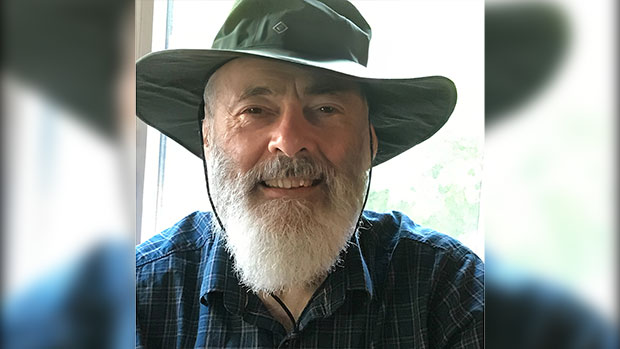
Dr. Prato is also Assistant Scientific Director and Imaging Program Leader at Lawson Health Research Institute (Lawson) and professor of medical imaging and medical biophysics at Western University.
“I have worked with Frank for 36 years now and have come to recognize him as one of the finest people I know,” says Dr. Ting-Yim Lee, Director of PET/CT Research at Lawson, medical physicist at St. Joseph’s Hospital, and one of the nominators of Dr. Prato for the award.
“Frank is unfailingly helpful and authentic, a great listener and a tenacious problem-solver. He demonstrates excellence and professionalism in medical physics locally, nationally and internationally.”
Dr. Lee cites Dr. Prato’s leadership in being “at the forefront of numerous international innovations in nuclear medicine and diagnostic radiology.”
Throughout his 48 years as a medical physicist, Dr. Prato has been inspired by the potential of technology’s reach into human health.
“I’ve always wanted to work in an area where we can do research, with a vision of what’s going to be important in patient health. I get excited about being on the leading edge of discovery that’s embedded in patient care.”
Critical advancements in nuclear medicine and diagnostic radiology, thanks to the work of Dr. Prato and his St. Joseph’s/Lawson team, have included:
- Introducing the first bone mineral density imaging procedure on a patient in Canada, a tool now essential for managing osteoporosis.
- Performing the first magnetic resonance brain imaging in Canada, setting a national standard.
- Pioneering magnetic resonance cardiac imaging techniques, enhancing the understanding of myocardial scarring and blood flow assessment.
- Introducing the first PET/CT and PET/MR scanners in Canada, revolutionizing molecular imaging and proving the economic value of advanced imaging technologies.
- Imaging the brains of premature infants, a world first.
- Developing Canada’s first self-sustaining cyclotron infrastructure.
- Conducting the world’s first MRI-compatible, high-resolution brain PET scan.
- Early diagnosis and treatment of dementia, mental illness and prostate cancer.
Dr. Prato’s leadership extends beyond his technical achievements. As the founder of COMP, an organization that now includes more than 800 professionals, he played a crucial role in establishing the organization, advocating for medical physicists' independent voice and professional growth.
His tenure as President and board member of the Canadian College of Physicists in Medicine (CCPM) was marked by significant advancements, including enhancing certification processes and establishing reciprocity with the American Board of Medical Physics. Dr. Prato also received the Valuable Service Award from CCPM in 2002 and was named a Fellow of COMP in 2013.
Earlier this spring, Dr. Prato received a Dean’s Award of Excellence for Research Faculty from Western University’s Schulich School of Medicine & Dentistry. He is also the sole Canadian to have won the d'Arsonval Award, an international honour from the Bioelectromagnetics Society.
A dedicated mentor, Dr. Prato has guided more than 60 Masters of Science students, PhD students and Post-Doctoral Fellows, many of whom have won awards and secured prominent positions in the field. His mentorship has been instrumental in the success of numerous scientists within the Imaging Program at Lawson, contributing to a legacy of innovation for years to come.
“At 78 years old,” he says, “I am pleased to say I have achieved things at St. Joseph’s that will far outlast me.”
National research collaboration leads to Health Canada approval of life-saving radioisotope production
A Canadian consortium, which includes Lawson Health Research Institute (Lawson), TRIUMF, BC Cancer and Centre for Probe Development and Commercialization, is the first in the world to receive regulatory approval to produce the world’s most commonly used medical isotope, technetium-99m (Tc-99m), using small particle accelerators known as cyclotrons.
Tc-99m is used in tens of millions of nuclear medicine procedures globally each year. These include cancer scans, cardiac tests, as well as several other diagnostic procedures. As the world moves away from uranium-based nuclear reactors, there has been growing concern in the medical community of a global shortage of these life-saving compounds. This development helps secure a domestic supply of Tc-99m for Canadian patients.
For over a decade, Dr. Michael Kovacs, Director, Lawson Cyclotron & PET Radiochemistry Facility, and Steven Foster, Business Manager, Lawson Imaging, have been working on research that has contributed significantly to this major development. They have demonstrated the successful production of Tc-99m on a standard hospital-based cyclotron at Lawson, confirming that this technology can be used by almost half of the world’s already installed cyclotrons. Clinical trials were conducted across Canada and locally at St. Joseph’s Health Care London.
“In 2011, we received federal funding to see if we could develop a technology to produce Tc-99m in hospital cyclotrons,” explains Dr. Kovacs. “Canada’s Chalk River nuclear reactor was one of the world’s largest suppliers, and it was set to close in 2016. Cyclotron facilities offer a greener, safer, more sustainable approach for producing critical medical isotopes. Our goal was to find an alternative to the traditional means of producing this isotope, and we have been successful.”
Nuclear medicine is a functional imaging technique, meaning that it images biological function. Medical isotopes are converted to radiopharmaceuticals which get injected into the patient during a procedure. According to the specific biological properties of the isotope, they move throughout the body, rendering a 3D map of where the isotope has gone. This gives researchers and medical professionals valuable information of how various physiological processes are performing.
“Canada is a global leader in nuclear imaging technology. With the help of our collaborators across the country, we have home-grown technology to produce commercial quantities of Tc-99m on common cyclotrons,” adds Mr. Foster. “This technology has been patented and licensed to ARTMS Inc., a spin-off from the consortium, and is now being commercialized and sold throughout the world.”
The process was approved by Health Canada in November, 2020, and is expected to be deployed in British Columbia by 2022.
Scientist
New Alzheimer’s research aims to improve treatment and support for patients with agitation
Two new interventional studies have been brought to London, focused on improving quality of life for patients with Alzheimer’s disease and their caregivers. Both hope to improve upon standard approaches to treating agitation, a core symptom of Alzheimer’s.
Agitation is a significant source of stress for patients and caregivers. It is complex and difficult to treat. Often, families do not know about this particular symptom of Alzheimer’s and are not properly trained on how to manage care while dealing with agitation.
“These studies are designed to have a direct impact on patients, families and care providers, to improve quality of life and function in those suffering from agitation due to Alzheimer’s,” says Dr. Amer Burhan, Associate Scientist at Lawson Health Research Institute (Lawson) and Geriatric Neuropsychiatrist, St. Joseph’s Health Care London (St. Joseph’s).
Parkwood Institute, a part of St. Joseph’s, is one of multiple sites participating in these studies across Canada and the United States.
One study aims to identify patients early in their diagnosis, while they are living at home or in the community, and apply a comprehensive psychosocial approach, with or without medication, to help with the management of agitation. “We hope to identify participants and have them participating in our program before they experience a crisis due to agitation,” explains Dr. Burhan.
Psychosocial intervention is a way of helping patients and caregivers understand the reasons for agitation. Agitation can develop due to a wide range of causes. For example, patients may just be bored and need help to find something meaningful to occupy their time, they could be upset about something in their current environment, or may be suffering from physical discomfort or pain.
Interventions can include communicating with patients in a manner that creates calm, scheduling meaningful activities, and maintaining routine and rhythm in life. The research team will connect with families early after diagnosis to give them the tools and support they need.
Initially, participants will be treated using structured psychosocial intervention to help reduce and manage their agitation. After three weeks, they will be reassessed and if significant agitation continues to persist, the patient will be randomly selected to receive either a placebo, or medication known as S-Citalopram to treat agitation while they continue to receive psychosocial care.
Sylvia Wilson is the wife of one of the study participants. By enrolling in this trial, she feels she has gained a much better understanding of her husband’s disease, and is grateful for the support that study participants receive.
“My husband typically does not like going to visit doctors, but Dr. Burhan and his team are great,” says Wilson. “They understand agitation, and other symptoms of the disease very well, and I notice a difference in his mood with the treatment he receives through the study.”
Participants are still able to receive care from their primary physician and care teams, with the study providing an added layer of support.
Another study is focused on Alzheimer’s patients who are admitted to hospital or living in long-term care. The aim is to standardize the approach to care for agitation related to Alzheimer’s. After baseline assessment, participants will be randomized to receive the current treatment as per usual, or an integrated care pathway derived from evidence-informed treatment guidelines. These include washing out medications that have not helped, adding individualized behavioral and environmental support, and if medications are needed, use a specific set of medications and dosages based on best evidence.
“Better understanding agitation is a growing area of interest in geriatric research. The work being done locally is part of an international effort to create a paradigm shift in treating patients with Alzheimer’s disease and agitation,” explains Dr. Burhan.
Researchers are ready to offer these studies to patients and their families, hoping to make these treatment protocols an integral part of care for patients with agitation due to Alzheimer’s disease. Those interested in learning more about these studies can contact Dr. Burhan at @email or call 519-646-6100 x. 48170.
In the media: Study on 'agitation' in Alzheimer's patients seeks participants