


Search
Search
898 Search Results:
Keeping an eye on care of the future
Dr. Khaldon Abbas is using his curiosity and passion for ophthalmology to improve patient care and outcomes for people with eye diseases and disorders.
While in university, Dr. Khaldon Abbas had a deeply moving experience as a volunteer with the Canadian Centre for Victims of Torture (CCVT) that changed the trajectory of his life and career.
The community-based organization helps victims of war and torture, and Abbas, whose family immigrated to Canada from Iraq a little more than a decade before, wanted to share his skills as a translator and tutor with newcomers.
“I came to Canada when I was 12. I had limited English, we had no family or friends here, and it was really hard to acclimate,” says Abbas. “I wanted to give back to the community and to be there for immigrant families who were facing similar challenges that my family had to deal with.”
During one shift with CCVT, Abbas was paired with a family from Syria, whose nine-year old daughter was losing her eyesight. She was living with retinal dystrophy, a degenerative disorder that can progress to complete blindness.
Witnessing the impact the eye disorder had on the young girl and her family inspired Abbas to further his own education and set a goal to become an ophthalmologist.
That was eight years ago. Since then, Abbas spent several years working as a clinical research coordinator and completed four years of medical school at the University of British Columbia.
Today, he is a clinical research fellow at the Ivey Eye Institute of St. Joseph’s Health Care London (St. Joseph’s) – a position supported through St. Joseph’s Health Care Foundation thanks to the generosity of donors.
During the next year, Abbas’ research will focus on improving patient care and outcomes for people with eye diseases and disorders.
Drs. Phil Hooper, Verena Juncal and Tom Sheidow, all retinal surgeons at Ivey Eye, are the impetus behind the fellowship and now serve as Abbas’ mentors. Through the fellowship, the trio wanted to expand their clinical research program which is heavily focused on clinical trials. Their goal was to delve into quality improvement projects and explore, among other things, patient data, referral patterns and wait times – information that could guide Ivey Eye in refining care to better understand how to improve the overall flow of patient care.
As surgeons at the largest single-site eye care centre in Canada committed to innovative care, the Ivey Eye physician leaders felt a responsibility to make this work a reality.
“We started talking about this about three years ago,” says Sheidow. “We were familiar with similar roles at other academic eye care centres and we were fortunate to have some funding, so we brought the idea to the foundation and started to craft the terms of reference,” he adds.
Abbas is the second physician in this fellowship, following in the footsteps of Dr. Amy Basilious, who is now in her second year of residency at Ivey Eye.
“Amy did an exceptional job as our inaugural fellow and we were looking for someone with similar characteristics – bright, curious, motivated, a self-starter and a passion for ophthalmology,” says Sheidow. “Khaldon has all of that and more,” he adds, referring to Abbas’ interest and background in clinical trial work.
Even before arriving in London for the fellowship, Abbas began working with his new team to generate research project ideas and shape a research plan. Among the projects he will tackle is one that will assess the effectiveness and complications of lens exchange surgeries, and another in collaboration with Basilious focused on macular hole repairs.
He will also spearhead two quality improvement studies aimed at streamlining the referral process to Ivey Eye for optometrists and enhancing education and information resources for patients with eye diseases and disorders. Through his work, Abbas is excited to build his research skills, forge new professional connections and see some of his research translated into tangible improvements in patient care.
He’s grateful to Hooper, Juncal and Sheidow, along with St. Joseph’s and the Foundation, for their vision and spirit of innovation in establishing the fellowship.
“Everyone has been extremely welcoming and supportive of me, especially my mentors and fellow co-workers” he says. “There’s a real family environment at St. Joseph’s. I feel like this is my new home away from home.”
Landmark study investigates potential of Ambroxol, a cough medicine, to slow Parkinson’s-related dementia
Researchers at Lawson are studying Ambroxol - a common cough medicine in Europe - as a potential treatment for dementia linked to Parkinson’s disease.
LONDON, Ont. – Dementia poses a major health challenge with no safe, affordable treatments to slow its progression.
Researchers at Lawson Research Institute (Lawson), the research arm of St. Joseph’s Health Care London, are investigating whether Ambroxol - a cough medicine used safely for decades in Europe - can slow dementia in people with Parkinson’s disease.
Published today in the prestigious JAMA Neurology, this 12-month clinical trial involving 55 participants with Parkinson’s disease dementia (PDD) monitored memory, psychiatric symptoms and GFAP, a blood marker linked to brain damage.
Parkinson’s disease dementia causes memory loss, confusion, hallucinations and mood changes. About half of those diagnosed with Parkinson’s develop dementia within 10 years, profoundly affecting patients, families and the health care system.
Led by Cognitive Neurologist Dr. Stephen Pasternak, the study gave one group daily Ambroxol while the other group received a placebo.
“Our goal was to change the course of Parkinson’s dementia,” says Pasternak. “This early trial offers hope and provides a strong foundation for larger studies.”
Key findings from the clinical trial include:
Ambroxol was safe, well-tolerated and reached therapeutic levels in the brain.
Psychiatric symptoms worsened in the placebo group but remained stable in those taking Ambroxol.
Participants with high-risk GBA1 gene variants showed improved cognitive performance on Ambroxol.
A marker of brain cell damage (GFAP) increased in the placebo group but stayed stable with Ambroxol, suggesting potential brain protection.
Although Ambroxol is approved in Europe for treating respiratory conditions and has a long-standing safety record - including use at high doses and during pregnancy - it is not approved for any use in Canada or the U.S.
“Current therapies for Parkinson’s disease and dementia address symptoms but do not stop the underlying disease,” explains Pasternak. “These findings suggest Ambroxol may protect brain function, especially in those genetically at risk. It offers a promising new treatment avenue where few currently exist.”
An old drug with new possibilities
Ambroxol supports a key enzyme called glucocerebrosidase (GCase), which is produced by the GBA1 gene. In people with Parkinson’s disease, GCase levels are often low. When this enzyme doesn’t work properly, waste builds up in brain cells, leading to damage.
Pasternak learned about Ambroxol during a fellowship at The Hospital for Sick Children (SickKids) in Toronto, where it was identified as a treatment for Gaucher disease - a rare genetic disorder in children caused by a deficiency of GCase. He is now applying that research to explore whether boosting GCase with Ambroxol could help protect the brain in Parkinson’s related diseases.
“This research is vital because Parkinson’s dementia profoundly affects patients and families,” says Pasternak. “If a drug like Ambroxol can help, it could offer real hope and improve lives.”
Funded by the Weston Family Foundation, this study is an important step toward developing new treatments for Parkinson’s disease and other cognitive disorders, including dementia with Lewy bodies. Pasternak and his team plan to start a follow-up clinical trial focused specifically on cognition later this year.
- 30 –
Dr. Stephen Pasternak is available for interviews on June 30.
To arrange, please contact:
Allison Hansen, Communication Consultant
St. Joseph’s Health Care London
Cell: 519-933-4272
About Lawson Research Institute: Lawson Research Institute, the health innovation arm of St. Joseph's Health Care London, is committed to making and sharing discoveries that improve lives locally and internationally. Every day, Lawson researchers work to transform imagination to innovation to patient impact. Lawson leads health-care research. Find us online at sjhc.london.on.ca/research and on social media @stjosephslondon
Laura Graham
Laura Graham, PT, PhD
Assistant Professor, School of Physical Therapy
Key Areas of Focus:
Neurological injury, mild traumatic brain injury
Phone:
519-661-2111, ext. 88935
Email:
Social:
Accepting Grad Students:
No
About:
Laura Graham is an Assistant Professor and Graduate Chair of Western University’s Master of Physical Therapy Program, and an Associate Scientist with Lawson Health Research Institute. Professor Graham’s teaching focus is neurological injury/illness rehabilitation and her research interests revolve around the development of interventions for adults with persistent symptoms following concussion or other mild traumatic brain injuries (mTBI).
Professor Graham has worked as a physiotherapist at Parkwood Institute since 2011, primarily in adult brain injury rehabilitation. She has consulted with Ontario Brain Institute and WSIB Ontario on mTBI Program of Care revision, presented education of the treatment of mTBI both locally and internationally, and has taught physiotherapist instructors across Canada about concussion/mTBI rehabilitation for the National Orthopaedic Division of the Canadian Physiotherapy Association.
Professor Graham is currently helping to develop and evaluate two interventions for adults with mTBI. The first is BrainEx90, which is a circuit training-style therapy that covers self-management exercises, vision rehabilitation, vestibular rehabilitation, balance and core stability, cardiovascular training, and cognitive rehabilitation. nd the second is MyBrainPacer™ App, which is a symptom self-management tool to support people with mTBI through planning and pacing activities.

Lawson Imaging attracts youth to medical research
Dr. Donna Goldhawk, an imaging scientist at Lawson Health Research Institute (Lawson), is providing a unique and valuable learning experience to senior high school students. Since 2009, she has accepted students to train in her hospital-based research laboratory at St. Joseph’s Health Care London in partnership with secondary schools in the Thames Valley region.
Dr. Goldhawk recruits students in partnership with the Partners in Experiential Learning (PEL) program. This unique academic co-op education program in London, Ontario identifies high school students interested in health research and prepares them for placement in a health research environment. The students earn senior high school credits and receive training in basic laboratory research.
Originally conceived by Dr. Jim Koropatnick, a cancer scientist at Lawson, and Mr. Rodger Dusky, a retired secondary school teacher, PEL has been running successfully since 2004. It is a partnership between the Thames Valley District School Board, London District Catholic School Board, the Ontario Ministry of Education, Western University, London Health Sciences Centre and St. Joseph’s Health Care London. In Dr. Goldhawk’s experience, PEL attracts an excellent calibre of student who is eager to learn, aspiring to further education and capable of contributing to the science of molecular imaging.
Through the Ontario Research Fund (ORF), the Ministry of Research and Innovation also recognizes the value of attracting youth to the scientific enterprise and provides funding to support youth outreach. Dr. Goldhawk oversees one such initiative, approved under a grant entitled “Heart Failure: Prevention through Early Detection Using New Imaging Methods”. She works with PEL to attract summer students with an interest in molecular imaging.
This year, a total of three ORF summer studentships are available at the following collaborating research labs: Lawson Health Research Institute (London), University of Ottawa Heart Institute (Ottawa) and Sunnybrook Research Institute (Toronto). To learn more about these summer studentships, please email Dr. Goldhawk at @email by May 25, 2018.
Participating students can expect experiential learning tailored to their current understanding of science and aimed at expanding this knowledge for a fuller appreciation of biomedical research.
“ORF youth outreach recognizes the role of medical imaging in today’s workplace and promotes the study of cardiovascular disease in the next generation of researchers,” says Mr. Dusky. “This fills a clear gap in knowledge and career planning for high school youth.”
In Dr. Goldhawk’s laboratory, for example, cardiac research is focussed on the measurement of iron contrast using magnetic resonance imaging (MRI). “Many cells have naturally distinct iron metabolism. However, we are also using genes from magnetic bacteria to improve the magnetic sensitivity of mammalian cells. MRI can then be used to detect disease processes in living subjects.”
“We are particularly interested in reporter gene expression for MRI, a term coined to describe how changes in the pattern of gene activity, and its related protein activity, may be visualized.” Her research group uses laboratory models to track these biological molecules, particularly those involved in cardiac inflammation and cancer growth and metastasis.
Her current team of four graduate and four undergraduate students span various stages of their chosen programs. In this setting, high school students step into a work atmosphere where they interact with colleagues at multiple levels. In addition, since molecular imaging research is inherently interdisciplinary, students acquire training in both biology and physics.
Dr. Goldhawk finds that students exposed to high-quality science education more easily envision themselves in positions of responsibility within the health care sector. Youth learn that developing a scientific career is a process with many choices for fusing interests with a specific occupation.
“To retain the interest of talented young scientists, it is essential to provide them with interesting challenges that reward their curiosity and ambition to learn,” explains Dr. Goldhawk. “In hospital-based research institutes, youth are also exposed to the clinical side for which our research is targeted. This is a quality scientific experience for youth interested in expanding their outlook, performance, technical, problem-solving and record-keeping skills. I think it is essential to build these opportunities into our scientific programs.”
Image
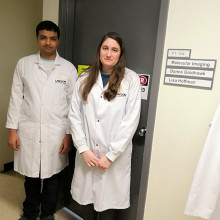
Above: Suhail Shukri, 2018 PEL student at Oakridge Secondary School, and Sarah Donnelly, 2013 PEL student at Wilfred Laurier Secondary School and current MSc candidate at Western University’s Schulich School of Medicine & Dentistry, training with Dr. Jeremy Burton and Dr. Donna Goldhawk at Lawson Health Research Institute.
Lawson Impact Awards celebrates research making a difference
With nearly 300 guests in attendance, health research was celebrated at the fourth annual Lawson Impact Awards on Wednesday, April 19 at the London Convention Centre.
The Lawson Impact Awards celebrates hospital-based research that makes a difference by advancing scientific knowledge and applying it directly to patient care. With awards in seven categories, the annual event honours Lawson scientists, staff, trainees and partners who demonstrate excellence.
“The Lawson Impact Awards recognizes those who have made exceptional contributions to science and innovation. This year's winners include individuals, groups and partners who work tirelessly to improve our understanding of health and disease in Canada and around the world,” says Dr. David Hill, Scientific Director, Lawson Health Research Institute.
This year’s Lawson Impact Awards winners include:
- Dr. Peeyush Lala - Scientist Career Award
- Drs. Glenn Bauman and Aaron Ward - Innovation Award
- Dr. Gediminas Cepinskas - Dr. Joseph Gilbert Research Contribution of the Year Award
- IDB Holland bv - Industry Partner of the Year Award
- Helen and Andy Spriet - Community Partner of the Year Award
- Arthroplasty Clinical Research Team (Dr. Lyndsay Somerville, Codie Primeau and Bryn Zomar) - Staff Award of Excellence
- Charles Ishak - Leadership Award (Student & Trainee)
The recipients of Lawson’s 2017 Strategic Research Fund (SRF) were also revealed at the Lawson Impact Awards. The Lawson SRF is an annual competition that supports projects that will advance science in alignment with Lawson’s strategic research goals, as outlined in the Lawson Strategic Plan 2014-2018. For the second year in a row, the 2017 competition was focused on “inflammation”. The following two projects were awarded $50,000 over a two-year period:
- “Re-setting the breast microbiome to lower inflammation and risk of cancer” – Drs. Muriel Brackstone and Gregor Reid
- “Assessing acute cardiac inflammation after left-sided breast cancer radiotherapy with hybrid PET/MRI” – Drs. Stewart Gaede and Gerald Wisenberg
A highlight of the event was a keynote presentation from record-breaking Canadian astronaut, aquanaut and researcher, Dr. Dave Williams, titled “The Art of the Possible: Innovation Transforming Healthcare”. Dr. Williams provided an inspiring talk that used examples from his space shuttle missions and health research to illustrate how the impossible can be made possible.
In addition, this year’s event honoured Canada’s 150th year as a nation by paying tribute to Canadian scientists and the contributions they’ve made on the world stage. Acknowledging the role of Lawson scientists in continuing this legacy, attendees were also asked to provide their feedback about the future of innovation. These insightful ideas will be shared in the months to come as Lawson continues to celebrate Canada 150.
To view videos of each award winner, visit the Lawson YouTube page. To see more photos from the event, visit Lawson's Facebook page.
Lawson Research Institute Commitment to EDI-B
Lawson Research Institute (Lawson) is a research community that strives to embed equity, diversity, inclusion, and belonging (EDI-B) within our research environment. This commitment is underscored in St. Joseph’s Health Care London’s (St. Joseph's) institutional 2022-2025 strategic plan entitled “Earning Complete Confidence,” in which, among other goals, we prioritize leading in health research and innovation.
To achieve our goal, we must first acknowledge that research spaces, participation and practices have included, and still include, numerous barriers that limit the full participation of equity-deserving groups and partners in the research environment. The Canadian Tri-Agency Statement on Equity, Diversity and Inclusion (EDI) (1) has acknowledged such barriers and formulated The Canadian Tri-Agency EDI Action Plan (2018-2025)(2) outlining steps to address these in our research ecosystem.
As a health research institute, we are also guided by the Ontario Hospital Association (OHA) Strategic Plan (2022-2027) (3), which prioritizes safe and progressive practices that will benefit its members, system, and organization. Innovative, impactful and transformational research thrives when guided by equity, incorporating diverse worldviews, methods and perspectives.
In accordance with the OHA Strategic Plan (3), we believe that the key to a thriving research enterprise is to embed the values of humility, discovery and passion in our work. We embrace the philosophy of Ubuntu, which can be defined as the essential human virtues of compassion and humanity, and recognize that members of our research community are part of a larger, and more significant relational, communal, societal, environmental and spiritual world. Our mission is to attend to the wholeness of each person – body, mind and spirit – welcoming every member of our research community as a person with a unique set of strengths, lived experiences, support networks, spirituality, and personal goals.
We want to foster the resiliency, well-being, equity, diversity, inclusion and belonging of all members of our research community and thus enhance a thriving research culture where wellness, diversity and a sense of belonging are fostered and the potential and capacity of everyone is supported. We understand that leading research through an EDI-B lens is necessary to achieve research relevance, success and excellence, and this will benefit everyone in the Canadian and the global research environment. (4,5,6,7)
Lawson Research Institute commits to:
• Reviewing and improving our EDI-B specific strategies, policies and procedures (1) to support equitable research practice, and (2) to promote inclusive hiring and retention of diverse talent at the Lawson Research Institute.
• Providing the training and resources for our researchers to embed EDI-B principles and best practices in their research design and implementation.
• Incorporating EDI-B accountabilities into research design and practice competencies to ensure that our research responds to the health gaps experienced by our diverse communities.
• Convening a community of expert practitioners to learn best EDI-B practices to advance equity in research design and practice.
• Developing and launching awards focused on elevating and making visible researchers who champion and incorporate EDI-B best practices in their research as guided by the federal research funding programs (8).
It is equally vital to acknowledge, honour and include Indigenous Knowledges, which long precede Euro-western centred approaches brought to these lands. In accordance with the Truth and Reconciliation Commission’s Calls to Action 18-24 on Health (9), it is crucial to make space for and emphasize the importance of conducting health research in culturally sensitive ways as part of our collective responsibility in working towards reconciliation. We will work in collaboration with key units at Western University, such as the Office of Indigenous Initiatives, the Associate Vice-President Research (Equity, Diversity, Inclusion and Decolonization), and Western Research to ensure The Four R's – Respect, Relevance, Reciprocity, Responsibility (10) – are at the core of our research ecosystems. In partnership with Western, we will: 1) ensure ethical research engagement with Indigenous communities; 2) recognize colonial practices in, and adopt anti-colonial approaches to, research; and 3) work with partners to advance equity, diversity, inclusion, and decolonization in all joint programs, services, and funding initiatives we support.
Lawson Research Institute, the research institute of St. Joseph’s Health Care London, works in partnership with London Health Sciences Centre Research Institute, the research institute of London Health Sciences Centre (LHSC), and Western University to advance health research. Western and LHSC share our deep commitment to equity, diversity and inclusion in health research. Learn more about Western’s and LHSC’s commitment to EDI on their websites (11).
------
References:
1. Tri-Agency Statement on Equity, Diversity and Inclusion (EDI):
https://www.nserc-crsng.gc.ca/InterAgency-Interorganismes/EDI-EDI/index_eng.asp
2. Tri-Agency EDI Action Plan for 2018–2025: https://www.nserc-crsng.gc.ca/_doc/EDI/EDI-ActionPlan-EN.pdf
3. Ontario Hospitals Association Strategic Plan 2022-2027 https://www.oha.com/strategicplan
4. Hong, L. and Page, S. E. Groups of diverse problem solvers can outperform groups of high-ability problem solvers. Proc. Natl Acad. Sci. 2004;101:16385-89.
5. Hofstra B. et al. The diversity-innovation paradox in science. Proc. Natl. Acad. Sci. 2020;117:9284-91.
6. Nielsen, M. W. et al. Opinion: gender diversity leads to better science. Proc. Natl Acad. Sci. 2017;114: 1740-2.
7. Herring, C. Does diversity pay?: race, gender, and the business case for diversity. Am. Sociol. Rev. 2009;74: 208–224.
8. New Frontiers in Research Fund: Best practices in equity, diversity and inclusion in re-search design. https://www.sshrc-crsh.gc.ca/funding-financement/nfrf-fnfr/edi-eng.aspx
9. Truth and Reconciliation Commission of Canada 2012: Calls to Action
10. Kirkness, V. J. and R. Barnhardt (2001). First Nations and Higher Education: The Four R's - Respect, Relevance, Reciprocity, Responsibility. Knowledge Across Cultures: A Contribution to Dialogue Among Civilizations. R. Hayoe and J. Pan. Hong Kong, Comparative Education Research Centre, The University of Hong Kong.
11. Western EDI: https://www.edi.uwo.ca, LHSC Office of Inclusion: https://www.lhsc.on.ca/doc/lhsc_annual_report_2023/launch-of-office-of-inclusion.html
… for leaders. Includes information on career development planning, interim and merit increment review, and evaluation … opportunities. Uses: Assist leader with career goal planning and document and performance Users: Human … for leaders. Includes information on career development planning, interim and merit increment review, and evaluation …
Title: Leader 360 Performance Review Location of Records: Human Resources Description: Records relating to the performance management for leaders. Includes information on career development planning, interim and merit increment review, and evaluation processes. Records may include accountabilities, ...
… in Medical Affairs is Gloria Castelo, Human Resource Planning and Credentialing Specialist and may be reached at … in Medical Affairs is Gloria Castelo, Human Resource Planning and Credentialing Specialist and may be reached at …
Dr. Candidates copy Western Schulich School of Medicine & Dentistrys copy Department of Oncologys copy Medical Affairs copy DATE Dear Dr. Re: Letter of Understanding It gives us great pleasure to offer you a position as a General Practitioner in Oncology (GPO) in the Depart...
Dr. s copy Western Schulich School of Medicine & Dentistrys copy Department of s copy Medical Affairs copy THIS LETTER OF OFFER IS ONLY TO BE ISSUED AFTER CONFIRMATION OF THREE SATISFACTORY REFERENCES FOR THE CANDIDATE. Dear Dr.
Dr. s copy Western Schulich School of Medicine & Dentistrys copy Department of s copy Medical Affairs copy THIS LETTER OF OFFER IS ONLY TO BE ISSUED AFTER CONFIRMATION OF THREE SATISFACTORY REFERENCES FOR THE CANDIDATE. Dear Dr.
Dr. s copy Western Schulich School of Medicine & Dentistrys copy Department of s copy Medical Affairs copy THIS LETTER OF OFFER IS ONLY TO BE ISSUED AFTER CONFIRMATION OF THREE SATISFACTORY REFERENCES FOR THE CANDIDATE. Dear Dr.
… in Medical Affairs is Gloria Castelo, Human Resource Planning and Credentialing Specialist and may be reached at … in Medical Affairs is Gloria Castelo, Human Resource Planning and Credentialing Specialist and may be reached at …
Dr. s copy Western Schulich School of Medicine & Dentistrys copy Department of s copy Medical Affairs copy THIS LETTER OF OFFER IS ONLY TO BE ISSUED AFTER CONFIRMATION OF THREE SATISFACTORY REFERENCES FOR THE CANDIDATE. Dear Dr.
Leveraging virtual reality to manage pain in paediatric patients
London - A new study underway through Lawson Health Research Institute and Children’s Hospital at London Health Sciences Centre (LHSC), using virtual reality (VR) to help pediatric patients during painful and distressing procedures.
“Technology holds immense potential for improving the experience of our young patients and their families,” explains Dr. Naveen Poonai, Lawson Scientist, principal investigator and Emergency Department Physician at Children’s Hospital. “VR is becoming increasingly popular amongst young people and some early research shows VR has been helpful in painful procedures, even in adults.”
The study is focusing on pediatric patients who need port access. A port is a little reservoir that sits underneath the skin that allows access to blood or medication with the use of a needle. Ports are most commonly used in pediatric cancer patients.
“This can be very distressing for a patient and it can set the tone for their entire clinic day and course of treatment,” says Dr. Alexandra Zorzi, Lawson Associate Scientist and Pediatric Oncologist at Children’s Hospital. “Minimizing the stress, anxiety, and pain of the procedure is key to avoiding a negative experience.”
The study team is recruiting 90 pediatric patients with existing medical ports. Participants will be randomized into three groups. One group will be using a VR headset that will allow them to play interactive games. The second group will have access to tablet technology, and the final group will be provided with non-technology distractions. Each procedure and the patient’s response will be recorded. Responses will then be compared using a tool called the ‘Observational Scale of Behavioral Distress’ to determine which intervention leads to the best outcomes.
“My hopes are that we develop a variety of skills we can tailor to patients,” adds Dr. Zorzi. “There are patients who receive all kinds of support but still struggle, so having a variety of techniques available to see what works best is a positive step forward.”
The study is expected to be completed by the end of this year. The research team is already collaborating with Children’s Hospital staff and leadership to use VR as a clinical tool if the study proves the technology to be effective.
“We have plans in place to allow whatever we find as the best option to be part of routine care for kids needing port access,” notes Dr. Poonai. “We are also speaking with various medical teams to determine how we can incorporate this into practices across the hospital.”
The use of the VR devices has been made possible with generous support from the Children’s Health Foundation.
About Lawson Health Research Institute
Lawson Health Research Institute is one of Canada’s top hospital-based research institutes, tackling the most pressing challenges in health care. As the research institute of London Health Sciences Centre and St. Joseph’s Health Care London, our innovation happens where care is delivered. Lawson research teams are at the leading-edge of science with the goal of improving health and the delivery of care for patients. Working in partnership with Western University, our researchers are encouraged to pursue their curiosity, collaborate often and share their discoveries widely. Research conducted through Lawson makes a difference in the lives of patients, families and communities around the world. To learn more, visit www.lawsonresearch.ca.
Media Contacts
Celine Zadorsky
Senior Media Relations Consultant
Communications & Public Engagement
T: 519-685-8500 ext. 73502
Celine.zadorsky@lhsc.on.ca
… to inform our decision-making around health system planning, funding and integration. Cathy Bachner A patient … to inform our decision-making around health system planning, funding and integration. Cathy Bachner A patient …
Share your experiences and ideas about parts of the health care system that could impact your own experience and outcomes. Work with and learn from peers from across the South West LHIN. Build your listening and speaking skills as you share your own experiences and ideas. Learn a great deal abou...
… Request Form DD/MMM/YYYY Log # Use this form for facility planning projects that include, but are not limited to one … Request Form DD/MMM/YYYY Log # Use this form for facility planning projects that include, but are not limited to one …
Space/Project Request Form General: The Space/Project Request Form is used for submitting facilities project requests. The form must be completed and signed by the relevant director before submission to Facilities Management. The Space/Project Request Form must be submitted for all requests that do ...
… Request Form DD/MMM/YYYY Log # Use this form for facility planning projects that include, but are not limited to one … Request Form DD/MMM/YYYY Log # Use this form for facility planning projects that include, but are not limited to one …
Space/Project Request Form General: The Space/Project Request Form is used for submitting facilities project requests. The form must be completed and signed by the relevant director before submission to Facilities Management. The Space/Project Request Form must be submitted for all requests that do ...
Beneficiarys name (first, last) Relationship to member *Please note that according to legal requirements, Sun Life Assurance Company of Canada cannot pay benefits to beneficiaries who are minors. A trustee for minor children must be designated. Beneficiary Trustee Nomination Any payments becoming du...
Local COVID-19 research supported by St. Joseph's Health Crisis Fund
St. Joseph’s Health Care London and Lawson Health Research Institute have announced plans to move forward with clinical trials testing a drug that could potentially be used to prevent and treat COVID-19. St. Joseph’s Health Care Foundation will accelerate the creation of the studies by providing seed funding to get the research started through donor support. Based on the immediate need, The St. Joseph’s Health Crisis Fund has been created by St. Joseph’s Health Care Foundation to enable these and other research studies currently in development through Lawson, the research arm of St. Joseph’s.
While supporting urgent COVID-19 clinical trials will be an immediate focus, The St. Joseph’s Health Crisis Fund will also support critical patient care equipment and care and comfort items for healthcare staff and volunteers working on the frontlines of the pandemic across St. Joseph’s.
Led locally by Dr. Michael Silverman, Medical Director of St. Joseph’s Infectious Diseases Care Program, one trial will assess the safety and efficacy of using hydroxychloroquine (HCQ) to prevent COVID-19 in health care workers recently exposed to the virus. This trial will also assess the drug as a treatment for non-hospitalized patients with mild cases of the illness. St. Joseph’s will be one of many participating sites in the trial, which is being led by the Research Institute of the McGill University Health Centre.
“There is much debate surrounding the drug hydroxychloroquine. We do not yet know whether it’s safe or effective, and it should not be routinely recommended until we do,” says Dr. Silverman, also a Lawson Associate Scientist and city-wide Chair/Chief of Infectious Diseases. “We plan to carefully study the drug through a randomized controlled trial and assess whether it can help combat COVID-19.”
Dr. Silverman is also partnering with Dr. Michael Borrie, Geriatrician at St. Joseph’s and Lawson Scientist, on a prevention trial to test the safety and efficacy of the drug for patients and residents at Parkwood Institute who have been exposed to COVID-19. They are at a higher risk of infection, as well as serious complications and potential admission to acute care.
“There are two critical goals with this prophylactic trial,” explains Dr. Borrie. “First, we want to see if the drug, taken for five days, is safe for the participants in the study. We will then look to see whether it is effective to prevent illness or lessen symptoms and complications.”
They are testing whether HCQ may inhibit the coronavirus similar to how the antiviral drug Tamiflu is used to prevent influenza after exposure. The research team will recruit patients and residents who have been accidentally exposed to the virus by a confirmed or presumed case of COVID-19, but who aren’t yet experiencing symptoms. In addition to cardiograms and blood tests for safety, they are collaborating with Dr. Saman Maleki, Lawson Scientist and Immunologist, to analyze the blood for a variety of indicators including the presence of antibodies and immune response. They will collect clinical data and information on common health conditions to gain insights into why some vulnerable individuals get the disease and others don’t.
“We are aware of two small studies that were published rapidly last week, one in France and the other in China, testing the use of chloroquine for potentially treating COVID-19. Further studies are greatly needed,” adds Dr. Borrie. “This study at Parkwood Institute is a good start and we hope to have other Canadian sites join us in recruiting participants so that we can offer statistically significant results as soon as possible.”
Those interested in donating to St. Joseph’s Health Crisis Fund are asked to visit St. Joseph’s Health Care Foundation’s website to learn more at sjhcfoundation.org. Donations can be made online, through direct mail submissions or by calling the Foundation directly at 519-646-6085.
“The Sisters of St. Joseph, who founded our organization, faced contagious diseases and other pandemics at different times in our 150+ year history,” says Michelle Campbell. “Today, it’s a different time, and a new disease. Now, more than ever, we ask our community to help us address the crisis facing us all.”
In the news:
Scientist
London researchers get $2.8 million in funding to support mental health and wellbeing of Canadian health care workers
The COVID-19 pandemic has had a tangible impact on the mental health and wellbeing of Canadian health care workers, who have faced challenges that include increased workloads, resource constraints and fears of exposure to COVID-19.

Announced today, researchers out of Lawson Health Research Institute's MacDonald Franklin OSI Research Centre, have received $2.8 million in funding from the Public Health Agency of Canada (PHAC) to launch a project that will support the mental health and wellbeing of Canadian health care workers. The project is titled “Promoting Resilience and Mental Health: Adapting Canada’s Department of National Defence Road to Mental Readiness (R2MR) Program to Support Canadian Health Care Workers.”
The project will adapt the current Road to Mental Readiness Program, created for the Canadian Military. The aim is to identify mental health and wellness barriers in health care institutions, and create a streamlined framework that will build and promote supportive environments within institutions across the nation.
“This program has been a personalized approach with the military, and we are now adapting it to focus on Canadian health care workers,” explains Dr. Anthony Nazarov, Associate Scientist at Lawson and the MacDonald Franklin OSI Research Centre at St. Joseph’s Health Care London. “We want to educate institutions to create an environment that supports wellness not just at the individual level, but at the institutional level as well.”
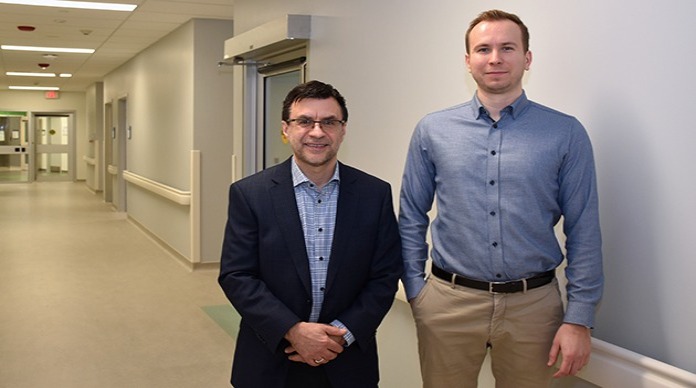
The project, which will span 14 months, will assist in the planning, adaptation and testing of the health care focused Road to Mental Readiness Program.
“One of the main reasons we felt this was necessary stems from a recent study our team conducted that focused on moral distress and the mental health of Canadian health care workers,” says Dr. Don Richardson, Lawson Scientist and Director of the MacDonald Franklin OSI Research Centre at St. Joseph’s. “Our preliminary study results found that many Canadian health care workers have been negatively impacted by the pandemic with conditions such as; posttraumatic stress disorder, stress and depression.”
Once the research team has adapted the current Road to Mental Readiness Program, they will test it with health care workers to confirm its efficacy.
“We hope to have this type of resiliency program adopted by health care organizations across the country,” explains Dr. Richardson. “If proven effective, this would provide additional tools to health care workers to help them cope, improve their resiliency and hopefully mitigate future staff shortages.”
The funding is part of the federal 2021 budget which has committed an investment of $50 million over two years to support projects that address posttraumatic stress disorder and trauma in frontline and essential workers, and others affected by the pandemic. The nine projects announced, totaling an investment of $28.2 million, is the first round of projects being supported through this Budget 2021 commitment.
Scientist
Partners
Media Contact
Celine Zadorsky
Senior Media Relations Consultant
Communications & Public Engagement
T: 519-685-8500 ext. 73502
Celine.zadorsky@lhsc.on.ca