


Search
Search
2373 Search Results:
How changes in the brain affect walking while talking in older adults
Dr. Manuel Montero-Odasso’s research demonstrates that gait testing, such as walking while performing a cognitively demanding task like counting backwards (dual-task gait),can be an effective predictor of progression to dementia. In a new study, a team at Lawson Health Research Institute and Western University’s Schulich School of Medicine & Dentistry has discovered changes to the brain that correspond to these findings.
These changes identify a brain mechanism that corresponds with slow dual-task gait among older adults with mild cognitive impairment (MCI), an intermediate stage between the expected cognitive decline of normal aging and the more serious decline of dementia. Through their work Dr. Montero-Odasso and his team have found that a high dual-task gait cost, or a significant slowdown in walking speed when dual-tasking, is associated with a two- to three-fold increased risk of progression to dementia. However, the brain mechanism underlying this association was unclear.
To address this research question, Dr. Montero-Odasso partnered with Robert Bartha, PhD, an imaging scientist at Schulich Medicine & Dentistry and Robarts Research Institute at Western University. The team used magnetic resonance imaging (MRI) to examine the medial temporal areas of the brain, particularly the hippocampus, the parahippocampal gyrus, and the entorhinal cortex, which are regions particularly vulnerable to degeneration in Alzheimer’s disease. Participants were 40 older adults with MCI taking part in Dr. Montero-Odasso’s “Gait and Brain Study” at St. Joseph’s Health Care London’s Parkwood Institute.
The researchers found that participants with higher dual-task gait costs had a smaller grey matter volume in the left entorhinal cortex. Although grey matter volume loss is a common finding in people with Alzheimer’s disease, it is still unclear which areas of the brain are first affected by neurodegeneration. This finding points to the entorhinal cortex as a susceptible brain region in early stages of cognitive decline. This is in line with previous studies reporting that progression to Alzheimer’s disease is associated with volume loss in the entorhinal cortex.
The study therefore suggests that cognitive and motor dysfunction in older adults with MCI share common changes to the brain. This further supports that dual-task gait changes may be a measurable motor marker for neurological degeneration happening in Alzheimer’s disease.
“These novel results show that early brain changes common to pre-dementia states can be manifested by the way patients walk,” says Dr. Montero-Odasso, scientist at Lawson, geriatrician at St. Joseph’s Health Care London, and professor at Schulich Medicine & Dentistry. “This evidence supports walking while performing a cognitively demanding task as an important way to help predict dementia.”
The study, “Entorhinal Cortex Volume Is Associated With Dual-Task Gait Cost Among Older Adults With MCI: Results From the Gait and Brain Study,” is published in The Journals of Gerontology: Series A.
Scientist
Hybrid PET/MRI Symposium
12:15pm - 10:00pm
On February 12, 2012, the first hybrid PET/MRI in Canada, and fifth in the world, was installed in London, Ontario at St. Joseph's Hospital. In 2016, hybrid PET/MRI started up in Toronto (UHN) and Ottawa (Royal) with new sites committed in Toronto (Sunnybrook), Edmonton, Winnipeg and Vancouver.
This one day symposium will summarize the London experience over the last five years. This will include the technological challenges that have been met (e.g. the need for PET compatible RF coils, MRI directed attenuation correction in brain imaging and the advantage of co-siting a medical cyclotron and radio-chemistry facility) and those that remain (e.g. reimbursement for routine patient use, hybrid reconstruction, hybrid kinetic modeling and respiratory and cardiac corrections for true registration). Experience with applications in cardiology, epilepsy, prostate cancer and rectal cancer will be presented. Presenters from Ottawa and Toronto will also look to the future of hybrid PET/MRI in cardiology, neurodegeneration and psychiatry.
Researchers and students interested in hybrid PET/MRI and its potential role in clinical diagnosis will benefit from this symposium. This includes those interested in technology development and those interested in using PET/MRI to discover the mechanisms of disease and the assessment of therapies. In one full day, attendees will gain knowledge concerning the strengths and challenges of hybrid PET/MRI technology and its growing role in oncology, neurology and cardiology. With a growing number of sites in Canada, there will be an excellent opportunity to form collaborations and the opportunity to establish a Canadian network.
Date and Time: Tuesday, March 14, 2017, 8:15 a.m. to 5:45 p.m.
Location: St. Joseph's Hospital, Shuttleworth Auditorium (D0-104)
Schedule: View the event schedule.
Registration: Online registration is now closed. Please contact Shelagh Ross at @email by Friday, March 10 to register.
… members are unique populations for treatment. They have distinct symptom presentations & treatment reponses. To answer … a meta-analysis of 20 published academic literature studies on iCBT effectiveness in treating PTSD & depression. … as iCBT, has more then doubled since the pandemic, we must ask; Our research showed iCBT is as effective for …
Internet-Based Cognitive Therapy (iCBT) is the delivery of cognitive behavioral therapy (CBT) through a computer, phone, or mobile device, often guided by a mental health professional. Veteran & active military members are unique populations for treatment. They have distinct symptom presentations & ...
Illuminating the body's smallest secrets
Lawson Research Institute’s cyclotron facility is a formidable partner in the fight against disease.
Tucked behind the protective lower walls of St. Joseph’s Hospital lies a futuristic workshop of sorts – a place where science, technology and leading-edge medical care converge.
Within a behemoth, 62-ton machine, a swirling vortex of powerful magnetic fields and electric pulses is creating bursts of radioactive isotopes – tiny, potent sparks of life-saving potential. In the hands of technologists, researchers and clinicians, these chemical elements become diagnostic tracers and therapeutic agents, each particle revealing secrets of the human body.
The machine is a cyclotron - a type of particle accelerator and the only one of its kind in the region. At Lawson Research Institute’s Cyclotron & PET Radiochemistry Facility, scientists are producing a steady and timely supply of short-lived radioisotopes every day to study, detect and treat disease.
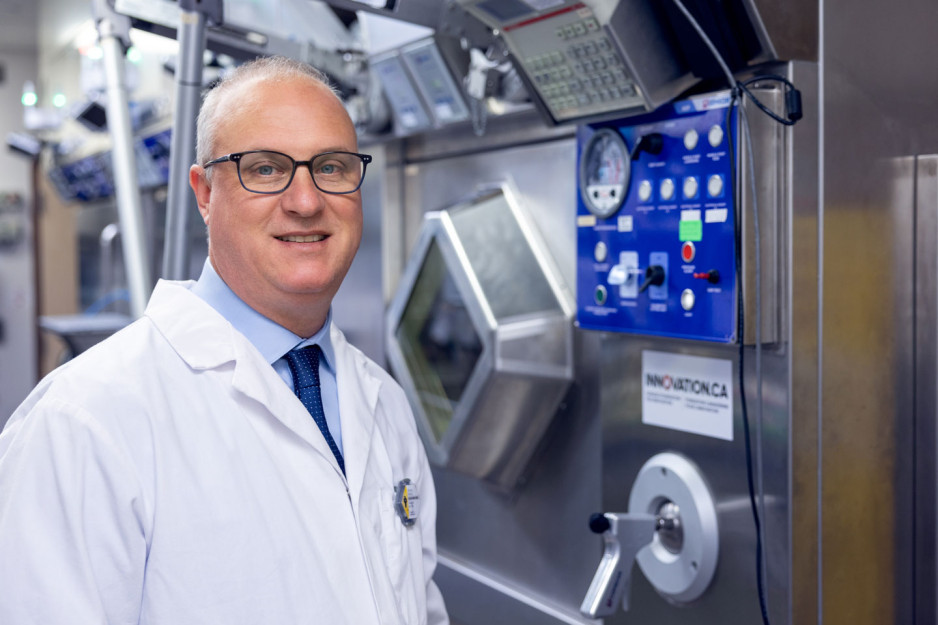
These radioisotopes become a beacon in positron emission tomography (PET) scans, illuminating the hidden shadows of cancer and other diseases. Others provide a precise map of the intricate pathways of blood flow, biological functions, location of specific cells and proteins, and the body’s skeletal architecture.
A formidable partner in the fight against disease, “the cyclotron facility is a hub for Southwestern Ontario that is uncovering the possibilities for improving patient care in numerous ways,” says Michael Kovacs, PhD, Lead, Lawson’s Cyclotron & PET Radiochemistry Facility and Program Lead, Lawson Imaging Research Program.
St. Joseph’s cyclotron supports a wide variety of research projects including imaging applied to oncology, cardiology, neurology, psychiatry, metabolic disease, infectious diseases, bioelectromagnetics and other areas.
“The scope of discoveries already making a difference, and the possibilities within reach, are a source of great pride for Lawson and for London,” adds Frank Prato, PhD Lawson scientist and Chief Medical Physicist at St. Joseph’s.
For Kovacs, Prato, their teams and partners, St. Joseph’s cyclotron is a testament to ingenuity and innovation, a world where every spin and burst of charged particles brings a promise of hope and healing.
Powering innovation
Generous donors to St. Joseph’s Health Care London have made both advanced research and next-level technology a reality. During the past few years, more than $1.1 million in donations funded extensive renovations to the Cyclotron & PET Radiochemistry Facility, making it possible to increase production of isotopes and expand life-saving care.
Recently, $1 million in donations supported a new PET/CT – the heart of the Canada’s first national GE centre of excellence in molecular imaging and theranostics being developed at St. Joseph’s Hospital.
Imaging “hidden” regions of the heart
After suffering a heart attack, some patients develop a microvascular obstruction, an area of the injured heart with extremely poor blood flow. These patients are at an increased risk of developing heart failure in the future.
Medical imaging technologies such as magnetic resonance imaging (MRI) and positron emission tomography (PET) can be used to study the remodeling process after a heart attack that can lead to a microvascular obstruction. However, poor blood flow makes it difficult to get contrast agents into the obstruction. Contrast agents are used in medical imaging to show contrast between different types of tissue, such as damaged and healthy tissue.
Benjamin Wilk, a PhD candidate at Lawson Health Research Institute and Western University’s Schulich School of Medicine & Dentistry, will investigate whether a hybrid PET/MRI system and a new method of administering contrast agents can allow researchers to image microvascular obstructions and study these “hidden” regions in the heart.
Contrast agents are usually injected as a bolus, meaning the entire injection is administered immediately. In this study, participants will instead receive a constant infusion of an MRI contrast agent and PET tracer, which means the injection will be delivered over the course of an hour. The MRI contrast agent they are using is sensitive to blood flow and scar tissue, and the PET tracer is sensitive to inflammatory cells.
This will allow researchers to study the anatomy, blood flow and inflammatory processes in microvascular obstructions a week after heart attack. Participants will then be imaged again after six weeks to study the long-term effects on heart function.
“Studying the heart after a heart attack using novel contrast agent injection strategies with simultaneous PET/MRI could provide crucial information for treatment planning, helping us reduce the number of people affected by heart failure in the future,” says Wilk. “This project could also lead to further research into finding better ways to administer PET tracers and MRI contrast agents. These methods could be applied to different diseases as well.”
Wilk received a Lawson Internal Research Fund (IRF) Studentship to conduct the study, which will be supervised by Dr. Frank Prato, Assistant Director, Lawson and leader of the Lawson Imaging research program at St. Joseph’s Health Care London.
“Lawson's IRF is valuable for students for many reasons. It not only allows us to conduct further research, it also enriches our experience by giving us opportunities to write grants and attend conferences,” adds Wilk.
The IRF is designed to provide Lawson scientists the opportunity to obtain start-up funds for new projects with the potential to obtain larger funding, be published in a high-impact journal, or provide a clinical benefit to patients. Funding is provided by the clinical departments of London Health Sciences Centre and St. Joseph’s Health Care London, as well as the hospital foundations (London Health Sciences Foundation and St. Joseph’s Health Care Foundation).
Scientist
Imaging the microbiome
Normally samples of bacteria must be removed from their microbiome environment for analysis, which can lead to changes in their metabolic activity and other behaviors, hindering our ability to accurately study the gut or urogenital microbiome.
“This could be avoided if we are able to observe the bacteria in the body using Magnetic Resonance Imaging (MRI),” says Sarah Donnelly, MSc student at Lawson Health Research Institute and the Department of Microbiology and Immunology and collaborative Molecular Imaging program at Western University’s Schulich School of Medicine & Dentistry.
She is investigating the possibility of using magnetically-labelled bacteria with MRI to more directly study microbial interactions in urological and other conditions.
“The hope is that in the future we can use imaging technologies to visualize aspects of the microbiome in its healthy state compared to diseased states to see the early signs of disease and take preventative measures or allow for early intervention,” she says.
Donnelly has received a Lawson Internal Research Fund (IRF) Studentship to conduct the study, which will be supervised by Dr. Jeremy Burton, scientist in Lawson’s Human Microbiome and Probiotics research program at St. Joseph’s Health Care London (St. Joseph’s) and appointed to the Departments of Surgery and Microbiology & Immunology at Schulich Medicine & Dentistry; and Dr. Donna Goldhawk, scientist in Lawson’s Imaging research program at St. Joseph’s and assistant professor in the Department of Medical Biophysics at Schulich Medicine & Dentistry.
Escherichia coli (E. coli) are a common bacterium found in the human gut microbiome and frequently cause non-intestinal conditions like urinary tract infections. The researchers will program E. coli to express an iron uptake gene, magA. This gene is taken from another type of bacteria called magnetotactic because of their response to Earth’s magnetic field. The researchers will study whether the increase in iron uptake caused by magA expression will allow MRI to detect the magnetic signal more clearly than it would in images of untransformed E.coli. This would make it possible to see the bacteria’s behavior in living subjects without removing the bacteria cells from the microbiome environment.
They will then use this technique to study how magA labelled bacteria affect biofilm on medical devices. A biofilm is a structure produced when certain bacteria adhere to a surface and then stick together.
They will also analyze how lithotripsy affects the bacteria’s spatial distribution and interactions in three-dimensional models of kidney stones. Lithotripsy uses shockwaves to break up kidney stones into smaller pieces that are able to pass naturally out of the body. However, these shockwaves not only affect kidney stones. The waves are sent throughout the tissue, and the bacteria living on these tissues may also be affected.
“While lithotripsy is effective in treating kidney stones, we don’t know the side effects of lithotripsy on the microbiome. The shockwaves could disturb the bacteria, potentially leading to diseases caused by an imbalance between helpful and harmful bacteria,” says Donnelly.
These laboratory models will allow the researchers to perform studies in vivo (in animal models) in the future.
“Health research is very important for the development of new technologies and treatments but it is often difficult to secure funding. The IRF program allows students to pursue research that would not otherwise be possible,” explains Donnelly.
The IRF is designed to provide Lawson scientists and students the opportunity to obtain start-up funds for new projects with the potential to obtain larger funding, be published in a high-impact journal, or provide a clinical benefit to patients. Funding is provided by the clinical departments of London Health Sciences Centre and St. Joseph’s Health Care London, as well as the hospital foundations (London Health Sciences Foundation and St. Joseph’s Health Care Foundation).
Scientist
Improved imaging for prostate cancer
Prostate cancer is the most commonly diagnosed cancer among Canadian men. However, with improved testing and better treatment options, the number of deaths from the disease has been declining over the last several years.
Scientists at Lawson Health Research Institute are working to continue this trend by testing improved prostate cancer imaging using a new molecule. Known as a Prostate Specific Membrane Antigen (PSMA) probe, the new molecule is used in Positron Emissions Tomography (PET) scans. The probe targets PSMA, a unique molecule on prostate cancer cells, to provide highly specific images for better diagnosis and management of patient disease.
PET probes are used in imaging to correctly diagnose cancer. The probes are injected into a patient where they spread to identify sites of disease. The most common PET probes are suitable for many types of cancer, but are not as sensitive in identifying prostate cancer. PSMA probes provide higher accuracy by targeting PSMA molecules, which are highly over-expressed on prostate cancer cells.
PSMA probes are gaining popularity across the globe. This specific probe is a molecule called 18F-DCFPyL and was developed by Dr. Martin Pomper at the John Hopkins Hospital in Baltimore. Dr. Pomper, also a Scientific Advisor to Lawson’s prostate imaging team, worked in collaboration with Canada’s Centre for Probe Development and Commercialization (CPDC) to bring the probe to our nation.
Lawson’s Canadian Institutes of Health Research (CIHR) Team in Image Guidance for Prostate Cancer gained early access to the PSMA probe due to a history of close collaboration with Dr. Pomper and the CPDC. Marking the first time a PSMA probe has been used in Canada, the team captured PET/MRI and PET/CT images from a 64-year-old prostate cancer patient on March 18, 2016 at St. Joseph’s Hospital.
“This is a tremendous step forward in the management of prostate cancer,” said Dr. Glenn Bauman, a Lawson scientist and Radiation Oncologist at London Health Sciences Centre. “PSMA probes have the potential to provide increased accuracy and detection which leads to better, personalized treatment.”
Lawson plans to study the probe with an additional 20 men over the next two years as part of an ongoing clinical trial funded by the Ontario Institute for Cancer Research (OICR). Lawson scientists are working with researchers across Ontario to develop other clinical trial protocols that will use 18F-DCFPyL to measure responses to drug treatments and to evaluate men with suspected recurrence of prostate cancer after radiotherapy.
“The goal of these studies it to establish the value of PSMA probes, particularly18F-DCFPyL, and provide evidence to support the use of these probes in routine clinical care,” said Dr. Bauman.
Donor funding through London Health Sciences Foundation was one catalyst in this research, providing initial funding to hire Research Associate, Catherine Hildebrand, who set up citywide cancer imaging workshops and helped the team prepare successful grant applications to secure key funding from CIHR and OICR.
Improving mental health treatments for stroke patients is the focus of a new study
LONDON, ON- Strokes affect approximately 400,000 Canadians each year and can be debilitating. They can negatively affect a person’s cognition and mobility, and severely impact mental health and wellbeing.
A team at Lawson Health Research Institute are looking to improve mental health treatments and resources for patients who have experienced a stroke. The team will recruit 100 stroke patients to assess whether the completion of a guided therapy program can improve mental health and quality of life.
“More than sixty per cent of patients experience depression after stroke,” says Dr. Robert Teasell, Lawson Scientist and Physiatrist at St. Joseph’s Health Care London’s Parkwood Institute. “Having a stroke itself makes people more vulnerable and makes people feel their lives have changed negatively.”
During stroke rehabilitation, patients are typically offered mental health treatments, but the research team say it is post rehabilitation that stroke patients tend to experience worsening depression.
“Publicly funded allied health care services are available at inpatient and outpatient care; however, psychology is often limited across the rehabilitation continuum from acute to community care,” says Dr. Swati Mehta, Lawson Scientist. “We are looking at how we can provide a program that is cost effective to help those who have these barriers to access mental health services.”
“Patients have described to me that they feel like they have been dropped off a cliff because of the lack of resources once their programs have ended,” adds Dr. Teasell.
The study will examine the use of cognitive behavioral therapy (CBT), which is an evidence based psychological intervention that aims to provide people with increased coping ability and self-efficacy. Participants will complete a 10-week guided program with specific targeted lessons, tailored to the needs of those post stroke, delivered virtually through a trained clinician. They will then complete a questionnaire to see if there have been any improvements to self-efficacy and emotional wellbeing.
“We have found this form of therapy (CBT) has been very effective and feasible for spinal cord injury patients with mild traumatic brain injury and we want to see how a modified version could potentially help those with stroke and depression,” says Randy Upper, Clinical Research Associate at Lawson.
If CBT is proven effective through this study, Dr. Mehta hopes it will encourage similar programming that would be available to stroke patients after rehab.
“We are hoping we can connect with community organizations and work with them to implement this program in a service delivery model that would be easily accessible for stroke patients living in the community.”
Recruitment for this study is currently underway, those interested in taking part can email Dr. Swati Mehta at: @email
Scientist
Media Contact
Celine Zadorsky
Senior Media Relations Consultant
Communications & Public Engagement
T: 519-685-8500 ext. 73502
Celine.zadorsky@lhsc.on.ca
Improving recovery and rehabilitation for patients with mental illness
Over 130 hospital-based clinical, administrative and research staff members, persons with lived experience of mental illness, family caregivers, peer and community supporters, and staff from local community mental health agencies attended the 18th Annual Mental Health Research & Innovation Half Day on November 1, 2017. The event provided an opportunity to learn more about mental health research at Parkwood Institute and the Southwest Centre for Forensic Mental Health Care (Southwest Centre), part of the St. Joseph’s Health Care London (St. Joseph’s) family.
“This year’s Mental Health Research and Innovation Half Day was one of the best attended in our history of hosting the event. We had a very diverse and engaged audience with great energy and a lot of enthusiasm,” says Dr. Arlene MacDougall, Director of Research and Innovation for mental health care at St. Joseph’s and Lawson Health Research Institute (Lawson).
Exciting recent projects were showcased though talks highlighting excellence in recovery and rehabilitation research, the theme of this year’s event; poster presentations; the 13th Annual Tony Cerenzia Research Lecture delivered by Dr. Sean Kidd; and interactive workshop sessions.
Image
“We chose ‘recovery and rehabilitation’ as the theme for the event because it is so important in our clinical care and research programs to have this focus. We need to prioritize the development, implementation and evaluation of practices and interventions that foster recovery of the whole person experiencing mental illness, which includes their psychological, social and other needs that go beyond traditional notions of healthcare,” Dr. MacDougall adds.
13th Annual Tony Cerenzia Research Lecture
Guest speaker Dr. Kidd’s talk – “From clinical trials to the clinic: A story about making Cognitive Adaptation Training for schizophrenia more accessible” – focused on how to implement interventions proven in clinical trials. Dr. Kidd is a clinical psychologist, senior scientist and psychology division chief at the Centre for Addiction and Mental Health (CAMH) in Toronto. He is also an associate professor in the Department of Psychiatry at the University of Toronto.
Image
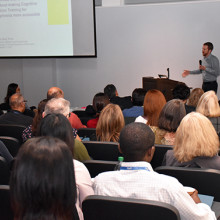
Above: Dr. Sean Kidd's lecture focused on implementing interventions proven in clinical trials.
Workshop Sessions
Following Dr. Kidd’s lecture, attendees had the opportunity to participate in one of six workshops on a variety of topics related to recovery and rehabilitation focused mental health research:
“Implementing Interventions: A facilitated conversation attending to evidence, strategy, and recovery oriented care”
Led by Dr. Sean Kidd
Participants shared successful strategies for implementing novel approaches to care and discussed the challenges involved. They also looked at ways to leverage technology and education materials.
“Spirituality in Mental Health Care: Practically Supporting Recovery and Wellness”
Led by Stephen Yeo, Lawson allied scientist and chaplain, Southwest Centre; and Dr. Clark Heard and Jared Scott, Lawson associate scientists and occupational therapists, Southwest Centre
This workshop focused on the practical application of spirituality within the clinical setting, including the use of labyrinths, which contribute to recovery by promoting spiritual self-care, insight development and personal meaning-making reflection. Attendees had the opportunity to participate in a labyrinth walk and a related spiritual reflection. Read more about the labyrinths at Parkwood Institute and the Southwest Centre or watch the following video featuring highlights from the workshop:
“Indigenous Men’s Health and Wellbeing: Connection with Culture as a Rehabilitation and Recovery Tool”
Led by Bill Hill, social worker, Parkwood Institute and Dr. Vicki Smye, associate professor, director of nursing at Western University
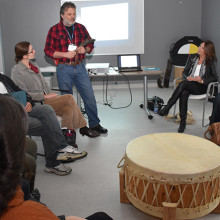
Through the sharing of practitioner experience and Indigenous men’s voices, the workshop focused on understanding the powerful links between connection to culture and mental health and well-being (pictured below).
Image
“Engaging Service Users and their Families in Research”
Led by Dr. Cheryl Forchuk, The Beryl and Richard Ivey Research Chair in Aging, Mental Health, Rehabilitation and Recovery, Lawson; and Deborrah Sherman, executive director, Ontario Peer Development Initiative
Participants in this workshop discussed the benefits of patient and family involvement in mental health research and identified strategies to support patient and family engagement (pictured below).
Image
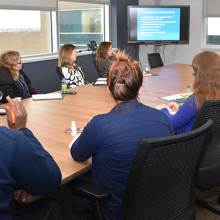
“Innovation in Mental Health Care: Moving Ideas to Impact”
Led by Kaitlin Saxton, research and innovation facilitator, Parkwood Institute; and Lisa Bitcola, centre manager of projects and operations, Ivey International Centre for Health Innovation
This workshop focused on how innovation relates to research and quality improvement initiatives within St. Joseph’s Mental Health Care facilities. Participants discussed innovative approaches that could be implemented within their own clinical practice, research and quality improvement initiatives (pictured below).
Image
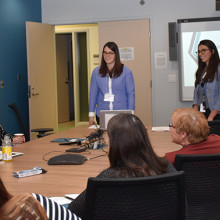
“My Professional Practice: Where's the Research?”
Led by Amanda Thibeault, director, professional practice, St. Joseph’s
In this session, participants discussed how they can incorporate research into their clinical practice (pictured below).
Image

Improving surgery for wrist arthritis
Wrist arthritis can cause debilitating pain, weakness and decreased range of motion. When patients are first diagnosed, the condition can often be managed with activity modification and pain medication. However, as symptoms progress, patients eventually require surgery.
Surgeons typically perform a procedure called four-corner fusion to preserve wrist motion and provide pain relief. This surgery involves removing one of the carpal bones and fusing four of the remaining carpal bones. Although this procedure is one of the most common treatments for wrist arthritis, it is not known how the position of the fusion of the wrist bones affects range of motion and joint contact.
Lawson associate scientist Dr. Nina Suh is leading a study with the goal of improving the surgical technique for four-corner fusion to maximize wrist function and symptom relief, and delay wrist arthritis progression.
Dr. Suh and her team will use a customized active-motion wrist simulator to create different carpal bone fusion positions. They will then assess how these positions affect wrist motion and joint contact area.
“We hope this research will lead to new surgical techniques that will help us to more effectively manage wrist arthritis with four-corner fusion,” says Dr. Suh, who is also an orthopaedic surgeon at the Roth McFarlane Hand and Upper Limb Centre (HULC) at St. Joseph’s Health Care London and an assistant professor at Western University’s Schulich School of Medicine & Dentistry. “The project will also advance our understanding of wrist biomechanics, providing a foundation for the development of enhanced patient-specific surgical tools, such as custom wrist fusion devices and implants.”
Image
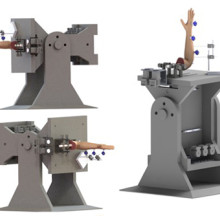
Image of the customized active-motion wrist simulator Dr. Nina Suh and her team are using to create different carpal bone fusion positions. They will then assess how these positions affect wrist motion and joint contact area.
The study is being funded through the Lawson Internal Research Fund (IRF), designed to allow scientists the opportunity to obtain start-up funds for new projects with exciting potential.
“The IRF program is valuable for scientists as external funding sources routinely require preliminary data to strengthen applications,” says Dr. Suh. “Particularly for new scientists such as myself, these grants provide seed funding that allows us to demonstrate the validity of our methodology and the clinical usefulness of our results.”
The IRF is designed to provide Lawson scientists the opportunity to obtain start-up funds for new projects with the potential to obtain larger funding, be published in a high-impact journal, or provide a clinical benefit to patients. Funding is provided by the clinical departments of London Health Sciences Centre and St. Joseph’s Health Care London, as well as the hospital foundations (London Health Sciences Foundation and St. Joseph’s Health Care Foundation).
… Students & the Influenza Vaccine July 2016 Pre-placement … with schools Schools communicate the deadline for all students to receive the influenza vaccine and the … will be kept by the schools. PPC or DSC meets with the student to clarify the influenza vaccination policy School …
Students & the Influenza Vaccine July 2016 Pre-placement requirements shared with schools Schools communicate the deadline for all students to receive the influenza vaccine and the implications on placements if the vaccine is declined. Proof of evidence of vaccination will be kept by the schools. PP...
… MIND & SPIRIT SINCE 1869 Renowned for compassionate care, St. Joseph’s is one of the best academic health care organizations in Canada dedicated to helping people live to their fullest by minimizing the effects of injury, disease and … MIND & SPIRIT SINCE 1869 Renowned for compassionate care, St. Joseph’s is one of the best academic health care …
CARING FOR THE BODY, MIND & SPIRIT SINCE 1869 Renowned for compassionate care, St. Josephs is one of the best academic health care organizations in Canada dedicated to helping people live to their fullest by minimizing the effects of injury, disease and disability through excellence in care, teachin...
… Why do I require a driver after a procedure? Across St. Joseph’s, safety is a priority as part of our vision to … Your safety is important to us, not only during your stay or visit but also prior to and after any procedure. To … help ensure your safety, you will receive pre-procedure instructions and post procedure instructions for the majority …
Why do I require a driver after a procedure? Across St. Josephs, safety is a priority as part of our vision to earn complete confidence in the care we provide. Your safety is important to us, not only during your stay or visit but also prior to and after any procedure. To help ensure your safety, yo...
Innovative ‘poop pills’ show promising results in clinical trials for multiple types of cancer
Two Canadian clinical trials show poop pills could help patients respond to immunotherapy while also reducing toxic side effects of cancer drugs
LONDON, ON and MONTREAL, QC – Fecal microbiota transplants (FMT), can dramatically improve cancer treatment, suggest two groundbreaking studies published in the prestigious Nature Medicine journal. The first study shows that the toxic side effects of drugs to treat kidney cancer could be eliminated with FMT. The second study suggests FMT is effective in improving the response to immunotherapy in patients with lung cancer and melanoma.
The findings represent a giant step forward in using FMT capsules – developed at Lawson Research Institute (Lawson) of St. Joseph’s Health Care London and used in clinical trials at London Health Sciences Centre Research Institute (LHSCRI) and Centre de recherche du Centre hospitalier de l’Université de Montréal (CRCHUM) – for safe and effective cancer treatment.
A Phase I clinical trial was conducted by scientists at LHSCRI and Lawson to determine if FMT is safe when combined with an immunotherapy drug to treat kidney cancer. The team found that customized FMT may help reduce toxic side effects from immunotherapy. The clinical trial involved 20 patients at the Verspeeten Family Cancer Centre at London Health Sciences Centre (LHSC).
“Standard treatment for advanced kidney cancer often includes an immunotherapy drug that helps the patient’s immune system tackle cancer cells,” says Saman Maleki, PhD, Scientist at LHSCRI. “But, unfortunately, the treatment frequently leads to colitis and diarrhea, sometimes so severe that a patient must stop life-sustaining treatment early. If we can reduce toxic side effects and help patients complete their treatment, that will be a gamechanger.”
Separate Phase II lung and skin cancer studies were led by researchers at CRCHUM in collaboration with Lawson and LHSCRI. The studies found that 80 per cent of patients with lung cancer responded to immunotherapy after FMT, compared to only 39-45 per cent typically benefiting from immunotherapy alone. Similarly, 75 per cent of patients with melanoma who received FMT experienced a positive response to treatment, compared to only 50-58 per cent response in patients who receive immunotherapy alone. Twenty patients participated in the lung cancer clinical trial and 20 patients participated in the skin cancer clinical trial.
“Our clinical trial demonstrated that fecal microbiota transplantation could improve the efficacy of immunotherapy in patients with lung cancer and melanoma,” says Dr. Arielle Elkrief, co-principal investigator and Physician Scientist, Université de Montréal-affiliated hospital research centre (CRCHUM). “The results also uncovered one possible mechanism of action of fecal transplantation—through the elimination of harmful bacteria following the transplant. Our results open up a novel avenue for personalized microbiome therapies, and fecal transplant is now being tested as part of the large pan-Canadian Canbiome2 randomized controlled trial.”
“Fecal microbiota transplantation in melanoma and lung cancer opens an entirely new therapeutic avenue, made possible by the exceptional commitment of our patients and the teamwork,” adds Dr. Rahima Jamal, Director of the Unit for Innovative Therapies (UIT) at CRCHUM. “At the Unit for Innovative Therapies (UIT) of the CRCHUM, we have had the privilege of translating laboratory discoveries into early phase clinical trials and witnessing their concrete impact on people living with cancer.”
Both studies use advanced, world-leading FMT capsules, also known as LND101, produced by Lawson in London, Ont. The research reinforces London’s place as a global leader in FMT innovation and treatment. The capsules are processed from healthy donor stools and ingested to help restore a patient’s healthy gut microbiome and treat different types of cancer.
“To use FMT to reduce drug toxicity and improve patients’ quality of life while possibly enhancing their clinical response to cancer treatment is tremendous, and it had never been done in treating kidney cancer before this,” says Dr. Michael Silverman, Scientist at Lawson and Head of St. Joseph’s Infectious Diseases Program. “And none of this would be possible if not for this close collaboration: innovating the FMT capsules in Lawson labs and introducing them at LHSCRI and CHUM to advance vital research initiatives. Also, because LND101 comes from healthy donors, production can be scaled up to eventually help large numbers of cancer patients.”
The studies build on earlier London and CHUM-generated Phase I research showing FMT can safely augment treatment for people with melanoma. FMT is also being studied in people with pancreatic cancer and triple-negative breast cancer, and is already a well-established treatment for serious gut infections such as C. difficile, which can cause severe diarrhea.
“Our hope is that our research will one day help people with cancer live longer while reducing the harmful side effects of treatment,” adds Dr. Ricardo Fernandes, Scientist at LHSCRI and Medical Oncologist at LHSC. “We are world leaders in FMT research and we’re excited about its potential.”
The lung and melanoma study was funded by the Canadian Cancer Society. The kidney cancer clinical trial was funded with support from Ontario Institute of Cancer Research, Canadian Institutes of Health Research, AMOSO, Western University’s Division of Medical Oncology, donors to London Health Sciences Foundation and St. Joseph’s Health Care Foundation, the Hesch Foundation and Weston Family Foundation.
-30-
A video with interviews with Maleki, Silverman and Fernandes is available here. Broll is also available.
To arrange interviews, contact:
Celine Zadorsky, Senior Media Relations Consultant, London Health Sciences Centre, (226) 927-2309, @email
Ellen Caracas, Media Relations, CHUM, (438)-346-0755, @email
About Université de Montréal-affiliated hospital Research Centre (CRCHUM). The CRCHUM is the Université de Montréal’s largest biomedical and health care science research centre and one of the most impressive and modern in all of Canada. Here, basic, clinical and population health research are carried out side-by-side under one roof. Find us online : www.chumontreal.qc.ca/en/crchum and on social media @CRCHUM
About Lawson Research Institute: Lawson Research Institute, the health innovation arm of St. Joseph's Health Care London, is committed to making and sharing discoveries that improve lives locally and internationally. Every day, Lawson researchers work to transform imagination to innovation to patient impact. Lawson leads health-care research. Find us online at sjhc.london.on.ca/research and on social media @stjosephslondon
About London Health Sciences Centre Research Institute: At London Health Sciences Centre Research Institute (LHSCRI), our teams pioneer discoveries that transform the health of adult and paediatric patients around the world. As the research institute of London Health Sciences Centre (LHSC), we conduct research where patient care is delivered, working alongside patients, families, health-care providers and academic partners like Western University. We are leaders in advancing the understanding, diagnosis, treatment and management of diseases and health conditions through a diverse research program that ranges from laboratory-based science to clinical trials. Our research has a global impact as we build on LHSC’s 150-year legacy of health innovation and drive forward medical breakthroughs that make a difference in the lives of patients and their families. Find us online at www.lhscri.ca and on social media @LHSCRI.
… well-being and quality of life of our patients. As we are still in a pandemic, St. Joseph’s is gradually increasing caregiver presence within our buildings. We must also balance protecting everyone in our facilities from … well-being and quality of life of our patients. As we are still in a pandemic, St. Joseph’s is gradually increasing …
Essential Caregiver Presence Guidelines Welcoming caregivers during the COVID-19 pandemic Caregivers are important to the well-being and quality of life of our patients. As we are still in a pandemic, St. Josephs is gradually increasing caregiver presence within our buildings. We must also balance p...
Institutional Research Data Management Strategy
Table of Contents
3 Research Data and Importance of Research Data Management. 2
6.1 Awareness-Raising Activities. 4
6.3 Promote and Support RDM Practices. 5
6.4 Access to RDM Tools, Resources, and Infrastructure. 5
6.4.1 Information Technology (IT) Infrastructure. 5
9 Indigenous Data Considerations. 8
10 Other Relevant Strategies and Policies. 9
10.1 London Health Sciences Centre Corporate Policies and Procedures. 9
10.2 St. Joseph’s Health Care London Policies and Procedures. 10
10.3 External Strategies/Policies. 10
11 Acronyms & Abbreviations. 12
Introduction
The federal research funding agencies (Tri-Agency: Canadian Institutes of Health Research (CIHR), Natural Sciences and Engineering Research Council of Canada (NSERC), Social Sciences and Humanities Research Council (SSHRC)) released a Research Data Management Policy in March 2021. They have set a deadline for March 1, 2023, for each postsecondary institution and research hospital eligible to administer CIHR, NSERC, or SSHRC funds to develop an institutional strategy for Research Data Management (RDM), and notify the agencies when it has been completed. Additionally, for specific funding opportunities, the agencies require data management plans (DMPs) to be submitted to the appropriate agency at the time of application. Furthermore, grant recipients are required to deposit into a digital repository all digital research data, metadata, and code that directly support the research conclusions in journal publications and pre-prints that arise from agency-supported research.
Lawson Research Institute is the research arm of St. Joseph’s Health Care London. Lawson recognizes the impact of funding on research, the RDM requirements and obligations implemented by funding agencies, and the importance of research data management. Lawson is fully engaged in developing and implementing the Institutional RDM Strategy.
The Tri-agency is committed to funding research that is conducted to the highest professional and disciplinary standards, is performed ethically, makes effective use of public funds, is verifiable and replicable, and that makes results as accessible as possible. The agencies support the FAIR (Findable, Accessible, Interoperable, and Reusable) guiding principles and accordingly advocate an increased ability for research data to be archived, found, and responsibly reused to fuel discoveries and innovation across multiple disciplines and geographical borders. Research data management is, therefore, a necessary component of achieving research excellence.
Research data is the data used as evidence to support and validate research findings or results and used as input for analysis. Research data is derived from source data. This can include information extracted from original sources such as clinical systems, experiments, simulations, etc. It is to be noted that any data containing identifiable personal information must remain private and confidential.
Research Data Management is the organization and maintenance of research data throughout the entire research project lifecycle. This includes setting up protocols before initiating data collection, and then collecting, tracking, and creating backups of the data during study execution, and eventually, data sharing, archiving, and publishing upon project completion. This is not a new concept. In fact, Lawson researchers have been employing these processes and procedures and performing RDM in varying capacities. However, with the new policy requirements, obligations for regulatory compliance, concerns for privacy and security, initiatives for data sharing and reproducibility, a push for the FAIR principles, the open science movement, and a need to elevate the availability of Canadian data on the world stage, it is imperative for Lawson to implement and support RDM best practices and procedures.
The Lawson institutional RDM strategy is a concise and directive document that outlines how Lawson will increase its capacity to support and foster a culture of effective research data management. This institutional strategy is a collaboration between internal and external key stakeholders. It will support Lawson researchers in managing their data throughout the research lifecycle using appropriate data stewardship and data management practices.
This strategy applies to all research data generated and collected by Lawson researchers, research trainees, and research staff, whether the research was funded by the Tri-agency or other funders, or self-funded.
This strategy does not propose the creation of new or amendment of existing hospital policies.
The RDM Advisory Committee supports establishing and implementing the overall institutional strategy. Drafting of the institutional RDM strategy is being led by the RDM Project Team, comprising Research Informatics, Grants Development, Quality Assurance, and Research Administration team members through Lawson and (jointly with London Health Sciences Centre Research Institute) through a shared Office of Research Services
The RDM Advisory Committee, comprising key institutional stakeholders, acts as a resource to the RDM Project Team on the planning, implementation, and ongoing evaluation of the strategy. These stakeholders include Lawson’s Chief Operating Officer, representatives from the hospital Privacy Offices, Information Technology Services, LHSC Data Governance, Research Ethics Boards, Western Libraries, Lawson Approvals, Grants Development, Quality Assurance, Research Directors, research teams, and research trainees. The RDM Project Team consults with other stakeholders and community partners as needed to support the RDM rights of all stakeholders involved in research.
The Advisory Committee further understands that as the research landscape advances, the RDM requirements and obligations implemented by Tri-agency and other funders may change; as RDM progress is made as outlined in this strategy, the resources and priorities will also change, necessitating re-evaluation of RDM maturity and revision of this RDM strategy. Hence, the strategy will be considered a living document that will be reviewed on an annual basis by the Advisory Committee.
Lawson aims to meet RDM requirements and implement RDM best practices and processes to fully support its researchers and research communities. Through the implementation of the institutional RDM strategy, Lawson will provide sustainable support and solutions by documenting existing support and processes, formalizing responsibilities, and expressing and promoting RDM best practices. Lawson aims to support researchers in establishing and implementing data management practices consistent with ethical, legal, and commercial obligations.
6.1 Awareness-Raising Activities
The Lawson research community was engaged through various means to raise awareness about the Tri-Agency RDM policy requirements and RDM.
Data champions were recruited from different departments to help promote the value of RDM and engage with various communities.
The research community was invited to participate in an anonymous survey to understand the current state of Lawson in developing and allocating human, organizational, infrastructure, and financial resources for Research Data Management within the Lawson research community.
The RDM Maturity Assessment, based on Maturity Assessment Model in Canada (MAMIC), was conducted to take stock of the current services and identify areas for future growth and development. It helped to capture the perceptions of the current RDM service offerings.
Lawson also established an internal RDM website to provide information about research data management, Tri-Agency RDM Policy requirements, data management plans, institutional RDM strategy, frequently asked questions, and resources. This website provides up-to-date information and keeps the research community informed.
The RDM Project team hosted webinars on research data management, data management plan templates, and DMP Assistant.
The objective is to assist the broader research community in understanding the institution’s current and planned RDM capacity, challenges, and needs. Therefore, to facilitate an ongoing dialogue and collaboration on the advancement of RDM on a national level, Lawson has created web pages dedicated to RDM on an external-facing website.
Lawson has research data management expertise and skills within different departments. However, a centralized and integrated approach to support RDM is required. Infrastructure support for large data sets can also generate some human resources issues. New research data management approaches also require the upkeep of skills, techniques, processes, and solutions. Accordingly, appropriate knowledge and skill development will be needed for the team to support RDM.
6.3 Promote and Support RDM Practices
Lawson will continue to support researchers and their staff by encouraging a data management culture and an environment that promotes and facilitates research data management. Lawson’s Research Informatics and Grants Development teams will provide Data Management Plans and data deposit consultation services.
6.4 Access to RDM Tools, Resources, and Infrastructure
6.4.1 Information Technology (IT) Infrastructure
Lawson’s IT infrastructure is managed and supported by the hospitals’ Information Technology Services (ITS) department.
ITS provides access to OneDrive, Teams, SharePoint, Webex, Office 365, MS Project, and many more solutions and platforms available for research purposes.
All systems available to Lawson researchers through ITS are backed up on a nightly and monthly basis. Backups on tapes are also stored at an off-site location for disaster recovery.
Lawson-supported servers are hosted at the secure ITS data centre. These servers are configured and secured as per hospital guidelines.
Various safeguards have been implemented and documented to prevent, detect, and mitigate the effects of computer viruses, worms, or other potentially harmful software code on study data and software.
The virtual servers hosted at the hospitals’ data centre employ vMotion. It allows IT to move running virtual machines from one physical server to another without impacting end-users. vMotion keeps the IT environment up and running, providing unprecedented flexibility and availability. It also decreases downtime and improves reliability by supporting business continuity and disaster recovery procedures.
Lawson researchers have access to many support services through different departments.
The RDM Project team hosts workshops related to RDM and DMPs.
The Research Informatics team hosts workshops to build capacity in researchers to accelerate the build of high-quality data capture projects.
Quality Assurance and Education Program hosts ‘Lunch ‘n Learn’ sessions related to policies and regulations, and educates researchers and staff on compliance requirements and best practices.
ITS has partnered with Microsoft and peer Ontario hospitals to develop Live Virtual Training sessions to allow learning at an individual pace.
Several tools are available to Lawson researchers to support their RDM requirements.
REDCap is a Research Electronic Data Capture web-based tool for creating and managing online database applications and surveys. Hosted at the hospitals’ data centre, Lawson Research Informatics administrates this secure platform to meet the diverse research needs of the Lawson community.
Lawson supports its researchers by providing robust infrastructure to support their research activities on a safe, secure IT platform to ensure patient confidentiality for clinical activities; and by providing hosting for customized web applications for research studies. Lawson manages several research applications on Windows and Linux servers, securely hosted at the London hospitals’ data centre.
File Safe and M365 are the recommended tools available to Lawson researchers to securely transfer files, large and small, including confidential or patient-identifiable information, instead of using email attachments.
DMP Assistant is a national, online, bilingual data management planning tool to assist researchers in preparing data management plans (DMPs). Lawson researchers and their team members can create an account on this platform. They can select ‘Lawson Health Research Institute’ as their organization to develop their discipline or study-specific Data Management Plan through a series of critical data management questions supported by best-practice guidance and examples.
Lawson researchers also have access to the Lawson DMP Template that guides them through all the elements of a data management plan and provides example answers to several questions.
Canadian Repository Options
Borealis, a publicly accessible, secure Canadian data repository system managed by Western Libraries, allows for data to be released and shared openly or privately with precision at the file level using Dataverse software. This is available to Lawson researchers who are faculty members at Western University.
Lawson researchers can utilize the national Federated Research Data Repository (FRDR) platform to deposit data or to search for and download data across Canadian repositories. This platform can efficiently ingest datasets of any size, and preservation processing is done automatically. Research data can be ingested, curated, preserved, discovered, cited, and shared from this single platform.
International Repository Options
The Directory of Open Access Repositories (OpenDOAR) provides a quality-assured list of open-access repositories worldwide. OpenDOAR staff harvest and assign metadata to allow categorization and analysis to assist the wider use and exploitation of repositories. OpenDOAR is based at the University of Nottingham.
Re3data.org is a global registry of research data repositories that covers research data repositories from different academic disciplines. It includes repositories for the permanent storage and access of data sets to researchers, funding bodies, publishers, and scholarly institutions. Re3data.org promotes a culture of sharing, increased access, and better visibility of research data.
Several key stakeholders were identified internally and externally from the organization. The RDM Advisory Committee was formed in March 2022 to include relevant stakeholders who are directly impacted by the implementation of the Institutional Strategy. This committee included stakeholders from Executive Administration, Research Informatics, Grants Development, and representatives from London Health Sciences Centre and St. Joseph’s Privacy Offices, Information Technology Services, LHSC Data Governance, Western University’s Health Sciences Research Ethics Board, Western Libraries, Lawson Approvals, Quality Assurance, Research Directors, Research teams, and a Postdoctoral Fellow. The Advisory Committee meets monthly to help raise awareness, assess institutional readiness, and serve as a communication medium. Appropriate delivery mechanisms for outreach were implemented to engage the Lawson research community. The input and feedback from the research community were solicited through surveys, webinars, online RDM sites, email, ad hoc meetings, etc.
Perceiving the significance of collaboration with external stakeholders and community partners, the RDM Project Team has been reaching out to Indigenous Cancer Care Unit Clinical Institutes & Quality Programs and the Office of Inclusion & Social Accountability (Indigenous Health) at LHSC, and the Knowledge Exchange, Impact & EDI-D in Research office and Indigenous Health Lab at Western University for finding a common intersection of work and continued consultation and consideration concerning RDM training and processes.
Lawson Research Institute supports researchers in adopting and complying with ethical, legal, and commercial obligations through various means. Research oversight and compliance are overseen by Western University’s Health Sciences Research Ethics Board (HSREB), Clinical Trials Ontario (CTO), and Ontario Cancer Research Ethics Board (OCREB). They also oversee the ethical conduct of research studies involving human participants. Additionally, the Tri-Agency’s Tri-Council Policy Statement: Ethical Conduct Involving Humans – TCPS2 (2018) provides guidance to researchers conducting research involving human participants.
Lawson’s Quality Assurance and Education Program (QAEP), which is a part of Lawson’s Quality Management System (QMS), facilitates research compliance across the organization through Standard Operating Procedures, Guidance Documents, Lunch and Learns, Clinical Research Training, Quality Assurance Reviews as well as providing research support to Investigators, research teams and other stakeholders on the regulations, policies and best practices governing clinical research.
Research compliance with legal and commercial obligations falls under the Lawson Research Approval Systems (Contracts) and WORLDiscoveries, a joint business development arm for Lawson, Western University, and Robarts Research Institute. Lawson’s Contracts team is responsible for drafting, reviewing, negotiating, and coordinating all contracts for research under Lawson’s auspices.
Lawson intends to support researchers involved with Indigenous research and ensure that Tri-Agency RDM policy requirements are addressed. We recognize that there are many Indigenous communities, peoples, cultures, languages, and protocols and therefore no singular approach can be applied. We also acknowledge the validity of Indigenous epistemologies and ontologies.
Lawson recognizes, supports, and respects Indigenous data sovereignty and their right to own, control, access, possess, and protect the information collected from these communities, based on free, prior, and informed consent. We are committed to respect and adhere to nation and community specific protocols by following research data management principles developed and approved by these communities, collectives and organizations such as the First Nations Information Governance Centre’s OCAP (Ownership, Control, Access, Possession) principles, the Inuit Tapiriit Kanatami National Inuit Strategy on Research, and Global Indigenous Data Alliance’s CARE principles. These govern data collection, ownership, protection, use and sharing to encourage inclusive development and innovation, and equitable outcomes. Lawson will ensure that the DMPs are co-developed with these communities, collectives, and organizations, in line with RDM principles and DMP formats that they accept. We acknowledge that they have the right to repatriate the data and this could result in exceptions to the data deposit requirement.
Lawson researchers are also guided through TCPS 2 (2018) – Chapter 9: Research Involving the First Nations, Inuit and Métis Peoples of Canada to ensure that research involving Indigenous peoples is postulated on respectful relationships that encourage collaboration and engagement between researchers and participants. It is a policy that serves as a framework for the ethical conduct of research involving Indigenous peoples in Canada.
It is our institutional responsibility to build capacity for doing this work in an effective way. Lawson is working with the Indigenous Cancer Care Unit Clinical Institutes & Quality Programs and the Office of Inclusion & Social Accountability (Indigenous Health) at LHSC. Lawson is also collaborating with the Office of Equity, Diversity, and Inclusion (EDI) and the Indigenous Health Lab at Western University.
Lawson aims to strengthen Indigenous research capacity by facilitating and promoting equitable access and support for Indigenous students and researchers. Lawson Scientists usually have Western faculty appointments and/or have employment as clinicians with St. Joseph’s. Lawson supports Indigenous researchers with these affiliations and encourages non-Indigenous researchers to co-develop new models for Indigenous research and research training with Indigenous communities. This may include co-developing research questions, agendas, respectful relations, and impactful solutions built on trust, respect, and mutual interests. Indigenous researchers and leadership will help non-Indigenous researchers understand Indigenous perspectives, needs, concerns and aspirations for Indigenous research. Indigenous researchers can help foster positive collaboration with Indigenous partners, collect organic responses from Indigenous participants and provide an Indigenous research lens on the collected information and analyzed data.
These efforts will help us create research data management guidelines for our researchers involved in Indigenous research, assuring the best practices reflect the Four R’s - Respect, Relevance, Reciprocity, and Responsibility.
Lawson Research Institute is governed by St. Joseph’s policies, processes, and procedures that are relevant to various aspects of RDM.
The Lawson RDM Strategy is also intended to align with external requirements and guidance, including provincial, federal, and international laws.
The pertinent policies and documents that were reviewed are listed below.
10.1 London Health Sciences Centre Corporate Policies and Procedures
Acceptable Use of Information Technology Resources |
Breach of Privacy |
Privacy |
Confidentiality |
Electronic Mail (Email) Use |
Acceptable Use of Information Technology Resources |
Records Retention and Disposition |
Remote Access to Computer Network Resources |
Security of Confidential Information and Information Technology Systems |
Use of Cellular Phones and Other Wireless Devices |
Use of Personal Health Information for Research, Education, and Quality Improvement |
Invention - Lawson |
Lawson Approval for Clinical Research |
10.2 St. Joseph’s Health Care London Policies and Procedures
Acceptable Use of Information Technology Resources |
Access and Disclosure of Personal Health Information |
Breach of Patient Privacy |
Clinical Trials Involving Investigational Drugs |
Confidentiality |
Disclosure of Patient Information, Samples, and/or Belongings to Law Enforcement Agents |
Electronic Mail (Email) Use |
Freedom of Information and Protection of Privacy Act (FIPPA) |
Health Record Management |
Interpretation and Translation Services |
Patient Requests to Restrict the Use and Disclosure of Personal Health Information |
Privacy |
Records Retention and Destruction |
Remote Access to Computer Network Resources |
Security of Confidential Information and Information Technology Systems |
Use of Personal Health Information for Research, Education, and Quality Assurance |
10.3 External Strategies/Policies
Acronym/Term | Definition |
CARE | Collective Benefit, Authority to Control, Responsibility, and Ethics |
CIHR | Canadian Institutes of Health Research |
DMP | Data Management Plan |
EDI | Equity, Diversity, and Inclusion |
FAIR | Findable, Accessible, Interoperable, and Reusable |
HSREB | Health Sciences Research Ethics Board |
ITS | Information Technology Services |
Lawson | Lawson Research Institute of St. Joseph's Health Care London |
LHSC and LHSCRI | London Health Sciences Centre and its research arm, London Health Sciences Centre Research Institute |
MAMIC | Maturity Assessment Model in Canada |
NSERC | Natural Sciences and Engineering Research Council of Canada |
OCAP | Ownership, Control, Access, and Possession |
OCREB | Ontario Cancer Research Ethics Board |
QAEP | Quality Assurance and Education Program |
QMS | Quality Management System |
RDM | Research Data Management |
SSHRC | Social Sciences and Humanities Research Council |
St. Joseph’s | St. Joseph’s Health Care London |
Tri-Agency | CIHR, NSERC, SSHRC |
WORLDiscoveries | WORLDiscoveries is the commercialization arm of Western University, Robarts, and Lawson and represents our commitment to protecting and transferring technologies developed by our partners to market. |
The definitions below are as per the Tri-Agency Research Data Management Policy, Frequently Asked Questions, and Social Sciences and Humanities Research Council Definition of Terms, 2021, Government of Canada.
Data Deposit
“Data deposit” refers to when the research data collected as part of a research project is transferred to a research data repository. The repository should have easily accessible policies describing deposit and user licenses, access control, preservation procedures, storage and backup practices, and sustainability and succession plans. The deposit of research data into appropriate repositories supports ongoing data-retention and, where appropriate, access to the data.
Data Management Plan
A data management plan (DMP) is a living document, typically associated with an individual research project or program that consists of the practices, processes, and strategies that pertain to a set of specified topics related to data management and curation. DMPs should be modified throughout a research project to reflect changes in project design, methods, or other considerations.
Indigenous Research
Research in any field or discipline that is conducted by, grounded in or engaged with First Nations, Inuit, Métis or other Indigenous nations, communities, societies or individuals, and their wisdom, cultures, experiences or knowledge systems, as expressed in their dynamic forms, past and present. Indigenous research can embrace the intellectual, physical, emotional and/or spiritual dimensions of knowledge in creative and interconnected relationships with people, places and the natural environment.
Metadata
“Metadata” are data about data—data that define and describe the characteristics of other data. Accurate and relevant metadata are essential for making research data findable. A principle to help determine what information should be included in metadata is the open archival information system model criterion that the information be “independently understandable.”
Research Data
Research data are data that are used as primary sources to support technical or scientific enquiry, research, scholarship, or creative practice, and that are used as evidence in the research process and/or are commonly accepted in the research community as necessary to validate research findings and results. Research data may be experimental data, observational data, operational data, third party data, public sector data, monitoring data, processed data, or repurposed data. What is considered relevant research data is often highly contextual, and determining what counts as such should be guided by disciplinary norms.
Research Data Management
Research data management (RDM) refers to the processes applied through the lifecycle of a research project to guide the collection, documentation, storage, sharing, and preservation of research data.
The Lawson Research Data Management Strategy is a living document that will be reviewed and shared on an annual basis. It will be revised and updated as the institutional and researchers’ research data management requirements, practices, and understanding advance.
In the coming years, Lawson will:
evaluate the changes in policy requirements,
assess evolving institutional RDM training needs
gauge availability of the supporting resources
ensure compliance with the RDM policies and requirements by funders, publishers, and legislative bodies
evaluate technological infrastructure and meet expanding storage requirements – this may include assessment of access on platforms like Borealis for Lawson researchers who are not Western faculty members
facilitate capacity-building events for RDM and DMP development
provide training and educational services and support
examine DMP evaluation criteria and guidelines
consider requirements for data deposit certifications
adjudge implications on the involved stakeholders
consult with community stakeholders to confirm Indigenous data sovereignty considerations
It has been clear that implementation of the institutional RDM strategy requires collaboration on a broader scale. To that end, the RDM Project Team will build additional meaningful connections and identify subject matter experts for future RDM projects. Furthermore, the RDM project team is also proposing to establish a Community of Practice to manage RDM requirements in a sustainable method. This Community of Practice may comprise key stakeholders and experts from groups such as Ethics, Privacy, QA, Indigenous wellness group, Office of Inclusion and Social Accountability, research investigators, research coordinators, and research personnel.
… Discharge Instructions – St. Joseph’s Hospital 200722 (ortho) June 2017 Carpal … Surgical Site • Remove the dressing in 48 hours unless instructed otherwise by your surgeon. • Once the dressing has … Discharge Instructions – St. Joseph’s Hospital 200722 (ortho) June 2017 …
Discharge Instructions St. Josephs Hospital 200722 (ortho) June 2017 Carpal Tunnel, Trigger Finger Release or Removal of Arthritic Nodules - Orthopaedics Day of Surgery remember to bring 2-3 pillows, leave in the car so they are available to elevate your arm on the way home. Care of the Surgical Si...
… August 2021 Instructions for completing the health review form Please … Safety Services no later than 7 business days prior to your start date. INCOMPLETE FORMS AND LATE SUBMISSIONS WILL DELAY YOUR START DATE. 1. Red Measles You require 2 doses of measles … August 2021 Instructions for completing the health review form …
August 2021 Instructions for completing the health review form Please provide the following information to Occupational Health and Safety Services no later than 7 business days prior to your start date. INCOMPLETE FORMS AND LATE SUBMISSIONS WILL DELAY YOUR START DATE. 1. Red Measles You require 2 do...
… ,.., SIJOSEPHs H EA LTH CARE LOND O N Instructions for Completing … Safety Services no later than 7 business days prior to your start date. INCOMPLETE FORMS AND LATE SUBMISSIONS WILL DELAY … ,.., SIJOSEPHs H EA LTH CARE LOND O N Instructions for Completing the Health Review Form Please …
,.., SIJOSEPHs H EA LTH CARE LOND O N Instructions for Completing the Health Review Form Please provide the following information to Occupational Health and Safety Services no later than 7 business days prior to your start date. INCOMPLETE FORMS AND LATE SUBMISSIONS WILL DELAY YOUR START DATE. 1. Re...
… Instructions for completing the health review form Paid/Private Hire Staff: Please provide the following information to … or fax to 519-646-6235. Volunteers/Co-op Students: Completed, signed forms (including proof) to be … OHSS@sjhc.london.on.ca or fax to 519-646-6235. Sponsored Students: Completed, signed forms to be sent to: …
Instructions for completing the health review form Paid/Private Hire Staff: Please provide the following information to Occupational Health and Safety Services before your appointment, if it is available to you, by emailing: ohsshealthreviews@sjhc.london.on.ca or fax to 519-646-6235. Volunteers/Co-o...