


Search
Search
675 Search Results:
… the plane. Be prepared for higher BG while traveling. Test often and stay hydrated. Insulin may not last as long … at your destination, set the pump clock to local time. Test often. Include some testing through the night until your BG levels are stable. … the plane. Be prepared for higher BG while traveling. Test often and stay hydrated. Insulin may not last as long …
Travel with an insulin pump Carry everything that you need on board the airplane. See list on reverse. Additional items may also be packed in checked luggage, but all insulin should be carried with you because it may be exposed to extreme temperatures in transit. Write down your current basal rates ...
Two Lawson researchers each receive $400K CIHR grants to improve kidney care
Two researchers at Lawson Health Research Institute have each been awarded $400,000 as part of the Canadian Institute of Health Research’s (CIHR) new Health System Impact Embedded Early Career Researcher Awards.
The funding will see the researchers apply their skills to find and implement solutions to improve kidney care by focusing on challenges in the health-care system.
Dr. Kyla Naylor and Dr. Danielle Nash will each spend four years working with provincial organizations. Dr. Naylor will work with the Trillium Gift of Life Network -Ontario Health, which is the organization responsible for coordinating provincial organ and tissue donation and transplant services. Dr. Nash will work with the Ontario Renal Network - Ontario Health, which is the organization responsible for managing delivery of advanced kidney services in the province.
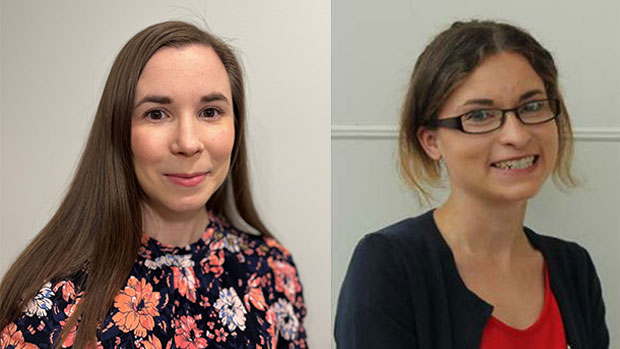
“The treatment options for kidney failure is either a kidney transplant or dialysis. The majority of Canadians who have kidney failure receive dialysis,” says Dr. Naylor, who is an Associate Scientist at Lawson and an Adjunct Scientist at ICES. “However, a kidney transplant compared to dialysis can improve a patients’ quality of life, can give on average 10 more years of survival, and when compared to dialysis, can save the health-care system millions of dollars.”
In her research program, Dr. Naylor will begin by developing a kidney transplant measurement framework that will enable continuous performance monitoring and increase equitable access to transplant.
“The first goal of this project will allow kidney transplant centres and regional renal programs to evaluate their performance and set goals towards improvement,” Dr. Naylor says. “The second is to improve kidney transplant education materials to provide patients with the information to make an informed decision about kidney transplant, and the third is to address geographical barriers to transplantation.”
Dr. Naylor will be using ICES data, which includes administrative health-care data for Ontario’s 14.5 million residents, with the goal of eventually making access to kidney transplantation more equitable for the thousands of Canadians living with kidney failure.
The goal of Dr. Nash’s research program is to use a learning health system model to better understand patient-identified gaps in kidney care across Ontario, and to develop solutions to fill these gaps in collaboration with the Ontario Renal Network and patient partners.
“Chronic kidney disease is a serious illness that can lead to kidney failure. The best way to prevent kidney failure is to detect chronic kidney disease early and provide optimal care during this time,” explains Dr. Nash, who is also an Epidemiologist and Scientist with London Health Science Centre’s (LHSC) Kidney Dialysis and Transplantation Program. “Since many patients do not have symptoms, it can go unnoticed for a long time. However, it can be detected using simple blood and urine tests.”
Province-wide data from ICES Ontario and the Ontario Renal Network will be used for the research data.
As part of both studies, the researchers will also be interviewing health-care providers and patients to assess additional barriers to treatment.
“One in four patients do not see a nephrologist in a timely manner and 60 per cent are not receiving adequate time in multidisciplinary kidney care clinics before initiating dialysis,” says Dr. Nash. “Education on treatment options (typically dialysis or a kidney transplant) needs to happen early for patients who are at high risk for kidney failure, so they can make an informed decision about treatment.”
Partners
Media Contact
Amanda Taccone
Communications Consultant & External Relations
Lawson Health Research Institute
T: 519-685-8500 ext. ext. 64059
C: 226-919-4748
@email
Understanding the COVID-19 virus through health research
In the early months of the COVID-19 pandemic, there was little known about the virus that was causing the COVID-19 illness. Hospital researchers in London, Ontario, through Lawson Health Research Institute, quickly got to work to study and better understand the SARS-CoV-2 virus. Lawson is the research arm of London Health Sciences Centre (LHSC) and St. Joseph’s Health Care London.
“When the pandemic hit, we were well prepared in London to start research studies. We had existing expertise, laboratories and teams through the hospitals, Lawson and Western University that could be mobilized quickly,” explains Dr. Douglas Fraser, Critical Care Physician at LHSC and Scientist at Lawson. “Patients started coming to hospital with COVID-19 and we began research that involved collecting human samples and bringing them to the lab for analysis.”
Dr. Fraser, who is also a Professor at Western’s Schulich School of Medicine & Dentistry, led the research team studying the samples from COVID-19 patients in hospital. “We learned very quickly that COVID-19 patients were experiencing a strong inflammatory response to the virus. We looked at the molecules involved because many of these are signaling molecules to the immune system.”
Image
Dr. Douglas Fraser, Critical Care Physician (LHSC) and Lawson Scientist
“By studying the molecules, we were able to determine the pathways. This is important because it also points to how we should be targeting our diagnostics and therapeutics,” adds Dr Fraser.
As a hospital research institute, Lawson is uniquely positioned to address the medical questions posed by a new virus. Its Clinical Research Services (LCRS) and Center for Clinical Investigation and Therapeutics (CCIT) teams responded rapidly when researchers initiated COVID-19 studies, including Dr. Fraser’s study to examine the immune response in patients with COVID-19.
“Starting a clinical trial usually takes a certain amount of time to put together, but the pandemic created a perfect storm,” explains Sue Tereschyn, Manager of LCRS at Lawson. “Clinical researchers had to develop studies at a speed they have never seen, and they needed implementation support at the same speed. In Dr. Fraser’s case, we needed samples from the Intensive Care Unit (ICU) and we were processing samples from COVID-19 patients seven days a week. A high level of skill was needed.”
Dr. Fraser and his team soon became the first in the world to understand the immune response and several pathophysiological features of the virus. This work led to a critical understanding of how the virus was impacting patients and potential avenues for therapy.
“It’s important to understand what’s happening in the body when someone has COVID-19 because that gives us information as to why some patients don’t do well and why others recover,” shares Dr. Fraser. “This helps us know who is vulnerable to COVID-19 and how to best offer treatments in the future.”
Read about Dr. Fraser's COVID-19 research:
- Researchers team up with Diagnostics Biochem Canada to study COVID-19
- Study identifies biomarkers that could be used in a quick, inexpensive COVID-19 blood screening tool
- Researchers unravel two mysteries of COVID-19
Work is also underway to find the unique fingerprint that the COVID-19 virus can leave on the lungs. Hospital researchers at Lawson have developed and tested an artificial neural network for diagnosing COVID-19.
Image
Dr. Robert Arntfield, Medical Director, Critical Care Trauma Centre (LHSC) and Lawson Researcher
“The lung ultrasound techniques and the findings of COVID-19 by looking at the lungs didn’t initially look unique when compared to other conditions like pneumonia. Our group wanted to investigate whether or not there were differences that were possibly subvisible,” says Dr. Robert Arntfield, Medical Director of Critical Care Trauma Centre at LHSC and Lawson Researcher. “Through our work, we were able to show that in fact artificial intelligence could outperform a trained clinician in identifying a COVID-19 lung from a similar affected lung that was not due to COVID-19.”
This new technique just scratches the surface of the beneficial use of AI when it comes to medical imaging for patients. “It shone a light on the idea that there were hidden details within all the noise of the image,” adds. Dr. Arntfield. “When you can input that into a machine that is extremely portable the way ultrasounds are, you have a precise diagnostic machine that you can take anywhere a tablet can go.”
The team is now expanding on these findings with further research. Lawson has recently approved Dr. Arntfield’s “Project Deep Breath” which aims to go beyond COVID-19 and explore multiple conditions where lung ultrasounds and AI can be paired together.
This is Part 2 in Lawson’s COVID-19 feature series. Read Part 1 to learn more about the research studies that helped us understand COVID-19.
… Entrance 4 Legend On the Go / Tim Hortons ATM P $ $ Lab Test Centre Parking Pay Station 1 Grosvenor Entrance 1 … Entrance 4 Legend On the Go / Tim Hortons ATM P $ $ Lab Test Centre Parking Pay Station 1 Grosvenor Entrance 1 …
A B C D E F Zone Colour & Logo PARKING GARAGE Level 0Level 0 ZoneZone Level 0Level 0 ZoneZone 4 Exit (Parking) Tunnel ZoneZone Level 0 Level 0 $ $ Link Level 1 $ Link Level 1 2 Grosvenor Entrance 2 4 Cheapside Entrance 4 Legend On the Go / Tim Hortons ATM P $ $ Lab Test Centre Parking Pay Station 1 ...
… If something is not working, we choose a new direction. Test Test blood glucose Test strips Check blood glucose/blood glucose monitor- ing … If something is not working, we choose a new direction. Test Test blood glucose Test strips Check blood glucose/blood …
Use of Language in Diabetes Dickinson et al 551 Jane K. Dickinson, RN, PhD, CDE Susan J. Guzman, PhD Melinda D. Maryniuk, MEd, RD, CDE Catherine A. OBrian, PhD Jane K. Kadohiro, DrPH, APRN, CDE, FAADE Richard A. Jackson, MD Nancy DHondt, RPh, CDE, FAADE Brenda Montgomery, RN, MSHS, CDE Kelly L. Clos...
… sjhc.london.on.ca Important Information for the Day of the Test Day of barium enema examination: Continue with no solid … sjhc.london.on.ca Important Information for the Day of the Test Day of barium enema examination: Continue with no solid …
CARING FOR THE BODY, MIND & SPIRIT SINCE 1869 Renowned for compassionate care, St. Josephs is one of the best academic health care organizations in Canada dedicated to helping people live to their fullest by minimizing the effects of injury, disease and disability through excellence in care, teachin...
View St. Joseph’s Health Care London's 2016-2017 Annual Report
St. Joseph’s Health Care London’s 2016-2017 Annual Report features stories of care, recovery, discovery, teaching and resiliency – of care teams, patients, residents, and their families.
Included in the 2016-2017 Annual Report are the following research stories:
- New imaging research chairs make history: In a historical-first, St. Joseph’s Health Care Foundation and Western University announced two research chairs to advance imaging research at Western University and Lawson Health Research Institute. The research chairs have been named after the two scientists who are revolutionizing health care through their groundbreaking imaging research – Drs. Ting-Yim Lee and Frank Prato.
- A world-first approach to dementia: Researchers at Lawson Health Research Institute are the first in the world conducting a clinical trial to test a triple intervention aimed at treating mild cognitive impairment (MCI) and delaying the onset of dementia. The Mobility, Exercise and Cognition (MEC) team will be incorporating physical exercises, cognitive training and vitamin D supplementation to determine the best treatment for improving mobility and cognition.
- First clinical guidelines in Canada for pain following spinal cord injury: Researchers at Lawson Health Research Institute are the first in Canada to develop clinical practice guidelines that address the unique challenges for managing pain during recovery and rehabilitation from spinal cord injury.
- CAHO HWS field trip to Lawson: The Council of Academic Hospitals of Ontario (CAHO) toured the labs of Lawson Health Research Institute to encourage stable investment in hospital-based research and showcase the groundbreaking work underway at St. Joseph’s and London Health Sciences Centre.
- iSee Vision Screening Research Program: iSee, an innovative vision screening research program of St. Joseph’s Ivey Eye Institute is catching problems early for children ages 18 months to five years. The screening, which takes only seconds, detects amblyopia (lazy eye) and other eye conditions that can cause poor vision
View St. Joseph’s Health Care London's 2017-2018 Annual Report
St. Joseph’s Health Care London’s 2017-2018 Annual Report features stories about patients and residents, and their journey of care and recovery.
The following research is highlighted in the 2017-2018 Annual Report:
- Smart tech, smart treatment: Many mobile applications are on the market to help people struggling with mental health issues, but these aren’t necessarily created or used by health care providers. Creating an entire smart mental health system is one of the strategic priorities of St. Joseph’s and Lawson’s Mental Health Research Group led by Dr. Cheryl Forchuk, Beryl and Richard Ivey Research Chair in Aging, Mental Health, Rehabilitation and Recovery. Numerous projects have been identified as components of a plan spanning seven years.
- Walking while talking a possible early predictor of dementia: In a new study, researchers at Lawson and Western University are demonstrating that gait, or motion testing, while simultaneously performing a cognitively demanding task can effectively predict the progression to dementia and eventually help with earlier diagnosis. To date, there is no definitive way for health care professionals to forecast the onset of dementia in a patient with memory complaints.
Scientist
… in this handout very carefully. The instructions have been tested to ensure they minimize discomfort while producing a … clean bowel. An incompletely clean bowel may mean that the test will have to be repeated. More importantly, if the … dose. i~ STJOSEPHs HEALTH CARE LON DON Two days before your test Eat a normal evening meal (supper). This will be the …
CARING FOR THE BODY, MIND & SPIRIT SINCE 1869 Renowned for compassionate care, St. Joseph's is one of the best academic health care organizations in Canada dedicated to helping people live to their fullest by minimizing the effects of injury, disease and disability through excellence in care, teachi...
… A Financial Assessment & Capacity Test (FACT) For A Psychogeriatric Population: Development … of Daily Living, Financial Assessment and Capacity Test, Geriatric Psychiatry, Psychogeriatric, Validity … concurrent validity of the Financial Assessment & Capacity Test (FACT). Method: The study was a double blind, one …
A Financial Assessment & Capacity Test (FACT) For A Psychogeriatric Population: Development and Concurrent Validity Edward L. Black, PhD, CPsych1,2 , Tom J. Ross, B.A.1, Tobi Flanagan, BScOT1, Kiran Rabheru, MD, FRCPC3, Hans J. Breiter, PhD, CPsych2 Key Words: Money Management Skills Assessment, Ins...
… Health Review BEFORE starting your volunteer position. TB Test - 2 Step Copy of Immunization Records Fill out … vaccinations (copies of vaccinations completed) and TB skin test(s) are required with the completed Occupational Health … Health Review BEFORE starting your volunteer position. TB Test - 2 Step Copy of Immunization Records Fill out …
Volunteer Orientation Information St. Joseph's Health Care London ONLINE ORIENTATION WEB SITE: https://www.sjhc.london.on.ca/volunteer/online-training Complete the following mandatory modules on the On-line Orientation site o Privacy & Confidentiality o Emergency Colour Codes o Fire Safety and Extin...
… Water Deprivation Test What is a water deprivation test? This test is ordered for people who are suspected of having a … Water Deprivation Test What is a water deprivation test? This test is ordered for people who are suspected of … Water Deprivation Test Patient Information …
Water Deprivation Test What is a water deprivation test? This test is ordered for people who are suspected of having a condition called diabetes insipidus, which causes a very high urine output, day and night, that does not stop, even if the individual stops drinking. With this test, your endocrinol...
Why healthy aging means caring for both brain and body
This story was first published nationally by the Canadian Institutes of Health Research to spotlight health-research stories with impact.
Judith and Matthew are among eight million people in Canada aged 65 years and older. Lately, both noticed changes in how they moved and how well they remembered things. So they went to see their doctor.
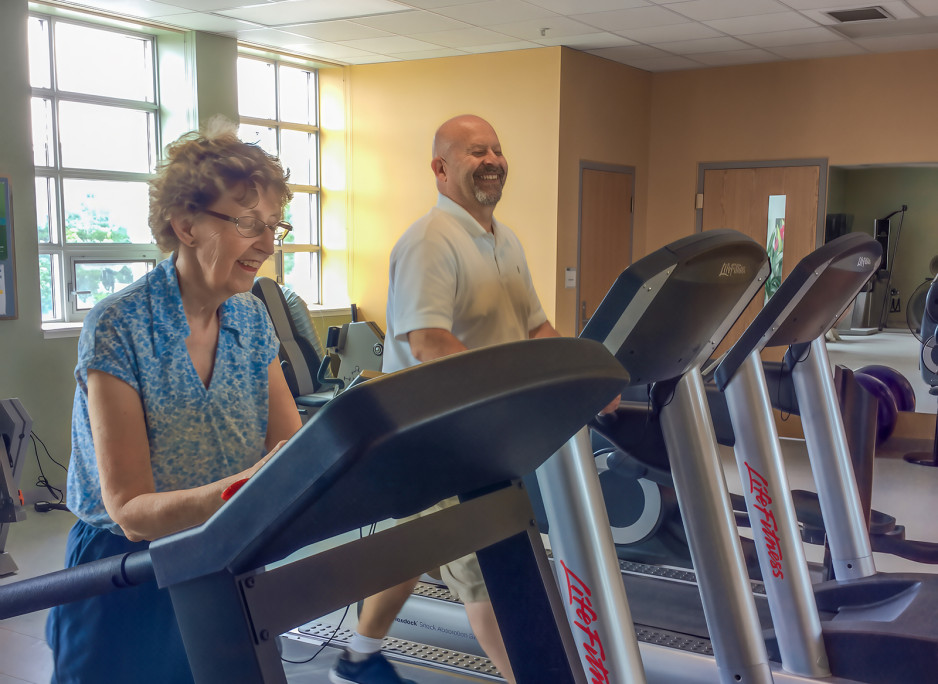
Their experiences took different turns. Judith was referred to a physiotherapist, but her memory problems went unnoticed. Matthew was sent to a memory clinic, yet no one asked him if he had fallen recently or was having difficulty walking.
This type of fragmented care is exactly what Dr. Manuel Montero-Odasso, a geriatrician and researcher at Lawson Research Institute (Lawson) of St. Joseph’s Health Care London, has been trying to change for decades. His research shows that brain health and mobility are deeply connected throughout the aging process.
“As we get older, our mobility and cognition may decline, which can be worsened by mild cognitive impairment and dementia,” explains Montero-Odasso. “But that doesn’t have to be our destiny.”
To improve the physical and brain health of older adults, Montero-Odasso advocates for a more holistic approach to care –one that addresses the full spectrum of aging challenges, from dementia to decline in mobility, from Alzheimer’s to the risk of falls. His CIHR-funded research on these topics has been supported by the Canadian Consortium on Neurodegeneration in Aging.
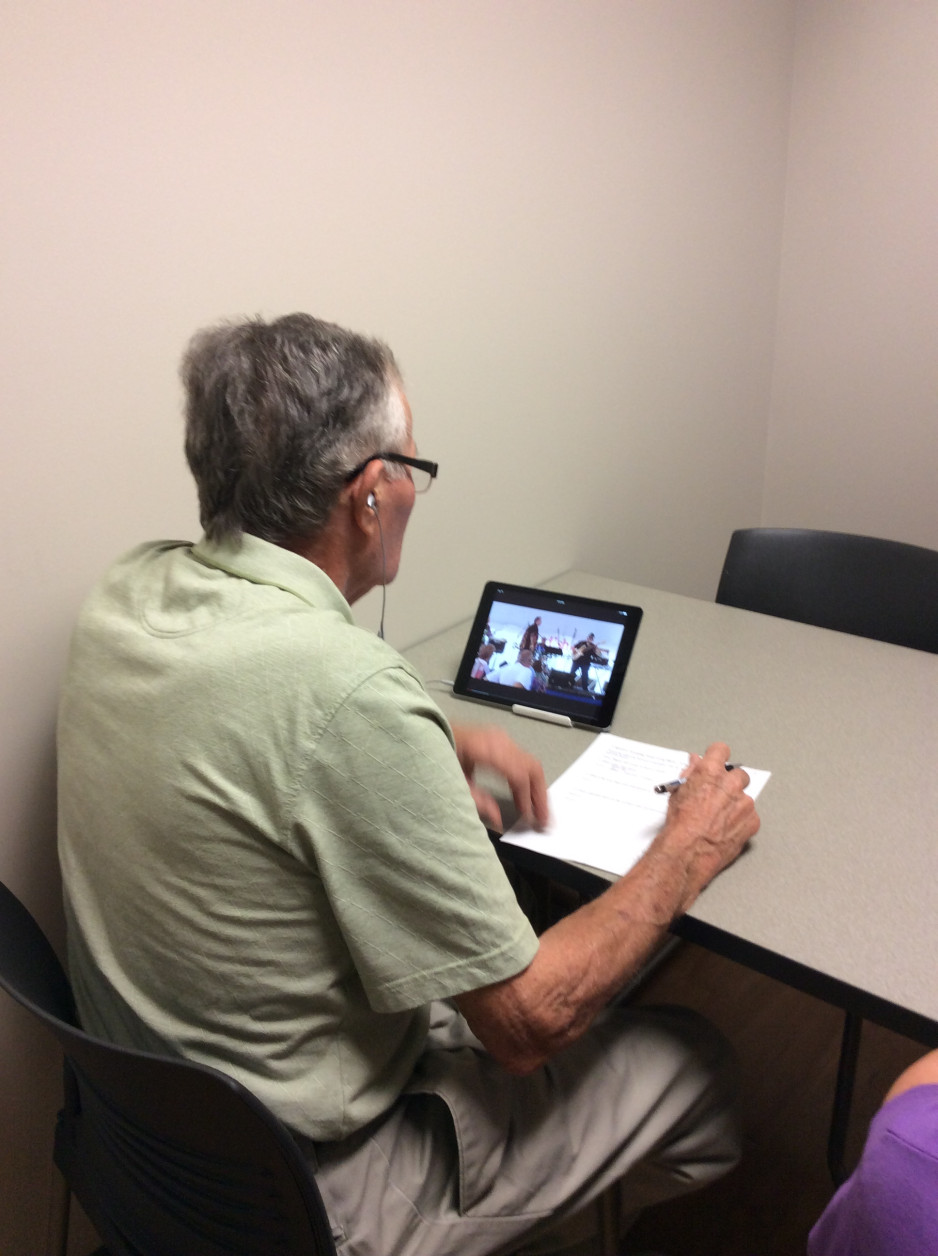
One of his projects led to a national consensus that recommended 10 mobility and cognitive tests that assess a range of functions—from walking speed to the ability to walk and talk at the same time. These recommendations have helped make the diagnosis of physical and cognitive impairments in older adults more consistent and standardized.
Under Montero-Odasso’s leadership, the Mobility, Exercises and Cognition team has looked at how physical and cognitive training together can improve health in older adults. Findings from two major studies, the SYNERGIC Trial and Synergic at Home Trial, showed that combining aerobic and resistance exercises (such as using bands and weights) with cognitive challenges is particularly effective. The team designed a personalized program that keeps the brain fit, from memory to executive function.
This combined approach not only slows cognitive decline but also improves mobility and brain health. Even more encouraging, the benefits lasted for up to a year. The team also found that not all physical activities are equal when it comes to protecting cognition.
“Walking is great for your cardiovascular health, but not enough to prevent or delay dementia. We need a mix of aerobic and resistance exercises combined with cognitive training,” says Montero-Odasso.
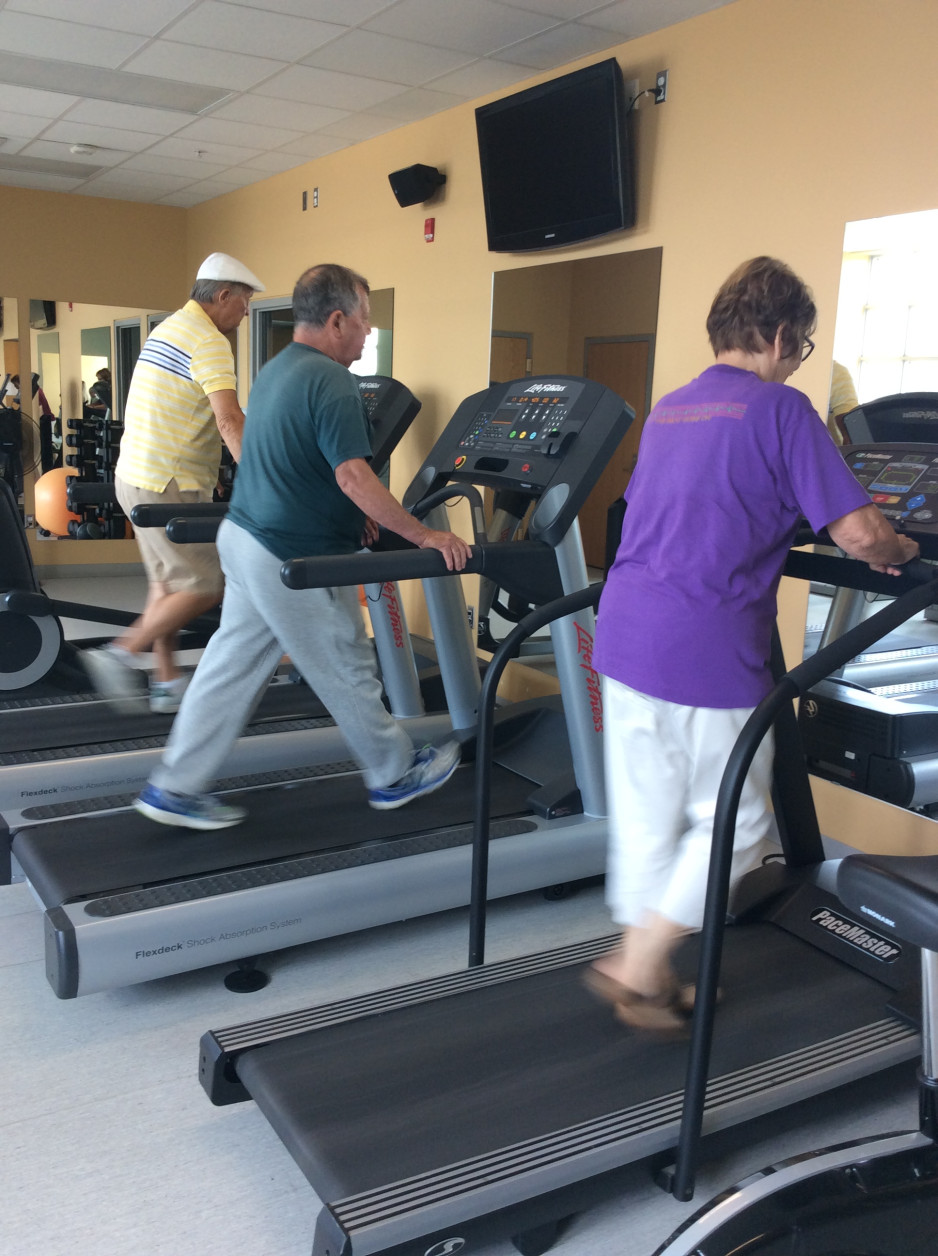
Building on these findings, the Mobility, Exercises and Cognition team is developing clinical guidelines to help health professionals prescribe lifestyle-based activities such as physical and cognitive training to treat mild cognitive impairment, a condition that can lead to dementia.
Dr. Montero-Odasso’s holistic approach to older adult care also focuses on preventing falls, a major issue affecting one-third of seniors worldwide. After identifying significant gaps in clinical practice around the globe, he and experts from 40 countries developed the World Fall Prevention Guidelines.
Endorsed by the Canadian Geriatrics Society and adopted in countries including Australia, Belgium, China, Malaysia, and Norway, the guidelines are the first to incorporate the patient perspective and to consider key factors such as cognition, walking speed, balance, and even fear of falls. These guidelines provide practical tools such as an algorithm that predicts the risk of falls and recommends targeted interventions.
When asked why focusing on both brain and body should be a priority for Judith, Matthew, and the other 18% of Canadians over 65, Dr. Montero-Odasso shares a powerful message: “We don't stop moving and develop mobility disability because we age. We age because we stop moving. But it’s never too late to make some lifestyle changes.”
World first discoveries allow researchers to accurately diagnose prenatal exposure syndromes and birth disorders
Researchers at London Health Sciences Centre (LHSC) and Lawson Health Research Institute are using advanced technology and artificial intelligence (AI) to diagnose rare diseases and prenatal exposure-related birth abnormalities in two studies published today in American Journal of Human Genetics and Genetics in Medicine.
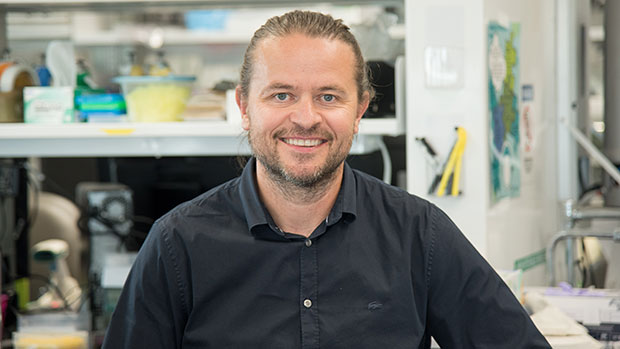
The research uses technology called EpiSign™, which was developed by Dr. Bekim Sadikovic, Lawson Scientist at LHSC. EpiSign leverages AI to measure a patient’s epigenome – a unique chemical fingerprint that every person has on top of their DNA that is responsible for turning genes on or off. EpiSign can currently be used to help diagnose more than 100 genetic diseases that were previously difficult to diagnose.
In one of two newly published studies, Dr. Sadikovic’s team has found that EpiSign can be used to accurately identify patients affected by birth disorders called recurrent constellation of embryonic malformations (RCEMs). Since their discovery more than 70 years ago, attempts to identify the cause and specific diagnostic markers for RCEMs have been unsuccessful, making it challenging to provide patients and families with accurate diagnoses. EpiSign can now be used to accurately identify RCEMs for the first time using a blood test.
“Reaching an early and accurate diagnosis can be lifechanging. This is a major breakthrough that allows physicians to provide earlier and more accurate diagnosis, resulting in improved disease management,” said Dr. Sadikovic, who is also Research Chair in Clinical Genomics and Epigenomics at the Archie and Irene Verspeeten Clinical Genome Centre at LHSC. “It also has the potential to lead to health system cost savings since many patients spend years and even decades being tested to rule out other potential diseases with similar symptoms.”
In a second study, Dr. Sadikovic’s team used EpiSign technology for the first time to develop an accurate biomarker for a group of disorders called fetal valproate syndrome, which is caused by prenatal exposure to toxic levels of medication that may be used to treat bipolar disorder and migraines, or to control seizures in the treatment of epilepsy. It can result in neurodevelopmental disorders in infants, including learning, communication and motor disorders, autism, and intellectual disabilities.
“This is a significant breakthrough as it’s the first time the technology has been used to aid in diagnosis of a disease caused by environmental factors rather than genetics,” explained Dr. Sadikovic. “It highlights how epigenetics can be influenced by environmental and lifestyle factors, including diet, exercise and exposure to toxins.”
The research is ongoing as Dr. Sadikovic and his team, in collaboration with the global EpiSign Discovery Research network, are currently studying and developing biomarkers for more than 700 rare disorders. He noted the potential of this research is endless, showing promise for use in the diagnosis, prognosis and treatment of many other diseases and disorders, including cancer.
“One in 20 people have a rare disease that could present at any point in their lives and can be caused by genes, environmental exposures, or their combined effects,” he noted. “We can help diagnose a growing number of genetic diseases and, now for the first time, we can look beyond the genome and accurately measure the impact of the environment.”
These studies are a collaborative effort involving multidisciplinary teams in Canada, the United States, the United Kingdom and Europe. The first study, titled “Identification of a DNA methylation episignature biomarker for recurrent constellations of embryonic malformations,” is published in American Journal of Human Genetics. The second study, titled “Discovery of DNA methylation signature of teratogenic exposure to valproic acid,” is published in Genetics in Medicine. Funding for the research was provided by Genome Canada and Ontario Genomics, as well as in-kind support from EpiSign Inc.
About Lawson Health Research Institute
Lawson Health Research Institute is one of Canada’s top hospital-based research institutes, tackling the most pressing challenges in health care. As the research institute of London Health Sciences Centre and St. Joseph’s Health Care London, our innovation happens where care is delivered. Lawson research teams are at the leading-edge of science with the goal of improving health and the delivery of care for patients. Working in partnership with Western University, our researchers are encouraged to pursue their curiosity, collaborate often and share their discoveries widely. Research conducted through Lawson makes a difference in the lives of patients, families and communities around the world. To learn more, visit www.lawsonresearch.ca.
Media Contacts
Celine Zadorsky
Senior Media Relations Consultant
Communications & Public Engagement
T: 519-685-8500 ext. 73502
Celine.zadorsky@lhsc.on.ca
… you receive the information you need and have the right test done as quickly as possible when a change in your … . . . . . . . . . . . . . . . . . . . . . . . . . . . . . 5 Tests used to assess a screening abnormality or change in … occurred. In order to collect more information, a number of tests such as mammograms, special views, ultrasounds and …
YOur guide to Breast assessment Breast Care Program St. Josephs Hospital 268 Grosvenor St. London, ON N6A 4V2 THE BEST IN BREAST CARE The Breast Care Program at St. Josephs Health Care London provides a confidential, coordinated, specialized breast assessment service. The goal of the program is to m...