


Speaking their language
Image
Image
Volunteers at hospital entrances at St. Joseph’s Health Care London have new tools to help patients and visitors who prefer speaking in a language other than English feel understood and welcomed.
Bridging a communication gap has become a bit easier for patients and visitors at St. Joseph’s Health Care London (St. Joseph's).
This summer, two new tools were introduced to help create a more welcoming and comfortable experience for individuals who visit St. Joseph's and whose first language is not English.
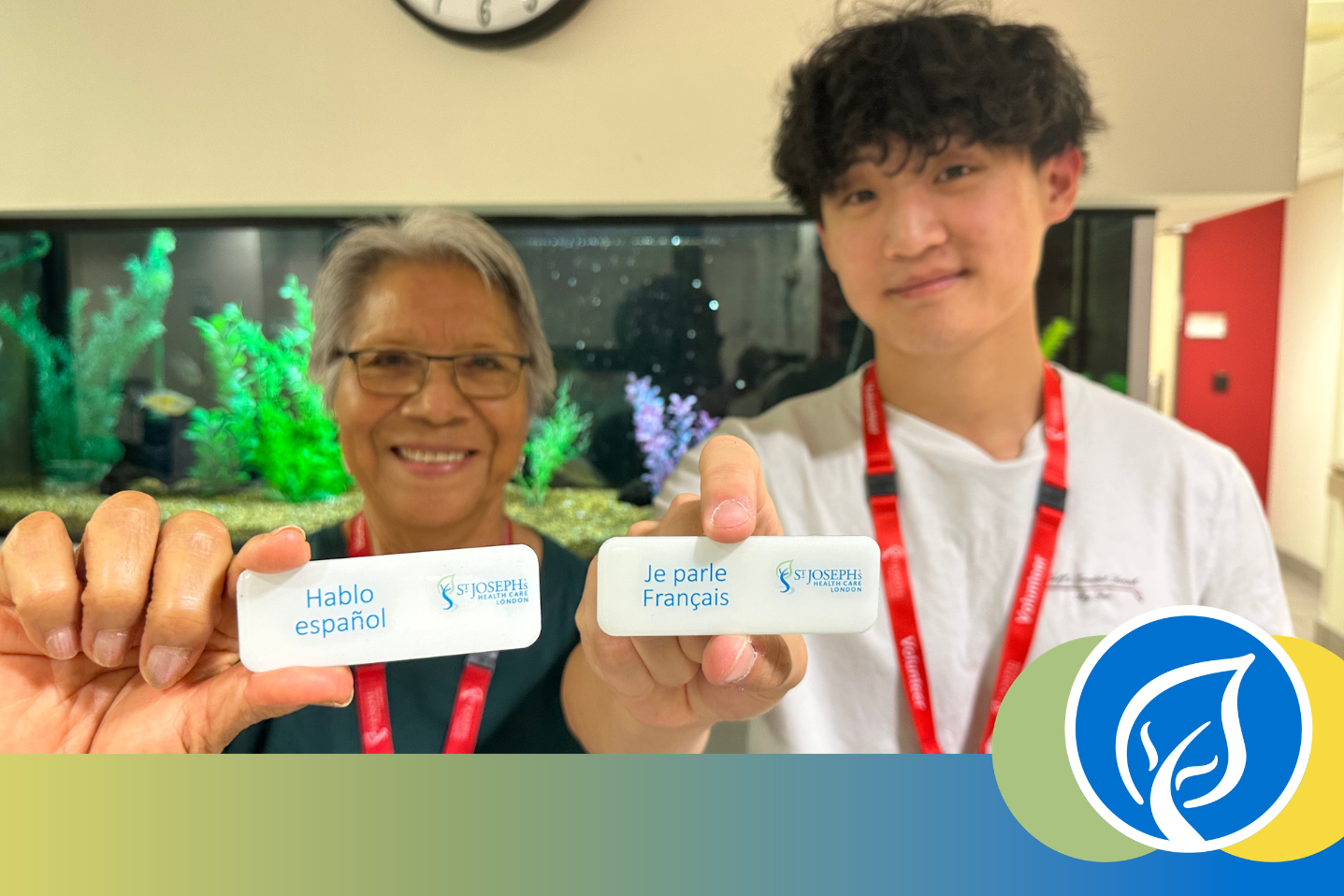
In July, volunteers at the Information Desks began wearing buttons that identify the language they speak, other than English. For one volunteer, the impact was immediate.
Monica Naskret-Reyes has been volunteering at St. Joseph’s for seven years and speaks Spanish fluently. She was excited to wear her new ‘Hablo espanol’ (I speak Spanish) button and quickly saw how a simple gesture could make a meaningful difference.
Within 48 hours, Monica noticed a couple speaking Spanish wondering how to find their doctor’s office. When she asked if they needed help while pointing to her button, they simply replied ‘si’ - yes, in Spanish.
“Patients are instantly relieved when they are able to speak the language of their choice," says Monica.
The language buttons are part of a broader initiative to create a more inclusive environment. In a region with a growing and diverse population, helping people receive information in a language they understand can make their health care experience feel more comfortable and supportive.
Volunteers wearing the buttons help with general information only such as wayfinding, locating services, finding the cafeteria or Tim Hortons and navigating around the hospital.
Kevin Son wore a ‘I speak French’ button on his first day as a volunteer saying he’s happy to help any way he can.
“Sometimes it is the smallest moments that have the biggest impact. Being able to greet someone in their own language or help them find their way puts them at ease,” says Tracy Drenth, manager of Volunteer Services at St. Joseph’s.
Tracy was pleasantly surprised by how many volunteers eagerly stepped forward to help. So far, 14 languages are represented including Arabic, Mandarin, French and Hindi with more languages to be added as new volunteers join.
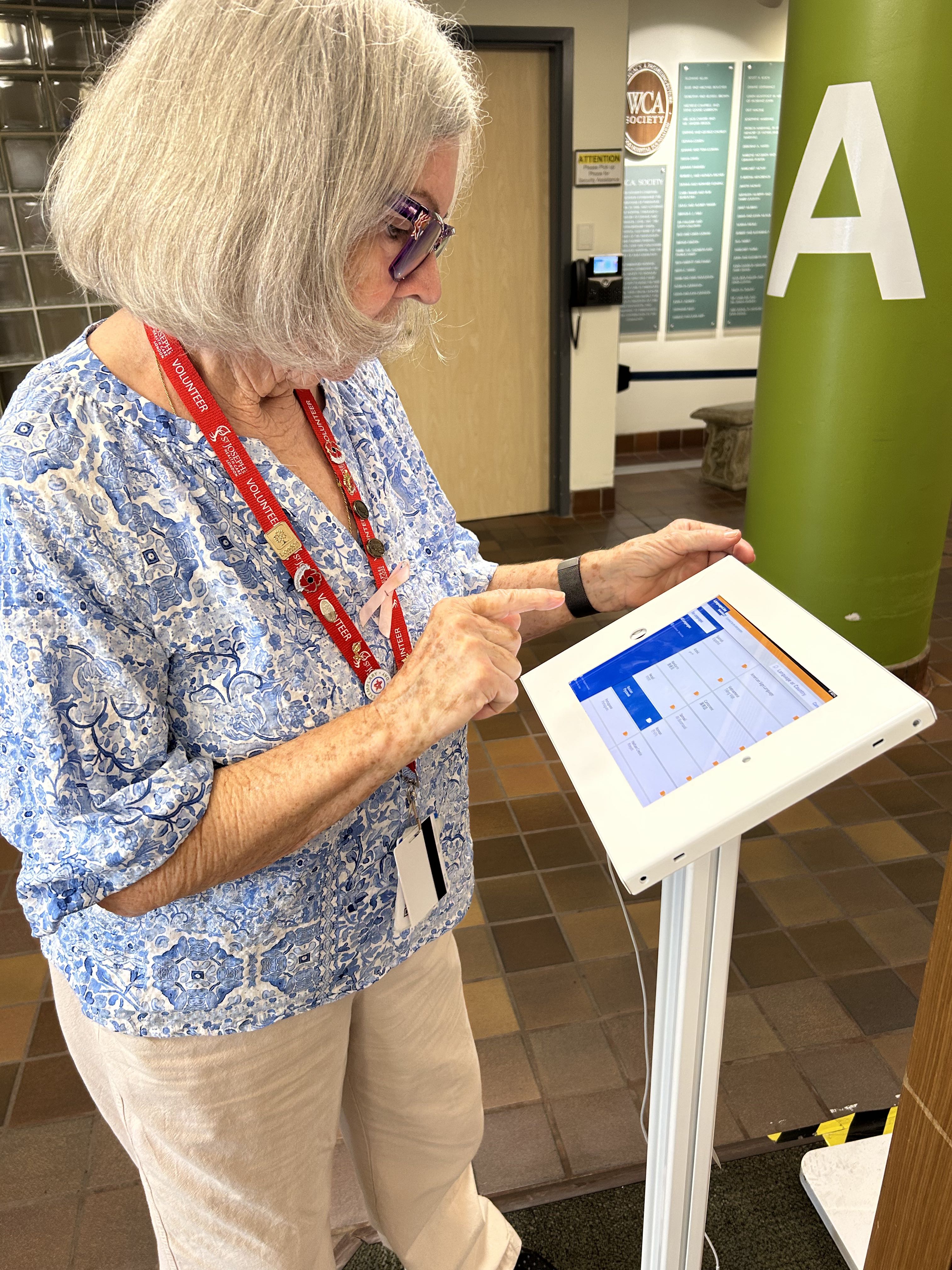
In August, St. Joseph’s added another layer of support with iPads equipped with language interpretation software at information desks at St. Joseph’s Hospital and Parkwood Institute Main Building. Trained volunteers will help patients and visitors connect with a live interpreter when a language is not represented by a volunteer.
“With such a diverse population, it is impossible to cover every language. These iPads provide another way for volunteers to support patients and ensure they can access the information they need,” says Tracy.
Volunteers do not accompany patients to their appointment and do not translate medical information.
Together, these new tools are helping St. Joseph’s create a more connected, welcoming experience - one conversation at a time.

Other Stories
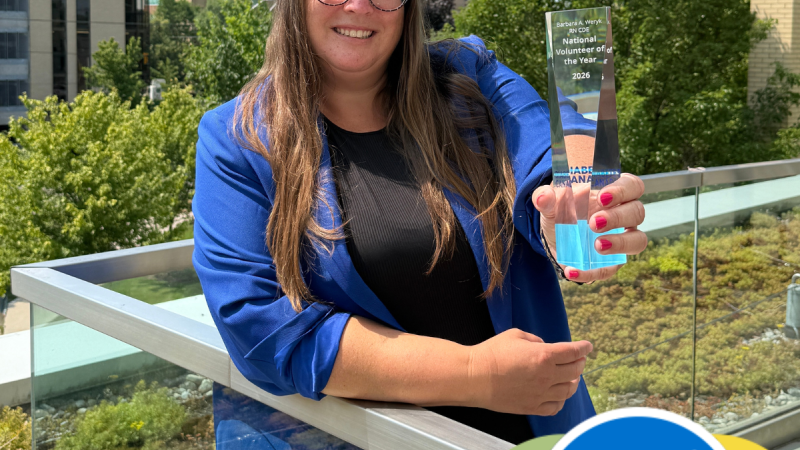
One decision at a time: Barbara Weryk recognized for empowering people living with diabetes
Barbara Weryk knows what's in her campers' bags because she carries most of it herself: insulin, glucose monitors, backup supplies, an emergency plan. Barbara has lived with diabetes for 12 years and wears an insulin pump and glucose sensor. She's also the camp nurse. Since 2018, Barbara has...
Read more
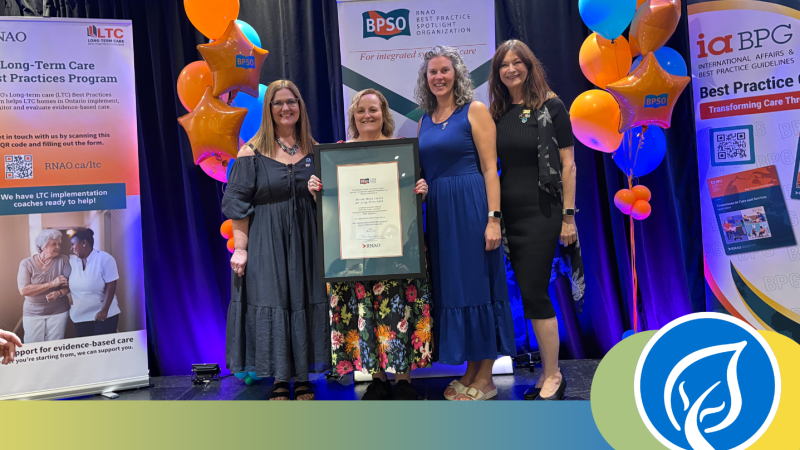
Raising the standard in long-term care at Mount Hope
At Mount Hope Centre for Long Term Care, a three-year journey focused on advancing sustainable improvements in resident care has led to a significant achievement – a Best Practice Spotlight Organization – Long-Term Care (BPSO-LTC) designation. The designation by the Registered Nurses Association of...
Read more
Finding community in a moment of connection
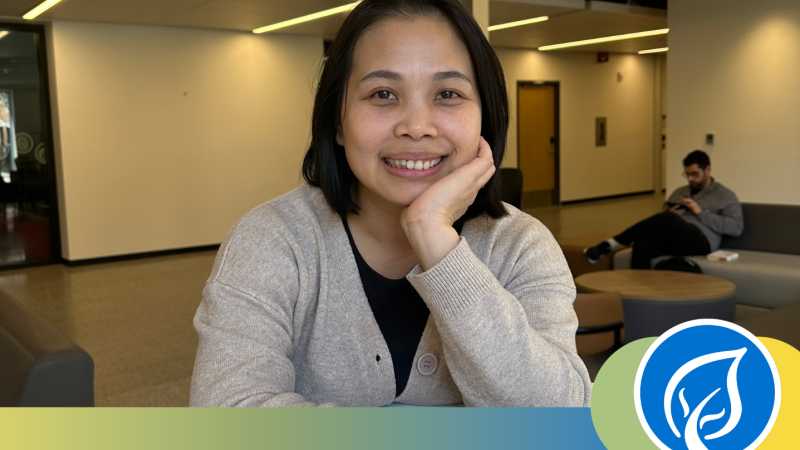
The impact of feeling heard and seen- even for a moment - can make a meaningful and lasting difference. When individuals feel understood, it can help ease frustration and bring a sense of calm. For a recent patient of St. Joseph’s, that moment came through the support of two volunteers who...
Read more