


Search
Search
3187 Search Results:
… 6. Hepatitis B It is highly recommended that all health care workers to receive a course of Hepatitis B vaccine. For … record from the Occupational Health Department. • Health care training school program and request a copy of your … card or form) from your family doctor or other health care professionals you have received care from i.e., …
July 2019 Instructions for completing the Health Review Form for Volunteers/Students/Co-op Students In order to fulfill the terms and conditions of your offer, the following information must be provided to Occupational Health and Safety Services, (Volunteers and Co-op Students), no later than 7 busi...
… David Leeson, Department of Pharmacy, St. Joseph’s Health Care London. Updated July 2019 /media/8161 … David Leeson, Department of Pharmacy, St. Joseph’s Health Care London. Updated July 2019 …
Diabetes Education Centre QUICK RULE OF THUMB FOR INSULIN ACTION INSULIN STARTS TO WORK IN: WORKS HARDEST AFTER: LASTS FOR: Fast-acting (bolus) Insulin Fiasp (insulin aspart) 5 minutes 45 60 minutes 3 5 hours Apidra (insulin glulisine) Humalog (insulin lispro) Humalog U200 (insulin lispro 200 uni...
… medications to take or not take, please follow this advice carefully. Bring your daily dose of medications to the … medications to take or not take, please follow this advice carefully. Bring your daily dose of medications to the …
Insulin Tolerance Test What is an insulin tolerance test? This test has nothing to do with diabetes. It will determine if your body is able to make enough growth hormone and cortisol in response to stress. A hormone is a chemical made by certain cells in the body and released into the bloodstream to...
Interdisciplinary team explores London’s unique approach to addressing homelessness
In London, Ont. more than 1,700 people are experiencing homelessness.
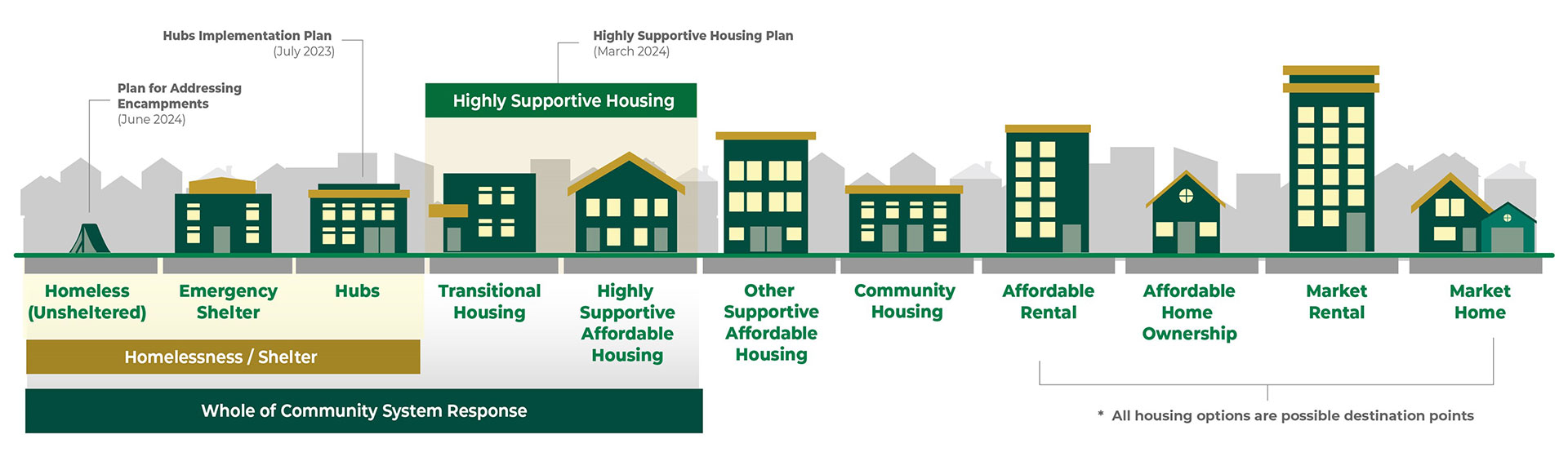
Recognizing the growing crisis, more than 200 individuals from 70 organizations across the city came together and developed the Health & Homelessness Whole of Community System Response – a strategic roadmap for supporting unhoused people who have the most complex health and social support challenges, and helping them access permanent housing that meets their needs. Now a team of researchers has been tasked with assessing how well the roadmap is working.
To understand if the program is meeting its ambitious goals and explore areas for improvement, the Centre for Research on Health Equity and Social Inclusion (CRHESI), a community-university partnership based at Western’s Faculty of Health Sciences, was asked by the Whole of Community Response leaders to support and coordinate research and evaluation of the program.
CRHESI works with and reports to the System Foundation Table, a team of volunteer community partners from diverse sectors with a mandate to evaluate new activities and embed continuous improvement to ensure sustainability of the program.
“London’s Whole of Community Response is a novel approach to addressing the needs of the most vulnerable individuals experiencing complex housing and health challenges within our community,” said Mick Kunze, chair of the System Foundation Table. “While our approaches and interventions are rooted in evidence-based practices, we also understand that local context matters.”
This research and evaluation work is funded jointly by Western, London Health Sciences Centre and through a generous donation from local businessman Ryan Finch to St. Joseph’s Health Care Foundation. The three groups came together recognizing there is a need to create meaningful and measurable change in our community.
Their support has allowed CRHESI to recruit two research managers, Eleanor Gebrou and Kelly Barnes, who oversee the work of more than 100 researchers and community partners from organizations across the city participating in the evaluation project.
"Community-led initiatives not only reflect the real needs of individuals facing homelessness, but they also empower frontline workers by fostering an environment of collaboration and understanding. Together, we can create solutions that prioritize well-being for all—those we serve and those who serve," said Gebrou.
This work is split into four main research areas:
- Exploring the outcomes and experiences of people who are precariously housed, unhoused or at risk of homelessness, as well as the perspectives of the broader residents of London, Ont. and especially the business community.
- Evaluating the experiences and well-being of those working in jobs that provide care and housing support.
- Answering questions related to systems, structures, processes and costs of care.
- Evaluating the processes that enabled this large and complex “whole of community” response, and how it unfolds from here.
“I really believe in evidence-based decision making and having as much information as we can to go into program and policy design,” said Barnes. “It's so important to understand what parts of our homelessness response are working well and what can be improved. Research and evaluation are some of the best ways to do that.”
The importance of voices and stories
Research teams will collect quantitative data, including statistics on how many people get housed, how this housing affects the number of hospital and police contacts and the cost-benefit of these new activities. They’ll also collect qualitative data, which involves hearing the experiences of those without homes, those accessing care and support and those providing and leading services.
This evaluation framework will be presented to city council, sitting as the Strategic Priorities and Policies Committee, on October 8, 2024.
“It is really important to us that this not just be numbers,” said Barnes. “We know how important people’s voices and stories are. When we take the numbers and combine them with people’s descriptions of their experiences, and the discussion of their journey, that gives us really solid information to bring back to the policy-makers and program developers to show what’s working and what isn’t.”
This research and evaluation work will span the next two years, with results shared annually with city council starting in July 2025. In addition to annual reporting, research project teams will share data as it emerges.
“The research and evaluation efforts led by the backbone team of this movement, including the System Foundations Table and our CHRESI research and evaluation managers, will be instrumental in guiding our present and future work, by illustrating the real impact our interventions are having on the health and well-being of those we’re aiming to support, as well as by responding to the questions and concerns voiced by all members of our community,” said Kunze.
Health & Homelessness Whole of Community System Response
The Whole of Community Response is about developing wrap-around health care and housing supports for those who need them most, ensuring basic human needs are met and building trusting relationships with people so they’re set up to succeed. It includes three main pillars: establishing hubs to meet immediate needs for safe shelter, nutrition and hygiene, and allowing care providers to start the process of stabilizing people’s mental and physical health. Alongside establishing hubs, the broader plan includes bringing more highly supportive housing units to London and implementing a human rights-based approach to support people wherever they are on the housing spectrum.
City council endorsed the Whole of Community Response approach in March 2023. Since then, two hubs have been established, as well as 93 highly supportive housing units, with 50 more units in development, toward a goal of 600 highly supportive housing units within three years.
The Whole of Community Response is being facilitated through the City of London and implemented by lead agencies, with ongoing collaboration among several sectors, including police and emergency services, hospitals, front-line community service organizations, educational institutions and government.
The Health and Homelessness Fund for Change, fuelled by a transformative $25-million donation from a London, Ont. family who wishes to remain anonymous, primarily provides capital funding to help fast-track the creation of hubs and highly supportive housing units. The Fund for Change is administered by London Community Foundation in partnership with the donor family.
International Women's Day 2020
International Women’s Day, taking place on March 8, 2020, is a day to celebrate the various achievements of women around the world and is a call to action for gender parity. This year’s theme is “Each for Equal” to emphasize that each individual has a significant part in working towards a gender equal world.
This year, Lawson is highlighting the different paths for women who are working towards a career in the health sciences. Below are the perspectives from students, physicians and researchers on their contributions to science and medicine.
Image

High school student, Nimrit Aulakh, is completing her co-op placement with Lawson Scientist, Dr. Cheryl Forchuk. Her research focuses on improving mental health care for youth.
“Science has always been of interest to me and has now become significant within my academic endeavours. Part of my desire to become involved in the sciences stemmed from my older sister, who exposed me initially to the research side of science. It is with the help of rationale and logic in science that I can enrich my academic experience. Specifically, I have been working as a co-op student alongside the Mental Health Nursing Research Alliance and learning what it means to be a researcher. During my time, I conducted preliminary analyses on one of their studies, which focuses on improving mental health care for youth through virtual models of care. I will be presenting my findings at the Thames Valley Science and Engineering Fair later this month and if successful, will advance to the Canada Wide Science Fair. This experience has shown me a new side of science, one that I hope that I can continue to be a part of. I realized that through science and research, I can contribute to advancing society. To continue my journey through post-secondary education, I have applied to get my Bachelor’s in Health Sciences. Both within and beyond my four years of undergraduate studies, I hope to continue my contributions in serving the public through scientific research, as well as create an image for girls with the same interests as me, everywhere.”
Image

Romaisa Pervez is a Research Assistant working with Lawson Scientist, Dr. Arlene MacDougall. She recently completed her Master of Science in Epidemiology and Biostatistics at Western University.
“I’m the student lead on a project that’s titled “Building a Sustainable Model and Evaluation for Psychological Rehabilitation in Kenya: An Implementation Study.” I’m working with the CREATE (Community Recovery Achieved Through Entrepreneurism) Kenya team to conduct a study to improve how we deliver, evaluate, and train persons with lived experience or community members to facilitate the Psychosocial Rehabilitation (PSR) Toolkit so it can be locally sustained in Kenya. I’ve travelled to Kenya twice during my Master’s to build relationships with stakeholders and conduct focus groups/interviews. My passion lies in understanding how we can implement upstream initiatives for mental health that are both sustainable and effective. Furthermore, I want to explore how we can find leverage points within the current mental health system in low to middle income countries and create innovative solutions. In the near future, I want to pursue medicine and further my knowledge and build stronger skills in this field.”
Image

Dr. Kelly Anderson is an Associate Scientist at Children’s Health Research Institute, a program of Lawson. She is also Assistant Professor in the Department of Epidemiology & Biostatistics at the Schulich School of Medicine & Dentistry, Western University.
“I lead a research program in public mental health research, with a primary focus on young people experiencing a first onset of psychotic disorder. Together with my team, we are investigating the distribution and risk factors for psychotic disorders, prevention in early psychosis, and access to care and utilization of services in first-episode psychosis. My research program is centered around mentorship and training of students from all levels, and I work with trainees to foster high-level skills in the design and analysis of epidemiologic studies using large complex datasets. I am committed to fostering a culture of equity, diversity, and inclusion within my research team, and I advocate strongly for gender and early career representation for awards, scientific symposia, and other career opportunities. As a female scientist, I regularly mentor young women, both formally and informally, and due to the focus of my research, I also regularly work with trainees with lived experience of mental disorders. The diverse experiences and perspectives of these students both inspire and inform our work together.”
Image

Dr. Michelle Barton-Forbes is an Associate Scientist at Lawson and a Physician at London Health Sciences Centre (LHSC) specializing in paediatric infectious diseases. She is also an Assistant Professor at the Schulich School of Medicine & Dentistry, Western University.
“My research program is focused on the clinical epidemiology of infectious diseases in children, particularly in vulnerable paediatric populations such as neonates and young infants. A secondary area of interest is in bacterial resistance and antimicrobial stewardship. Through engagement in multicentre research and contribution to national guideline development, I am able to make a difference in the management and prevention of common childhood infections nationally. The combination of intense passion for my subspecialty, inquisitive curiosity and a drive to better understand common childhood illnesses is infectious to my students. I motivate my students to excellence by inspiring them to believe in themselves and their ability to make a difference. My students are encouraged and challenged to find answers to unanswered questions and unexplained trends through research. As a proud Canadian and an immigrant from a nation that prides itself in its diversity, I believe that diversity is our strength. The Jamaican national motto “out of many one people” has framed my worldview and has influenced my practice.”
Image

Dr. Eileen Crowley is a Scientist at Lawson and a Pediatric Gastroenterologist at LHSC. She is also an Assistant Professor at the Schulich School of Medicine & Dentistry, Western University.
“My research interests include pediatric inflammatory bowel disease (IBD), the genetics of IBD, big datasets, therapeutic drug monitoring clinical trial endpoints and precision medicine. My work has served to be better delineate the genetic phenotype of children with IBD as well as optimizing response to therapy in this age group. I engage students and motivate them to work with enthusiasm! My aim is to create learning opportunities that are active, collaborative and promote learning relationships. Once I have identified a student’s goal, it is easier to share and attain that goal. Within the research setting, I aim to maintain an environment where every student feels accepted, valued and safe. Sharing of ideas creates opportunities whilst also fostering a sense of personal belonging and achievement.”
To learn more about International Women’s Day, visit https://www.internationalwomensday.com/.
… 3. Previous exams ☐ None ☐ X-Ray at ☐ St. Joseph’s Health Care London ☐ LHSC ☐ Other: ☐ Nuc Med at ☐ St. Joseph’s Health Care London ☐ LHSC ☐ Other: ☐ Ultrasound at ☐ St. Joseph’s Health Care London ☐ LHSC ☐ Other: 4. Exam requested: ☐ Other: … 3. Previous exams ☐ None ☐ X-Ray at ☐ St. Joseph’s Health Care London ☐ LHSC ☐ Other: ☐ Nuc Med at ☐ St. Joseph’s …
St. Josephs Hospital Diagnostic Imaging Centre, Room C0-200 268 Grosvenor St., PO Box 5777, Stn. B London, ON N6A 4V2 Tel. 519-646-6044 INTERVENTIONAL RADIOLOGY REFERRAL FORM Fax to 519-646-6204 1. Patient Information Last name: ______________________ First Name: ____________________ Date of birth: ...
… THE ROGERS NEWSPAPER FOR CANADA’S DOCTORS | CANADIANHEALTHCARENETWORK.CA FEBRUARY 22, 2011 03Feb22p01_06_07.indd 1 … PM by Joe McAllister Staff of the neonatal intensive care unit (NICU) at St. Joseph’s Hospital in London, Ont., … Special reunion Dr. Chance is a Canadian pioneer in the care of very low- birthweight babies and was St. Joseph’s …
by David Hodges TORONTO | Critics of the Canadian Association of Gastroenterologys (CAG) recently updated position state- ment on colorectal cancer screening are slamming the new recommenda- tion that flexible sigmoidoscopyand not colonoscopybe offered to all average-risk individuals. To call this c...
Introducing The Gray Centre for Mobility and Activity at Parkwood Institute
4:00pm - 5:00pm
Image

Image
Join us Thursday October 21 from 12 pm – 1 pm for a virtual introduction to some of the exciting research and clinical innovations from mobility experts at The Gray Centre for Mobility and Activity. Hear presentations from:
- Siobhan Schabrun, PhD – Harnessing the Brain to Reduce Pain and Improve Mobility and Activity.
- Sue Peters, PhD – Wireless Neuroimaging During Mobility to Predict Recovery Trajectories after Stroke.
- Swati Mehta, PhD – Virtual Physical Activity Programming During the Pandemic.
- Dr. Manuel Montero-Odasso – Mobility and Cognition. The Collision of 2 Giants.
- Stephanie Cornell, MPT – Who, What, When? Using Technology in Rehab.
About The Gray Centre for Mobility and Activity:
Established in 2020, The Gray Centre for Mobility and Activity at St. Joseph’s Health Care London is expanding and advancing mobility and rehabilitation treatment and prevention solutions through research, collaborations and the latest technology to improve the lives of those living with disease, disability or injury. The Gray Centre is located at St. Joseph’s Parkwood Institute, Southwestern Ontario’s regional provider of rehabilitation and recovery health care and a national hub for treatment, research and education in mobility and activity. The Gray Centre is made possible through a $7.5 million gift to St. Joseph’s Health Care Foundation from William and Lynne Gray.
Introducing The Gray Centre for Mobility and Activity at Parkwood Institute
12:00 PM - 01:00 PM
Join us Thursday October 21 from 12 pm – 1 pm for a virtual introduction to some of the exciting research and clinical innovations from mobility experts at The Gray Centre for Mobility and Activity. Hear presentations from:
- Siobhan Schabrun, PhD – Harnessing the Brain to Reduce Pain and Improve Mobility and Activity.
- Sue Peters, PhD – Wireless Neuroimaging During Mobility to Predict Recovery Trajectories after Stroke.
- Swati Mehta, PhD – Virtual Physical Activity Programming During the Pandemic.
- Dr. Manuel Montero-Odasso – Mobility and Cognition. The Collision of 2 Giants.
- Stephanie Cornell, MPT – Who, What, When? Using Technology in Rehab.
About The Gray Centre for Mobility and Activity:
Established in 2020, The Gray Centre for Mobility and Activity at St. Joseph’s Health Care London is expanding and advancing mobility and rehabilitation treatment and prevention solutions through research, collaborations and the latest technology to improve the lives of those living with disease, disability or injury. The Gray Centre is located at St. Joseph’s Parkwood Institute, Southwestern Ontario’s regional provider of rehabilitation and recovery health care and a national hub for treatment, research and education in mobility and activity. The Gray Centre is made possible through a $7.5 million gift to St. Joseph’s Health Care Foundation from William and Lynne Gray.
Partners
Investing in life-changing research
Through donor support, endowed research chairs are exploring and answering some of the most profound and complex research questions of our time.
Among cherished family photos and special mementos in the office of Jeremy Burton, PhD, is a slightly faded photo of a young woman. Burton points out the framed photo as he enthusiastically talks about his work. It’s a young Miriam Burnett, after whom the Miriam Burnett Chair in Urological Sciences is named. It’s also the first endowed research chair position Burton held at St. Joseph’s Health Care London (St. Joseph’s).
As the research chair for seven years, Burton speaks fondly about the relationship he has with the Burnett family and the crucial role their support has played in advancing his research.
“Thanks to their funding, we became one of the world leaders in urological microbiome research,” he says.
Endowed research chairs at St. Joseph’s receive consistent and sustainable funding so that research leaders and their teams can answer the most profound and complex health questions of our time.
For decades, donors have been inspired by the clinical research taking place at St. Joseph’s and have heavily invested in endowed research chairs. Today, St. Joseph’s Health Care Foundation manages seven endowed chairs focused on several areas, including molecular imaging, fetal and newborn growth and diabetes. Working in partnership with Western University, and with donor support, the foundation recently established four new endowed chairs in mobility, medical biophysics, medical imaging and ophthalmology.
“Medical research in Canada is chronically underfunded, and there is almost no sustainable funding for hospital-based research positions,” says Michelle Campbell, President & CEO, St. Joseph’s Health Care Foundation. “Private philanthropy has filled that gap for years. When a donor gives to an endowed research chair, they are building capacity in the present day and creating future value and opportunity. An endowed gift has a multiplier effect.”
Burton, now the endowed Research Chair in Human Microbiome and Probiotics, has many reasons to be grateful for this support. Not only does the endowed fund pay for Burton’s research salary, it also partially supports the salaries of a lab manager and technical team – all vital for a sophisticated lab to be successful.
The funding also provides the gift of time – a diminishing commodity for any busy research team.
“Scientists need more time to think,” says Burton, a Lawson Research Institute (Lawson) scientist. “We are incrementally being stretched in multiple directions, and the funding gives us the time to do what we are meant to do – find answers to important clinical questions and find solutions to medical problems.”
Distinguished Lawson scientist and university professor Cheryl Forchuk, PhD, wholeheartedly agrees. She recently completed her final term as The Beryl and Richard Ivey Research Chair in Aging, Mental Health, Rehabilitation & Recovery, another endowed position. As Chair, Forchuk provided scientific and administrative leadership to a large group of researchers based at St. Joseph’s Parkwood Institute focused on mental health, activity and mobility, and cognitive vitality and brain health.
Many research leaders, she explains, can afford to spend only two days a week on their own research projects. Endowed chair positions change that.
“Imagine travelling across the country to create a national study focused on homelessness, two days a week at a time,” she suggests candidly. “You couldn’t.”
Forchuk is referring to her landmark project to better understand how many people in Canada are homeless and who they are. The goal was to develop more accurate sources of data and recommend appropriate support and services. Her work is already resulting in important changes.
Today, Forchuk is embarking on another cross-country research project to find solutions related to homelessness for Canadian veterans who are women.
Like Forchuk, Burton’s Chair position requires him to provide operational and research leadership, including developing research networks and partnerships nationally and internationally to advance studies that will revolutionize care.
“As the Chair, I think it is important that I have wide-ranging projects that benefit people in our own community and beyond,” says Burton, who is optimistic about the outcomes of several of his team’s studies.
He recently partnered with London’s First Episode Mood and Anxiety Program to study the impact of fermented foods on the microbiome of young people taking medications for mental health conditions.
One of the side effects of these medications is weight gain, which deters some patients from taking it. By providing patients with slow-release apple cider capsules, which have similar properties to fermented foods and positively affect the microbiome, they have seen an overall improvement in participants’ mental health and cholesterol after just a few months.
Reflecting on his team’s research achievements to date and the potential of what’s to come, Burton emphasizes how vital endowed chairs are to the sustainability of research and the hope to translate newly discovered knowledge into medical practice.
“Research funding from other sources comes and goes,” he says, “but endowed chair positions that are focused on improving human health provide continuity, build research and create change benefiting all of us.”
iSee Vision Screening Program - Screening Session and Special Gift Announcement
1:30pm
Join the St. Joseph's Health Care Foundation and the Brandon Prust Foundation for a special gift announcement at the Stoney Creek YMCA on Monday, July 18 at 9:30 AM. This is also an opportunity to screen your children (aged 18 months to 4 years) for early signs of vision impairment through the iSee Vision Screening Program. Learn about the iSee Program by visiting the St. Joseph's Health Care London website.
… or may be in the near future • Tell your health care providers about all the medications you take … or may be in the near future • Tell your health care providers about all the medications you take …
June 16, 2020; Page 1 of 2 IV Ketamine Infusion Why is this medication prescribed? Ketamine is a medication most commonly used as an anesthetic during surgical procedures. At lower doses, ketamine is used to treat certain types of nerve pain that have not responded to other pain management approache...
… special precautions should I follow? • Inform your health care providers of any allergies you may have. o If you have … or may be in the near future • Tell your health care providers about all the medications you take … special precautions should I follow? • Inform your health care providers of any allergies you may have. o If you have …
June 16, 2020; Page 1 of 2 IV Lidocaine Infusion Why is this medication prescribed? Lidocaine is a local anesthetic used to treat certain nerve pain conditions when the usual nerve pain medications or interventions were unsuccessful. This could be due to a lack of effectiveness or side effects. When...
… refreshments. Physicians & Eye Care $100.00 Professionals After April 16, 2010 … refreshments. Physicians & Eye Care $100.00 Professionals After April 16, 2010 …
CLINICALDAYINOPHTHALMOLOGY2010 OPHTHALMICPROBLEMSFRONTANDBACK LondonConventionCentreSalonC,D,E Friday,April23,2010 FirstFloor300YorkStreet London,OntarioN6B1P8 GenerouslySupportedBy: TheCharlesDysonLectureshipinOphthalmology TheRoyalCollegeofPhysicians&SurgeonsofCanada The...
… St. Joseph’s Health Care London ORTHOPTIST - IVEY EYE INSTITUTE 268 Grosvenor … NS0914 (Rev. 2010/01/25) St. Joseph’s Health Care London ORTHOPTIST - IVEY EYE INSTITUTE 268 Grosvenor … St. Joseph’s Health Care London ORTHOPTIST - IVEY EYE INSTITUTE 268 Grosvenor …
St. Josephs Health Care London ORTHOPTIST - IVEY EYE INSTITUTE 268 Grosvenor Street, Room B1-409 London, Ontario, Canada N6A 4V2 Telephone: 519 646-6018 Fax: 519 646-6056 REQUEST FOR ORTHOPTIC ASSESSMENT PATIENT: _________________________________________________________________________ DATE OF APPO...
… materials, lunch and refreshments. Physicians & Eye Care $150.00 Professionals After April 13, 2007 $200.00 … LONDON HEALTH SCIENCES CENTRE ST. JOSEPH'S HEALTH CARE Inquiries and Registrations Forms to - Mrs. Lyn Clark … materials, lunch and refreshments. Physicians & Eye Care $150.00 Professionals After April 13, 2007 $200.00 …
OPHTHALMOLOGY CLINICAL DAY 2007 OCULAR INFECTIOUS DISEASES FRIDAY, APRIL 20, 2007 Salons C, D, E First Floor London Convention Centre 300 York Street London, Ontario N6B 1P8 COURSE OBJECTIVES To augment current knowledge regarding the management of ocular infectious diseases To update knowledge o...
… Professor, Dept./ Psychiatry, UWO and Clinical Lead/Shared Care Program, Regional Mental Health Care, London. Ontario * Corresponding author: Department of … RESEARCH INSIGHTS of the Regional Mental Health Care, London/St. Thomas Vol. 5, No.1 2008 Participant …
Participant Learning at Psychiatry CME Sessions A Follow-up Evaluation at the University of Western Ontario Laeeq Tahir, MD, FRCP(C)1 , Nicole Tsang, MD2, Marnin Jori Heisel, PhD, CPsych3 *, Jatinder Takhar, MD, FRCP(C)4 Key Words: continuing medical education, CME, knowledge transfer, professional ...
Jenny Thain
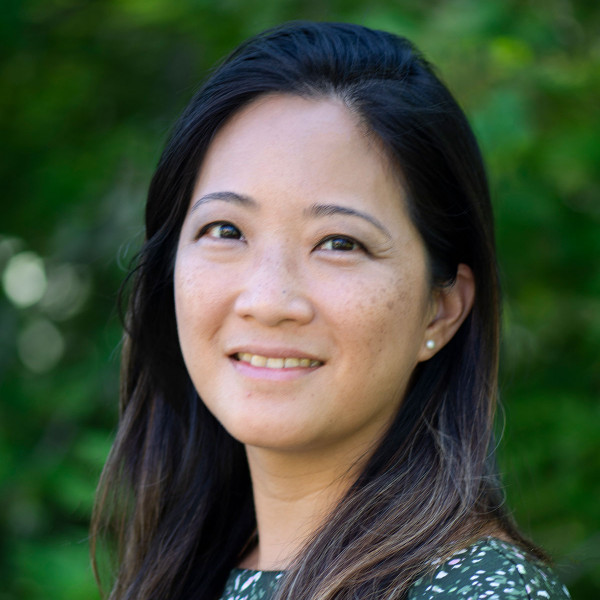
Jenny Thain, MD
Assistant Professor, Schulich School of Medicine and Dentistry
Key Areas of Focus:
Balance, Gait and Falls; Implementation Science and Education
Phone:
519-685-4292 ext. 42093
Email:
Accepting Grad Students:
Yes
About:
Dr. Jenny Thain is a geriatrician at Parkwood Institute and an Assistant Professor within the Division of Geriatric Medicine at the Schulich School of Medicine and Dentistry at Western University. Dr. Thain completed a Master’s degree in Health Professions Education through the University of Maastricht and completed her medical training at the University of Nottingham, sub-specializing in orthogeriatric medicine.
Her areas of clinical interest include osteoporosis and bone health, with a particular interest in orthogeriatric care. She is the Chair of the Canadian Geriatrics Society Osteoporosis and Bone Health Special Interest Group, a member of the Osteoporosis Canada Scientific Advisory Council and Fragility Fracture Network Scientific Committee and the Geriatric clinical lead of the Hip Fracture Unit at Victoria Hospital, London.
… (hereafter referred to as “LHSC”) and St. Joseph’s Health Care, London (hereafter referred to as “St. Joseph’s”) IN … which London Health Sciences Centre and St. Joseph’s Health Care, London (the “parties”) will jointly govern and manage … towards the development of the best integrated system of care between the hospitals and for the community and region. …
Joint Collaboration Agreement between London Health Sciences Centre (hereafter referred to as LHSC) and St. Josephs Health Care, London (hereafter referred to as St. Josephs) IN CONSIDERATION of the mutual covenants and other good and valuable consideration contained herein, the parties covenant and...