


Search
Search
327 Search Results:
Global initiative aims to prevent falls in older adults
Chaired by Dr. Manuel Montero-Odasso, Scientist at Lawson Health Research Institute, a group of 96 experts from 39 countries and 36 societies and agencies in Geriatric Medicine and Aging have come together to develop the “World Guidelines for Falls Prevention and Management for Older Adults: A Global Initiative.”
Published in Age and Ageing, the official journal of the British Geriatric Society, the guidelines provide recommendations to clinicians working with older adults to identify and assess fall risks.
“The global population is aging. Thanks to social and medical advances, some chronic conditions are diminishing proportionally. This is not the case for falls,” says Dr. Montero-Odasso, who is also a Geriatrician at St. Joseph’s Health Care London’s Parkwood Institute and a Professor at Western University’s Schulich School of Medicine & Dentistry. “Unfortunately, falls and related injuries among older adults are increasing and there is no sign of future decline.”
With new evidence and studies released since previous guidelines were published more than a decade ago, experts felt it was the right time for an update and an opportunity to incorporate a worldwide perspective
“Besides the rigorous methodology that 11 international working groups followed to provide new meta-analyses, including several new Cochrane collaborations, this World Falls Guidelines are, to the best of our knowledge, the first clinical practice guidelines in fall prevention to include a panel of older adults with lived experience in falls and mobility problems,” says Dr. Montero-Odasso. “They provided feedback, comments and opinions on our recommendations, making them considerably better and with wider applicability.”
Some key themes in the recommendations include:
- Falls can be prevented, but it requires multidisciplinary management.
- Preventing falls has wider benefits for quality of life.
- Fall risk can be assessed by trained clinicians with simple resources.
- A combination of interventions, including specific exercises to improve balance and strength, when delivered correctly, can effectively reduce fall risk in older adults.
Dr. Montero-Odasso says there was enough evidence to suggest that a global approach is needed to prevent falls in older adults and that “low risk does not mean no risk.” Even active older adults who are low risk should work on preventing loss of mobility and falls.
The next steps are for the guidelines to continue obtaining formalized endorsement of all the groups involved in the initiative and then for the guidelines to be fully implemented.
You can read the full guidelines here.
Scientist
Media Contact
Amanda Taccone
Communications Consultant & External Relations
Lawson Health Research Institute
T: 519-685-8500 ext. ext. 64059
C: 226-919-4748
@email
… Geriatric Interdisciplinary Grand Rounds Date: Thursday, … questions to: shelly.crosbie@sjhc.london.on.ca Specialized Geriatric Services is pleased to support and offer … Geriatric Interdisciplinary Grand Rounds Date: Thursday, … questions to: shelly.crosbie@sjhc.london.on.ca Specialized Geriatric Services is pleased to support and offer …
Geriatric Interdisciplinary Grand Rounds Date: Thursday, September 5, 2019 Location: Parkwood Auditorium B2-109, Time: 8:00 a.m. 9:00 a.m. Parkwood Institute Topic: GeriMedRisk Presented by: Joanne Ho Location: Parkwood Institute Main Building, Auditorium (Open to all Healthcare Professionals) Vid...
… Geriatric Interdisciplinary Grand Rounds Date: Thursday, … questions to: shelly.crosbie@sjhc.london.on.ca Specialized Geriatric Services is pleased to support and offer … Geriatric Interdisciplinary Grand Rounds Date: Thursday, … questions to: shelly.crosbie@sjhc.london.on.ca Specialized Geriatric Services is pleased to support and offer …
Geriatric Interdisciplinary Grand Rounds Date: Thursday, October 3, 2019 Location: Parkwood Auditorium B2-109, Time: 8:00 a.m. 9:00 a.m. Parkwood Institute Topic: Rock Steady Boxing: Fighting Back Against Parkinsons Presented by: Deirdre OConnor Location: Parkwood Institute Main Building, Auditori...
… & Elizabeth McCarthy, RSW, MHSc, CHE, Director, Specialized Geriatric Services Location: Parkwood Auditorium (Open to … questions to: brett.elliot@sjhc.london.on.ca Specialized Geriatric Services is pleased to support and offer … & Elizabeth McCarthy, RSW, MHSc, CHE, Director, Specialized Geriatric Services Location: Parkwood Auditorium (Open to …
GGeerriiaattrriicc IInntteerrddiisscciipplliinnaarryy GGrraanndd RRoouunnddss Date: Thursday, September 10, 2015 Location: Parkwood Auditorium, Time: 8:00 a.m. 9:00 a.m. Parkwood Institute TTooppiicc:: SSeenniioorr FFrriieennddllyy HHoossppiittaallss Presented by: Lyndsey Butler OT, South West Seni...
… & Richard Ivey Research Chair in Aging Rehabilitation & Geriatric Care, $140,171 The Miriam Burnett Research Chair … & Richard Ivey Research Chair in Aging Rehabilitation & Geriatric Care, $140,171 The Miriam Burnett Research Chair …
Thanks to donors who entrust us with their gifts, we are able to invest in critical health care needs in our community. 2014-2015 Grant Listing Over the year, St. Josephs Health Care Foundation granted $4.9 million to St. Josephs Health Care London and Lawson Health Research Institute, the research ...
… care needs in rehabilitation, complex care and specialized geriatrics programs at Parkwood Institute, Main Building. … Best Practices in Wound Care Institute, $1,500 Specialized Geriatric Services, Parkwood Institute, Main Building A … and family support groups. Personalized Music Program in Geriatric Psychiatry, $4,363 -Geriatric Psychiatry, Parkwood …
1 | P a g e 2015/16 LIST OF GRANTS PAID Patient Care Grants Hydrocollator, $2,955 - Mount Hope Centre for Long Term Care Physiotherapists will use a hydrocollator to provide therapeutic heat that will help to treat residents for various conditions, including arthritis, soft tissue injury, musculoske...
… care in rehabilitation, complex care and specialized geriatrics programs at Parkwood Institute, Main Building. … culture and history of this organization. Specialized Geriatric Services Inpatients Patient Care Items, $8,341 - … items that support health and wellness in Specialized Geriatric Services. Capital and Clinical Needs in the Sinus …
St. Josephs Health Care Foundation 2016-17 Allocations MEDICAL COLLABORATION London Medical Innovation and Commercialization Network City Innovation Grant, $4,013,287 PATIENT CARE Chapel Refurbishment, $195,000 - St. Joseph's Hospital The 100-year-old chapel at St. Josephs Hospital received upgrades...
… care in the Rehabilitation, Complex Care and Specialized Geriatrics Programs at Parkwood Institute. Resident Computer … equipment to meet frontline patient care needs of the Geriatric, Rehabilitation and Complex Care programs. 2017/18 … and leisure outings. Bladder Scanner for Specialized Geriatric Services, $12,000 – Parkwood Institute Main …
St. Josephs Health Care Foundation 2017-18 Allocations PATIENT CARE Life Experiences in Complex Care, $3,049 Parkwood Institute Main Building Patients in the Complex Care Program were able to attend various community outings, while those who were unable to leave were provided with special on-site p...
History
Each hospital’s research mission has a rich history. At both hospital organizations, leaders recognized opportunities to leverage in-house experts to conduct research and improve care. However, they also recognized the challenge in supporting these activities without dedicated space and resources.
Through great foresight, our hospitals founded the official research institutes that serve as Lawson's foundation:
- 1983: Supported by Sister Mary Doyle, former Executive Director of St. Joseph's, the Sisters of St. Joseph's establish the hospital's official research institute. LHSC and Upjohn jointly open the Victoria Upjohn Clinical Research Unit at South Street Hospital (formerly Victoria Hospital), focusing on Phase I-III clinical trials.
- 1987: The St. Joseph's research institute is named the Lawson Research Institute (LRI) in honour of London businessman and philanthropist Colonel Tom Lawson and his wife, Miggsie Lawson - close friends of Sister Mary Doyle and major supporters of the research mission.
- 1990: Victoria Hospital takes over the operation of the clinical research unit at South Street, renaming it the Victoria Clinical Trials Centre.
- 1997: The Victoria Clinical Trials Centre is renamed London Health Sciences Centre Research Inc. and becomes a fully incorporated research institute overseeing all hospital-based research within London Health Sciences Centre sites: Victoria Hospital, University Hospital and South Street Hospital.
- 2000: LRI and LHSCRI merge to form a joint venture: Lawson Health Research Institute.
- 2014: Lawson Research Institute (re-)launches as the hospital-based research arm of St. Joseph's with the goal of transforming imagination to innovation to impact; and as LHSCRI is also embedded into LHSC.
Today, partnerships remain strong, allowing researchers to move seamlessly between hospital locations and Western University.
Milestones
Since forming in 2000, Lawson has pioneered breakthroughs across various disciplines of health research and reached several institutional milestones.
- 2019: Lawson led research team is the first in the world to develop a new imaging tool, showed that MRI can be used to measure how the heart uses oxygen.
- 2019: New studies from Lawson and Western University found for the first time that HIV can be transmitted through the sharing of equipment used to prepare drugs before injection and that a simple intervention can destroy the HIV virus, preventing that transmission.
- 2019: In the first genomic analysis of head and neck cancer by smoking status, researchers at Lawson, in collaboration with researchers at the Ontario Institute for Cancer Research and UCLA Cancer Centre, carried out a comprehensive genetic analysis of HPV-negative tumours to better understand the link between smoking and cancer recovery.
- 2019: Lawson scientists develop molecular diagnostic tool to analyze epigenetic patterns, facilitating diagnosis of rare, unknown hereditary disorders. London Health Sciences Centre is the first site in the world to offer this type of testing.
- 2018: Research shows high-dose radiation can improve survival in patients with cancer that has spread to give or less sites. The SABR-COMET study was the first randomized phase II clinical trial of its kind.
- 2018: An international collaborative study between Lawson Health Research Institute, Memorial Sloan Kettering Cancer Center, the Royal Marsden and Epic Sciences is one of the first to demonstrate that a blood test can predict how patients with advanced prostate cancer will respond to specific treatments, leading to improved survival.
- 2018: In collaborative study between Lawson and Stanford University, scientists develop and test a new synthetic surfactant that could lead to improved treatments for lung disease and injury.
- 2018: Scientists use brain MRI to develop first ever method examining young people before they become ill to reliably identify who will develop acute psychosis and who will not.
- 2018: Research team develops clinically-validated, open-source 3D printed stethoscope for areas with limited access to medical supplies.
- 2018: Lawson opens Clinical Research and Chronic Disease Centre (CRCDC) at St. Joseph’s Hospital to tackle chronic disease and improve patient care.
- 2018: Lawson researchers receive $4.4 million to study personalized medicine at LHSC, examining the value of prescribing treatments based on a patient’s genetics.
- 2017: In one of the largest microbiota studies conducted in humans, researchers at Western University, Lawson Health Research Institute and Tianyi Health Science Institute in Zhenjiang, Jiangsu, China have shown a potential link between healthy aging and a healthy gut.
- 2017: Lawson researchers develop transition program to help young adults with type 1 diabetes move from paediatric to adult care.
- 2017: Innovative study brings next-generation genome sequencing to London cancer patients, contributing to province-wide database of genomic and clinical data.
- 2017: Technology developed at Western University and Lawson Health Research Institute can provide a new window into whether or not patients are responding to treatment for advanced ovarian cancer.
- 2017: Dr. Alan Getgood and his team at Western University and Lawson Health Research Institute are the first in Canada to participate in an investigative trial to determine the safety and efficacy of using a patient’s own cartilage cells to repair knee cartilage injuries.
- 2016: Lawson Researchers at Parkwood Institute are the first in Canada to develop clinical practice guidelines for managing neuropathic pain with patients who have experienced a spinal cord injury.
- 2016: Researchers at Lawson are the first in Canada to use a Prostate Specific Membrane Antigen (PSMA) probe in Positron Emissions Tomography (PET) scans to provide improved and highly specific images used for better diagnosis and management of prostate cancer.
- 2015: Lawson scientists, in collaboration with Ceresensa Inc., produce novel PET-transparent MRI head coil, a world first in imaging technology
- 2015: Lawson announces partnership with STEMCELL Technologies for commercialization of tools for Parkinson’s disease research
- 2015: Novare Pharmaceuticals and Lawson announce issuance of a U.S. patent for the composition-of-matter and use of RHAMM-binding peptides with a wide range of potential therapeutic uses. The patent also has claims for the diagnosis and prognosis of cancer, and for prescribing a course of treatment for the diagnosed cancer.
- 2014: Lawson announces licensing agreement with Yabao Pharmaceutical Group in China to develop and test a new life-saving drug to treat sepsis
- 2014: Lawson researchers are part of a Canadian team who have developed a way to produce a key medical isotope, technetium-99m (Tc-99m), using hospital based cyclotrons
- 2013: The Institute for Clinical Evaluative Sciences (ICES) Western opens at Lawson
- 2012: Lawson installs Canada's first PET/MRI at St. Joseph's Hospital
- 2011: Lindros Legacy Research Building officially opens at University Hospital
- 2010: Lawson opens the Cyclotron and PET Radiochemistry facility at St. Joseph's Hospital
- 2009: Lawson receives a record $7 million donation to support the Canadian Research & Development Centre for Probiotics
- 2008: Lawson establishes an experimental anti-thrombolitic clinic to calculate personalized dosage of drugs based on a patient's genetics
- 2007: The first totally endoscopic closed-chest robotic coronary artery bypass surgery on a patient's beating heart is performed at University Hospital
- 2006: Lawson opens the Aging, Rehabilitation & Geriatric Care Research Centre, the first centre of its kind in Canada, at Parkwood Institute
- 2005: Lawson creates the first Ontario Cardiac Rehabilitation Registry
- 2004: Lawson scientists release a three-year study on the effects of the Walkerton water disaster
- 2003: Lawson opens the Victoria Research Laboratories at Victoria Hospital, the first collaboration of its kind in Canada bringing together research from cancer, children's health and vascular biology
- 2002: Lawson installs the first Positron Emission Tomography and Computer Tomography (PET/CT) scanner in Canada at St. Joseph's Hospital
- 2001: St. Joseph's is one of five sites in the world piloting the Diabetes Electronic Management Systems
Jaspreet Bhangu
Jaspreet Bhangu, MD, PhD
Assistant Professor, Schulich School of Medicine and Dentistry
Key Areas of Focus:
Balance, Gait and Falls
Phone:
519-646-6100 ext. 42234
Email:
Accepting Grad Students:
No
About:
Dr. Jaspreet Bhangu, is a geriatrician at Parkwood Institute and an Assistant Professor within the Division of Geriatric Medicine in the Schulich School of Medicine and Dentistry at Western University. He graduated from the Royal College of Surgeons, Ireland in 2004. He completed his specialist training in Internal and Geriatric Medicine in Ireland in 2016. He completed a PhD in Medical Gerontology with Trinity College Dublin in 2017 studying falls and syncope in older adults and then completed a clinical fellowship with the University of Toronto. He also holds a Master’s degree in Bioethics and Health. He has extensive experience in human intervention research and his research interests include cardiac causes of falls, orthostatic hypotension and autonomic dysfunction, vascular contributions to cognitive decline and digital medicine.
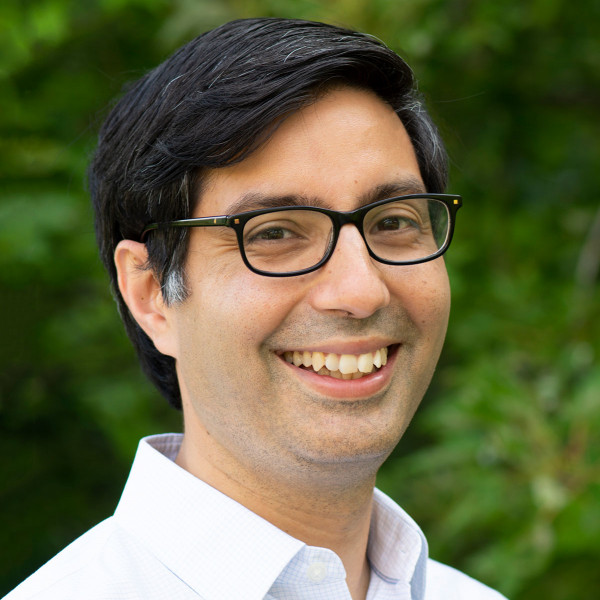
Jenny Thain
Jenny Thain, MD
Assistant Professor, Schulich School of Medicine and Dentistry
Key Areas of Focus:
Balance, Gait and Falls; Implementation Science and Education
Phone:
519-685-4292 ext. 42093
Email:
Accepting Grad Students:
Yes
About:
Dr. Jenny Thain is a geriatrician at Parkwood Institute and an Assistant Professor within the Division of Geriatric Medicine at the Schulich School of Medicine and Dentistry at Western University. Dr. Thain completed a Master’s degree in Health Professions Education through the University of Maastricht and completed her medical training at the University of Nottingham, sub-specializing in orthogeriatric medicine.
Her areas of clinical interest include osteoporosis and bone health, with a particular interest in orthogeriatric care. She is the Chair of the Canadian Geriatrics Society Osteoporosis and Bone Health Special Interest Group, a member of the Osteoporosis Canada Scientific Advisory Council and Fragility Fracture Network Scientific Committee and the Geriatric clinical lead of the Hip Fracture Unit at Victoria Hospital, London.
Lawson and Western researchers suggest walking and talking can be an early predictor of dementia
In a new study, researchers at Lawson Health Research Institute and Western University are demonstrating that gait, or motion testing, while simultaneously performing a cognitively demanding task can be an effective predictor of progression to dementia and eventually help with earlier diagnosis. To date, there is no definitive way for health care professionals to forecast the onset of dementia in a patient with memory complaints.
Dr. Manuel Montero-Odasso, a Lawson scientist, geriatrician at St. Joseph’s Health Care London, and associate professor in the Division of Geriatric Medicine at Western University’s Schulich School of Medicine & Dentistry, is leading the “Gait and Brain Study.” His team is assessing up to 150 seniors with mild cognitive impairment (MCI), a slight decline of memory and other mental functions which is considered a pre-dementia syndrome, in order to detect an early predictor of cognitive and mobility decline and progression to dementia.
Image
Dr. Montero-Odasso with study participant, Roy Bratty
“Finding methods to detect dementia early is vital to our ability to slow or halt the progression of the disease,” says Dr. Montero-Odasso. The study, funded by the Canadian Institutes of Health Research, followed participants for six years and included bi-annual visits. Researchers asked participants to walk while simultaneously performing a cognitively demanding task, such as counting backwards or naming animals. Those individuals with MCI that slow down more than 20 per cent while performing a cognitively demanding task are at a higher risk of progressing to dementia.
“While walking has long been considered an automatic motor task, emerging evidence suggests cognitive function plays a key role in the control of walking, avoidance of obstacles and maintenance of navigation,” says Dr. Montero-Odasso. “We believe that gait, as a complex brain-motor task, provides a golden window of opportunity to see brain function.”
The “gait cost,” or speed at which participants completed a single task (walking) versus a dual-task, was higher in those MCI individuals with worse episodic memory and who struggle with executive functions such as attention keeping and time management.
“Our results reveal a ‘motor signature’ of cognitive impairment that can be used to predict dementia,” adds Dr. Montero-Odasso. “It is conceivable that we will be able to diagnose Alzheimer’s disease and other dementias before people even have significant memory loss. Our hope is to combine these methods with promising new medications to slow or halt the progression of MCI to dementia.”
The study, “Association of Dual-Task Gait with Incident Dementia in Mild Cognitive Impairment”, was published in the journal, JAMA NEUROLOGY.
Image
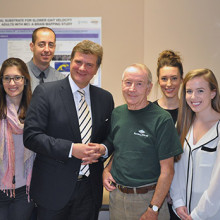
Members of the study’s research team, from left to right: Korbin Blue, Research Assistant (Co-op Student); Yanina Sarquis-Adamson, Lab Research Assistant; Frederico Faria, Post-Doctoral Fellow; Dr. Montero Odasso, Director, Gait and Brain Lab; research participant; Alanna Black, Lab Research Coordinator; Stephanie Cullen, Research Assistant (Undergraduate Student); and, Navena Lingum, Research Assistant (Master Student).
Scientist
… - Nurses, PSWs, (P) - Physicians, Pharmacists 32nd Annual Geriatric Medicine Refresher Day Current and Practical … REMARKS Laura Diachun, MD, Conference Chair, Division of Geriatric Medicine, St. Joseph’s Health Care London 8:45 - … p.m. - MORNING CONCURRENT WORKSHOPS II 7. Perioperative Geriatrics (N, P) Camilla Wong, MD, St. Michael’s Hospital, …
LEGEND - WORKSHOP SUITED FOR: (A) - Allied Health, (N) - Nurses, PSWs, (P) - Physicians, Pharmacists 32nd Annual Geriatric Medicine Refresher Day Current and Practical Knowledge to Inspire and Advance Care Wednesday, May 2, 2018 7:30 a.m. - 4:00 p.m. London Convention Centre, London, Ontario 7:30 - ...
… & Early Intervention on Psychosis (PEPP) Moving: - Geriatric Mental Health Clinic 30 MAY 1 2 Closed: - Geriatric Mental Health Clinic /media/287 … & Early Intervention on Psychosis (PEPP) Moving: - Geriatric Mental Health Clinic 30 MAY 1 2 Closed: - Geriatric Mental Health Clinic …
BULLETIN Acute Care Hospital Redevelopment News for Physicians in the Community Issue 4 - April 2011 Planned service reductions during LHSCs adult mental health care program move All adult acute mental health care services at LHSC are moving to new spaces at Victoria Hospital, April 11-29, 2011. As ...
Manuel Montero-Odasso
Manuel Montero-Odasso, MD; PhD
Professor, Schulich School of Medicine and Dentistry
Key Areas of Focus:
Mobility, Cognitive and Brain Health
Phone:
519-685-4021
Email:
Website:
Social:
Accepting Grad Students:
Yes
About:
Dr. Manuel Montero-Odasso is a geriatrician at Parkwood Institute and Professor and Faculty Scholar in the Schulich School of Medicine and Dentistry at Western University. He is also the Director of the Gait & Brain Lab at Parkwood Institute, a clinician-scientist at the Lawson Health Research Institute and serves as team leader at the Canadian Consortium on Neurodegeneration in Aging and the Ontario Neurodegenerative Research Initiative.
Dr. Montero-Odasso leads the Gait and Brain Health Program goal of understanding mechanisms and treatments of mobility and cognitive decline in aging by focusing on the interaction between gait performance and cognition and how this increases the risk of falls. Through this work Dr. Montero-Odasso has established the use of “motor biomarkers”, like slowing of gait speed and dual-task effects on gait to predict frailty, falls, and dementia. He is also a co-PI of the Canadian Therapeutic Platform for Multidomain Interventions to Prevent Dementia, which focuses on multi-domain lifestyle interventions that include physical exercises, cognitive training, diet, self-management of cardiovascular factors and sleep, in order to reduce the risk or delay the onset of dementia in older adults.
Dr. Montero-Odasso has received more than $6 million of competitive peer-reviewed research funding, has published over 150 scientific articles, 14 books and book chapters, and has received several accolades, including the American Geriatrics Society New Investigator Award, the Schulich Clinician Scientist Award, the Premier of Ontario Excellence Research Award, and the CIHR New Investigator Award. In 2019, he was inducted as one of the Top 10 Hispanic Canadian for his contribution in Medicine and Science. He has been invited to give more than 100 international presentations as a guest speaker. He serves as associate editor for the Journal of Gerontology Medical Sciences, Geriatrics, and Journal of Alzheimer’s Disease, among others. He also serves as executive member and Vice-President of the Canadian Geriatrics Society.
… 1 Visitors 3 Parkwood Institute Main Building SPECIALIZED GERIATRIC AMBULATORY CLINIC Zone Level Room 2 B2-161G B Main … - Level 2 Legend Main Building Entrance Specialized Geriatric Ambulatory Clinic (B2-161G) 1 /media/8367 … 1 Visitors 3 Parkwood Institute Main Building SPECIALIZED GERIATRIC AMBULATORY CLINIC Zone Level Room 2 B2-161G B Main …
LOT 3 Visitors To W el lin gt on R oa d 5 4 MENTAL HEALTH CARE BUILDING 2 To Commisioners Road East D B A C E LOT 1 Visitors 3 Parkwood Institute Main Building SPECIALIZED GERIATRIC AMBULATORY CLINIC Zone Level Room 2 B2-161G B Main Directions - Level 2 Legend Main Building Entrance Specialized Geri...
… St. Thomas Ed Black PhD CPsych * (Chair ) Psychologist, Geriatric Psychiatry Program, Regional Mental Health Care Adjunct Professor, Dept of Psychiatry – Division of Geriatric Psychiatry, Schulich School of Medicine & … 2008 Poster Presentations AB-P1 Risk Event Monitoring in a Geriatric Psychiatry Population: Ed Black PhD C Psych, Tom …
Regional Mental Health Care London and St. Thomas 9th Annual Research Half Day, May 14, 2008 BOOK OF ABSTRACTS & RESEARCH REPORT 2007 by RMHC RESEARCH COMMITTEE 1 Book of Abstracts RMHC 9th Annual Research Half-Day May 14, 2008 and Research Report 2007 RESEARCH INSIGHTS of the Regional Mental Health...
… St. Thomas Ed Black PhD CPsych * (Chair ) Psychologist, Geriatric Psychiatry Program, Regional Mental Health Care Adjunct Professor, Dept of Psychiatry – Division of Geriatric Psychiatry, Schulich School of Medicine & … St. Thomas Ed Black PhD CPsych * (Chair ) Psychologist, Geriatric Psychiatry Program, Regional Mental Health Care …
Regional Mental Health Care London and St. Thomas 10th Annual Research Half Day, May 13, 2009 BOOK OF ABSTRACTS & RESEARCH REPORT 2008 by RMHC RESEARCH COMMITTEE 1 Book of Abstracts RMHC 10th Annual Research Half Day May 13, 2009 and Research Report 2008 RESEARCH INSIGHTS of the Regional Mental Heal...
… St. Thomas Ed Black PhD CPsych * (Chair ) Psychologist, Geriatric Psychiatry Program, Regional Mental Health Care Adjunct Professor, Dept of Psychiatry – Division of Geriatric Psychiatry, Schulich School of Medicine & … over two sequential 118 day periods across three geriatric psychiatry wards (87 beds). Results: One of three …
MAY 2010 | VOL 7 No.1 BOOK OF ABSTRACTS 11TH ANNUAL RESEARCH HALF DAY MAY 12, 2010 & RESEARCH REPORT 2009 RMHC Research Committee http://www.lawsonresearch.com/v1.0/website/research_themes/Mental%20Health/HTML/our_publications.htm Regional Mental Health Care London and St. Thomas 11th Annual Researc...
… St. Thomas Ed Black PhD CPsych * (Chair ) Psychologist, Geriatric Psychiatry Program, Regional Mental Health Care Adjunct Professor, Dept of Psychiatry – Division of Geriatric Psychiatry, Schulich School of Medicine & … association studies. AB-O2 What’s the holdup? Discharging geriatric psychiatry patients. Julie Smith BSW, Shane Reed …
Regional Mental Health Care London and St. Thomas 12th Annual Research Half Day, May 11, 2011 BOOK OF ABSTRACTS & RESEARCH REPORT 2010 by RMHC RESEARCH COMMITTEE 1 Book of Abstracts 2011 RESEARCH INSIGHTS of the Regional Mental Health Care London and St. Thomas Vol.8, No.1 2011 Message from the Dire...