


Search
Search
1663 Search Results:
… The Family Advisory Council (FAC) of St- Joseph’s Mental Health Care Program is pleased to share our fourth report. It highlights some of our successes, … St- Joseph’s Mental Health Care Program is pleased to share our fourth report. It highlights some of our successes, …
The Family Advisory Council (FAC) of St- Josephs Mental Health Care Program is pleased to share our fourth report. It highlights some of our successes, accomplishments and the continued advocacy objectives that are important for the well-being of our loved one and families in the mental health care ...
Reduce the swelling: Why does chronic inflammation matter?
11:00pm - 1:00am
Inflammation is becoming increasingly popular as a “buzzword” for health claims and advice. It has been implicated in a number of chronic and age-related conditions, including diabetes, rheumatoid arthritis, cardiovascular disease, neurodegenerative diseases, and even depression and cancer. On the other hand, inflammation is part of the body’s natural response to infection and tissue damage, and it is crucial to the healing process.
You are invited to the Lawson’s Café Scientifique, a free community event providing an informal opportunity to get involved with science. Hear a panel of expert researchers explore how inflammation affects our health and how this knowledge can be applied to improve health care. Guests are then encouraged to ask questions as part of an open-forum discussion to gain insights from the speakers, and from one another.
Presented Talks
- “Molecular signatures: How do we listen to the music of inflammation?”
Dr. Chris McIntyre - “The effects of chronic inflammation on cancer”
Dr. Samuel Asfaha - “Coming to grips with curling fingers: A cause and potential treatment for fibrosis of the hand”
Dr. David O’Gorman - MODERATOR – Dr. David Hill
Registration
Free community event hosted by Lawson Health Research Institute.
PLEASE NOTE: Registration for this event is now full.
Email @email to be added to the event wait list. Please include the names of all individuals who wish to be added to the wait list. We apperciate your interest in Café Scientifique.
Event Information
Date: Wednesday, October 12, 2016
Time: 7 to 9 p.m.
Location: Windermere Manor (The Grand Hall), 200 Collip Circle, London, ON N6G 4X8
Speaker Biographies
Image
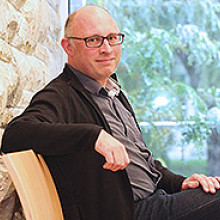
In 1999 he was appointed as Consultant Nephrologist at the Royal Derby Hospital and subsequently as Reader in Vascular Medicine and then Professor of Nephrology at Nottingham University, becoming Head of the Division of Graduate Entry Medicine and Medical Sciences. Dr McIntyre led a team of multidisciplinary researchers focused largely on the pathophysiology of the widespread abnormalities of cardiovascular function and body composition in CKD patients. These studies included basic clinical science, natural history studies and the development and application of novel therapeutic strategies. These studies have increasingly focussed on the adverse consequences resulting from dialysis therapy itself and the improvement in outcomes by the reduction of preventable harm.
He has recently moved to his new role in Canada as Professor of Medicine and was awarded the inaugural Robert Lindsay Chair of Dialysis Research and Innovation at Western University, London Ontario. He also serves as Director of the Lilibeth Caberto Kidney Clinical Research Unit at London Health Sciences Centre, as Assistant Director of the Lawson Health Research Institute and is cross appointed as full Professor in the Department of Medical Biophysics at Western.
Image
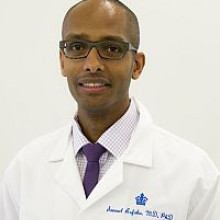
His research focuses on the intestinal stem cells of the gut and aims to identify the cellular origin of colorectal cancer.
See Dr. Asfaha’s full scientist profile.
Image
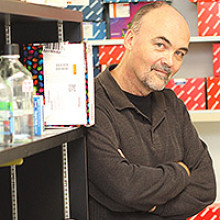
See Dr. O’Gorman’s full scientist profile.
Moderator Biography
Image

Reducing social isolation with new community resource
Researchers in London are sharing a new resource that can help municipalities and other organizations better understand social isolation and implement solutions proven to be effective. With input from over 35 community partners and people with lived experience, the research team hopes this tool can be used to support community-based initiatives that counteract poverty and homelessness while promoting mental health and social inclusion.
“The pandemic has highlighted the issues of isolation and homelessness, and we know there is a connection between mental health and poverty. Unfortunately, right now, many people don’t see solutions in sight,” explains Dr. Cheryl Forchuk, Assistant Scientific Director at Lawson Health Research Institute.
“Our new resource offers an expanded understanding of isolation and homelessness based on a very broad view and many different perspectives. We have taken it a step further and given examples of solutions that are working.” She is the lead researcher for CURA (Community-University Research Alliance): Poverty, Mental Health and Social Inclusion.
Today during a virtual book launch, the team from the CURA discussed details of a new publication from Canadian Scholars: Poverty, Mental Health, and Social Inclusion, edited by Drs. Forchuk and Rick Csiernik. Community partners from Connect for Mental Health (peer support), Impact Junk Solutions from CMHA Elgin-Middlesex, and Goodwill Industries shared more about their successful programs.
The book brings together research, real stories and information about programs from the London and area community that are working to address these issues. Most of the chapters includes a wide range of co-authors, including psychiatric consumer-survivors, academics, students, front-line service providers and leadership from community partners.
“In order to find real solutions, the voices of people using the services must be at the centre. Their stories and experiences have been a very important part of producing this book,” says Betty Edwards, Executive Director at Can-Voice, a consumer-survivor group, and Community Director for CURA. "For us to move the needle, we need collaboration across different sectors, for example health, income support, housing and social services. No one sector can solve these issues on their own.”
The book summarizes the foundational work by the CURA to better understand the inter-relationships between poverty and social inclusion for psychiatric survivors. Social inclusion involves the full participation of marginalized groups in the social and economic benefits of society which can be difficult to achieve for people with the “double jeopardy” of poverty and mental illness.
“After five years of funding and several published research papers, we wanted to pull the findings together as a whole so that it would be more easily accessed and implemented by a wide range of people and organizations,” adds Dr. Forchuk. “Our hope is that other cities and service providers can pick up this book to see what we’re doing in London, and consider ways that they may reach out to their citizens to address social exclusion. It is also an academic tool to prepare the next generation as they continue to tackle the wicked problem of homelessness.”
“I reflect back on the past 15 months of the pandemic and know how isolated I have felt at times. Imagine the feelings of isolation or being forgotten that would come with experiencing homelessness? And for some, it’s been most of their adult lives,” shares Dr. Csiernik, Professor at King’s University College at Western University. “We know that many people during the pandemic have lost homes, jobs and food security. Some may have new or worsening mental health disorders. The learnings and solutions like the ones presented in the book are needed now more than ever.”
Poverty, Mental Health, and Social Inclusion is available for purchase from Canadian Scholars with print and digital options.
Social Inclusion Art
Incorporating an arts-based approach, the book also features photographs taken by photographer Justin Langille who would spend about a month with each of the programs offering solutions and partnered with consumer survivors to capture accurate depictions of what they considered important messages.
Image

Impact Junk Solutions employee Allan is reflected in a mirror attached to a dresser being taken away from the home of an individual who recently passed away in the northwest end of London, Ontario in March 2014. (Photo credit: Justin Langille Photography)
Image

A supported housing unit rendered uninhabitable by an individual suffering from mental illness, which was a challenge for Impact Junk Solutions to de-clutter. (Photo credit: Justin Langille Photography)
Image
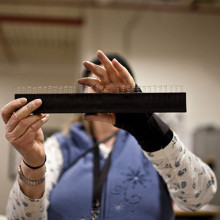
Diane assembles parts on the floor of the Goodwill’s RMHC Social Enterprise program in St.Thomas in April 2014. (Photo credit: Justin Langille Photography)
Image
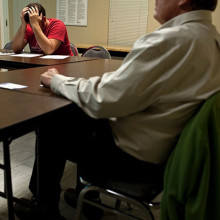
A participant pauses for a moment during a Connect group sharing session in October 2014. Connect facilitates peer sessions where individuals experiencing mental illness can learn and share strategies to help their recovery. (Photo credit: Justin Langille Photography)
Image

Steve helps a co-worker navigate a couch out from a basement in the Blackfriars neighbourhood in London, Ontario in April 2014. Returning to work has been essential for Steve’s successful recovery from mental illness and substance abuse. (Photo credit: Justin Langille Photography)
Image

Connect member Tammy makes breakfast at home in her kitchen. If there is one thing she can do habitually to set herself up for success in her mental health recovery, Tammy says it’s having a good breakfast. (Photo credit: Justin Langille Photography)
Image

Goodwill RMHC Social Enterprise program employee Donald applies reflective tape to a stack of pylons in March 2014. (Photo credit: Justin Langille Photography)
Image
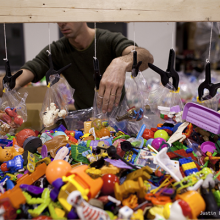
The Goodwill Social Enterprise program includes a successful toy-recycling component that bags and re-sells used toys at a low-cost for low-income families. (Photo credit: Justin Langille Photography)
Scientist
Reducing social isolation with new community resource
LONDON, ON – Researchers in London are sharing a new resource that can help municipalities and other organizations better understand social isolation and implement solutions proven to be effective. With input from over 35 community partners and people with lived experience, the research team hopes this tool can be used to support community-based initiatives that counteract poverty and homelessness while promoting mental health and social inclusion.
“The pandemic has highlighted the issues of isolation and homelessness, and we know there is a connection between mental health and poverty. Unfortunately, right now, many people don’t see solutions in sight,” explains Dr. Cheryl Forchuk, Assistant Scientific Director at Lawson Health Research Institute. “Our new resource offers an expanded understanding of isolation and homelessness based on a very broad view and many different perspectives. We have taken it a step further and given examples of solutions that are working.” She is the lead researcher for CURA (Community-University Research Alliance): Poverty, Mental Health and Social Inclusion.
Today during a virtual book launch, the team from the CURA discussed details of a new publication from Canadian Scholars: Poverty, Mental Health, and Social Inclusion, edited by Drs. Forchuk and Rick Csiernik. Community partners from Connect for Mental Health (peer support), Impact Junk Solutions from CMHA Elgin-Middlesex, and Goodwill Industries shared more about their successful programs.
The book brings together research, real stories and information about programs from the London and area community that are working to address these issues. Most of the chapters includes a wide range of co-authors, including psychiatric consumer-survivors, academics, students, front-line service providers and leadership from community partners.
“In order to find real solutions, the voices of people using the services must be at the centre. Their stories and experiences have been a very important part of producing this book,” says Betty Edwards, Executive Director at Can-Voice, a consumer-survivor group, and Community Director for CURA. “For us to move the needle, we need collaboration across different sectors, for example health, income support, housing and social services. No one sector can solve these issues on their own.”
The book summarizes the foundational work by the CURA to better understand the inter-relationships between poverty and social inclusion for psychiatric survivors. Social inclusion involves the full participation of marginalized groups in the social and economic benefits of society which can be difficult to achieve for people with the “double jeopardy” of poverty and mental illness.
“After five years of funding and several published research papers, we wanted to pull the findings together as a whole so that it would be more easily accessed and implemented by a wide range of people and organizations,” adds Dr. Forchuk. “Our hope is that other cities and service providers can pick up this book to see what we’re doing in London, and consider ways that they may reach out to their citizens to address social exclusion. It is also an academic tool to prepare the next generation as they continue to tackle the wicked problem of homelessness.”
Incorporating an arts-based approach, the book also features photographs taken by photographer Justin Langille who would spend about a month with each of the programs offering solutions and partnered with consumer survivors to capture accurate depictions of what they considered important messages.
“I reflect back on the past 15 months of the pandemic and know how isolated I have felt at times. Imagine the feelings of isolation or being forgotten that would come with experiencing homelessness? And for some, it’s been most of their adult lives,” shares Dr. Csiernik, Professor at King’s University College at Western University. “We know that many people during the pandemic have lost homes, jobs and food security. Some may have new or worsening mental health disorders. The learnings and solutions like the ones presented in the book are needed now more than ever.”
A central focus of the CURA team has been understanding homelessness – what lead someone to experience homelessness and how do we as a society respond? By bringing together different perspectives, the CURA team uncovered the issue of hospital discharge to homelessness, leading to research projects at London Health Sciences Centre and St. Joseph’s Health Care London that integrates the City of London’s housing and homeless approach. They have been better able to tailor youth specific homeless interventions after more awareness of the unique challenges of homeless youth. Driven by an information gap identified by the CURA, Dr. Forchuk’s team recently announced a research project testing data algorithms to track and identify who is homeless and where they are located.
-30-
DOWNLOADABLE MEDIA
Photo credit for all images: Justin Langille Photography
Image

A supported housing unit rendered uninhabitable by an individual suffering from mental illness, which was a challenge for Impact Junk Solutions to de-clutter. (Photo credit: Justin Langille Photography)
Image
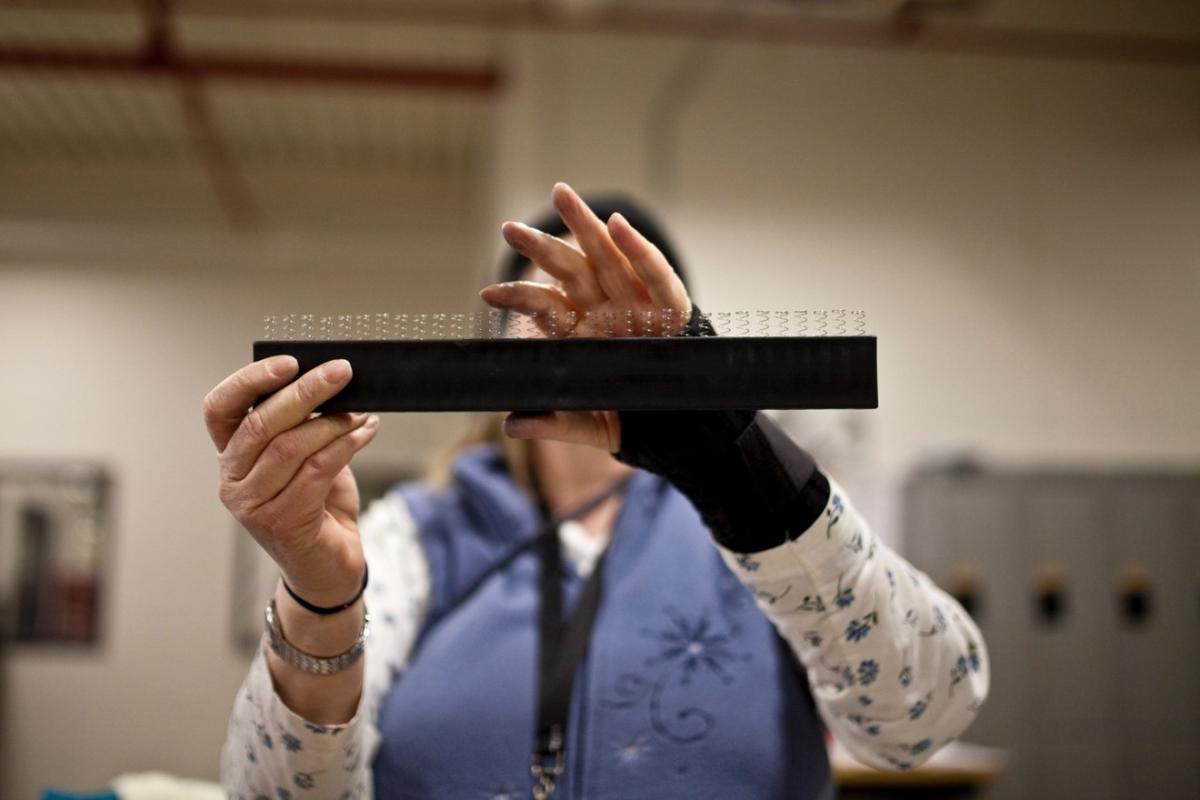
Diane assembles parts on the floor of the Goodwill’s RMHC Social Enterprise program in St.Thomas in April 2014. (Photo credit: Justin Langille Photography)
Image

Steve helps a co-worker navigate a couch out from a basement in the Blackfriars neighbourhood in London, Ontario in April 2014. Returning to work has been essential for Steve’s successful recovery from mental illness and substance abuse. (Photo credit: Justin Langille Photography)
Image

Goodwill RMHC Social Enterprise program employee Donald applies reflective tape to a stack of pylons in March 2014. (Photo credit: Justin Langille Photography)
About Lawson Health Research Institute
Lawson Health Research Institute is one of Canada’s top hospital-based research institutes, tackling the most pressing challenges in health care. As the research institute of London Health Sciences Centre and St. Joseph’s Health Care London, our innovation happens where care is delivered. Lawson research teams are at the leading-edge of science with the goal of improving health and the delivery of care for patients. Working in partnership with Western University, our researchers are encouraged to pursue their curiosity, collaborate often and share their discoveries widely. Research conducted through Lawson makes a difference in the lives of patients, families and communities around the world. To learn more, visit www.lawsonresearch.ca.
Media Contacts
Celine Zadorsky
Senior Media Relations Consultant
Communications & Public Engagement
T: 519-685-8500 ext. 73502
Celine.zadorsky@lhsc.on.ca
… Join us in celebrating our 20th Golf Tournament for People with Disabilities! DATE: Tuesday, August 27, 2019 TIME: 1 pm Shotgun start LOCATION: Fanshawe Golf … Join us in celebrating our 20th Golf Tournament for People with Disabilities! DATE: Tuesday, August 27, 2019 TIME: 1 pm Shotgun start LOCATION: Fanshawe Golf …
Join us in celebrating our 20th Golf Tournament for People with Disabilities! DATE: Tuesday, August 27, 2019 TIME: 1 pm Shotgun start LOCATION: Fanshawe Golf Course Parkside Nine ENTRY FEE: $30.00 includes golf, prize and dinner DEADLINE FOR ENTRY: August 16, 2019 Sponsored by the City of Londons Fa...
Mobility and Activity
Researchers at Lawson are propelled by the people who will benefit from the best in complex rehabilitative science.
One in 10 Canadians has a mobility disability – and we’re laser-focused on discovering how to help people whose lives have been upended by spinal cord injuries, stroke, brain injuries, chronic pain, accidents, falls, trauma or degenerative disease.
Situated at the Gray Centre for Mobility and Activity within St. Joseph’s Health Care London’s Parkwood Institute, the region’s largest provider of rehabilitation and recovery health, we bring our research into practice using all the resources a health institute and teaching hospital can offer together.
We share our innovations with the world – and we share the world’s research too, as we’ve created and curated the biggest database of international research on stroke, traumatic brain injury and spinal cord injuries.
Lawson mobility researchers comprise one of the largest and most accomplished teams in the country: including a research chair, established world-class scientists, emerging researchers, dozens of trainees and more than 100 students.
Our work helps people around the world lead active and healthy lives. Read on to discover where it will lead you.
Lawson leads mobility and activity research:
Relieving the pain: Current research on pain and its management
11:00pm - 1:00am
There has been an explosion of scientific knowledge that is helping us to uncover the changes that happen when an individual develops pain, giving millions of people the hope that they will be better able to manage their own pain.
Pain is one of the most common reasons people seek medical attention. In Canada, 25 per cent of adults are affected by chronic pain and that statistic moves up to 50 per cent in the elderly.
Acute and ongoing pain have traditionally been hard to understand and there has isn’t always a clear answer for tackling these issues. We do know that ongoing pain can have significant impacts on one’s wellbeing.
Join Lawson Health Research Institute for our next Café Scientifique to hear a panel of experts share more about local research in the areas of:
- The role of opioid and cannabis analgesics in the management of pain.
- The impact of pain for individuals and families, including children experiencing pain, and some of the barriers to its management.
- The growing understanding of the mechanisms of pain to create the best long-term results for patients.
- Educational tools for patients and caregivers.
Speakers
Image
- Dr. Dwight Moulin, Clinical Neurological Sciences and Oncology
- Dr. Naveen Poonai, Paediatric Emergency Medicine
- Dr. Dave Walton, School of Physical Therapy
- MODERATOR – Dr. Kathy Speechley, Epidemiology & Biostatistics
Event Details
Date: Tuesday, November 20, 2018
Time: 7-9 pm (doors open at 6:30 pm)
Location: Best Western Plus Lamplighter Inn & Conference Centre, 591 Wellington Rd, London, ON N6C 4R3
Map and directions
Parking: Ample free parking on-site
This is a free community event and online registration is REQUIRED.
Click here to register.
Lawson is the research institute of London Health Sciences Centre and St. Joseph’s Health Care London.
… and challenges. We would fi nally be through all our restructuring and construction and would have the opportunity … ethical issue of physician-assisted death. Through all of our challenges and triumphs, St. Joseph’s physicians and … and challenges. We would fi nally be through all our restructuring and construction and would have the …
Leadership in Mission Report on Mission, Spiritual Care and Health Care Ethics 2015/2016 Report on Governance and Leadership As we approached 2015/16 we knew the year would provide opportunities and challenges. We would fi nally be through all our restructuring and construction and would have the op...
… and challenges. We would fi nally be through all our restructuring and construction and would have the opportunity … ethical issue of physician-assisted death. Through all of our challenges and triumphs, St. Joseph’s physicians and … and challenges. We would fi nally be through all our restructuring and construction and would have the …
Leadership in Mission Report on Mission, Spiritual Care and Health Care Ethics 2015/2016 Report on Governance and Leadership As we approached 2015/16 we knew the year would provide opportunities and challenges. We would fi nally be through all our restructuring and construction and would have the op...
… Report on Mission, Spiritual Care and Health Care Ethics St. Joseph’s Health Care London 2013/2014 Report to St. … Care Ethics Page 13 Report on Spiritual Care Page 18 Living our Mission The report on mission, spiritual care and health … Care London for the St. Joseph’s Health Care Society. Our thanks to clinical ethicist Marleen Van Laethem and the …
Leadership in Mission Report on Mission, Spiritual Care and Health Care Ethics St. Josephs Health Care London 2013/2014 Report to St. Josephs Health Care Society 2 Contents Page 3 Report on Governance and Leadership Page 8 Report on Heath Care Ethics Page 13 Report on Spiritual Care Page 18 Living o...
… ST. JOSEPH’S HEALTH CARE LONDON | ANNUAL REPORT TO THE … themselves to help manage SARS restrictions. Thank you to our colleagues in public health and hospitals across the … area hospitals sustained a heavy personal toll, and to our colleagues there, we extend our heartfelt sympathy in …
ST. JOSEPHS HEALTH CARE LONDON | ANNUAL REPORT TO THE COMMUNITY | 2002/2003 2 Dedication This years Annual Report to the Community is dedicated to the St. Josephs Health Care, London staff members and volunteers who continue to give so much of themselves to help manage SARS restrictions. Thank you t...
… St. Joseph’s Health Care London Annual Report 1 care 2 3 At … to care, all stemming from one vision – to be a respected source of excellent health care. Uniting an organization of … care, specialized geriatric services and complex care, is our unique challenge – a challenge we have readily embraced. …
St. Josephs Health Care London Annual Report 1 care 2 3 At St. Josephs Health Care, London, there are so many ways to care, all stemming from one vision to be a respected source of excellent health care. Uniting an organization of such diversity, embodying programs in rehabilitation, acute/ambulato...
… AND FEASIBLE METHOD OF QUALITY IMPROVEMENT AMONG PSYCHIATRISTS: A pilot Ontario study Kamini Vasudev, Joel Lamoure, Michael Beyaert, Varinder Dua, Dave Dixon, Jason … Dhir, Jatinder Takhar Research Insights is a peer-reviewed journal designed to publish reviews, case studies and …
ISSN 2368-6294 (Print) ISSN 2368-6308 (Online) DECEMBER 2014 | VOL 11 No. 2 Editor J. D. Mendonca PhD CPsych ACADEMIC DETAILING AS A FOCUSED, ENGAGING AND FEASIBLE METHOD OF QUALITY IMPROVEMENT AMONG PSYCHIATRISTS: A pilot Ontario study Kamini Vasudev, Joel Lamoure, Michael Beyaert, Varinder Dua, Da...
… Focussed After-Care Research Insights is a peer-reviewed journal designed to publish reviews, case studies and research articles authored by the mental health … of papers that will subsequently be submitted to other journals for publication. Editor J.D. Mendonca, PhD CPsych …
ISSN 2368-6294 (Print) ISSN 2368-6308 (Online) MAY 2015 | VOL 12 No. 1 Editor J. D. Mendonca, PhD CPsych BRIEF REPORTS The Flip-Side To Readmission: Focussed After-Care Research Insights is a peer-reviewed journal designed to publish reviews, case studies and research articles authored by the mental...
Researchers testing triple intervention to combat dementia
Researchers at Lawson Health Research Institute are the first in the world conducting a clinical trial to test a triple intervention aimed at treating Mild Cognitive Impairment (MCI) and delaying the onset of dementia. The Mobility, Exercise and Cognition (MEC) team will be incorporating physical exercises, cognitive training and vitamin D supplementation to determine the best treatment for improving mobility and cognition.
“We have learned the brain processes involved in motor-control - for example how a person walks - and cognition - for example how that person solves a problem - share similar locations and networks in the brain,” explains Dr. Manuel Montero Odasso, Lawson Scientist and Geriatrician at St. Joseph’s Health Care London. “Problems with mobility are connected to lowering function in the mind, and so can be a good indicator of future progression into dementia.”
Dr. Montero Odasso is also an Associate Professor in the departments of Medicine and Epidemiology and Biostatistics at the Schulich School of Medicine & Dentistry, Western University.
Image
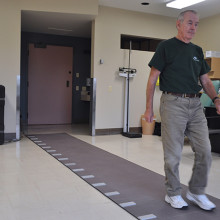
Gait assessment looks at the way in which we move our whole body from one point to another, helping to analyze mobility and the brain processes involved.
MCI is an intermediate stage between the expected cognitive decline of normal aging and the more serious decline of dementia. It can involve problems with memory, language, thinking and judgment. While many older individuals experience decline in both mobility and cognition, each are assessed and treated separately with no specific recommendations available for physicians.
The SYNERGIC Trial will combine physical exercises, cognitive training and vitamin D to test how these interventions work together to improve cognition in older adults at risk for dementia. The trial is targeting cognitive decline at the earliest stage, individuals with MCI, where interventions are more likely to have an effect and can be monitored.
Image
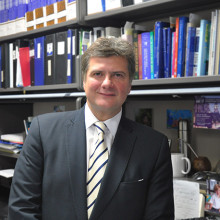
Dr. Manuel Montero Odasso, Lawson Scientist and lead for the SYNERGIC Trial.
Dr. Montero Odasso explains that both physical and cognitive exercises have shown promising effects for maintaining cognition, while vitamin D deficiency is associated with cognitive decline. A key feature of this trial is that participants will receive individualized and progressive training.
“By delaying declines in cognition, we can improve a person’s quality of life. This research will help to support a more comprehensive preventative treatment with clinical guidelines for physicians whose patients are at risk of developing dementia,” states Dr. Montero Odasso. “Even more, each one year delay of progression to dementia in older individuals at risk has the opportunity to save billions of dollars for the Canadian health care system.”
Individuals over 60 years old with mild cognitive impairment without dementia are eligible for this clinical trial. Those interested in participating are encouraged to contact Research Coordinator Alanna Black at 519.685.4292 ext. 42179.
Participants will be asked to complete a routine of exercises and cognitive training three times a week for six months, with one final assessment at 12 months. The main site for the study is Parkwood Institute with physical exercises taking place at the Labatt Health Sciences Building at Western University, in Dr. Kevin Shoemaker’s Laboratory for Brain and Heart Health.
This study has been funded by the Canadian Consortium on Neurodegenerative in Aging (CCNA) which represents Canada-wide research aimed at enhancing the quality of life and services for individuals diagnosed with a neurodegenerative disease. The MEC team in London, led by Dr. Montero Odasso, includes expert researchers in the field of mobility who aim to develop common assessments for the interaction of cognition and mobility for older people to aid as a diagnostic tool for detecting dementia.
Image
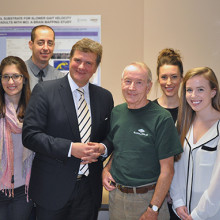
Members of the study’s research team, from left to right: Korbin Blue, Research Assistant (Co-op Student); Yanina Sarquis-Adamson, Lab Research Assistant; Frederico Faria, Post-Doctoral Fellow; Dr. Montero Odasso, Director, Gait and Brain Lab; research participant; Alanna Black, Lab Research Coordinator; Stephanie Cullen, Research Assistant (Undergraduate Student); and, Navena Lingum, Research Assistant (Master Student).
Scientist
Researchers using MRI scans to pinpoint moral injury effects in health care workers
Mental health concerns have been on the rise amongst health care workers during this ongoing pandemic. With long hours, fears of the unknown, and the pressure of keeping themselves and their families safe, some health care workers have suffered a moral injury.
Moral injury refers to an injury to an individual’s moral conscious, which can produce profound emotional guilt and shame. Recognizing this is a growing concern, a London research team from Lawson Health Research Institute and Western University’s Schulich School of Medicine & Dentistry is examining moral injury amongst health care workers by imaging the effects on the brain.
“We are trying to look closely at what happens in the brain when a person recalls a moral injury event,” says Dr. Ruth Lanius, Associate Scientist at Lawson and Professor at Schulich Medicine & Dentistry. “By understanding the changes happening in the brain, we may be better able to treat individuals suffering from moral injury.”
Image
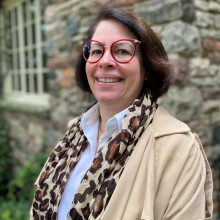
Dr. Ruth Lanius, Lawson Associate Scientist/Professor Schulich School of Medicine & Dentistry
During this ongoing pandemic, some health care workers have experienced emotionally difficult situations that resulted in moral injury. “Those suffering from moral injury have a cognitive or thinking component which may include repeated thoughts that they didn’t provide the best care for example, or that they let their family down due to their intense work schedule or need to self-isolated,” explains Dr. Lanius, who is also a psychiatrist at London Health Sciences Centre (LHSC).
“These thoughts are coupled with intense visceral distress, a gnawing sensation in the stomach or the feeling like one is being eaten up inside. I think once we help resolve the visceral distress, we will also see the negative thinking patterns settle down.”
The new study will involve around 60 health care workers. These research participants will undergo a functional MRI scan at St. Joseph's Health Care London at the beginning of the study and have the option to receive eight weeks of treatment. Then, another MRI scan will be done to see if and how the moral injury changes and possibly resolves within the brain. “This can be very validating for the health care workers since brain scans can make the invisible wound of moral injury visible,” adds Dr. Lanius.
The research team’s goal is to better understand what networks of the brain are activated with moral injury. Dr. Lanius hopes this would help establish more neuroscientifically guided treatments. “We have to help our health care workers heal from the tremendous hardships they often endure.”
Health care workers are still being recruited for this study. Interested participants can contact Research Coordinator Suzy Southwell 519-685-8500 ext. 35186 or @email.
… Preface This handbook is a work in progress; a joint endeavour of Postgraduate Medical Education and Medical Affairs. Comments / … Western Ontario Medical Education Network. We welcome your contributions and corrections for our next edition. … Preface This handbook is a work in progress; a joint endeavour of Postgraduate Medical Education and Medical Affairs. …
The Resident & Fellow Handbook This handbook is the property of: Dr. _____________________________ Resident / Clinical Fellow in the Department of: ________________________________ If found, please return to the Security office or notify me by email at: ________________________________ Preface Th...
Responding to the call for action during the COVID-19 pandemic
Quickly after the COVID-19 pandemic began to grip the world, Lawson Health Research Institute responded with action. Lawson is the research arm of London Health Sciences Centre (LHSC) and St. Joseph’s Health Care London. With hospitals focused on providing excellent patient care in the face of an unknown virus, hospital researchers in London, Ontario began critical COVID-19 studies.
“A lot was unknown during the first wave of the pandemic. Any research that wasn’t essential was put on hold. At the same time, we had people with different expertise coming together with different perspectives to see how we could better understand the SARS-CoV-2 virus and the COVID-19 infection,” explains Dr. David Hill, Lawson Scientific Director and VP, Research at LHSC and. St. Joseph's. “Our hospital researchers formulated ideas and very quickly came up with research proposals. These were fast tracked through our processes and within two months we approved over 50 new studies surrounding COVID-19.”
Image
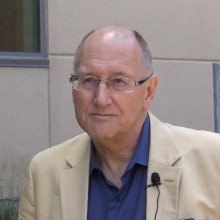
Dr. David Hill, Lawson Scientific Director and VP, Research at LHSC and. St. Joseph's
Some of these studies were clinical trials, which are research studies performed with people. Many patients from London hospitals get involved as patient participants and when COVID-19 hit, many agreed to be a part of this important research.
“We saw the pandemic happening across the world, and suddenly it was happening here in London. This has probably been the biggest challenge of my career,” says Carol Young-Ritchie, Executive Vice President at LHSC. “We had to look at many of our processes and how we were doing things, and adjust appropriately and nimbly.”
Young-Ritchie adds that as the hospital continued to admit a growing number of COVID-19 patients, a strong focus on research was needed. “It was absolutely critical and important for LHSC as a leader and academic centre to contribute to our collective knowledge. We needed to keep that research going and although it has been challenging, it has also taught us to be innovative.”
Image
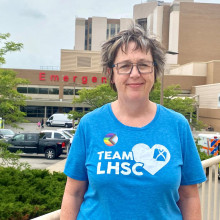
Carol Young-Ritchie, Executive Vice President at LHSC
The same focus was happening at St. Joseph’s Health Care London, with health care providers and researchers finding ways to improve care and outcomes for patients who had contracted the virus. “COVID-19 research through the hospital has been incredibly important,” says Karen Perkin, Vice President of Patient Care at St. Joseph’s. “We had researchers busy looking at the impacts of COVID-19. We had patients on ventilators and we were trying to understand that more. We also had research looking at the impacts for staff members looking after patients. All important, helpful knowledge as we move forward.”
Image
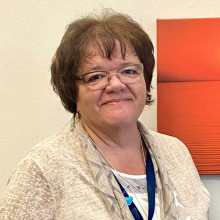
Karen Perkin, Vice President of Patient Care at St. Joseph’s
Hospital research in London through Lawson is proudly affiliated with Western University. At Western’s Schulich School of Medicine & Dentistry, the new state-of-the-art Imaging Pathogens for Knowledge Translation (ImPaKT) Facility was the perfect environment to conduct COVID-19 research.
“ImPaKT is a special containment facility where research on viruses like SARS-CoV-2 can be done safely,” says Dr. David Litchfield, Vice Dean of Research and Innovation at Schulich Medicine & Dentistry. “It has become a focal point for dozens of studies involving research through Schulich Medicine & Dentistry, as well as partners from the hospitals and other academic institutions and industries.”
Image
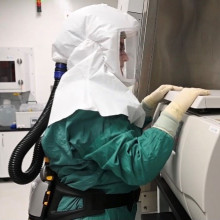
Dr. Litchfield adds that collaboration between hospital partners and scientists has been the key to successful COVID-19 research. “This collaboration has enabled advances leading to new diagnostic testing for COVID-19, as well as studies using MRI or related imaging tools to investigate long-term impacts of the infection on individuals.”
The rapid research response to COVID-19 couldn’t have happened without community and foundation financial support. “Funding support from our hospital Foundation is something we are so grateful for,” says Perkin, referring to St. Joseph’s Health Care Foundation. “They came right out at the beginning and asked how they could help, as did our donors.”
LHSC’s London Health Sciences Foundation and Children’s Health Foundation were also pivotal in research funding during the pandemic. “Funding is a crucial part to how we do hospital research and the Foundations have been important partners in making sure our research continued,” says Young-Ritchie.
As the pandemic continues, so does the research within our community. Hospital research has already improved diagnostics, treatments and patient outcomes related to COVID-19 and helped people all around the world.
“If you look at some of the achievements that have occurred in just a little more than a year, we have had a number of landmark publications on ways to diagnose COVID-19 compared to other respiratory disorders,” notes Dr. Hill. “We have had many rapid advances and it can take a crisis to bring out the best in people. Then things come together quickly, such as expertise, talent and money – and the job gets done.”
This is Part 1 in Lawson’s COVID-19 feature series. Visit Lawson’s website again to learn more about the research studies that helped us understand COVID-19, explore diagnosis and treatments, and show the impacts of the pandemic.
… School (RTS) Group Program* Contact Who We Are Parkwood Institute Return to School (RTS) GROUP PROGRAM The RTS Group … intending to return to studies or have already returned. Our goals are to make mild brain injury and concussions … setting. Seven sessions are facilitated by the SLP, two hours per session; session attendance is mandatory. …
Return to School (RTS) Group Program* Contact Who We Are Parkwood Institute Return to School (RTS) GROUP PROGRAM The RTS Group Program is facilitated by a Speech Language Pathologist (SLP) and is designed to meet the specific needs of students who are intending to return to studies or have already r...
Revealing the culprit behind Parkinson’s disease
An estimated 55,000 Canadians are living with Parkinson’s disease. While researchers are advancing therapies to treat symptoms, such as tremors, there is currently no method to stop progression.
To begin addressing this problem, a team of scientists at Lawson Health Research Institute is developing an imaging tracer.
“There’s a protein in the brain called alpha-synuclein (α-syn) that scientists believe is a culprit in causing Parkinson’s disease. The protein forms in ‘clumps’ called Lewy bodies that kill brain cells and potentially lead to disease,” explains Dr. Justin Hicks, Lawson Imaging Scientist. “Unfortunately, we have no way to study it in human brains and this has limited our ability to test therapies against it.”
Efforts have been made to study the elusive protein through modern imaging techniques like positron-emitting tomography (PET). Scientists have attempted to develop a PET probe – a radioactive molecule that targets the specific protein in order to produce highly specific images or scans – but they have been unsuccessful.
Image
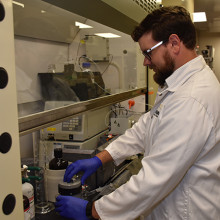
Above: Dr. Justin Hicks working in the Nordal Cyclotron & PET Radiochemistry Facility
“Unfortunately, the Lewy bodies caused by α-syn are hard to distinguish from protein clumps found in Alzheimer’s disease and other dementias. This makes it very difficult to know whether a PET probe has found clumps associated with Parkinson’s disease.”
Through a new study, Dr. Hicks and his team are working to find a solution. To do so, they will examine a different but related protein.
“There’s another protein called fatty acid binding protein 3 (FABP3) and one of its roles is to ‘chaperone’ the α-syn protein in human cells. Past studies have shown that levels FABP3 are higher in patients with Parkinson’s disease when compared to healthy controls,” explains Dr. Hicks. “This suggests that high concentrations of FABP3 can be used as an alternate measure of α-syn.”
They hope to measure levels of the FABP3 protein in place of the α-syn protein, and gain a better understanding of the role that both proteins play in the development and progression of Parkinson’s disease. To image Lewy bodies associated with Parkinson’s disease, the researchers are working to produce a PET probe that targets FABP3.
To accomplish this, they will be working in their lab to find a chemical that targets FABP3. Once found, they will attach a radioactive isotope to the chemical and produce a finished tracer. The tracer will then be tested in preclinical models.
Once injected, the PET probe will find and stick to FABP3. The PET isotope will emit a small amount of radioactivity and these emissions will show up as PET images.
“The ultimate goal is to develop a PET probe that can be used to distinguish Parkinson’s disease from other neurodegenerative diseases. The probe could also be used to assess new therapies that reduce levels of the α-syn protein,” says Dr. Hicks. “If successful, we hope this research will lead to a better understanding of the progression of Parkinson’s disease and ways to prevent it.”
Dr. Hicks and his team are being funded for this project through Lawson’s Internal Research Fund (IRF) competition. “Lawson’s IRF is extremely important for early career researchers. It allows us to generate data and publications to then apply for larger external funding. It also permits an added level of risk to pursue projects that may not reach their end goal but often spur new lines of research.”
Image
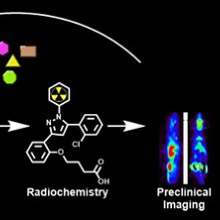
Above: A graphic depiction of this research project and its goals.
Lawson's IRF is designed to provide Lawson scientists the opportunity to obtain start-up funds for new projects with the potential to obtain larger funding, be published in a high-impact journal, or provide a clinical benefit to patients. Funding is provided by the clinical departments of London Health Sciences Centre and St. Joseph’s Health Care London, as well as the hospital foundations (London Health Sciences Foundation and St. Joseph’s Health Care Foundation).
Scientist