


Search
Search
2194 Search Results:
Surgical Specialties
Every patient who has visited the renowned Roth|McFarlane Hand and Upper Limb Centre at St. Joseph’s has benefited from research performed at Lawson Research Institute.
Each sight-saving consultation and surgical procedure at the Ivey Eye Institute has been informed by rigorous inquiry and discovery.
Behind the scenes of every breast-care and urology procedure is a team of researchers whose curiosity, innovation and robust trials are setting global standards of excellence.
While the surgical research specialties at St. Joseph’s span a range of human health conditions, they hold in common a drive to translate their findings to better patient health.
They examine new surgical procedures, techniques, devices and medications. They initiate and evaluate clinical trials that inform surgical education and improve surgical practices around the world.
Lawson leads the way in specialty surgical research. Learn more:
From holograph-assisted shoulder surgery to cutting-edge glaucoma treatments, Lawson research is visionary.
Lawson leads the way in specialty surgical research. Read on to discover where it will lead you.
‘The scariest part is the uncertainty’ – New therapeutic tool proven effective for MS patients with mental health challenges
It was a diagnosis that came as a shock for 28-year-old Mitch Kuska who found out he had Multiple Sclerosis (MS) at the age of 26. “I went from being a young 26-year-old doing regular things, to having to learn about this disease and everything that goes along with it and how it will affect my life." Kuska, an avid cyclist, says knowing that one day he may not be able to physically do the things he loves has been the hardest part of his MS journey so far. “The scariest part for sure is the uncertainty, because I don’t know what the future holds for me. Before I could look into the future and feel for the most part that I would be healthy.”
Image

“It can be a stressful time for people as they have just been diagnosed with a chronic neurological disease that will last the rest of their life,” says Dr. Sarah Morrow, Neurologist and Associate Scientist at Lawson.
Image

As part of the study, 24 newly diagnosed RMS patients were recruited including Kuska. Participants were split up into two groups, either the treatment group or the control group. The treatment group took part in ten sessions of the Mindfulness Without Borders program.
Image
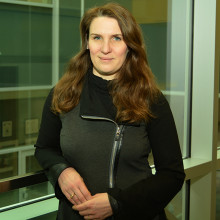
The participants were evaluated before the sessions and then six months later to see if there was a difference between the two groups. “Immediately after the sessions when we compared the two groups, those in the mindfulness were reporting better coping skills and less perceived stress, and their symptoms of depression had been reduced,” adds Dr. Morrow.
“During the study treatment, I definitely noticed myself being more mindful of my symptoms. Sensing little changes in my body and little feelings here and there,” explains Kuska. “I was more in tune with myself and I felt this mindfulness tool helped me get into the right mindset to start dealing with MS.”
Following these initial findings published in Multiple Sclerosis and Related Disorders, the London research team plans to examine them in a larger study. They are also working to examine if the use of mindfulness would be helpful for people who are in the more progressive stages of MS.
… at home or in long-term care facilities. CCC provides patients with room, board and other basic necessities in addition to medical care. All patients in Complex Continuing Care are charged a “Complex … UFYI: U*Complex Care Program does Unot Uprovide care to patients who require Total Parenteral Nutrition (TPN) …
Addressograph Parkwood Hospital 0B COMPLEX CARE PROGRAM APPLICATION FORM ****Please indicate the program for which you are making application to for your client: Complex Continuing Care Palliative Care Respite Care Please ensure that you have included all pertinent patient information. Before sub...
$65.75M grant positions Lawson as Canadian leader in workplace-injury research
Massive investment by the Workplace Safety and Insurance Board (WSIB) to St. Joseph’s Health Care London is largest-ever grant to transform occupational illness and injury
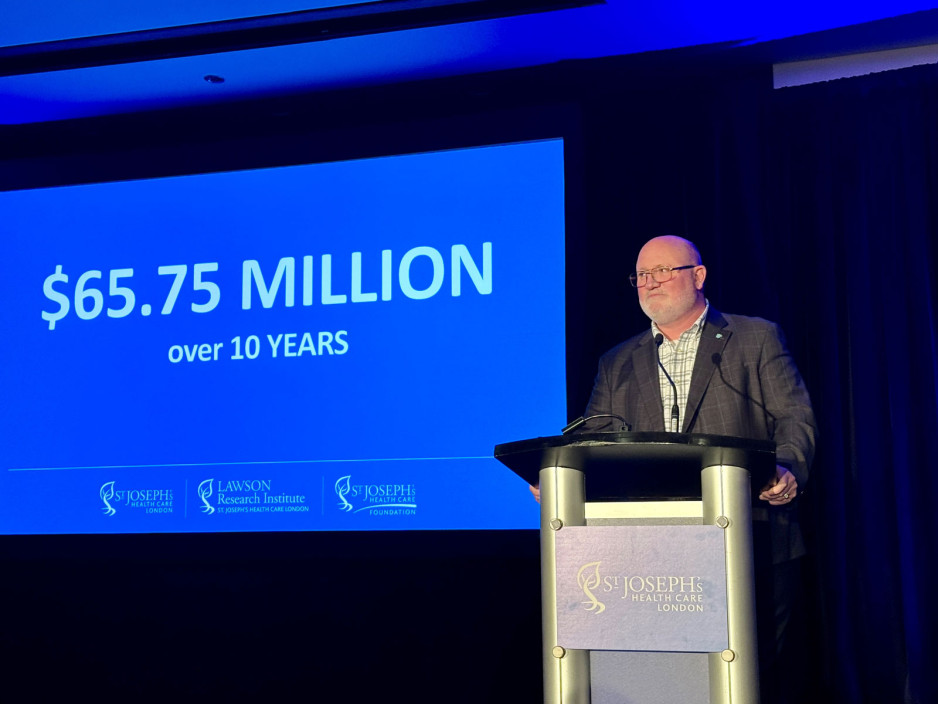
A “game-changer” investment of $65.75 million to Lawson Research Institute of St. Joseph’s Health Care London will transform the prevention, diagnosis and treatment of workplace injuries and illness for Ontarians.
The Workplace Safety and Insurance Board’s visionary 10-year commitment is the WSIB's largest-ever research injection; the largest non-government health research funding in London history; and the biggest single grant received and stewarded by St. Joseph’s Health Care Foundation.
The investment will launch the Occupational Injury Prevention and Treatment Research Network – a first-in-Canada hub where people, technology and science-backed innovation will help solve the human and health costs of occupational injury and illness across Ontario and around the world.
Landmark work, global leadership
“This is a game-changer, something that will transform how we work together to get ahead of work-related injury, pain and mental illness,” says Lisa Porter, PhD, Vice-President Research at St. Joseph’s and Scientific director of Lawson, the research arm of St. Joseph's.
“This investment will propel us to global leadership in finding solutions to some of the most pervasive issues affecting people in workplaces today,” Porter says.
Occupational injuries and illnesses – including chronic pain, physical disability and mental health conditions – accounted for more than 93,000 claims registered through the WSIB last year, with an average lost work time of 63.2 days.
Occupational injuries and illnesses – including chronic pain, physical disability and mental health conditions – have a significant impact on many people, families and businesses in Ontario. Every year they account for almost 250,000 claims registered through the WSIB, with benefit payments of approx. $2.5 billion.
“Too many Ontario families experience the human cost of workplace injury,” says Jeffery Lang, President and CEO of the WSIB. “We want fewer injuries to happen, and if they do, to be able to help people with a safe and faster recovery. This research is going to help get us there and with their established expertise, the St. Joseph’s Health Care and Lawson Research Institute team are a natural partner for this important work.”
Investment and innovation
The network will innovate long-term solutions to prevent mental and physical injuries, accelerate recovery and ensure sustainable health for Ontario workers.
It will feature state-of-the-art infrastructure and expertise including:
- A first-in-Canada positron emission tomography/magnetic resonance imagery (PET/MRI) scanner dedicated to research into rapid and accurate diagnosis of mental health conditions including post-traumatic stress and depression
- A cutting-edge Computer-Assisted Rehabilitation Environment (CAREN), a unique, virtual-reality environment that will test and solve workplace injury, rehabilitation and chronic pain in new ways
- Three new endowed research Chairs and teams of scientists solving the most critical research questions plaguing people injured at work, an investment that will ensure long-term consistency and sustainability of the work
- Deploying technology in data science, artificial intelligence (AI) and virtual reality, making the network accessible by centres and workplaces across Canada
Rapid-access research area to design and test assistive devices such as splints and mobility technology
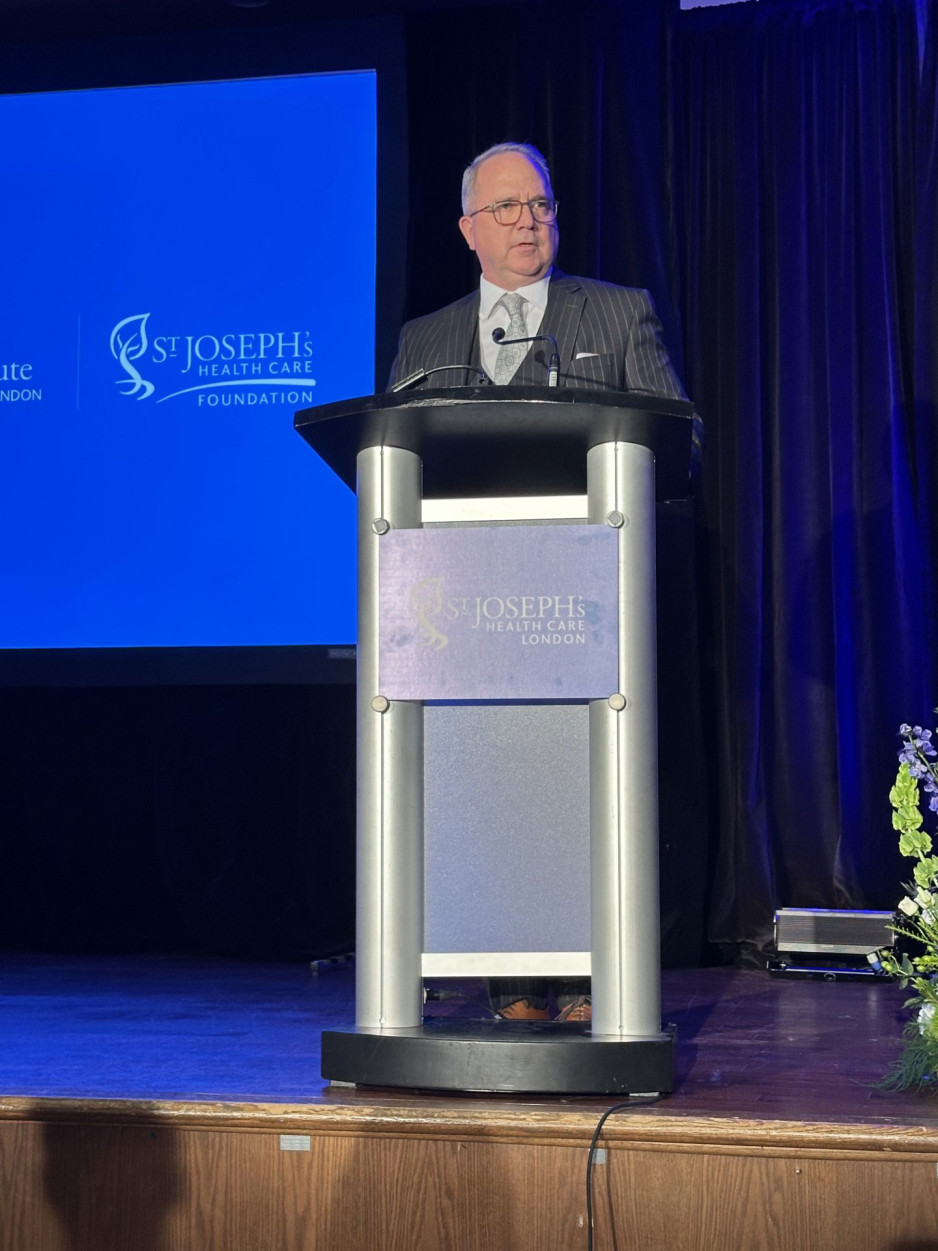
St. Joseph’s President and CEO Roy Butler says, “We know that discovery-driven, patient-focused research improves lives – that is the focus of our hospital-based research at Lawson, and we’re humbled that the WSIB has entrusted us to expand this vital work to minimize the effects of workplace injury, disease and disability. This significant investment will drive innovation opportunities that will translate into novel new treatments and tools that can be used to battle workplace injury and illness”
“This investment will enable us to leverage the deep expertise St. Joseph’s already has in mental health, chronic pain and rehabilitation, and creates the opportunity to expand our knowledge to support workplace wellness, including for frontline health-care workers,” Butler says.
Butler adds that the network will strengthen existing partnerships and create new collaborations – within St. Joseph’s as well as among a wide range of health professionals, researchers, post-secondary institutions and industry locally, across the province and nationally.
Butler notes St. Joseph’s already excels in research and treatment for related injuries and illnesses.
That includes: preventing and treating chronic pain through the hospital’s Pain Management Program and the Gray Centre for Mobility and Activity hand and upper limb care and injury prevention through the Roth | McFarlane Hand and Upper Limb Centre; advanced imaging expertise; and mental health solutions for veterans and first responders at the MacDonald-Franklin OSI Research Centre. All are specialty research areas of St. Joseph’s with deep roots in addressing occupational injury and illness.
A partnership of promise

Many groundbreaking research initiatives at St. Joseph’s have been made possible by generous supporters of St. Joseph’s, says Michelle Campbell, President and CEO of St. Joseph’s Health Care Foundation.
Medical research in Canada, including the research done in our hospitals, relies heavily on private funding. Donors to our foundation, invest in research because they know that innovation leads to better frontline care, and healthier communities,” Campbell says.
“It’s a partnership of promise, a confident stride toward better outcomes for patients. The WSIB’s gift through St. Joseph’s Health Care Foundation is a whole new level of leadership, and we’re proud to be integral to this transformation in workplace health,” says Campbell.
Earlier this year, the WSIB announced a $20-million gift to Fanshawe College to create a Centre of Excellence in Immersive Technology for Workplace Safety, primarily to help first responders and responders-in-training learn to prevent and treat occupation-related mental health issues such as PTSD, anxiety and depression.
The Network at St. Joseph’s broadens that work to bring research-specific innovation aimed at benefiting the physical and mental wellbeing and safety of workers in all occupations.
The new hub at St. Joseph's will make use of the institution’s vast community and research partnerships throughout London and across Canada, in multiple collaborations across a wide range of health disciplines.
$65.75M grant positions Lawson as Canadian leader in workplace-injury research

Massive research investment by the Workplace Safety and Insurance Board (WSIB) to St. Joseph’s Health Care London will transform occupational illness and injury
LONDON, Ont. – A “game-changer” investment of $65.75 million to Lawson Research Institute (Lawson) of St. Joseph’s Health Care London, (St. Joseph’s) will transform the prevention, diagnosis and treatment of workplace injuries and illness for Ontarians.
The visionary 10-year commitment is the WSIB's largest-ever research injection; the largest non-government research investment in London history; and the biggest single grant stewarded through St. Joseph’s Health Care Foundation.
The landmark investment will bring people, technology and science-backed innovation together to launch the first-in-Canada Occupational Injury Prevention and Treatment Network. Its focus on novel solutions in workplace health will serve Ontario’s workforce, and its innovations will have worldwide impact.
Landmark work, global leadership
“This is a game-changer, something that will transform how we work together to get ahead of work-related injury, pain and mental illness,” says Lisa Porter, PhD, Vice-President Research at St. Joseph’s and Scientific Director at Lawson, the research arm of St. Joseph's. “This investment will propel us to global leadership in finding solutions to some of the most pervasive issues affecting workplaces today.”
Occupational injuries and illnesses – including chronic pain, physical disability and mental health conditions – have a significant impact on many people, families and businesses in Ontario. Every year, they account for almost 250,000 claims registered through the WSIB, with benefit payments of approximately $2.5 billion.
“Too many Ontario families experience the human cost of workplace injury,” says Jeffery Lang, President and CEO of the WSIB. “We want fewer injuries to happen, and if they do, to be able to help people with a safe and faster recovery. This research is going to help us get there – and with their established expertise, St. Joseph’s Health Care London’s Lawson team is a natural partner for this important work.”
Investment and innovation
The network will innovate long-term solutions to prevent mental and physical injuries, accelerate recovery and ensure sustainable health for the workforce.
It will feature state-of-the-art infrastructure and expertise including:
- A first-in-Canada positron emission tomography/magnetic resonance imagery (PET/MRI) scanner enabling research into rapid and accurate diagnosis of mental health conditions including post-traumatic stress and depression
- A cutting-edge Computer-Assisted Rehabilitation Environment (CAREN), a unique, virtual-reality environment that will test and solve workplace injury, rehabilitation and chronic pain in new ways
- Three new endowed research Chairs and teams of scientists solving the most critical research questions plaguing people injured at work, an investment that will ensure long-term consistency and sustainability of the work
- Deploying technology in data science, artificial intelligence (AI) and virtual reality, making the network accessible by centres and workplaces across Canada
- Rapid-access research area to design and test assistive devices such as splints and mobility technology
- Leading research initiatives specific to health-care practitioners in employee wellness, resilience and mental health solutions for occupational trauma
St. Joseph’s President and CEO Roy Butler says, “We know that discovery-driven, patient-focused research improves lives – that is the focus of our hospital-based research at Lawson, and we’re humbled that the WSIB has entrusted us to expand this vital work to minimize the effects of workplace injury, disease and disability. This significant investment will drive innovation opportunities that will translate into novel new treatments and tools that can be used to battle workplace injury and illness.”
He adds, “This investment will enable us to leverage the deep expertise St. Joseph’s already has in mental health, chronic pain and rehabilitation, and creates the opportunity to expand our knowledge to support workplace wellness, including for frontline health-care workers.”
Foundation President and CEO Michelle Campbell says, “Donors to the foundation invest in research because they know that innovation leads to healthier people and healthier communities. It’s a partnership of promise, a confident stride towards better outcomes for patients. The WSIB’s research grant is a whole new level of leadership, and we’re proud to be integral to this transformation in workplace health.”
As the network hub, St. Joseph's will use its vast community and research partnerships throughout London and across Canada, in multiple collaborations across a wide range of health disciplines.
- 30 –
Media package is available, with downloadable B-roll, headshots, photos and fact sheet
For interviews or more information, contact:
Debora (Flaherty) Van Brenk
Communication Consultant, St. Joseph’s Health Care London
C: 226-577-1429 or 519-318-0657
@email
OR
Christine Arnott,
Public Affairs Manager, WSIB
@email
About Lawson Research Institute: Lawson Research Institute, the health innovation arm of St. Joseph's Health Care London, is committed to making and sharing discoveries that improve lives locally and internationally. Every day, Lawson researchers work to transform imagination to innovation to patient impact. Lawson leads health-care research. Find us online at sjhc.london.on.ca/research and on social media @stjosephslondon.
$65.75M grant positions Lawson as Canadian leader in workplace-injury research
Massive investment by the Workplace Safety and Insurance Board (WSIB) to St. Joseph’s Health Care London is largest-ever grant to transform occupational illness and injury
A “game-changer” investment of $65.75 million to Lawson Research Institute of St. Joseph’s Health Care London will transform the prevention, diagnosis and treatment of workplace injuries and illness for Ontarians.
The Workplace Safety and Insurance Board’s visionary 10-year commitment is the WSIB's largest-ever research injection; the largest non-government health research funding in London history; and the biggest single grant received and stewarded by St. Joseph’s Health Care Foundation.
The investment will launch the Occupational Injury Prevention and Treatment Research Network – a first-in-Canada hub where people, technology and science-backed innovation will help solve the human and health costs of occupational injury and illness across Ontario and around the world.
Landmark work, global leadership
“This is a game-changer, something that will transform how we work together to get ahead of work-related injury, pain and mental illness,” says Lisa Porter, PhD, Vice-President Research at St. Joseph’s and Scientific director of Lawson, the research arm of St. Joseph's.
“This investment will propel us to global leadership in finding solutions to some of the most pervasive issues affecting people in workplaces today,” Porter says.
Occupational injuries and illnesses – including chronic pain, physical disability and mental health conditions – accounted for more than 93,000 claims registered through the WSIB last year, with an average lost work time of 63.2 days.
Occupational injuries and illnesses – including chronic pain, physical disability and mental health conditions – have a significant impact on many people, families and businesses in Ontario. Every year they account for almost 250,000 claims registered through the WSIB, with benefit payments of approx. $2.5 billion.
“Too many Ontario families experience the human cost of workplace injury,” says Jeffery Lang, President and CEO of the WSIB. “We want fewer injuries to happen, and if they do, to be able to help people with a safe and faster recovery. This research is going to help get us there and with their established expertise, the St. Joseph’s Health Care and Lawson Research Institute team are a natural partner for this important work.”
Investment and innovation
The network will innovate long-term solutions to prevent mental and physical injuries, accelerate recovery and ensure sustainable health for Ontario workers.
It will feature state-of-the-art infrastructure and expertise including:
- A first-in-Canada positron emission tomography/magnetic resonance imagery (PET/MRI) scanner dedicated to research into rapid and accurate diagnosis of mental health conditions including post-traumatic stress and depression
- A cutting-edge Computer-Assisted Rehabilitation Environment (CAREN), a unique, virtual-reality environment that will test and solve workplace injury, rehabilitation and chronic pain in new ways
- Three new endowed research Chairs and teams of scientists solving the most critical research questions plaguing people injured at work, an investment that will ensure long-term consistency and sustainability of the work
- Deploying technology in data science, artificial intelligence (AI) and virtual reality, making the network accessible by centres and workplaces across Canada
Rapid-access research area to design and test assistive devices such as splints and mobility technology
St. Joseph’s President and CEO Roy Butler says, “We know that discovery-driven, patient-focused research improves lives – that is the focus of our hospital-based research at Lawson, and we’re humbled that the WSIB has entrusted us to expand this vital work to minimize the effects of workplace injury, disease and disability. This significant investment will drive innovation opportunities that will translate into novel new treatments and tools that can be used to battle workplace injury and illness”
“This investment will enable us to leverage the deep expertise St. Joseph’s already has in mental health, chronic pain and rehabilitation, and creates the opportunity to expand our knowledge to support workplace wellness, including for frontline health-care workers,” Butler says.
Butler adds that the network will strengthen existing partnerships and create new collaborations – within St. Joseph’s as well as among a wide range of health professionals, researchers, post-secondary institutions and industry locally, across the province and nationally.
Butler notes St. Joseph’s already excels in research and treatment for related injuries and illnesses.
That includes: preventing and treating chronic pain through the hospital’s Pain Management Program and the Gray Centre for Mobility and Activity hand and upper limb care and injury prevention through the Roth | McFarlane Hand and Upper Limb Centre; advanced imaging expertise; and mental health solutions for veterans and first responders at the MacDonald-Franklin OSI Research Centre. All are specialty research areas of St. Joseph’s with deep roots in addressing occupational injury and illness.
A partnership of promise
Many groundbreaking research initiatives at St. Joseph’s have been made possible by generous supporters of St. Joseph’s, says Michelle Campbell, President and CEO of St. Joseph’s Health Care Foundation.
Medical research in Canada, including the research done in our hospitals, relies heavily on private funding. Donors to our foundation, invest in research because they know that innovation leads to better frontline care, and healthier communities,” Campbell says.
“It’s a partnership of promise, a confident stride toward better outcomes for patients. The WSIB’s gift through St. Joseph’s Health Care Foundation is a whole new level of leadership, and we’re proud to be integral to this transformation in workplace health,” says Campbell.
Earlier this year, the WSIB announced a $20-million gift to Fanshawe College to create a Centre of Excellence in Immersive Technology for Workplace Safety, primarily to help first responders and responders-in-training learn to prevent and treat occupation-related mental health issues such as PTSD, anxiety and depression.
The Network at St. Joseph’s broadens that work to bring research-specific innovation aimed at benefiting the physical and mental wellbeing and safety of workers in all occupations.
The new hub at St. Joseph's will make use of the institution’s vast community and research partnerships throughout London and across Canada, in multiple collaborations across a wide range of health disciplines.
$7.55 million grant to take LHSC-developed technology global
On average it takes five to seven years to diagnose a rare disease. But, for growing numbers of rare diseases, that is all about to change with new artificial intelligence-led technology developed by researchers at London Health Sciences Centre (LHSC) and Lawson Health Research Institute that will be going global.
With funding of $7,551,693 that includes a Genome Canada Genomic Applications Partnership Program (GAPP) grant and support from Illumina Inc., a leading developer of tools for analysis of genetic variation, research led by Dr. Bekim Sadikovic will change what has been years of trial and error in the search for a diagnosis into a simple blood test that could ultimately be available in any lab around the world.
“Despite advances in genome sequencing, it is estimated that nearly 70 per cent of people with a rare genetic disease are not diagnosed,” says Dr. Sadikovic, Research Chair in Clinical Genomics and Epigenomics with the Archie and Irene Verspeeten Clinical Genome Centre at LHSC, and Scientist at Lawson.
“To receive specialized care, you need a specific genetic diagnosis. Without one, you can’t access therapy and, unlike other types of diseases, genetic diseases don't only affect the patient, they affect whole family because they can be inherited,” he says.
Using machine learning, Dr. Sadikovic has developed EpiSign™, the first technology that uses a patient’s epigenome to diagnose genetic disorders. At its most basic level this means that artificial intelligence is used to detect the pattern of chemical signals, called epigenetics, that turn genes within a person’s DNA on or off. The position of this on-off switch for any specific gene could mean someone has blue eyes versus brown eyes, or it could mean they have a rare genetic disease.
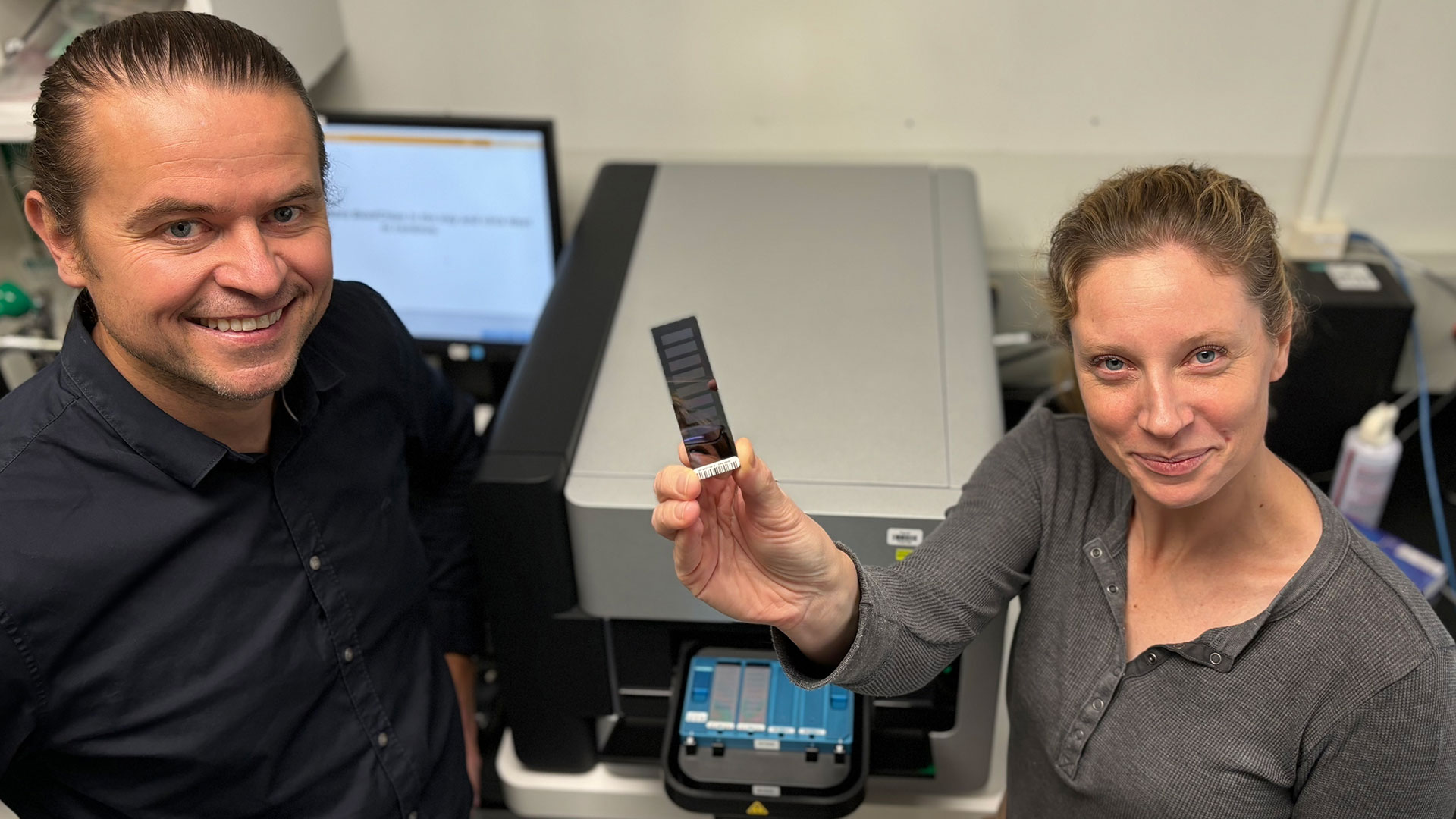
Over the last ten years, Dr. Sadikovic has been researching epigenetics and has created a database that contains the epigenetics of hundreds of genetic diseases, and diseases caused by toxic environmental exposures, the largest database of its kind in the world.
This decade of research has culminated in an ongoing national trial of this diagnostic technology called EpiSign-CAN. Funded by Genome Canada, the trial involves testing of thousands of patients across 14 Canadian academic hospitals.
“It is these episignatures that allow us to diagnose patients that otherwise cannot be diagnosed with standard genetic techniques,” Dr. Sadikovic explains. “So, we can now interpret this genetic data that we couldn’t understand before, and provide critical answers for patients and families affected by hundreds of rare diseases.”
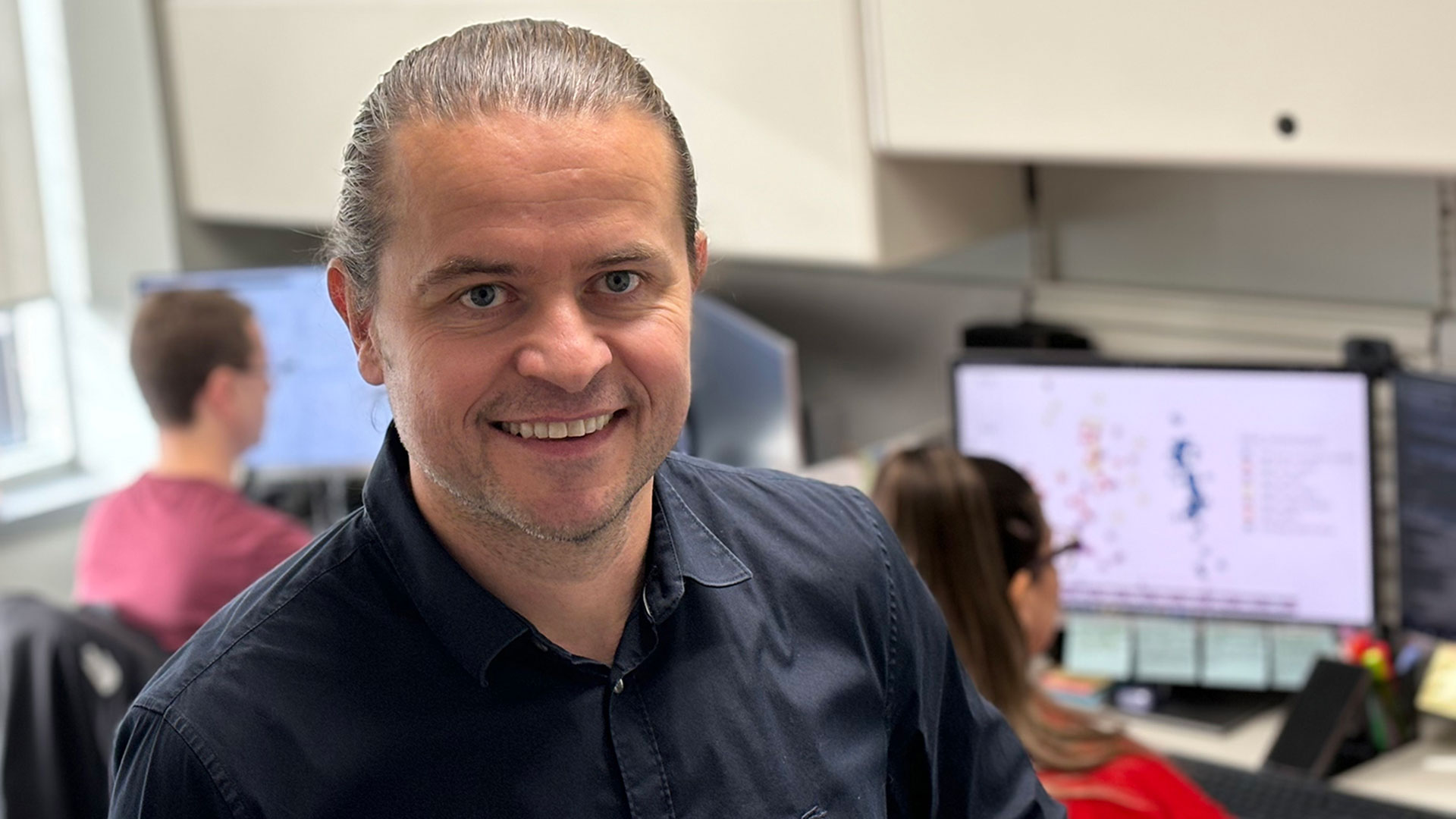
This $7.44 million grant funding from the Government of Canada through Genome Canada will enable the next phase of the project in which EpiSign™ technology will be implemented in labs at academic institutions in 15 countries around the world.
“This research is a great example of LHSC’s commitment to supporting the world-leading advances in diagnosis of patients with rare diseases,” says Brad Campbell, Corporate Hospital Administrative Executive at LHSC.
Along with Dr. Sadikovic’s laboratory at LHSC, two industry partners will be involved in this project. Illumina Inc. will be developing custom microchip hardware to facilitate streamlined sample collection, and EpiSign Inc., a Canadian startup biotechnology company which is a partnered venture between LHSC and Dr. Sadikovic, will develop end-user software for automated data analysis in labs around the world.
“The support provided by Genome Canada and Illumina will enable adoption of EpiSign technology and place it at the forefront of patient care globally,” Campbell says.
Dr. Sadikovic’s work has also been supported with funding through LHSC’s Academic Realignment Initiative Awards and generous donor support through London Health Sciences Foundation, including through the Archie and Irene Verspeeten Clinical Genome Centre.
Media contact:
Roxanne Beaubien
Senior Media Relations Consultant
London Health Sciences Centre
Cell: 226-577-1511
@email
About Lawson Health Research Institute
Lawson Health Research Institute is one of Canada’s top hospital-based research institutes, tackling the most pressing challenges in health care. As the research institute of London Health Sciences Centre and St. Joseph’s Health Care London, our innovation happens where care is delivered. Lawson research teams are at the leading-edge of science with the goal of improving health and the delivery of care for patients. Working in partnership with Western University, our researchers are encouraged to pursue their curiosity, collaborate often and share their discoveries widely. Research conducted through Lawson makes a difference in the lives of patients, families and communities around the world. To learn more, visit www.lawsonresearch.ca.
About London Health Sciences Centre
London Health Sciences Centre has been at the forefront of medicine in Canada for 145 years and offers the broadest range of specialized clinical services in Ontario. Building on the traditions of its founding hospitals to provide compassionate care in an academic teaching setting, London Health Sciences Centre is home to Children’s Hospital, University Hospital, Victoria Hospital, the Kidney Care Centre, two family medical centres, and two research institutes – Children’s Health Research Institute and Lawson Health Research Institute. As a leader in medical discovery and health research, London Health Sciences Centre has a history of over 70 international and national firsts and attracts top clinicians and researchers from around the world. As a regional referral centre, London Health Sciences Centre cares for the most medically complex patients including critically injured adults and children in southwestern Ontario and beyond. The hospital’s nearly 15,000 staff, physicians, students and volunteers provide care for more than one million patient visits a year. For more information, visit www.lhsc.on.ca.
… Canada, dating back more than 130 years. More than 400,000 patients annually receive care from close to 6,000 … we work in partnership to address the concern over the time patients must wait for care. For a complete set of fi … Canada, dating back more than 130 years. More than 400,000 patients annually receive care from close to 6,000 …
ST . JO SE P H S H EA LT H C A R E, L O N D O N A N N U A L R E P O R T 2 0 0 6 2 0 0 7 Our Mission We help people to maintain and improve their health and work with them to minimize the eff ects of injury, disease and disability. We do this by pursuing excellence in care, research, and education i...
… General Endowment Fund – $4,275 Chronic and complex care patients require continuing medical management, skilled … life. Programs such as community outings for complex care patients have proved to be very valuable. This year, the … uoroscan, bone alignment can be checked in Urgent Care. For patients, this means faster service and fewer radiographs. …
ST . JO SE PH S H EA LT H C A R E FO U N D AT IO N A N N U A L R E P O R T 2 0 0 6 2 0 0 7 The Foundation experienced a year of strong fi nancial performance in 200607. Donor gifts received reached $7.1 million, an increase of 6.4% over 200506. The Foundations total asset base was $46.4 million at ...
… experience of Ontario’s newest doctors thus ensuring that patients receive the best possible medical care. Who are … experience of Ontario’s newest doctors thus ensuring that patients receive the best possible medical care. Who are …
The Professional Association of Residents of Ontario YOUR PROFESSIONAL ORGANIZATION Our Mission: PAROs priority is to advocate on behalf of its members, addressing professional and educational concerns in order to optimize the training and working experience of Ontarios newest doctors thus ensuring ...
… experience of Ontario’s newest doctors thus ensuring that patients receive the best possible medical care. Who are … experience of Ontario’s newest doctors thus ensuring that patients receive the best possible medical care. Who are …
The Professional Association of Residents of Ontario YOUR PROFESSIONAL ORGANIZATION Our Mission: PAROs priority is to advocate on behalf of its members, addressing professional and educational concerns in order to optimize the training and working experience of Ontarios newest doctors thus ensuring ...
… experience of Ontario’s newest doctors thus ensuring that patients receive the best possible medical care. Welcome to … of the hat you wear, you will often be interacting with patients – people who may not understand exactly what a resident is. Friends, family and patients easily understand medical school but now you will …
The Professional Association of Residents of Ontario YOUR PROFESSIONAL ORGANIZATION * Our Mission: PAROs priority is to advocate on behalf of its members, addressing professional and educational concerns in order to optimize the training and working experience of Ontarios newest doctors thus ensurin...
Dr. s copy Western Schulich School of Medicine & Dentistrys copy Department of s copy Medical Affairs copy THIS LETTER OF OFFER IS ONLY TO BE ISSUED AFTER CONFIRMATION OF THREE SATISFACTORY REFERENCES FOR THE CANDIDATE. Dear Dr.
Dr. s copy Western Schulich School of Medicine & Dentistrys copy Department of s copy Medical Affairs copy THIS LETTER OF OFFER IS ONLY TO BE ISSUED AFTER CONFIRMATION OF THREE SATISFACTORY REFERENCES FOR THE CANDIDATE. Dear Dr.
Dr. s copy Western Schulich School of Medicine & Dentistrys copy Department of s copy Medical Affairs copy THIS LETTER OF OFFER IS ONLY TO BE ISSUED AFTER CONFIRMATION OF THREE SATISFACTORY REFERENCES FOR THE CANDIDATE. Dear Dr.
Dr. s copy Western Schulich School of Medicine & Dentistrys copy Department of s copy Medical Affairs copy THIS LETTER OF OFFER IS ONLY TO BE ISSUED AFTER CONFIRMATION OF THREE SATISFACTORY REFERENCES FOR THE CANDIDATE. Dear Dr.
… 2 Goals of Patient Access Improved patient experience – patients are in the right place at the right time for the … roles 2 3 Basic Principles Home is the best place for patients Discharge planning begins on admission (or prior … will be treated the same We will all strive to have zero patients waiting in hospital for Long-Term Care placement 3 …
Home First Resident`s Orientation Day June 2018 1 1 What is Home First Home First is a philosophy Every effort is made to ensure adequate resources are in place to support the patient to return home rather than being designated ALC 2 Goals of Patient Access Improved patient experience patients ar...
… adverse events and eliminate preventable harm Keeping patients free from harm Providing high quality healthcare Decreasing risks to patients Implementing evidence-based interventions Why is … 100 admissions 36.9% of these were preventable 20.8% of patients with AE died - in 9% of these, AE were highly …
What is Patient Safety? Krista Muncaster, RN Patient Safety and Accreditation Lead June 29, 2017 Objectives for today What is Patient Safety? Why is Patient Safety Important? How Do We Improve Patient Safety? Your Role in Patient Safety What is Patient Safety A way of doing things (philosophy) ...
… however, the procedure is usually well-tolerated. Many patients even fall asleep during the examination. What … however, the procedure is usually well-tolerated. Many patients even fall asleep during the examination. What …
CARING FOR THE BODY, MIND & SPIRIT SINCE 1869 Renowned for compassionate care, St. Josephs is one of the best academic health care organizations in Canada dedicated to helping people live to their fullest by minimizing the effects of injury, disease and disability through excellence in care, teachin...
… experience of Ontario’s newest doctors thus ensuring that patients receive the best possible medical care. What is a … experience of Ontario’s newest doctors thus ensuring that patients receive the best possible medical care. What is a …
The Professional Association of Residents of Ontario YOUR PROFESSIONAL ORGANIZATION Our Mission: PAROs priority is to advocate on behalf of its members, addressing professional and educational concerns in order to optimize the training and working experience of Ontarios newest doctors thus ensuring ...