


Search
Search
625 Search Results:
… and conditions such as stroke, brain injury, chronic pain, amputations, spinal cord injury, chronic pain and neuromuscular disorders. Want to partner with us? … and conditions such as stroke, brain injury, chronic pain, amputations, spinal cord injury, chronic pain and …
THE GRAY CENTRE FOR MOBILITY AND ACTIVITY Innovating to improve the mobility and activity of people living with disease, disability or injury. WHO WE ARE Established in 2020, The Gray Centre for Mobility and Activity at St. Josephs Health Care London is expanding and advancing mobility and rehabilit...
… For Someone Else to Cook Ensure You Have an Ice Pack For Pain Management /media/9045 … For Someone Else to Cook Ensure You Have an Ice Pack For Pain Management …
===~ ROTH I M(;FARLANE =-= HAND & UPPER LIMB CENTRE ~= ST. JOSEPH'S HEALTH CARE LONDON rm Western HealthSciences hool of Physical Therapy Things To Do Before Total Shoulder Replacement Surgery Surgery Date & Time (__/__/____) ___:___ AM/PM Pre-Admission Class Date (__/__/____) Arrange Loca...
… • Need for insulin or medication adjustment • Stress or pain or illness • A pattern is not having elevated glucose … in rebound high • Inadequate insulin dose • Stress/pain, illness • Important to ask some questions prior to … • Need for insulin or medication adjustment • Stress or pain or illness • A pattern is not having elevated glucose …
Tips and tricks: Insulin Titration With Thanks for Peer support and input to this presentation What we know about Insulin Insulin may be used in patients with Type 2 Diabetes, Gestational Diabetes, Type 1 diabetes, LADA Primary treatment for Type 1 Diabetes Initial starting insulin dose is often ...
Tools or Products of Research
Tools
Credit and Source: Dr. Joy MacDermid (@email).
- PREPS - Over-night stay
- Shoulder Joint Protection Program (digital version)
- Shoulder Joint Protection Program (print version)
- HULC Shoulder Movement Analysis Mediapipe (test version)
- Miller J, Gross A, MacDermid J, COG, ICON. Should I receive manual therapy and exercise for my neck pain?: A patient decision aid (2012).
- Miller J, Gross A, Rogers T, Willemse J. Manual Therapy and Exercise for Neck Pain: Clinical Treatment Tool-kit (2012).
- Credit and Source: Dr. Joy MacDermid (@email).
Critical Appraisal
Protocols
- FIT- HaNSA (The Functional Impairment Test-Head, and Neck/Shoulder/Arm) Protocol
- This test is a functional endurance test that assesses tasks of the upper limb performed in a standardized way over 15 minutes.
Credit and Source: Dr. Joy MacDermid (@email).
- This test is a functional endurance test that assesses tasks of the upper limb performed in a standardized way over 15 minutes.
- Cold Stress Test and The Ten Test Manual
- Two simple quantitative sensory tests (youtube.com)
- The Cold Stress Test is a standardized cold test that measures pain and vascular response to cold immersion.
Credit and Source: Dr. Zakir Uddin (@email) ) & Dr. Joy MacDermid (@email).
Knowledge Translation
- Pain+
- Free resource on pain evidence to support your clinical decisions
- Free resource on rehab evidence to support your clinical decisions
Please note: if you require an accessible version of files on this page, reach out to us at @email as work is currently underway to code the files attached here.
Top 12 research stories of 2022
As the research institute of London Health Sciences Centre (LHSC) and St. Joseph’s Health Care London, our teams impact the lives of people in Ontario, Canada and around the globe with groundbreaking studies, world firsts and translational research that enhances care, health and wellbeing. Here are some of Lawson Health Research Institute’s top research highlights of 2022.
Researchers looking to better personalize treatment for PTSD
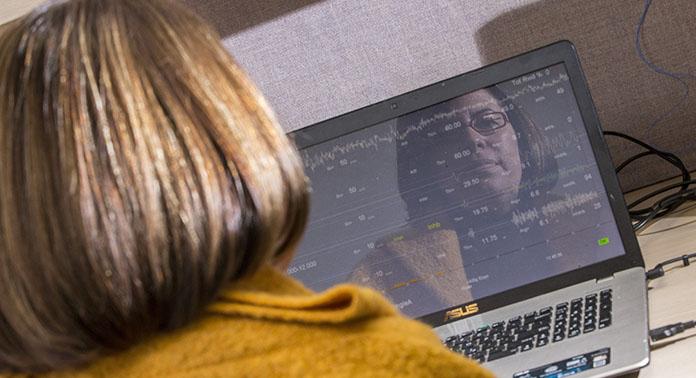
In a new study through Lawson and Western University’s Schulich School of Medicine & Dentistry, scientists are looking at a form of treatment called deep brain reorienting (DBR) for those suffering from post-traumatic stress disorder (PTSD). Read more.
Virtual care associated with significant environmental and patient cost savings

A new study by researchers at ICES, Lawson and Western finds that virtual care during the COVID-19 pandemic led to a significant reduction in carbon dioxide emissions and patient travel-related expenses, such as gasoline, parking or public transit costs. Read more.
Novel test that could easily diagnose blast injury created by local scientists

In a world first, researchers at Lawson and Defence Research and Development Canada have developed a breath test that could be used to diagnose repetitive blast injury – a mild traumatic brain injury resulting from pressure changes that occur during explosions. The device will soon go through clinical trials to validate its efficacy. Read more.
Local researchers using artificial intelligence to lead the way in bedside lung imaging
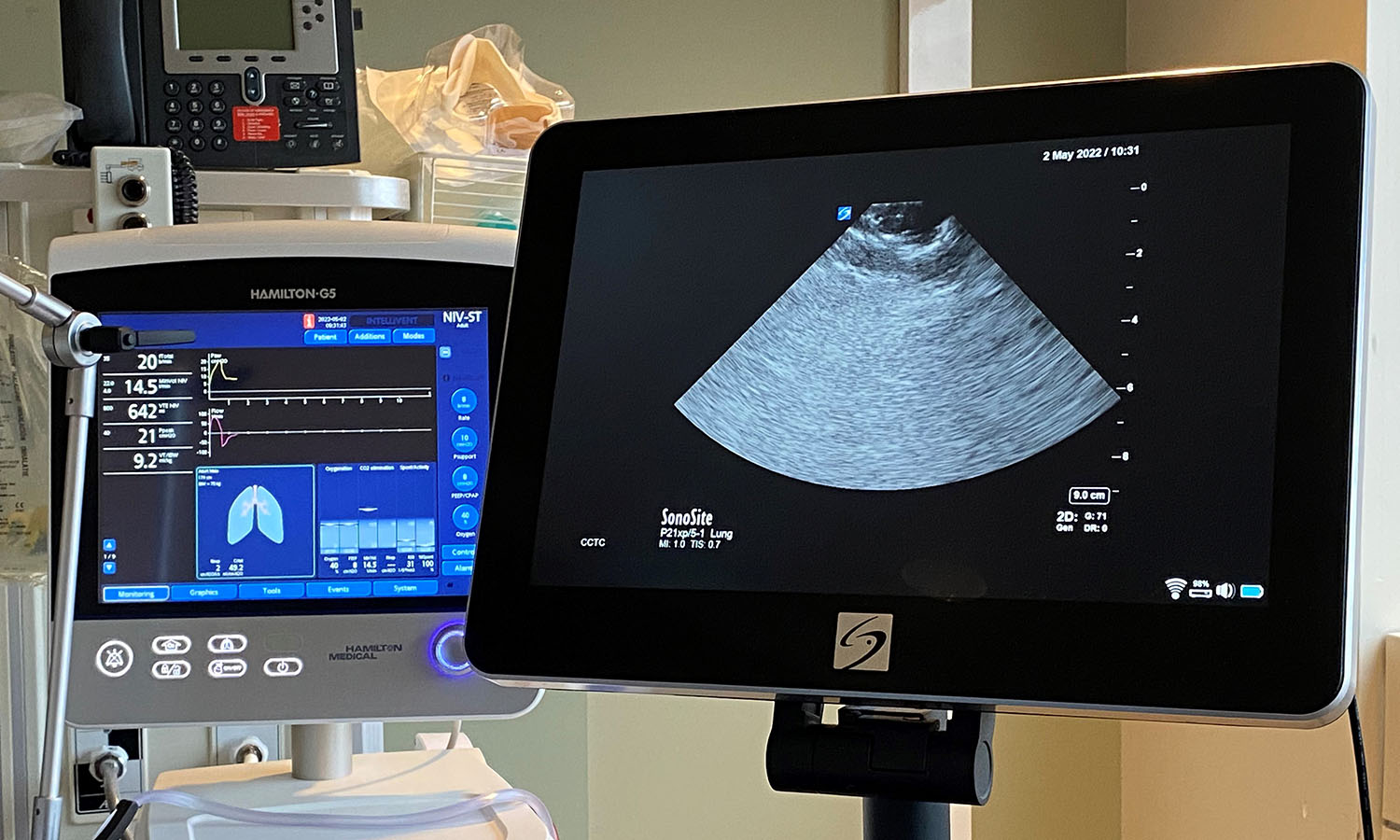
A team at Lawson is testing a new form of artificial intelligence (AI), paired with portable ultrasound machines, to image and identify lung concerns in real time, right at the beside of critically ill patients. Approximately 100 critical care patients at LHSC will be part of this study. Read more.
New tool shows promise in helping people manage traumatic brain injuries one pace at a time
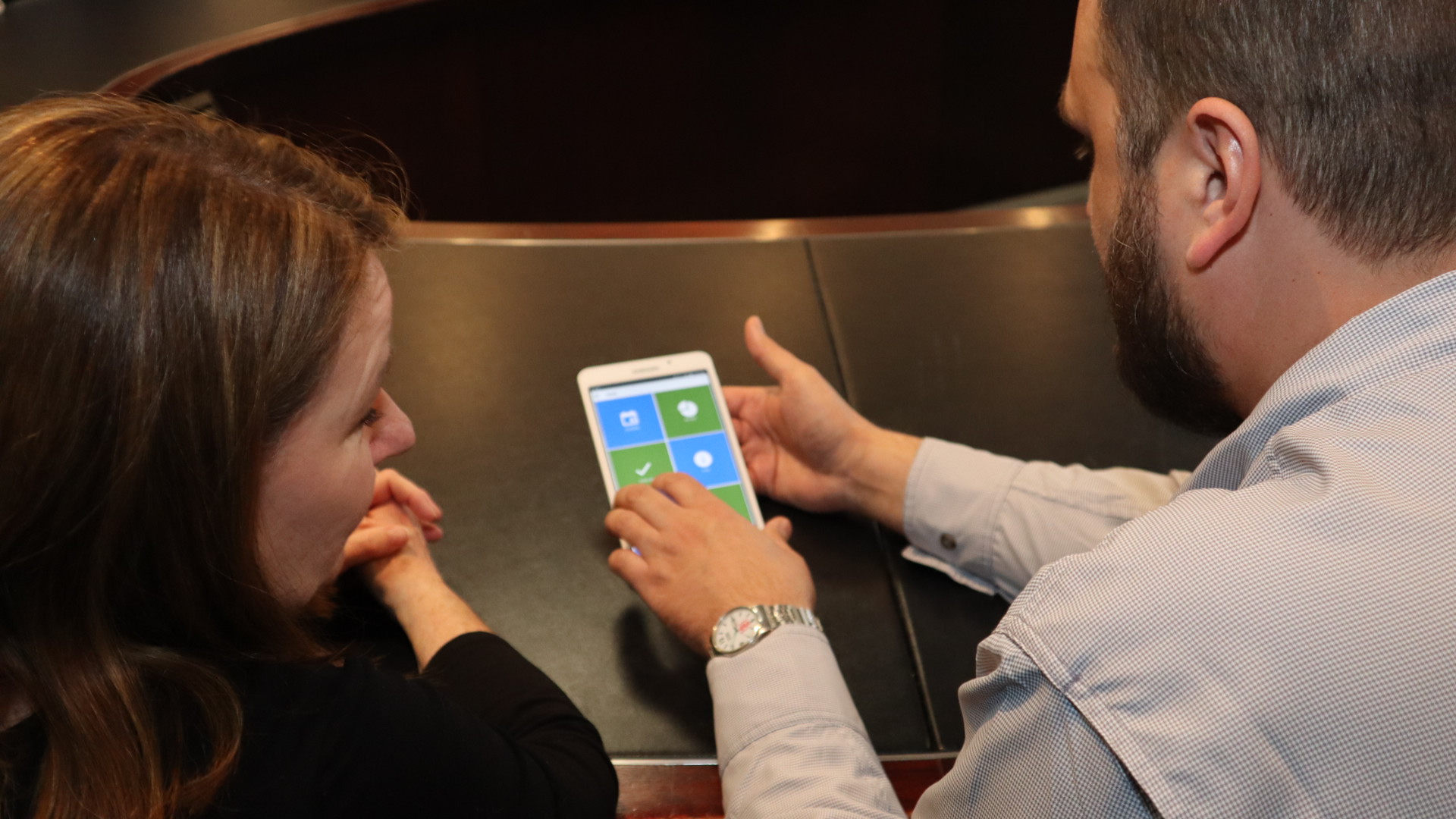
A team at Lawson has developed a new app called MyBrainPacer™ which aims to better assist and treat those living with mild traumatic brain injuries (mTBI), including concussions. mTBI may come with lasting effects that can alter a person’s life. Although a person with a mTBI may appear fine on the outside, many have to pace their day-to-day activities in order to allow the time needed for the brain to properly heal. Much like point tracking used by dieters to monitor food choices, through MyBrainPacer™ App, users can assign values to tasks like driving, grocery shopping, screen use and exercise so they can plan and pace their daily activity. Read more.
Study shows a decline in Veterans' mental health throughout the pandemic

When it comes to mental health conditions, Veterans are an at-risk population, often having higher rates of depression and post-traumatic stress disorder (PTSD). When the COVID-19 pandemic hit, scientists at Lawson wanted to understand its effects on this already at-risk population. They found that more than half of Canadian Veterans reported a decline in their mental health. Read more.
Growing evidence that PSMA imaging improves prostate cancer detection
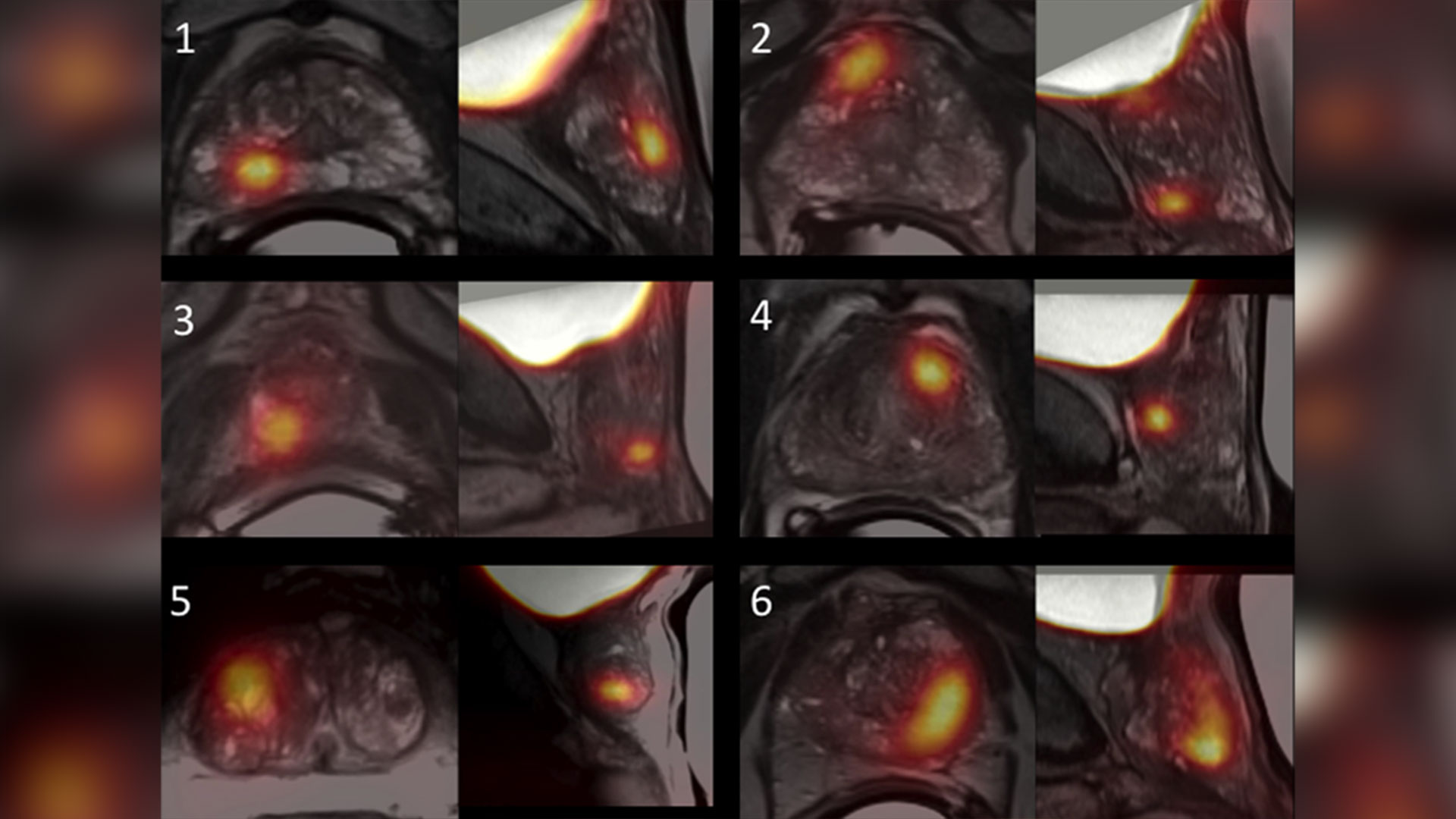
Scientists at Lawson are leading the way in using specialized imaging to detect prostate cancer – the fifth leading cause of cancer death in men around the world. Early evidence indicates that PSMA PET scans have changed how prostate cancer is being treated, but more work is underway to understand the impact of those treatment changes. Read more.
Leveraging virtual reality to manage pain in paediatric patients
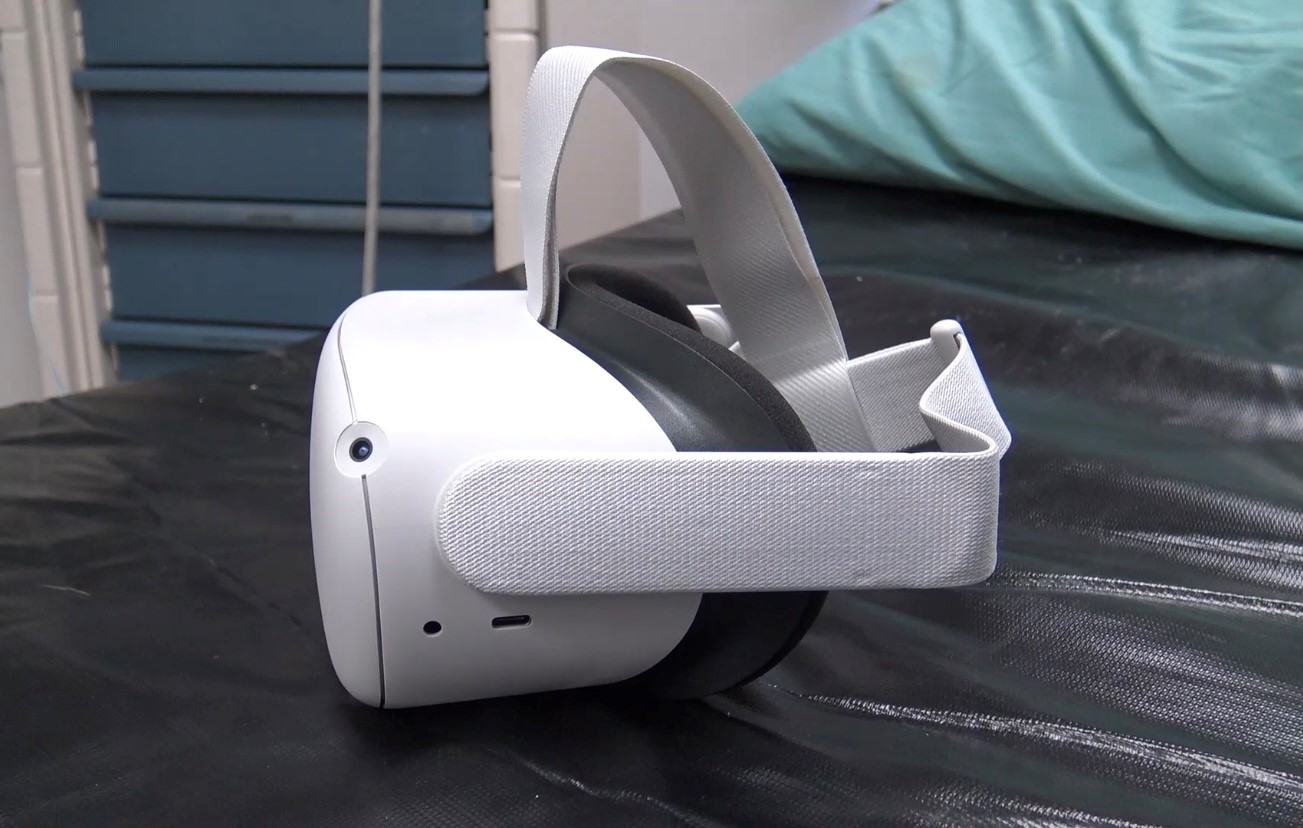
A study underway through Lawson and Children’s Hospital at LHSC is using virtual reality (VR) to help paediatric patients during painful and distressing procedures. The study is focusing on paediatric patients who need port access. A port is a little reservoir that sits underneath the skin that allows access to blood or medication with the use of a needle. Ports are most commonly used in paediatric cancer patients. Read more.
Team players: FMT and microbiome research could have widespread impact
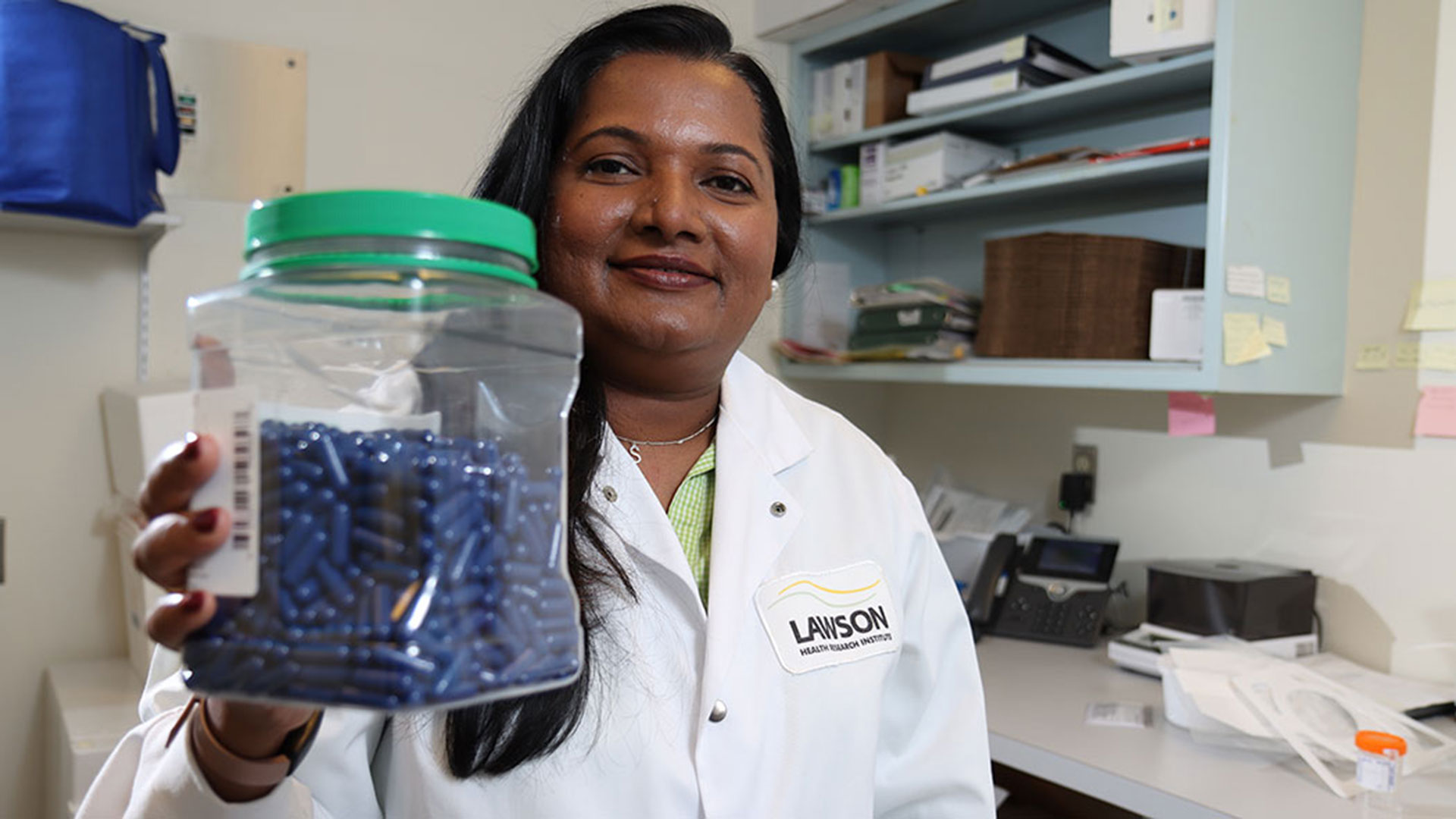
There is still much to learn about the human microbiome and its role in fighting disease, but ongoing studies at Lawson, including a focus on fecal microbial transplants (FMT), are making strides in harnessing this complex system. FMT is being studied in connection with conditions as varied as non-alcoholic fatty liver disease, rheumatoid arthritis, atherosclerosis, HIV, cancer and multiple sclerosis. Read more.
London researchers adapt MRI technology to image salt within the kidneys
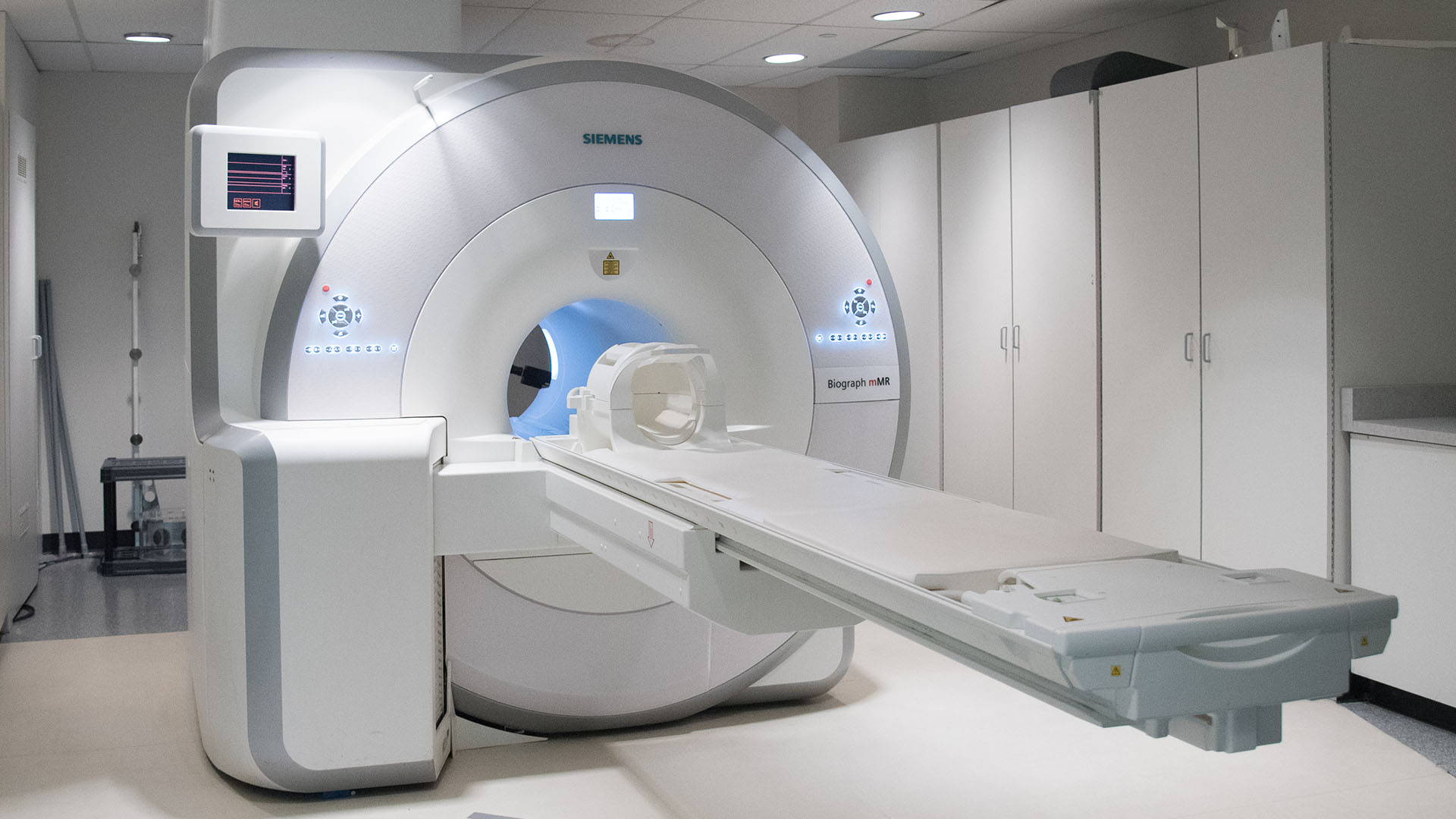
Scientists at Lawson have adapted PET/MRI technology to accurately image salt within the kidneys of patients with kidney disease. Imaging salt within the kidneys has never been accurately accomplished in patients with kidney disease, but Dr. McIntyre and his team developed new technology and software that was adaptable to a PET/MRI machine at St. Joseph’s. Read more.
London researchers discover novel method to diagnose long COVID
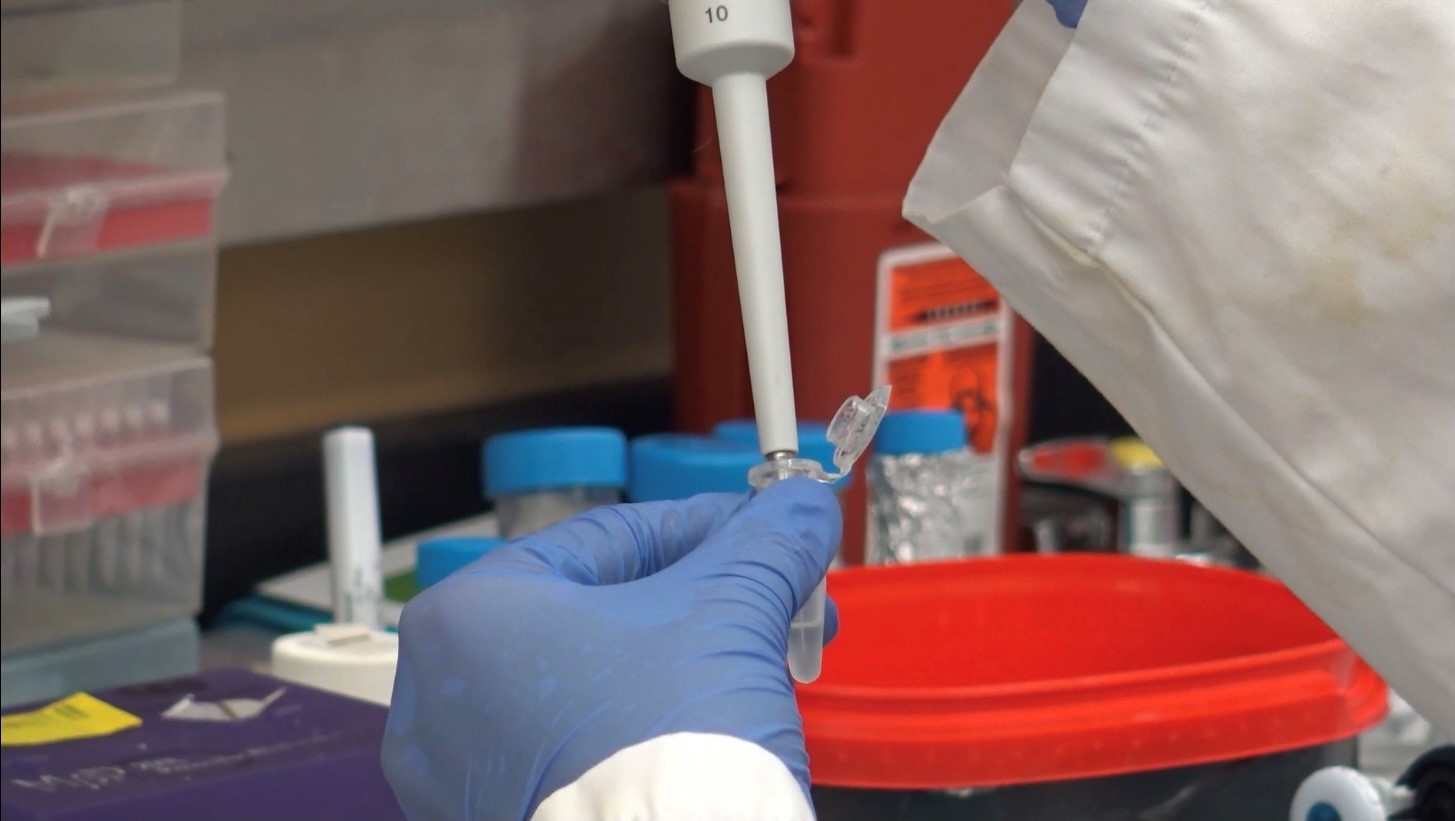
Published in Molecular Medicine, researchers at Lawson have found that patients with post-COVID-19 condition (long COVID) have unique biomarkers in their blood. The team is now working on developing a first of its kind blood test that could be used to diagnose long COVID. The discovery could also lead to new therapeutics for this condition. Read more.
Largest trial ever done in hemodialysis care examines optimal dialysis temperature
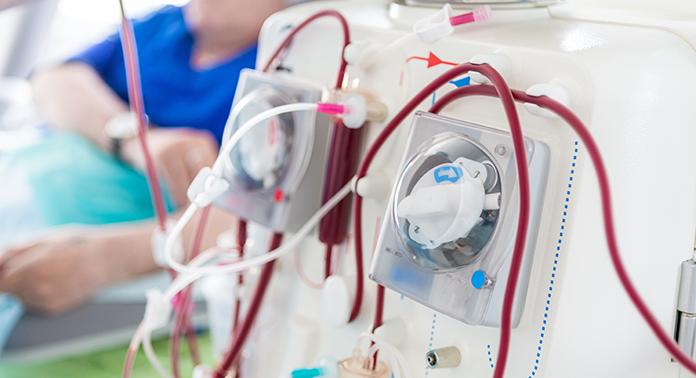
Published in the Lancet findings from a large clinical trial through Lawson, ICES Western and Western University suggest that lowering dialysis temperatures does not lead to improved patient outcomes, despite previous studies suggesting otherwise. Read more.
To learn more about Lawson research studies, please visit our News and Media page
Media Contact
Celine Zadorsky
Senior Media Relations Consultant
Communications & Public Engagement
T: 519-685-8500 ext. 73502
Celine.zadorsky@lhsc.on.ca
… is commonly used to manage several types of chronic nerve pain. o Lidocaine ▪ A local anesthetic that is commonly used in topical form to manage nerve pain from shingles infection. o Ketoprofen ▪ A non-steroidal … anti-inflammatory (NSAID) that is used to reduce pain by reducing inflammation. • This topical product is …
CARING FOR THE BODY, MIND & SPIRIT SINCE 1869 Renowned for compassionate care, St. Joseph's is one of the best academic health care organizations in Canada dedicated to helping people live to their fullest by minimizing the effects of injury, disease and disability through excellence in care, teachi...
… used as a topical product to treat certain types of nerve pain that have not responded to other pain management approaches. • The most common pain condition for which topical ketamine is used in our … used as a topical product to treat certain types of nerve pain that have not responded to other pain management …
~ 11 l'TU I j 3 FTUs per arm I I t- 1 U~ for :-:,;:ic:k - nd b " I 1 cl IJ per haool 16 FTUs per leg I t 12 FTl.ls l?"r:foct l CARING FOR THE BODY, MIND & SPIRIT SINCE 1869 Renowned for compassionate care, St. Joseph's is one of the best academic health care organizations in Canada dedicated to help...
… • To prevent migraine headaches, treat nerve related pain or control certain types of seizures in patients with … of topiramate dosing schedules: • Topiramate is NOT a "pain killer" to be taken whenever pain becomes severe or for managing minor aches and pains. …
June 16, 2020; Page 1 of 3 Topiramate (Topamax) Why is this medication prescribed? To prevent migraine headaches, treat nerve related pain or control certain types of seizures in patients with epilepsy. How should this medication be used? Topiramate is available as: o a tablet in the following str...
… • This medication is used to relieve moderate to severe pain. • Tramadol is an atypical opioid medication because it … o Tramadol binds with certain opioid receptors to block pain signals from reaching the brain. This action is similar … this medication start to work? • You should notice some pain relief within 1-2 hours of taking this medication …
June 16, 2020; Page 1 of 3 Tramadol Extended Release (Tridural, Ralivia, Durela, Zytram XL) Why is this medication prescribed? This medication is used to relieve moderate to severe pain. Tramadol is an atypical opioid medication because it has a unique mechanism of action: o Tramadol binds with ce...
… • This medication is used to relieve moderate to severe pain. • Tramadol is an atypical opioid medication because it … o Tramadol binds with certain opioid receptors to block pain signals from reaching the brain. This is similar to … or 2 tablets (= 100 mg) every 4 or 6 hours as needed for pain relief o Some patients find that starting slowly at …
June 16, 2020; Page 1 of 3 Tramadol Immediate Release (Ultram) Why is this medication prescribed? This medication is used to relieve moderate to severe pain. Tramadol is an atypical opioid medication because it has a unique mechanism of action: o Tramadol binds with certain opioid receptors to blo...
… • This medication is used to relieve moderate to severe pain. • It consists of 2 different drugs: tramadol and … o Tramadol binds with certain opioid receptors to block pain signals from reaching the brain. This is similar to … medication and when combined with tramadol, increases the pain relief response. How should this medication be used? • …
June 16, 2020; Page 1 of 3 Tramadol-Acetaminophen (Tramacet) Why is this medication prescribed? This medication is used to relieve moderate to severe pain. It consists of 2 different drugs: tramadol and acetaminophen (Tylenol). Tramadol is an atypical opioid medication because it has a unique mec...
… disorder □ Orthopedic (scoliosis, hip dislocation, etc) □ Pain □ Osteoporosis □ Spasticity □ Skin breakdown □ Mood … disorder □ Orthopedic (scoliosis, hip dislocation, etc) □ Pain □ Osteoporosis □ Spasticity □ Skin breakdown □ Mood …
S!JOSEPHs HEALTH CARE LONDON I I I I I I Outpatient Transitional and Lifelong Care (TLC) Program Referral Parkwood Institute 500 Wellington Rd. London, On. N6C 0A7 Phone: 519-685-4292 X 44579 DATE OF REFERRAL:_________________ Fax: 519-685-4075 Patient Name: Referring Physician: DOB (YY/MM/DD): Phon...
… Other supplies: first aid kit, sunscreen, insect repellent, pain medication, anti-nausea and anti-diarrhea pills, … Other supplies: first aid kit, sunscreen, insect repellent, pain medication, anti-nausea and anti-diarrhea pills, …
Travel with an Insulin Pump Tips: Carry everything that you need on board the airplane. See list on the next page. Additional items may also be packed in checked luggage, but all insulin and test strips should be carried with you as it may be exposed to extreme temperatures in transit. Write down yo...
… insurance, first aid kit, sunscreen, insect repellent, pain medication, anti-nausea and anti-diarrhea pills, … insurance, first aid kit, sunscreen, insect repellent, pain medication, anti-nausea and anti-diarrhea pills, …
Travel with an insulin pump Carry everything that you need on board the airplane. See list on reverse. Additional items may also be packed in checked luggage, but all insulin should be carried with you because it may be exposed to extreme temperatures in transit. Write down your current basal rates ...
… (type 1 diabetes) • Anti-nausea and anti-diarrhea pills • Pain medication • Glucagon kit (if taking insulin) • Travel … (type 1 diabetes) • Anti-nausea and anti-diarrhea pills • Pain medication • Glucagon kit (if taking insulin) • Travel …
Packing for your Trip CARRY ON Double the supply of insulin or pills for diabetes that you will need Double the number of syringes and needle tips, plus an extra insulin pen if needed, or pump infusion sets Blood glucose monitoring supplies Fast-acting sugar to treat low blood glucose Extra foo...
Unlocking boundless potential
Ashmeet Gill had her first PET/CT scan shortly after being diagnosed with Hodgkin’s lymphoma, a cancer of the body’s germ-fighting immune system. She was nervous. Claustrophobia is an issue for the young Stratford resident and the scan, necessary to determine if the cancer had spread beyond the lymph nodes in her neck, would take 34 to 45 minutes, she was told.
Wrapped in a sheet and tucked inside the tube of the PET/CT at St. Joseph’s Health Care London (St. Joseph’s), Ashmeet, then 24, steeled herself to remain calm. But near the end of the scan, a sense of panic set in.
“It was not pleasant but I endured it. I made it through.”
Ashmeet’s next PET/CT scan would be six months later, after six cycles of chemotherapy, to determine if the treatment had worked. She was terrified of another panic episode. By then, however, St. Joseph’s had a brand-new PET/CT – Canada’s first, next generation, state-of-the-art Omni Legend PET/CT from GE HealthCare.
This time, Ashmeet’s scan took “barely 15 minutes or so,” she recalled.
“I thought, seriously? I couldn’t believe I was done. I was so happy.”
With the very first patients scanned with St. Joseph’s new PET/CT machine, it was obvious the breakthrough technology was living up to high expectations.
The machine is fast – decreasing the time it took for a scan from about 45 minutes on the older system to less than 14 – head to toe. Patients are exposed to less radiation, and the ability to precisely detect disease and tiny abnormalities is outstanding.
“This is what we have been waiting for,” says Ting-Yim Lee, a pioneer in the use of machines like PET/CT to gather new, vital information about diseases. “St. Joseph’s new Omni Legend by GE HealthCare is answering the call for patients, clinicians and researchers alike.”
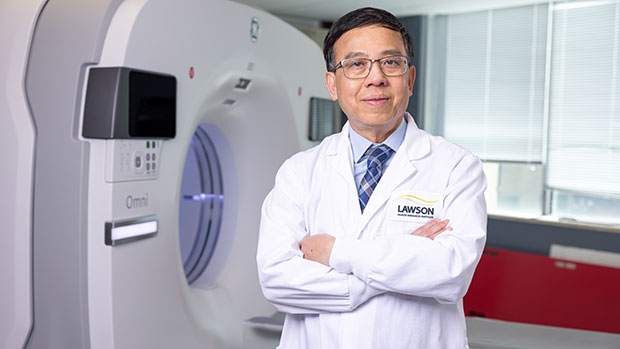
PET/CT is the medical ace in imaging for the assessment and treatment monitoring of cancer, neurodegenerative disorders, and metabolic and cardiovascular diseases. At St. Joseph’s, the possibilities of this technology took a giant leap forward in August 2023, thanks in part to the generosity of donors and a $1 million contribution from St. Joseph’s Health Care Foundation. With the arrival of the new system, St. Joseph’s is set to become Canada’s first national GE HealthCare centre of excellence in molecular imaging and theranostics. This two-pronged approach to diagnosing and treating cancers and other diseases merges molecular imaging with the use of radiopharmaceuticals to identify the location and extent of diseased tissues and selectively destroy the abnormal cells.
“The speed at which we can now do exams means significantly improved comfort for patients while the exceptional image quality changes the game in the hunt for cancerous lesions,” explains Ting, Director of PET/CT Research at Lawson Health Research Institute (Lawson) and medical physicist at St. Joseph’s Hospital.
“For young adults undergoing repeat PET/CT exams due to their medical conditions, managing the radiation dose is critical,” explains Dr. Narinder Paul, Lawson scientist and Chief, Medical Imaging, at St. Joseph’s. “These individuals already face an elevated life-time risk of developing cancer from radiation, and this risk further increases with additional exposures.”
For older adults, the time it takes for the examination is also of great concern. Lying still for long periods can be a hardship due to pain from bone metastases or other conditions, and is a challenge for those who have dementia, are claustrophobic or experiencing other issues, adds Dr. Paul.
“Reducing the exam time is a huge improvement in the patient experience for these individuals.”
While patients hail the new PET/CT experience, clinicians and scientists are raving about the machine’s imaging prowess. The advanced AI-driven image formation technology now empowers the precise detection of cancer within lymph nodes and other anatomical structures, “achieving remarkable accuracy even for very small lesions,” says Dr. Paul.
“The advantages we have seen so far are already impressive but what’s on the horizon in research and care – what we will be able to study and do – is even more exciting,” says Ting.
In particular, the new PET/CT is expected to be the catalyst for ground-breaking clinical research for patients facing breast cancer, Alzheimer’s disease, prostate cancer, epilepsy and obesity. Scientific exploration in these areas is currently being planned at St. Joseph’s that will pave the way for novel treatments, new, non-invasive ways to identify a patient’s risk of disease, the potential to clearly and painlessly view how treatment is working, and the ability to uncover the tiniest abnormalities at play when it comes to diseases and conditions.
The deets on PET-CT
Positron emission tomography (PET) is a medical imaging method that uses a small amount of radioactive material, called a radiotracer or radiopharmaceutical, along with a special camera and computer. This helps doctors see how organs and tissues in the body are working. The radiotracer moves through the body and collects in specific areas, showing where there might be a problem or disease. PET can also be used to check how well a patient is responding to treatment.
A computed tomography (CT) scan takes x-ray images of the body from different angles and uses computer processing to create highly detailed, cross-sectional images (slices) of the body’s structures. It is used to see things that regular X-rays can’t show.
A PET-CT machine allows both types of scans to be performed at the same time and information from these two different types of scans to be viewed on a single set of images. Together, PET-CT provides intricate views with fine details about both the body’s various structures and their functions.
Peering into the future
The following are landmark research projects nearing the starting gate at Lawson Health Research Institute made possible by St. Joseph’s Health Care London’s revolutionary new PET-CT machine.
Breast Cancer
Within the Breast Care Program at St. Joseph’s, research with the new PET-CT scanner will make breast cancer theranostics a clinical reality for the first time worldwide. In other words, it will be possible to treat breast cancer using the powerful, one-two punch of molecular imaging and radiopharmaceuticals to identify the location and extent of diseased tissues and selectively destroy the abnormal cells. Two exciting projects are on the horizon:
The one-two punch: Herceptin is a cancer medicine that interferes with the growth and spread of cancer cells in the body. HER2-positive breast cancer is a type of breast cancer that is more aggressive than other types. By using PET-CT imaging with a specialized form of Herceptin that has been chemically tagged, or "labeled," with a radioactive substance, researchers believe it’s possible for a woman to avoid undergoing a breast biopsy. They will be able to see – literally – if the radiolabeled Herceptin binds to the HER2 proteins and the extent of the HER2-positive cancer. Then, by tagging Herceptin with a therapeutic radioisotope – a special type of atom that emits radiation – the hope is to destroy the breast cancer. St. Joseph’s is investigating this approach first in animal studies before progressing into human trials.
Reducing the risk: Not all breast cancers can be effectively treated with Herceptin. For this group of patients, researchers plan to evaluate newer drugs to reduce the risk of both disease progression and death. The new PET-CT scanner will be able to monitor response from these new treatments.
Alzheimer's disease
The super sensitivity of St. Joseph’s new PET-CT will empower innovative methods to identify individuals at risk of Alzheimer’s disease, those who might benefit from treatment, and early response to treatment. The high-powered machine will allow researchers to simultaneously study both blood flow and glucose metabolism in the brain – something that has not been possible before. Both these mechanisms are believed to be contributing factors in the onset of Alzheimer’s. By measuring both at the same time, researchers hope to uncover early signs that the brain is in trouble and at risk of plaque deposits and toxic proteins that have been linked to the development of Alzheimer’s. Patients will be recruited from St. Joseph’s Aging Brain and Memory Clinic at Parkwood Institute for this ground-breaking study.
Epilepsy
Patients with uncontrolled seizures currently require a hospital stay and the implanting of electrodes deep into the brain to record brain signals that pinpoint where the epileptic seizures are originating. The hospital stay is often long as this method relies on the patient having seizures to properly record and identify the location in the brain responsible. Once the problem area is determined, surgeons intricately remove this part of the brain. Research with the new PET-CT will explore a more efficient approach – the ability to precisely reveal the brain’s seizure epicentre using non-invasive imaging looking at characteristics in the epileptic brain that is present between seizures.
Obesity
In Canada, one in four adults are currently living with obesity, a problem that is causing a surge of obesity-related health challenges. Ozempic is a ground-breaking drug that not only helps people shed weight but also slashes the risk of heart disease by an impressive 20 per cent. However, weight loss attributed to this drug is linked to a reduction in lean muscle mass and the long term effects of that muscle loss remain uncertain. Using PET-CT, researchers will explore potential alterations in muscle energy metabolism resulting from obesity treatment with Ozempic and similar drugs.
… patients, negative words were associated with higher pain scores and higher levels of the stress hormone cortisol … with no words or positive words.27 Research has linked pain- related words to activating brain networks similar to … venipuncture reported experi- encing significantly more pain when hearing negative words such as beware or sting.29 …
Use of Language in Diabetes Dickinson et al 551 Jane K. Dickinson, RN, PhD, CDE Susan J. Guzman, PhD Melinda D. Maryniuk, MEd, RD, CDE Catherine A. OBrian, PhD Jane K. Kadohiro, DrPH, APRN, CDE, FAADE Richard A. Jackson, MD Nancy DHondt, RPh, CDE, FAADE Brenda Montgomery, RN, MSHS, CDE Kelly L. Clos...
… serotonin, that help to lessen the intensity of incoming pain signals. • Venlafaxine treats pain from damaged nerves. It is sometimes used to treat … o Week 4: take 150 mg once daily • Venlafaxine is NOT a "pain killer" to be taken whenever pain becomes severe or for …
June 16, 2020; Page 1 of 3 Venlafaxine XR (Effexor) Why is this medication prescribed? Venlafaxine works by increasing the brain levels of 2 chemical messengers, norepinephrine and serotonin, that help to lessen the intensity of incoming pain signals. Venlafaxine treats pain from damaged nerves. I...
View St. Joseph’s Health Care London's 2016-2017 Annual Report
St. Joseph’s Health Care London’s 2016-2017 Annual Report features stories of care, recovery, discovery, teaching and resiliency – of care teams, patients, residents, and their families.
Included in the 2016-2017 Annual Report are the following research stories:
- New imaging research chairs make history: In a historical-first, St. Joseph’s Health Care Foundation and Western University announced two research chairs to advance imaging research at Western University and Lawson Health Research Institute. The research chairs have been named after the two scientists who are revolutionizing health care through their groundbreaking imaging research – Drs. Ting-Yim Lee and Frank Prato.
- A world-first approach to dementia: Researchers at Lawson Health Research Institute are the first in the world conducting a clinical trial to test a triple intervention aimed at treating mild cognitive impairment (MCI) and delaying the onset of dementia. The Mobility, Exercise and Cognition (MEC) team will be incorporating physical exercises, cognitive training and vitamin D supplementation to determine the best treatment for improving mobility and cognition.
- First clinical guidelines in Canada for pain following spinal cord injury: Researchers at Lawson Health Research Institute are the first in Canada to develop clinical practice guidelines that address the unique challenges for managing pain during recovery and rehabilitation from spinal cord injury.
- CAHO HWS field trip to Lawson: The Council of Academic Hospitals of Ontario (CAHO) toured the labs of Lawson Health Research Institute to encourage stable investment in hospital-based research and showcase the groundbreaking work underway at St. Joseph’s and London Health Sciences Centre.
- iSee Vision Screening Research Program: iSee, an innovative vision screening research program of St. Joseph’s Ivey Eye Institute is catching problems early for children ages 18 months to five years. The screening, which takes only seconds, detects amblyopia (lazy eye) and other eye conditions that can cause poor vision
… Provide health teaching in wound care, medications, pain, sleep, nutrition, and other health issues Provide a … Provide health teaching in wound care, medications, pain, sleep, nutrition, and other health issues Provide a …
Geriatric Rehabilitation Day Hospital Providing outpatient rehabilitation for frail older adults Day Hospital Contact Parkwood Institute CARING FOR THE BODY, MIND & SPIRIT SINCE 1869 Location Hours: 8 am - 4 pm Monday to Friday Location: Parkwood Institute Main Building Day Hospital 550 Wellington R...