


Search
Search
719 Search Results:
… with multiple health conditions, people living with complex rehabilitation needs of all kinds – it is not enough to … of specialized ambulatory care and complex recovery and rehabilitation. Strategic Priorities INNOVATING AND BUILDING … with multiple health conditions, people living with complex rehabilitation needs of all kinds – it is not enough to …
sjhc.london.on.ca 2018-2021 Strategic Plan Reaching Out Connecting Care Innovating Together Contents Board Chair and CEO Message Background Mission, Vision, Values Strategic Priorities Reaching Out Connecting Care Innovating Together Leveraging Technology Empowering People Key Principles Uncom...
… Parkwood Hospital Driver Assessment and Rehabilitation Program 801 Commissioners Road East London, … warning signs, you may need a driver evaluation. A driver rehabilitation specialist can provide a comprehensive … Parkwood Hospital Driver Assessment and Rehabilitation Program 801 Commissioners Road East London, …
Parkwood Hospital Driver Assessment and Rehabilitation Program 801 Commissioners Road East London, Ontario N6C 5J1 Phone: (519) 685-4070 Fax: (519) 685-4576 DRIVING AFTER A STROKE Driving is viewed not just as a 'privilege' but also as a necessity. When a stroke occurs it can affect the skills neces...
… in complex continuing care facilities. (Statistics Canada) Rehabilitation helps stroke survivors – whether they are … Canada) Research Research at Parkwood Institute into stroke rehabilitation is having a tremendous influence on stroke care nationally and internationally. Stroke Rehabilitation Evidence-Based Review With over 4,000 …
Cognitive Vitality and Brain Health: Stroke/Neurological In 2009, about 315,000 (1.1%) of Canadians living in the community reported they suffer from the effects of a stroke. This estimate excludes people living in institutions, and it is known that many stroke survivors who require rehabilitative c...
… Program Masters of Clinical Science Third Age Outreach Rehabilitation Adult Ambulatory Masters Public Health … Stroke and Rehab Paramedic Comprehensive Outpatient Rehabilitation Program Patient Support Worker Core Lab … 1 London ACT 2 London ACT 3 Marian Villa Neurobehavioral Rehabilitation Centre NRC Nuclear Medicine OHSS Operational …
Student Placement Information Student Placement Details School Information Academic Institution Academic Program Level Placement Site St. Joseph's Progam Name Location/Unit St. Joseph's Supervisor Student FIRST Name Student LAST Name Student MIDDLE Initital Is the Student OR CI an EMPLOYEE? (ONLY ne...
Study shows fewer higher-dose radiation treatments safe and well tolerated by women with uterine cancer
MEDIA RELEASE
FOR IMMEDIATE RELEASE
Sunnybrook Health Sciences Centre and Lawson Health Research Institute
April 14, 2022
LONDON,ON - Five high-dose radiation treatments targeting uterine cancer rather than the current standard 25 treatments are safe and well-tolerated by patients, a new study published in JAMA Oncology has found.
SPARTACUS (Stereotactic Pelvic Adjuvant Radiation Therapy in Cancers of the Uterus) — a multi-institutional non-randomized controlled trial — looked to assess the feasibility and safety of using a specialized technique called stereotactic body radiation therapy (SBRT) for women with uterine cancer where instead of 25 treatments over five weeks, five treatments can be delivered over 1.5 weeks.
SBRT uses many precise beams of radiation to target tumours or cancerous cells. It uses a higher dose of radiation in a smaller number of treatments. It can be done on a standard linear accelerator, the machine that delivers radiation treatments.
Sixty-one women were enrolled in SPARTACUS at two centres — Sunnybrook Health Sciences Centre and the London Regional Cancer Program (LRCP) at London Health Sciences Centre (LHSC).
“Uterine cancer is a common cancer in women, usually treated with surgical removal followed by radiation and/or chemotherapy to reduce the risk of recurrence,” said Dr. Eric Leung, radiation oncologist at Sunnybrook’s Odette Cancer Centre. “External beam radiation is usually given over five weeks, and that can place a heavy burden on women who have to travel to a radiation centre every day, spend time away from home and work, and incur the financial burden of these factors as well.”
With a median follow-up of nine months, the patients enrolled in SPARTACUS reported an acceptable level of side effects from the radiation that resolved, and also reported a reasonable quality of life during treatment, Dr. Leung said.
“We were interested in examining the toxicity of the higher dose – would it affect the nearby bowels or bladder and place a heavy symptom burden on patients? We were pleased to find that patients reported their symptoms as manageable.”
“This study represents a novel way of treating uterine cancer in a shorter time. It was conducted mainly through the COVID pandemic and gave women a chance to receive treatment in less time with fewer visits to our centres,” said Dr. David D’Souza, radiation oncologist at LHSC and the study co-lead through Lawson Health Research Institute.
Patients will continue to be followed on the study for late side effects and further research is planned to further compare this more convenient schedule to the standard five-week course of radiation.
“This novel treatment could lead to a practice change that places less burden on patients and on the healthcare system,” Dr. Leung said. “Delivering radiation over the course of a week and half rather than over five weeks for patients facing uterine cancer would open up healthcare resources by reducing visits and usage of the linear accelerators.”
-30-
ADDIONAL QUOTES – Dr. David D’Souza:
“Giving radiation in a shorter time can have several advantages for both the patient and the health care system."
“Our study assessed the safety of delivering a higher dose of radiation in fewer treatments for patients with uterine cancer by adapting what has successfully been done for other types of cancer in the pelvis like prostate and rectal cancer.”
“This study was made possible with advances in treatment planning, radiation machine capabilities, and an outstanding radiation therapy program at LRCP.”
ABOUT LAWSON HEALTH RESEARCH INSTITUTE
Lawson Health Research Institute is one of Canada’s top hospital-based research institutes, tackling the most pressing challenges in health care. As the research institute of London Health Sciences Centre and St. Joseph’s Health Care London, our innovation happens where care is delivered. Lawson research teams are at the leading-edge of science with the goal of improving health and the delivery of care for patients. Working in partnership with Western University, our researchers are encouraged to pursue their curiosity, collaborate often and share their discoveries widely. Research conducted through Lawson makes a difference in the lives of patients, families and communities around the world. To learn more, visit www.lawsonresearch.ca.
ABOUT SUNNYBROOK HEALTH SCIENCES CENTRE
Sunnybrook Health Sciences Centre is inventing the future of health care for the 1.2 million patients the hospital cares for each year through the dedication of its more than 10,000 staff and volunteers. An internationally recognized leader in research and education and a full affiliation with the University of Toronto distinguishes Sunnybrook as one of Canada’s premier academic health sciences centres. Sunnybrook specializes in caring for high-risk pregnancies, critically-ill newborns and adults, offering specialized rehabilitation and treating and preventing cancer, cardiovascular disease, neurological and psychiatric disorders, orthopaedic and arthritic conditions and traumatic injuries. The Hospital also has a unique and national leading program for the care of Canada’s war veterans.
Media Contacts:
Celine Zadorsky
Communications & External Relations
Lawson Health Research Institute
T: 519-685-8500 ext. 75664
C: 519-619-3872
@email
Sunnybrook Health Sciences Centre
Communications & Stakeholder Relations
416-480-4040
Media Contacts
Celine Zadorsky
Senior Media Relations Consultant
Communications & Public Engagement
T: 519-685-8500 ext. 73502
Celine.zadorsky@lhsc.on.ca
… Care London Shoulder Arthroplasty Bundled Care Post-Acute Rehabilitation Discharge Summary Form Patient’s First Name: … Care London Shoulder Arthroplasty Bundled Care Post-Acute Rehabilitation Discharge Summary Form Patients First Name: … Care London Shoulder Arthroplasty Bundled Care Post-Acute Rehabilitation Discharge Summary Form Patient’s First Name: …
St. Josephs Health Care London Shoulder Arthroplasty Bundled Care Post-Acute Rehabilitation Discharge Summary Form Patients First Name: Patients Last Name: Date of Birth (DD/MM/YYYY): OHIP #: V/C: Address: City/Town: Province: Postal Code: Email Address: Name of Provider: Ministry #: Address: City/T...
Supporting a rapid research response during the pandemic
LONDON, ON – Hospital-based research is uniquely positioned to tackle the unprecedented COVID-19 challenge and quickly translate results into illness prevention and care for patients. Lawson Health Research Institute, the research institute of London Health Sciences Centre (LHSC) and St. Joseph’s Health Care London, has awarded more than $202,000 to its research teams to support critical discoveries during the pandemic.
Over 14 projects ranging from improved diagnostics to understanding the impact of the COVID-19 pandemic on frontline health-care workers have been funded through Lawson’s Internal Research Fund (IRF) COVID-19 Pandemic Response Competition.
“Lawson researchers are an intrinsic part of health care in London. Our research community has mobilized quickly to the COVID-19 pandemic and has come forth with innovative ideas to prevent infections, aid recovery and reduce the likelihood of mortality in those most seriously affected,” says Dr. David Hill, Scientific Director for Lawson. “Lawson has reallocated internal granting resources to enable some of the most exciting and credible ideas to be explored.”
Launched in March, this rapid response competition was focused on funding projects, such as two described below, that could impact the management of the pandemic and enhance our understanding of the novel coronavirus.
Using genetic therapy to block entry of the virus
Progression of COVID-19 depends on human proteins that the virus uses to escort itself into lung cells to cause disease. “There are three such ‘virus entry’ proteins that are particularly important for infection. We see them as potential targets for drugs to prevent and treat COVID-19,” explains Dr. James Koropatnick, Lawson Scientist and Principal Investigator for one of the funded studies.
There could be dangers in targeting these proteins, particularly for patients taking certain blood pressure-reducing drugs. The team is studying the safe use of a new type of drug – powerful “antisense” agents that block messenger RNAs which are the biological “blueprints” for the target virus entry proteins – to stop the virus from using those proteins to infect lung cells. They are testing two types of antisense molecules that reduce the amount of the virus entry proteins. “With our existing knowledge and infrastructure in place, this testing could rapidly lead to new, non-vaccine agents to prevent and treat COVID-19, as well as future coronaviruses with pandemic potential,” adds Dr. Koropatnick.
The impact of the pandemic response for those with disabilities
The COVID-19 pandemic has disrupted the daily lives of Canadians, with worsening mental health as people adapt to different stressors. “While many are struggling with this new normal, the degree of disruption resulting from the pandemic presents unique challenges for those with spinal cord injury and brain injury,” says Dr. Eldon Loh, Lawson Associate Scientist also leading one of the funded studies.
Relatively simple tasks such as frequent hand washing can be challenging for those with disability, and they may be more vulnerable to poor outcomes because of the decreased respiratory function many already face. The research team will document and evaluate the effect of the pandemic on the physical and mental health of those with spinal cord and brain injuries. “We plan to use our findings to provide guidance to those living with spinal cord and brain injury, and improve their quality of life during this challenging time. We expect that this study will not only help those with spinal cord and brain injuries, but also people living with other disabilities as well,” notes Dr. Loh. He is also a Physical Medicine and Rehabilitation Specialist at St. Joseph’s.
The IRF competition is supported with funding from clinical departments at LHSC and St. Joseph’s, and from London Health Sciences Foundation and St. Joseph’s Health Care Foundation.
-30-
About Lawson Health Research Institute
Lawson Health Research Institute is one of Canada’s top hospital-based research institutes, tackling the most pressing challenges in health care. As the research institute of London Health Sciences Centre and St. Joseph’s Health Care London, our innovation happens where care is delivered. Lawson research teams are at the leading-edge of science with the goal of improving health and the delivery of care for patients. Working in partnership with Western University, our researchers are encouraged to pursue their curiosity, collaborate often and share their discoveries widely. Research conducted through Lawson makes a difference in the lives of patients, families and communities around the world. To learn more, visit www.lawsonresearch.ca.
Media Contacts
Celine Zadorsky
Senior Media Relations Consultant
Communications & Public Engagement
T: 519-685-8500 ext. 73502
Celine.zadorsky@lhsc.on.ca
Supporting a rapid research response during the pandemic
Hospital-based research is uniquely positioned to tackle the unprecedented COVID-19 challenge and quickly translate results into illness prevention and care for patients. Lawson Health Research Institute, the research institute of London Health Sciences Centre (LHSC) and St. Joseph’s Health Care London, has awarded more than $202,000 to its research teams to support critical discoveries during the pandemic.
Over 14 projects ranging from improved diagnostics to understanding the impact of the COVID-19 pandemic on frontline health-care workers have been funded through Lawson’s Internal Research Fund (IRF) COVID-19 Pandemic Response Competition.
“Lawson researchers are an intrinsic part of health care in London. Our research community has mobilized quickly to the COVID-19 pandemic and has come forth with innovative ideas to prevent infections, aid recovery and reduce the likelihood of mortality in those most seriously affected,” says Dr. David Hill, Scientific Director for Lawson. “Lawson has reallocated internal granting resources to enable some of the most exciting and credible ideas to be explored.”
Launched in March, this rapid response competition was focused on funding projects, such as two described below, that could impact the management of the pandemic and enhance our understanding of the novel coronavirus.
Using genetic therapy to block entry of the virus
Progression of COVID-19 depends on human proteins that the virus uses to escort itself into lung cells to cause disease. “There are three such ‘virus entry’ proteins that are particularly important for infection. We see them as potential targets for drugs to prevent and treat COVID-19,” explains Dr. James Koropatnick, Lawson Scientist and Principal Investigator for one of the funded studies.
There could be dangers in targeting these proteins, particularly for patients taking certain blood pressure-reducing drugs. The team is studying the safe use of a new type of drug – powerful “antisense” agents that block messenger RNAs which are the biological “blueprints” for the target virus entry proteins – to stop the virus from using those proteins to infect lung cells. They are testing two types of antisense molecules that reduce the amount of the virus entry proteins. “With our existing knowledge and infrastructure in place, this testing could rapidly lead to new, non-vaccine agents to prevent and treat COVID-19, as well as future coronaviruses with pandemic potential,” adds Dr. Koropatnick.
The impact of the pandemic response for those with disabilities
The COVID-19 pandemic has disrupted the daily lives of Canadians, with worsening mental health as people adapt to different stressors. “While many are struggling with this new normal, the degree of disruption resulting from the pandemic presents unique challenges for those with spinal cord injury and brain injury,” says Dr. Eldon Loh, Lawson Associate Scientist also leading one of the funded studies.
Relatively simple tasks such as frequent hand washing can be challenging for those with disability, and they may be more vulnerable to poor outcomes because of the decreased respiratory function many already face. The research team will document and evaluate the effect of the pandemic on the physical and mental health of those with spinal cord and brain injuries. “We plan to use our findings to provide guidance to those living with spinal cord and brain injury, and improve their quality of life during this challenging time. We expect that this study will not only help those with spinal cord and brain injuries, but also people living with other disabilities as well,” notes Dr. Loh. He is also a Physical Medicine and Rehabilitation Specialist at St. Joseph’s.
The IRF competition is supported with funding from clinical departments at LHSC and St. Joseph’s, and from London Health Sciences Foundation and St. Joseph’s Health Care Foundation.
Congratulations to all of the researchers and their teams who have been awarded funding:
- Dr. Ian Ball - Predictors of clinical deterioration in hospitalized patients with COVID-19: The CORAL study
- Dr. Doug Fraser - Translational Research Centre: Repository of biological specimens from patients
- Dr. Sean Gill - Rapid identification of therapeutic targets mediating pulmonary microvascular endothelial cell dysfunction in COVID-19 patients
- Dr. Marnin Heisel - Testing Online Meaning-Centered Men’s Groups to Promote Psychological Well-Being and Reduce Despair in the Face of the COVID-19 Pandemic
- Dr. Kimia Honarmand - The impact of the COVID-19 pandemic on frontline healthcare workers: A Southwest Ontario survey
- Dr. Michael Knauer - Improving diagnostic and epidemiologic detection of SARS-CoV-2
- Dr. Jim Koropatnick - Targeting the SARS-CoV-2 receptor with candidate antisense drugs to prevent infection and disease progression
- Dr. Eldon Loh - COVID-19 and Disability: The Impact of a Societal Lockdown on those with Spinal Cord and Brain Injuries
- Dr. Len Luyt - Stapled Peptides as SARS-CoV-2 Fusion Inhibitors
- Dr. Claudio Martin - COVIDOPATHY – An observational study of coagulation abnormalities in patients with COVID-19
- Dr. Tianqing Peng - Developing new ssDNA aptamers targeting S protein receptor binding domain of SARS-CoV-2 to disrupt virus infection cycle as a potential therapy
- Dr. Eva Turley - Hyaluronan signaling through the inflammasome is a target for blunting acute respiratory distress syndrome (ARDS) in COVID-19 patients
- Dr. Ruud Veldhuizen - Next generation exogenous surfactants for COVID-19 and future respiratory pandemics
- Dr. Blayne Welk - Characterizing the burden of surgical care in COVID-19 positive patients
Swati Mehta
Swati Mehta, PhD
Lawson Scientist, Parkwood Institute Research
Key Areas of Focus:
Mobility, Cognitive and Brain Health
Phone:
519-685-4292 ext. 42359
Email:
Website:
Accepting Grad Students:
Yes
About:
Swati Mehta is a Scientist at Parkwood Institute Research and Lawson Research Institute, an Adjunct Assistant Professor in the Department of Physical Medicine and Rehabilitation at Western University and a registered Psychotherapist. Professor Mehta leads the RehabPsych Lab. The aim of the lab is to improve activity engagement and overall wellbeing among those undergoing rehabilitation through online programs including virtual group based physical activity and internet delivered cognitive behavior therapy hosted on the lab’s website.
Professor Mehta has received over 1 million dollars in research funding to date and has authored over 65 peer-reviewed articles. She has been awarded the Lawson Impact Leadership Award in 2016, the Royal Society of Canada Alice Wilson Award in 2017 and the Saskatchewan Health Research Foundation Excellence Award in 2017.

… Health Care London is expanding and advancing mobility and rehabilitation treatment and prevention solutions through … Institute, Southwestern Ontario’s regional provider of rehabilitation health care and a national hub for treatment, … or walk. Paul was fortunate to have access to specialized rehabilitation equipment and expertise of members of St. …
THE GRAY CENTRE FOR MOBILITY AND ACTIVITY Innovating to improve the mobility and activity of people living with disease, disability or injury. WHO WE ARE Established in 2020, The Gray Centre for Mobility and Activity at St. Josephs Health Care London is expanding and advancing mobility and rehabilit...
Tim Doherty
Tim Doherty, MD; PhD
Professor, Schulich School of Medicine and Dentistry
Key Areas of Focus:
Neuromuscular Function
Phone:
519-685-4292, ext. 45062
Email:
Social:
Accepting Grad Students:
Yes
About:
Dr. Tim Doherty is a physiatrist and is the Chair/Chief of the Physical Medicine and Rehabilitation department at Parkwood Institute and a Professor in the Schulich School of Medicine and Dentistry at Western University. Dr. Doherty completed a PhD in kinesiology at Western University in 1993 and residency training in in Physical Medicine and Rehabilitation at McMaster in 2000.
Dr. Doherty is a past President of the Canadian Association of Physical Medicine and Rehabilitation, examiner for the Canadian Society of Clinical Neurophysiology, Associate Scientist at the Lawson Health Research Institute and is a member of the Editorial Boards of Muscle and Nerve, and the Journal of Clinical Neuromuscular Disease. Dr. Doherty is a renowned expert in the study of mobility and pioneered the development of quantitative electromyography (EMG) techniques that have been employed to study aging, motor neuron disease and peripheral neuropathies.
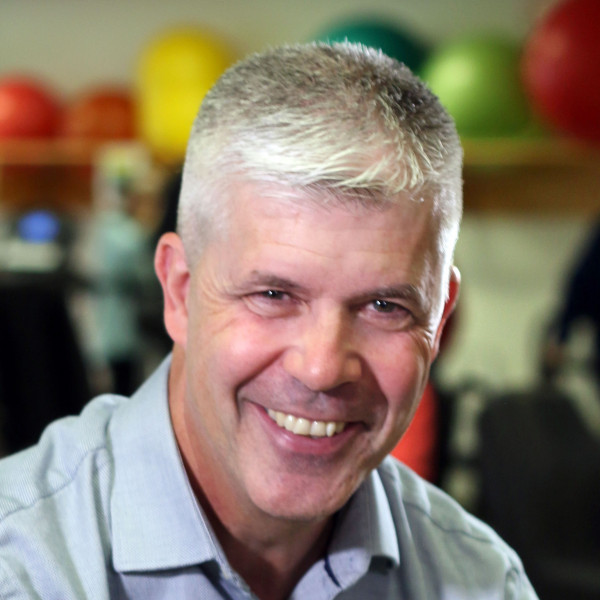
Tom Miller
Tom Miller, MD
Associate Professor, Schulich School of Medicine and Dentistry
Key Areas of Focus:
Neuromuscular Function
Phone:
519-685-4292 ext. 65364
Email:
Accepting Grad Students:
No
About:
Dr. Thomas Miller is a physiatrist at Parkwood Institute and an Associate Professor in the Schulich School of Medicine and Dentistry at Western University in the Department of Physical Medicine and Rehabilitation. Dr. Miller completed his medical degree at Queen’s University in 1989, and then completed subsequent training in physical medicine & rehabilitation at the University of Ottawa and a fellowship in clinical neurophysiology at University of New South Wales in Australia.
Dr. Miller is the Medical Director of the neuromusculoskeletal rehabilitation program at Parkwood Institute, Director of the Electrodiagnostic laboratory, consultant physiatrist with the Hand and Upper Limb Centre. He is also the co-director of the Peripheral Nerve Clinic at Parkwood Institute, a multidisciplinary assessment and treatment program for major nerve injury. Specific areas of academic research include peripheral nerve injury and its rehabilitation, spasticity rehabilitation and the neurophysiological assessment of function and mobility.
Unique imaging research by Lawson sparks international collaboration
The Bioelectromagnetics and Human Threshold Research Group at Lawson Health Research Institute has an international reputation and expertise on human brain response to time-varying magnetic fields (MFs). This pioneering research has inspired an international collaboration to duplicate Lawson Imaging’s unique experimental expertise in Europe.
The team is now working with EuroMov, a research centre located in France, to duplicate the scientific approach and techniques in a new lab. The goal is to double research capabilities and further stimulate scientific knowledge in this area.
Fluctuating MF induces electric fields and currents in conductive tissues. Above a certain threshold, these fields and currents will change the physiological electric activity within neuronal tissues. Lawson’s team is currently the only one in the world stimulating participants with power-frequency MF of sufficient intensity to result in acute neurophysiological response. This can involve interferences with visual perception, motor output and other cognitive functions.
“An international synergy between the Bioelectromagnetics and Human Threshold Research Group at Lawson and EuroMov will increase the scope of scientific expertise for both institutions” explains Dr. Legros, Director of Bioelectromagnetics and the Human Threshold Research Group at Lawson Imaging. “Both will have access to a wide range of brain stimulation techniques and imaging modalities.”
Through this new collaboration, researchers are excited to merge their expertise and tackle questions together, opening new avenues for original research ideas and projects. This new intercontinental synergy also increases the scope of options for academic funding and international training programs for students.
Furthermore, there is great potential for reinforcing and extending the group’s industry-partnered supporting program, which already associates industry sponsors (such as Hydro-Québec, Électricité De France, Réseau de Transport d’Électricité, NationalGrid/Energy Network Association, Electric Power Research Institute) under an international consortium: the Utilities Threshold Initiative Consortium (UTIC).
The growing network of international scientists working in this field assist international regulation agencies, governments and industries to better understand the impact of electromagnetic exposure on brain activity and physical behaviour. Knowing the thresholds for human responses allows these institutions to adjust their recommendations and policies for when exposures could become unsafe for the public and workers.
The potential applications in research, industry and health care are vast, including the world of video gaming and virtual reality!
“We are excited to see discovered effects and mechanisms translated towards therapeutic applications to the benefit of patients,” says Dr. Legros. “For example, we could improve neuromodulation and neurostimulation technologies to better address movement disorders such as in Parkinson’s Disease. In another application, knowledge of the vestibular responses to stimulation may help to manage symptoms such as motion sickness.”
EuroMov is a university-based European centre for research and innovation in the science of movement. Conducting both fundamental and clinical research, it proposes innovative technological solutions allowing the capture, simulation, learning and rehabilitation of movement. EuroMov contributes to the creation of innovative starts ups and businesses in the field of health, performance, sport, human factors, and rehabilitation.
Dr. Legros is also an Associate Professor in the Departments of Medical Biophysics, Medical Imaging and Kinesiology at Western University’s School of Kinesiology, and an Associate Scientist at EuroMov.
Find out more about his research:
Image

Above: Members of the Bioelectromagnetics and Human Threshold Research Group at Lawson.
From left to right, bottom: Shirin Davarpanah Jazi, Postdoctoral Scholar; Alicia Allen, Masters Candidate; Cadence Maureen Baker, Masters Candidate.
From left to right, top: Michael Corbacio, RA/Lab Manager); Dr. Alexandre Legros, Principal Investigator and group leader; Sebastien Villard, Postdoctoral Scholar.
Missing from the photo: Nicolas Bouisset, PhD Candidate; Lynn Keenliside; Manager Technical Services.
Scientist
View St. Joseph’s Health Care London's 2016-2017 Annual Report
St. Joseph’s Health Care London’s 2016-2017 Annual Report features stories of care, recovery, discovery, teaching and resiliency – of care teams, patients, residents, and their families.
Included in the 2016-2017 Annual Report are the following research stories:
- New imaging research chairs make history: In a historical-first, St. Joseph’s Health Care Foundation and Western University announced two research chairs to advance imaging research at Western University and Lawson Health Research Institute. The research chairs have been named after the two scientists who are revolutionizing health care through their groundbreaking imaging research – Drs. Ting-Yim Lee and Frank Prato.
- A world-first approach to dementia: Researchers at Lawson Health Research Institute are the first in the world conducting a clinical trial to test a triple intervention aimed at treating mild cognitive impairment (MCI) and delaying the onset of dementia. The Mobility, Exercise and Cognition (MEC) team will be incorporating physical exercises, cognitive training and vitamin D supplementation to determine the best treatment for improving mobility and cognition.
- First clinical guidelines in Canada for pain following spinal cord injury: Researchers at Lawson Health Research Institute are the first in Canada to develop clinical practice guidelines that address the unique challenges for managing pain during recovery and rehabilitation from spinal cord injury.
- CAHO HWS field trip to Lawson: The Council of Academic Hospitals of Ontario (CAHO) toured the labs of Lawson Health Research Institute to encourage stable investment in hospital-based research and showcase the groundbreaking work underway at St. Joseph’s and London Health Sciences Centre.
- iSee Vision Screening Research Program: iSee, an innovative vision screening research program of St. Joseph’s Ivey Eye Institute is catching problems early for children ages 18 months to five years. The screening, which takes only seconds, detects amblyopia (lazy eye) and other eye conditions that can cause poor vision
View St. Joseph’s Health Care London's 2017-2018 Annual Report
St. Joseph’s Health Care London’s 2017-2018 Annual Report features stories about patients and residents, and their journey of care and recovery.
The following research is highlighted in the 2017-2018 Annual Report:
- Smart tech, smart treatment: Many mobile applications are on the market to help people struggling with mental health issues, but these aren’t necessarily created or used by health care providers. Creating an entire smart mental health system is one of the strategic priorities of St. Joseph’s and Lawson’s Mental Health Research Group led by Dr. Cheryl Forchuk, Beryl and Richard Ivey Research Chair in Aging, Mental Health, Rehabilitation and Recovery. Numerous projects have been identified as components of a plan spanning seven years.
- Walking while talking a possible early predictor of dementia: In a new study, researchers at Lawson and Western University are demonstrating that gait, or motion testing, while simultaneously performing a cognitively demanding task can effectively predict the progression to dementia and eventually help with earlier diagnosis. To date, there is no definitive way for health care professionals to forecast the onset of dementia in a patient with memory complaints.
Scientist
… Geriatric Rehabilitation Day Hospital Providing outpatient rehabilitation for frail older adults Day Hospital Contact … because of declining health? If so, the Geriatric Rehabilitation Day Hospital’s specialized rehabilitation … Geriatric Rehabilitation Day Hospital Providing outpatient …
Geriatric Rehabilitation Day Hospital Providing outpatient rehabilitation for frail older adults Day Hospital Contact Parkwood Institute CARING FOR THE BODY, MIND & SPIRIT SINCE 1869 Location Hours: 8 am - 4 pm Monday to Friday Location: Parkwood Institute Main Building Day Hospital 550 Wellington R...
… #: (519) 685-4002 (Nursing Station) Stroke/Neurological Rehabilitation Program - Welcome to Rehab What do I need to know to prepare for rehabilitation? What should I expect from rehabilitation? • Inpatient Rehabilitation works with you, … #: (519) 685-4002 (Nursing Station) Stroke/Neurological Rehabilitation Program - Welcome to Rehab What do I need to …
4AN, Parkwood lnstitute 550 Wellington Rd. S London, ON N6C 0A7 Phone #: (519) 685-4002 (Nursing Station) Stroke/Neurological Rehabilitation Program - Welcome to Rehab What do I need to know to prepare for rehabilitation? What should I expect from rehabilitation? Inpatient Rehabilitation works with...
When connections break down
In Ontario alone, an estimated 285,000 individuals currently live with some form of neurodegenerative disorder. This includes Alzheimer’s Disease, Parkinson’s Disease, mild cognitive impairment, dementia and movement disorders.
The experiences and symptoms for each person vary, but they share a progressive decline in their cognitive and motor function. It can affect their ability to work, socialize and live independently.
As our population ages, there is an urgent need to understand markers that will predict decline and identify targets for therapy that might improve long-term function and outcomes.
This is where hospital-based research can make a real difference.
On June 21, 2018, Lawson Health Research Institute hosted Café Scientifique, a community event highlighting the groundbreaking and specialized research on neurodegenerative diseases happening right here in London.
Moderated by Lawson researcher Dr. Arlene MacDougall, a panel of three expert Lawson scientists shared their unique perspectives as both clinicians and researchers, and how the knowledge we are gaining is being applied to improve health and health care for people here and around the world.
Watch the video from the event featuring the three talks from our experts.
Café Talks
Back to the beginning: Targeting early markers for Alzheimer’s Disease
By Dr. Jennie Wells
Time stamp: 5 minutes
Dr. Wells is the Medical Care Coordinator for Geriatric Rehabilitation at St. Joseph's Health Care London's Parkwood Institute, and Chair of the Division of Geriatric Medicine and associate professor in the Department of Medicine at Western Univeristy’s Schulich School of Medicine. Her clinical and research interests are Alzheimer’s Disease and Geriatric Rehabilitation. She has particular interest in Mild Cognitive Impairment (MCI) and the potential for non-drug interventions, such as exercise and nutrition to slow progression of dementia. She is a principal site investigator in randomized controlled trials of new drugs to treat dementia, MCI, and Subjective Cognitive Impairment (SCI).
Highlights:
- What causes dementia?
- How early do changes happen in the brain before symptoms even appear?
- What is the single best diet approach for a healthy body and mind?
- How does exercise keep your brain healthy?
Image
Neuroinflammation and dementia: The old and the new
By Dr. Elizabeth Finger
Time stamp: 24 minutes
Dr. Finger, a neurologist at St. Joseph's Parkwood Institute, received her MD from Cornell University. She completed an internship in Internal Medicine at Massachusetts General Hospital, followed by residency in Neurology at Massachusetts General Hospital and Brigham and Women's Hospital in Boston. Her research focuses on understanding the cognitive, neural, and genetic substrates of abnormal decision-making, emotion and social behavior. Using a variety of different diagnostic techniques and modalities, the research program investigates the cognitive and neural systems affected in patients with Frontotemporal Dementia, related disorders and their at-risk family members.
Highlights:
- Do anti-inflammatory medications reduce the risk of dementia or slow the rate of decline?
- How do genes related to the immune system increase the risk of developing dementia and Alzheimer’s Disease?
- What about the effects from dysfunction of the brain’s own immune system?
- Do conditions or events causing systematic inflammation (surgery, infection, auto-immune diseases) also increase neuroinflammation which can lead to dementia?
Image
New Frontiers in the Treatment of Parkinson’s Disease: Addressing the unmet needs
By Dr. Mandar Jog
Time stamp: 45 minutes
Dr. Jog is a Lawson researcher, Director of the National Parkinson Foundation Centre of Excellence at LHSC, Director of the Movement Disorders Centre in London and Professor of Neurology at Western University. His research interests include topics such as motor control, neurophysiology and computational modeling, multichannel recording and web-based teaching of movement disorders. Dr. Jog has a passion for clinical and scientific innovation and holds numerous patents that are reaching commercialization with strong collaboration with university technology transfer and industry partners.
Highlights:
- How do clinician researchers take questions from the bedside and solve them at the bench using technology in order to treat movement disorders?
- How can wearable technology be used to detect movement disorders and monitor for optimized treatment – remotely from anywhere in the world?
- How can we use machine-guided sensors for personal diagnostics and therapy for essential tremors and Parkinson’s Disease?
- How can spinal cord stimulators improve movement and gait for patients, including those previously using wheelchairs and scooters?
Image
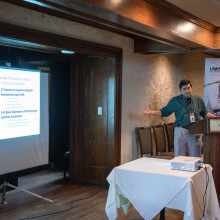
Did you miss the event? Add your email address to our Café Scientifique invite list so that you’ll be the first to know when the next event takes place.
Sign up here.
Go to Lawson’s Facebook page to see photos from the event.
Scientist
Wide range of research showcased at Parkwood Institute Research's 2017 Spring Update
Lawson researchers at Parkwood Institute, part of the St. Joseph’s Health Care London family, work to improve both physical and mental health care based on the understanding that conditions of the body and mind are integrally linked. From studies on mobility after brain and spinal cord injury to treatment-resistant depression, a range of different research areas were highlighted on April 21, 2017 at Parkwood Institute Research’s 2017 Spring Update Half-Day event.
Parkwood Institute Research is a Lawson program that represents inter-disciplinary clinical research. At the second annual Spring Update event celebrating this work, attendees learned about research from across Parkwood Institute’s three core research themes: Cognitive Vitality & Brain Health, Mobility & Activity, and Mental Health Care. New this year was the addition of poster presentations, which provided another opportunity for researchers and trainees to promote and share their work.
Learn more about the work Lawson scientists at Parkwood Institute presented at the event:
Cognitive Vitality & Brain Health
Dr. Stephen Pasternak was one of the presenters in the Cognitive Vitality & Brain Health theme. Dr. Pasternak and his team are conducting a phase 2 randomized controlled trial looking at whether a European over-the-counter cough medicine, Ambroxol, could also treat Parkinson’s Disease Dementia (PDD).
“There are currently no effective treatments for cognitive impairment experienced by PDD patients. Existing treatments only treat the symptoms of Parkinson’s disease, but do not stop the disease process itself,” says Dr. Pasternak.
Parkinson’s disease is believed to be caused by the buildup of a protein called alpha-synuclein in the brain. Ambroxol increases the levels of an enzyme called β-Glucocerebrosidase (GCase), which has been shown to reduce the buildup of alpha-synuclein in animal and cell cultures models, suggesting that this could be used as a treatment for PDD.
This trial is well underway and the first participants have completed the first year of treatment. If successful, this trial will be the first to demonstrate that it is possible to change the underlying cause of PDD.
Mobility & Activity
As part of the Mobility & Activity themed presentations, Dr. Dalton Wolfe discussed an initiative supported by the St. Joseph’s Health Care Foundation and Ontario Neurotrauma Foundation to help improve mobility in patients with acquired brain and spinal cord injuries.
Called the Parkwood Program for Rehabilitation Innovations in Movement Enhancement (PRIME), a key goal of this initiative is to develop and implement a clinical decision support system that integrates approaches to activity-based therapy. Clinicians, researchers, administrators and IT specialists have combined their efforts to initiate development on this system.
“PRIME will provide recommendations for treatment based on patients’ injury level and type, and clinical characteristics,” says Dr. Wolfe. “It will also have suggestions for what to monitor for each patient to challenge them to optimize recovery, as well as to reduce risk of injury or secondary complications.”
This system will also enable electronic tracking of practices and outcomes, moving away from the current paper-based model and creating a practice-based research platform.
Mental Health Care
Dr. Amer Burhan presented his research on Transcranial Magnetic Stimulation (TMS) in the Mental Health Care portion of the presentations. TMS is a non-invasive method that uses magnetic fields to stimulate nerve cells in the brain. An electromagnetic coil is held against the head and short magnetic pulses are administered, causing a change in activity level in specific targeted areas and allowing for a study of the function and interconnectivity of the brain. The method has been approved to treat depression resistant to medications and has potential to be used to treat other mental and neurological disorders.
Dr. Burhan’s talk focused on the effectiveness of a certain type of TMS, bilateral theta-burst stimulation, in treating patients with depression who are not responsive to medication. This is a new method of TMS that is designed to facilitate change in brain activity and connectivity more efficiently. He presented preliminary results on the first 60 patients treated with this method. So far the treatment has resulted in significant improvement in over half of the patients.
“More studies are planned to understand predictors of response and facilitate individualized selection of treatment for patients struggling with this very disabling illness,” says Dr. Burhan.
Scientist