


Search
Search
675 Search Results:
Detecting prostate cancer with a drop of blood and Gulf War technology
London, Ontario - Gulf War technology is making it possible for researchers to detect prostate cancer with a single drop of blood.
Hon Leong, PhD, assistant professor at Western University’s Schulich School of Medicine and Dentistry and scientist at Lawson Health Research Institute, and his team have repurposed a machine once used to detect airborne pathogens in the second Gulf War. The machine is now used for fluid biopsies – a non-invasive way to detect prostate microparticles in the blood in a matter of minutes. Microparticles are essentially garbage released by prostate cells that circulate throughout the bloodstream.
Most men who are more than 40 years old, regardless of their health, have detectable levels of prostate microparticles in their bloodstream. Leong’s research is the first clinical cancer research project to correlate the number of microparticles in the blood to the risk of having prostate cancer – the more microparticles, the higher the risk.
Used in the Gulf War, and more commonly to test water purity, the machine uses flow cytometry to detect microparticles. Flow cytometry measures the specific characteristics of a fluid, such as blood, as it passes through a laser.
Leong’s research provides a more accurate and less invasive testing method for patients suspected of having prostate cancer, and helps to identify patients who are at a higher risk of dying from prostate cancer.
Current methods of detecting prostate cancer, such as the prostate-specific antigen (PSA) test and biopsies, have limitations. PSA tests are based on measuring a specific protein released by the prostate gland, but do not provide a definitive diagnosis. A physical exam and biopsy are needed if PSA levels are elevated. However, even the painful biopsy procedure has a 15 per cent error rate. During biopsies, a painful and invasive procedure, 12 needles are inserted into the rectum, with the hope of extracting material from an area with a tumour.
“Our findings point to a new direction in how we can better identify patients who actually have prostate cancer,” said Leong. “With this test, we can improve the clinical outcomes for patients, reducing costs for unnecessary procedures and reducing errors in diagnosis.”
- 30 -
See all Lawson Media Releases
About Western
Western delivers an academic experience second to none. Since 1878, The Western Experience has combined academic excellence with life-long opportunities for intellectual, social and cultural growth in order to better serve our communities. Our research excellence expands knowledge and drives discovery with real-world application. Western attracts individuals with a broad worldview, seeking to study, influence and lead in the international community.
About Lawson Health Research Institute
Lawson Health Research Institute is one of Canada’s top hospital-based research institutes, tackling the most pressing challenges in health care. As the research institute of London Health Sciences Centre and St. Joseph’s Health Care London, our innovation happens where care is delivered. Lawson research teams are at the leading-edge of science with the goal of improving health and the delivery of care for patients. Working in partnership with Western University, our researchers are encouraged to pursue their curiosity, collaborate often and share their discoveries widely. Research conducted through Lawson makes a difference in the lives of patients, families and communities around the world. To learn more, visit www.lawsonresearch.ca.
Media Contacts
Celine Zadorsky
Senior Media Relations Consultant
Communications & Public Engagement
T: 519-685-8500 ext. 73502
Celine.zadorsky@lhsc.on.ca
Detecting the Undetectable
A simple fall can lead to long-term hand problems such as arthritis due to fracturing the scaphoid bone in the wrist. Scaphoid fractures are known to have the highest rate of healing failures. While this bone’s fragile blood supply is commonly thought to be the main reason for why it is difficult to heal, Dr. Ruby Grewal is looking into a different reason – infection.
Infections are known to cause difficulty in healing bones, but traditional tests for infections in the scaphoid have come up negative. With new advancements in detecting microbial DNA, scientists can now test for ‘clinically undetectable’ infections.
Image
In a new study, Dr. Grewal will use microbial DNA test whether or not there are infections in the scaphoid fracture which causes improper healing of the bone.
“The goal of this study is to use advanced DNA sequencing technology to test whether or not we can detect evidence of microorganisms in non-healing scaphoids,” explains Dr. Grewal, Lawson Scientist and Orthopaedic Surgeon at the Roth McFarlane Hand and Upper Limb Centre (HULC) at St. Joseph’s Health Care London.
Finding new causes of improper healing of the scaphoid bone could improve treatments for individuals with these injuries and prevent long-term problems with hand function. These insights into the causes of improper healing could also prevent young patients from developing wrist arthritis.
Image
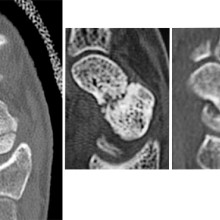
From left to right: Normal scaphoid fracture. Scaphoid fracture that is struggling to heal. Scaphoid non-union where the bone has failed to heal.
Dr. Grewal’s study is being funded through the Lawson Internal Research Fund (IRF).
“The financial support provided by Lawson’s IRF is of utmost importance to researchers. These funds will allow our team to embark on a new area of research and test a novel hypothesis,” says Dr. Grewal, “While traditional granting agencies are reluctant to fund completely novel areas of research without pilot data to prove feasibility, the Lawson IRF allows researchers to investigate new theories in a sound scientific manner. Without the ability to test new ideas we cannot innovate and make advancements in health care. Support for this project allows for that.”
Lawson’s IRF is designed to provide Lawson scientists the opportunity to obtain start-up funds for new projects with the potential to obtain larger funding, be published in a high-impact journal, or provide a clinical benefit to patients. Funding is provided by the clinical departments of London Health Sciences Centre and St. Joseph’s Health Care London, as well as the hospital foundations (London Health Sciences Foundation and St. Joseph’s Health Care Foundation).
… complications. Early warning signs • Extremely high A1C test results • Frequent bouts of and hospitalizations for … complications. Early warning signs • Extremely high A1C test results • Frequent bouts of and hospitalizations for …
Diabetes + mental health diabetes.ca | 1-800 BANTING *This document reflects the 2013 Canadian Diabetes Association Clinical Practice Guidelines. 2013 Copyright Depression Depression is more common in people with diabetes compared with the general population. Symptoms of depression affect 30% of peo...
… for pump supplies. ADP does not fund insulin and test strips. Yes No Comments: … for pump supplies. ADP does not fund insulin and test strips. Yes No Comments: …
CARING FOR THE BODY, MIND & SPIRIT SINCE 1869 Renowned for compassionate care, St. Josephs is one of the best academic health care organizations in Canada dedicated to helping people live to their fullest by minimizing the effects of injury, disease and disability through excellence in care, teachin...
Diagnosing COVID-19 using artificial intelligence
LONDON, ON – A team of researchers at Lawson Health Research Institute is investigating whether an artificial neural network could be used to diagnose COVID-19. The AI system is being trained to learn and recognize patterns in ultrasound lung scans of patients with confirmed COVID-19 at London Health Sciences Centre (LHSC) by comparing them to ultrasound scans of patients with other types of lung infections.
“Machines are able to find patterns that humans cannot see or even imagine. Lung ultrasound scans of patients with COVID-19 pneumonia produce a highly abnormal imaging pattern. This pattern isn’t unique to COVID-19, and can be seen in other causes of pneumonia. It is plausible, however, that there are details that distinguish COVID-19 at the pixel level that cannot be perceived by the human eye,” explains Dr. Robert Arntfield, Lawson Researcher and Medical Director of the Critical Care Trauma Centre at LHSC. “If we can train a neural network to learn and identify these unique characteristics among different scans, we can apply this AI to enhance the diagnostic power of portable ultrasound.”
Point-of-care ultrasound has become increasingly important for the care of critically ill patients and LHSC is a global leader in the use of this technology at the bedside. Lung ultrasound has proven to be effective in diagnosing different types of lung infections and illnesses, such as pneumonia, with a high degree of accuracy. The convenience, portability and low cost of using these machines has helped them become a standard bedside tool in emergency departments and intensive care units worldwide.
This research project is part of a grassroots effort by a small group of local clinicians to innovate and create technology to solve sophisticated problems with AI. With many of Dr. Arntfield’s team having a background in computer programming, they were able to code the neural network being tested. Minimal funding was required, with the project being driven largely by the urgency of COVID-19 coinciding with the recent creation of this clinical AI working group.
“Our research team has used AI to help improve diagnostics related to other parts of the body. This project is a great example of the unique ability we have here in London to be agile: that is, to identify a gap and move quickly towards finding a solution,” says Dr. Arntfield. “I am thrilled that we were able to move through the approval process quickly, and get our ideas working in such a short amount of time.”
-30-
Downloadable Media
Image
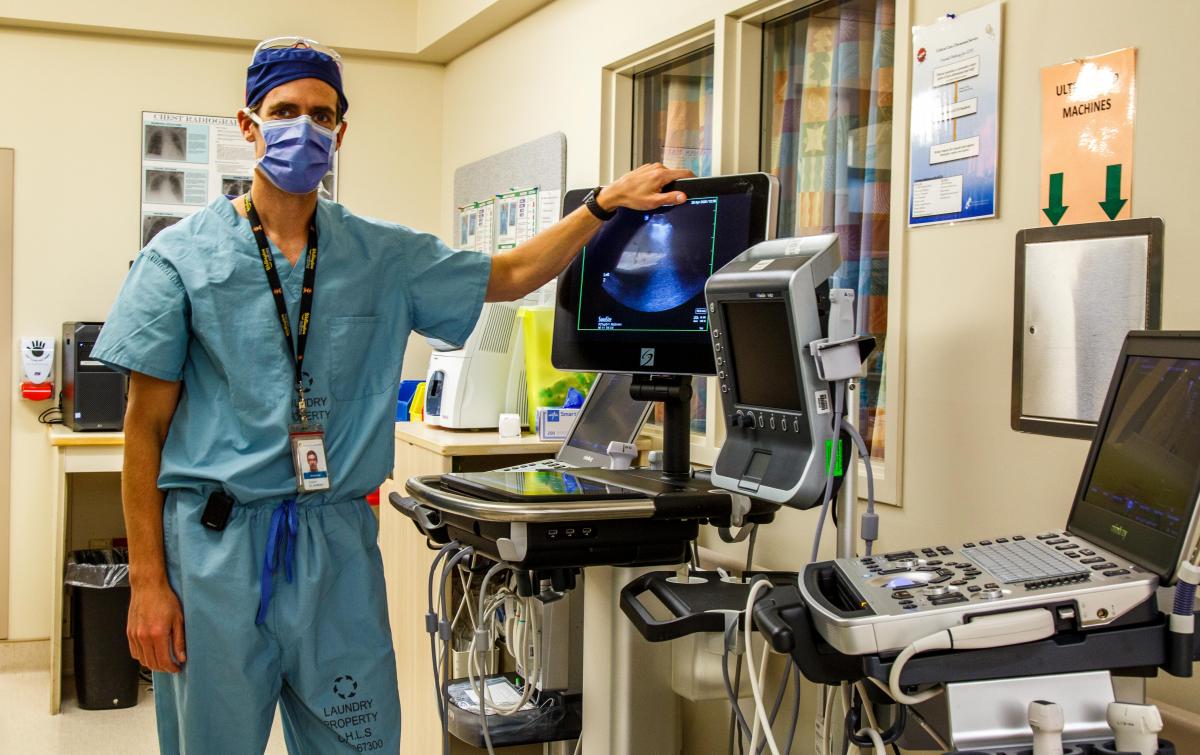
Dr. Robert Arntfield
Image
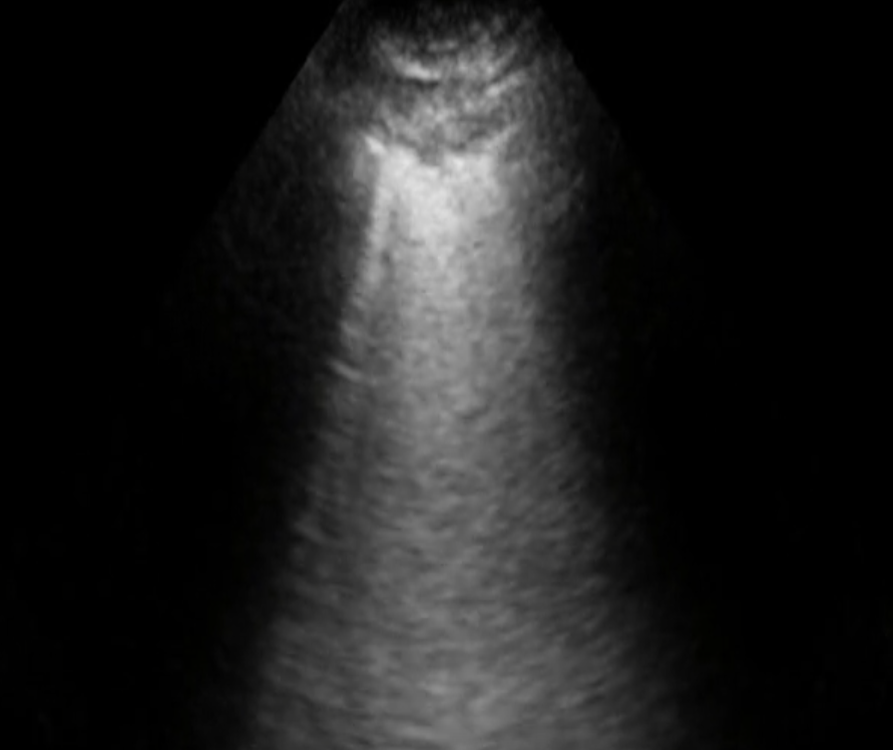
COVID-19 pneumonia ultrasound
Image
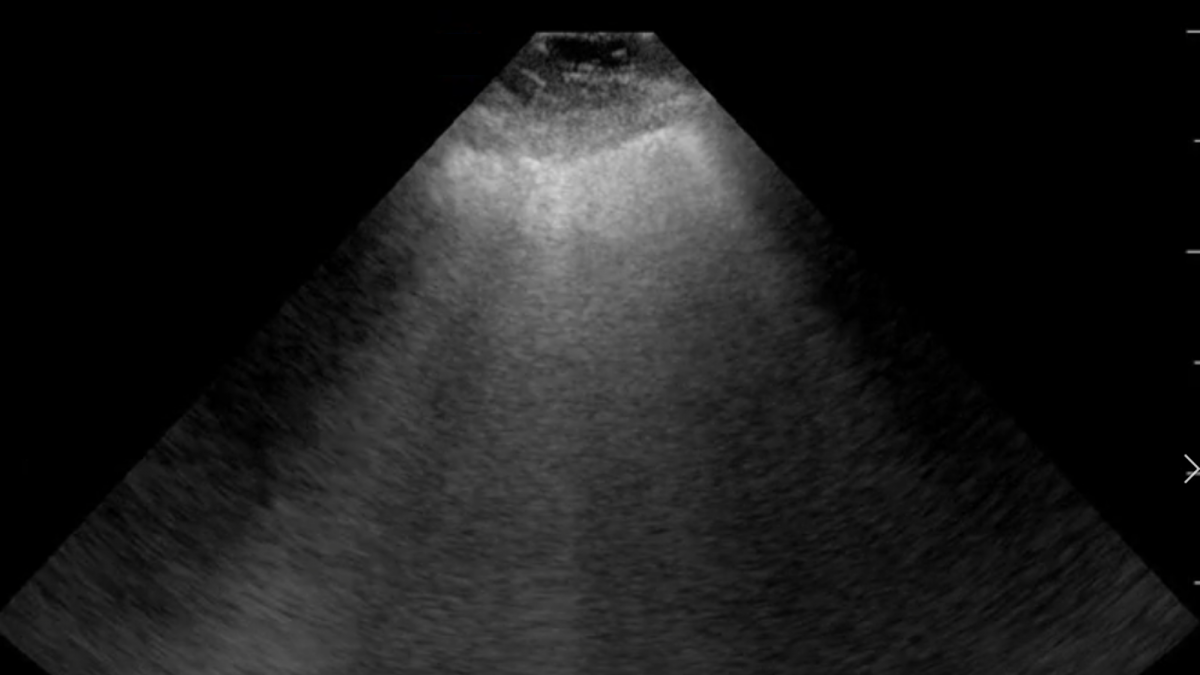
NON COVID-19 pneumonia ultrasound
About Lawson Health Research Institute
Lawson Health Research Institute is one of Canada’s top hospital-based research institutes, tackling the most pressing challenges in health care. As the research institute of London Health Sciences Centre and St. Joseph’s Health Care London, our innovation happens where care is delivered. Lawson research teams are at the leading-edge of science with the goal of improving health and the delivery of care for patients. Working in partnership with Western University, our researchers are encouraged to pursue their curiosity, collaborate often and share their discoveries widely. Research conducted through Lawson makes a difference in the lives of patients, families and communities around the world. To learn more, visit www.lawsonresearch.ca.
Media Contacts
Celine Zadorsky
Senior Media Relations Consultant
Communications & Public Engagement
T: 519-685-8500 ext. 73502
Celine.zadorsky@lhsc.on.ca
… after midnight. Important Information for the Day of the Test* Day of Barium Enema Examination: NO BREAKFAST The only … after midnight. Important Information for the Day of the Test* Day of Barium Enema Examination: NO BREAKFAST The only …
Barium Enema This is an x-ray examination of your large bowel (colon) after it is filled with barium and air, administered by an enema. This procedure has been ordered by your physician. The bowel prep can be purchased at your local drug store or pharmacy. Now covered by the Ontario Benefit Program....
… 6. NOTHING TO EAT OR DRINK AFTER MIDNIGHT (UNTIL THE TEST IS FINISHED) /media/292 … 6. NOTHING TO EAT OR DRINK AFTER MIDNIGHT (UNTIL THE TEST IS FINISHED) …
PREPARATION FOR INTRAVENOUS PYELOGRAM Diagnostic Imaging This is an x-ray examination of the kidneys and bladder area after contrast (x-ray dye) has been injected into a vein in the arm. It is very important that the bowels are cleansed for this examination so that the kidneys can be seen clearly. B...
Dictation System - LHSC and St. Joseph's You must have your own personal and confidential dictating User ID number. To have your personal dictating user ID number arranged, please contact Transcription Services at: London Health Sciences Centre - 519-685-8500 extension 35131 St. Joseph's Health Ca...
Differences in walking patterns could predict type of cognitive decline in older adults
LONDON, ON - Canadian researchers are the first to study how different patterns in the way older adults walk could more accurately diagnose different types of dementia and identify Alzheimer’s disease.
A new study by a Canadian research team, led by London researchers from Lawson Health Research Institute and Western University, evaluated the walking patterns and brain function of 500 participants currently enrolled in clinical trials. Their findings are published today in Alzheimer's & Dementia: The Journal of the Alzheimer's Association.
“We have longstanding evidence showing that cognitive problems, such as poor memory and executive dysfunction, can be predictors of dementia. Now, we’re seeing that motor performance, specifically the way you walk, can help diagnose different types of neurodegenerative conditions,” says Dr. Manuel Montero-Odasso, Scientist at Lawson and Professor at Western’s Schulich School of Medicine & Dentistry.
Dr. Montero-Odasso is world renowned for his research on the relationship between mobility and cognitive decline in aging. Leading the Mobility, Exercise and Cognition (MEC) team in London, he is pioneering novel diagnostic approaches and treatments to prevent and combat early dementia.
This study compared gait impairments across the cognitive spectrum, including people with Subjective Cognitive Impairment, Parkinson’s Disease, Mild Cognitive Impairment, Alzheimer’s disease, Lewy body dementia and Frontotemporal dementia, as well as cognitively healthy controls.
Four independent gait patterns were identified: rhythm, pace, variability and postural control. Only high gait variability was associated with lower cognitive performance and it identified Alzheimer’s disease with 70 per cent accuracy. Gait variability means the stride-to-stride fluctuations in distance and timing that happen when we walk.
“This is the first strong evidence showing that gait variability is an important marker for processes happening in areas of the brain that are linked to both cognitive impairment and motor control,” notes Dr. Frederico Perruccini-Faria, Research Assistant at Lawson and Postdoctoral Associate at Western’s Schulich School of Medicine & Dentistry, who is first author on the paper. “We’ve shown that high gait variability as a marker of this cognitive-cortical dysfunction can reliably identify Alzheimer’s disease compared to other neurodegenerative disorders.”
When cognitive-cortical dysfunction is happening, the person’s ability to perform multiple tasks at the same time is impacted, such as talking while walking or chopping vegetables while chatting with family.
Having gait variability as a motor marker for cognitive decline and different types of conditions could allow for gait assessment to be used as a clinical test, for example having patients use wearable technology. “We see gait variability being similar to an arrhythmia. Health care providers could measure it with patients in the clinic, similar to how we assess heart rhythm with electrocardiograms,” adds Dr. Montero-Odasso.
This study was primarily funded by the Canadian Consortium on Neurodegeneration in Aging (CCNA), a collaborative research program tackling the challenge of dementia and other neurodegenerative illnesses. The CCNA was supported by a grant from the Canadian Institutes of Health Research
-30-
About Lawson Health Research Institute
Lawson Health Research Institute is one of Canada’s top hospital-based research institutes, tackling the most pressing challenges in health care. As the research institute of London Health Sciences Centre and St. Joseph’s Health Care London, our innovation happens where care is delivered. Lawson research teams are at the leading-edge of science with the goal of improving health and the delivery of care for patients. Working in partnership with Western University, our researchers are encouraged to pursue their curiosity, collaborate often and share their discoveries widely. Research conducted through Lawson makes a difference in the lives of patients, families and communities around the world. To learn more, visit www.lawsonresearch.ca.
About Western
Western delivers an academic experience second to none. Since 1878, The Western Experience has combined academic excellence with life-long opportunities for intellectual, social and cultural growth in order to better serve our communities. Our research excellence expands knowledge and drives discovery with real-world application. Western attracts individuals with a broad worldview, seeking to study, influence and lead in the international community.
About The Schulich School of Medicine & Dentistry
The Schulich School of Medicine & Dentistry at Western University is one of Canada’s preeminent medical and dental schools. Established in 1881, it was one of the founding schools of Western University and is known for being the birthplace of family medicine in Canada. For more than 130 years, the School has demonstrated a commitment to academic excellence and a passion for scientific discovery.
Media Contacts
Celine Zadorsky
Senior Media Relations Consultant
Communications & Public Engagement
T: 519-685-8500 ext. 73502
Celine.zadorsky@lhsc.on.ca
Differences in walking patterns could predict type of cognitive decline in older adults
Canadian researchers are the first to study how patterns in the way older adults walk could more accurately diagnose different types of dementia and identify Alzheimer’s disease.
A new study by a Canadian research team, led by London researchers from Lawson Health Research Institute and Western University, evaluated the walking patterns and brain function of 500 participants currently enrolled in clinical trials. Their findings are published in Alzheimer's & Dementia: The Journal of the Alzheimer's Association.
Image
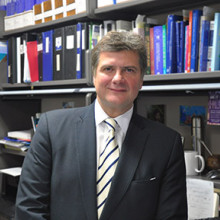
Dr. Montero-Odasso is world renowned for his research on the relationship between mobility and cognitive decline in aging. Leading the Mobility, Exercise and Cognition (MEC) team in London, he is pioneering novel diagnostic approaches and treatments to prevent and combat early dementia. Dr. Montero-Odasso is also co-lead of the Mobility, Exercise and Cognition Team at CCNA, a team composed of 22 researchers and 6 trainees.
This study compared gait impairments across the cognitive spectrum, including people with Subjective Cognitive Impairment, Parkinson’s Disease, Mild Cognitive Impairment, Alzheimer’s disease, Lewy body dementia and Frontotemporal dementia, as well as cognitively healthy controls. The study used data from the COMPASS-ND Cohort and the Gait and Brain Study Cohort.
Image
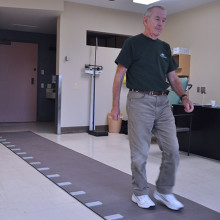
Gait assessment looks at the way in which we move our whole body from one point to another, helping to analyze mobility and the brain processes involved.
Four independent gait patterns were identified: rhythm, pace, variability and postural control. Only high gait variability was associated with lower cognitive performance and it identified Alzheimer’s disease with 70 per cent accuracy. Gait variability means the stride-to-stride fluctuations in distance and timing that happen when we walk.
“This is the first strong evidence showing that gait variability is an important marker for processes happening in areas of the brain that are linked to both cognitive impairment and motor control,” notes Dr. Frederico Perruccini-Faria, Research Assistant at Lawson and Postdoctoral Associate at Western’s Schulich School of Medicine & Dentistry, who is first author on the paper.
“We’ve shown that high gait variability as a marker of this cognitive-cortical dysfunction can reliably identify Alzheimer’s disease compared to other neurodegenerative disorders.”
When cognitive-cortical dysfunction is happening, the person’s ability to perform multiple tasks at the same time is impacted, such as talking while walking or chopping vegetables while chatting with family.
“Having gait variability as a motor marker for cognitive decline and different types of conditions could allow for gait assessment to be used as a clinical test, for example having patients use wearable technology,” says Dr. Richard Camicioli, Professor at the University of Alberta and co-senior author on the paper.
The London team collaborated with researchers at the University of Toronto, University of Calgary and University of Alberta. They are part of the Canadian Consortium on Neurodegeneration of Aging (CCNA), a collaborative research program tackling the challenge of dementia and other neurodegenerative illnesses.
Dr. Montero-Odasso adds that this gait variability could be perceived as similar to an arrhythmia. Health care providers could potentially measure it in clinical settings, like how heart rhythm is assessed with electrocardiograms.
This study was primarily funded by CCNA, supported by a grant from the Canadian Institutes of Health Research.
Scientist
Discovery shows promise for treatment of glaucoma
In a new study from Lawson Health Research Institute (Lawson), scientists have discovered that a specific protein has the potential to be used to treat some patients with primary open-angle glaucoma.
Primary open-angle glaucoma is the most common type of glaucoma, which is a group of diseases that affect nearly 70 million people worldwide. Glaucoma is characterized by progressive damage to the optic nerve which ultimately leads to blindness. In this new study, led by Dr. Sunil Parapuram, researchers examined the role of a protein called “phosphatase and tensin homolog” (PTEN) in the trabecular meshwork. The trabecular meshwork is a porous tissue in the eye through which the clear fluid that fills the eye drains out.
In some primary open-angle glaucoma patients, the structure of the trabecular meshwork is damaged by fibrosis. Fibrosis is a thickening or scarring of tissue which is caused by an excess amount of matrix molecules such as collagen. Fibrosis of the trabecular meshwork prevents the fluid in the eye from draining out normally, which leads to increased pressure in the eye and damage to the optic nerve.
Dr. Parapuram’s team found that the inactivation of the protein PTEN can cause too many matrix molecules to be deposited in the trabecular meshwork, leading to fibrosis. On the other hand, when PTEN activity was increased, it reduced the amount of matrix molecules being deposited in the trabecular meshwork. These results indicate that drugs that can activate PTEN have high potential to be used as a treatment for open-angle glaucoma.
“There’s an immediate need for a new generation of therapeutic drugs for more effective treatment of glaucoma,” says Dr. Parapuram, a Lawson scientist at St. Joseph’s Health Care London and an assistant professor in the Departments of Ophthalmology and Pathology at the Schulich School of Medicine & Dentistry, Western University. “While further research is needed, drugs that activate PTEN could be the answer.”
Dr. Parapuram’s team will continue to study the function of PTEN in the trabecular meshwork in more detail and test the role of drugs that activate the protein as a potential treatment for primary open angle glaucoma.
Image
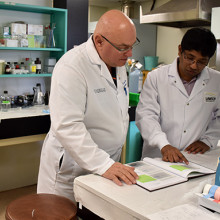
Dr. Michael Motolko (left), Chair/Chief, Department of Ophthalmology, and Dr. Sunil Parapuram (right).
“This study highlights the expansion of our department’s research activities into basic science application and its findings are relevant to many other fibrotic diseases,” says Dr. Michael Motolko, Chair/Chief, Department of Ophthalmology, Schulich School of Medicine & Dentistry,Western University, London Health Sciences Centre and St. Joseph’s Health Care London.
The study, “TGF-β induces phosphorylation of phosphatase and tensin homolog: implications for fibrosis of the trabecular meshwork tissue in glaucoma,” is published in Nature’s Scientific Reports.
Scientist
… a biological diagnosis • Discuss local availability and testing capacity • Discuss potential therapeutic … a biological diagnosis • Discuss local availability and testing capacity • Discuss potential therapeutic …
37th Annual Geriatric Medicine Refresher Day Current and Practical Knowledge To Inspire and Advance Care Wednesday, May 1, 2024 . RBC Place, London, Ontario . 7:30 a.m. - 4:00 p.m. Overall Learning Objectives: By the end of this program, participants will be able to: 1. Apply current literature in c...
Dr. Alexandre Legros
Full Name
Dr. Alexandre Legros
Role
Location
Degrees and Qualifications
PhD
Website
Research Overview
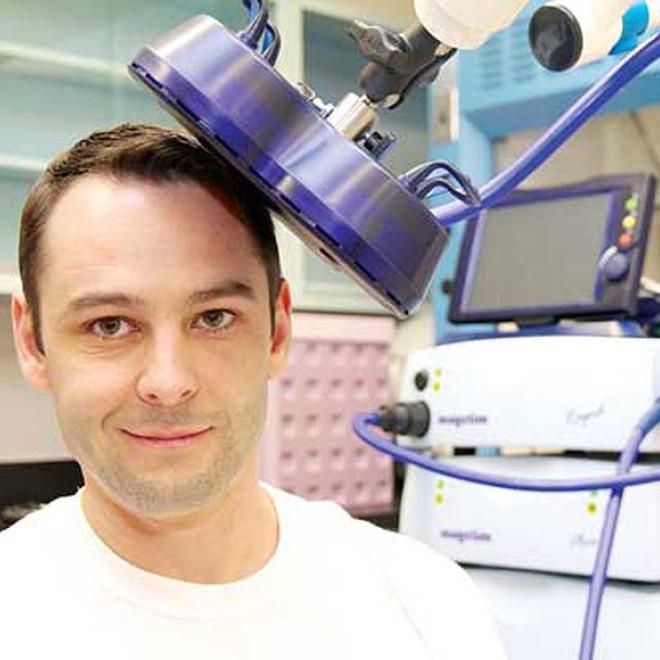
His background mainly relates to the effects of specific electromagnetic stimuli (from DBS to power-frequency magnetic fields) on human brain processing, motor control and cognitive functions. Dr Legros is managing an international industrial and scientific collaborations through industry-partnered academic support from the Canadian Institute of Health Research (CIHR).
He has expertise in acquisition and analysis of brain electric and metabolic signals (EEG, fMRI), subtle movement quantification and characterization (e.g. physiological tremor, standing balance), cognitive performances quantification, physiological monitoring (cardiovascular parameters).
Biography
Dr. Alexandre Legros is a full time scientist in the Imaging Program at Lawson, where he is the director of Human Threshold Research Group and Testing Facility. He is also an Associate Professor in the Departments of Medical Biophysics and Medical Imaging within the Schulich School of Medicine and Dentistry, and in the School of Kinesiology from within the Faculty of Health Sciences at Western University.
He received his PhD in Kinesiology in 2004 (University of Montpellier, France) and completed a first postdoctoral fellowship in neuroscience studying the impact of Deep Brain electric Stimulation (DBS) on patients implanted with electrodes suffering from dystonic syndromes (Neurosurgical Unit, University of Montpellier, France). He started a second postdoctoral fellowship in the BEMS group at Lawson in 2005 before being recruited as a young scientist in September 2007.
Dr. Legros has expertise in the fields of neuroscience, kinesiology, biophysics, and he his currently promoting the use of mathematical neuroscience to study the interaction between time-varying magnetic fields and neuronal assemblies/networks.
Dr. Mark Chandy
Full Name
Dr. Mark Chandy
Role
Location
Degrees and Qualifications
MD PhD FRCPC
Research Area
Research Overview
Stem cell biology, induced pluripotent stem cells, cardiovascular disease.
Biography
My research employs molecular biology to understand the pathophysiology of cardiovascular disease. Early in my career, I studied the mechanisms of chromatin dynamics, which have broad implications in the influence of the environment in conditions such as diabetes and smoking. I later helped characterize how transcription factors and microRNA direct cardiovascular differentiation and how perturbations of these mechanisms are implicated in cardiovascular disease. My interest in stem cell biology attracted me to Joseph Wu, MD, Ph.D. at Stanford, to learn more about human induced pluripotent stem cell (iPSC) disease modeling endothelial dysfunction.
Advances in next-generation sequencing, bioinformatics, and gene editing make it possible to decipher SNPs contributing to cardiovascular disease and disease-specific transcriptome profiles. More precise diagnostic biomarker-based tests could be developed with a deeper appreciation of an individual’s molecular signature. Additionally, personalized medicine could emerge from iPSC disease and advance precision medicine.
As a recently appointed Assistant Professor at the University of Western Ontario, I am now an independent physician-scientist conducting research using iPSC disease modeling that I developed at Stanford University. My research focuses on cardiovascular disease modeling to 1) investigate the effects of the environment on the vasculature, 2) discover biomarkers to risk stratify cardiovascular disease, and 3) discover druggable target genes for cardiovascular disease. The overarching goal of my research is to use iPSCs to understand mechanisms underlying the relationship between inherited factors and how environmental stress, such as diabetes, e-cigarettes, and marijuana, sensitize an individual to exacerbated cardiovascular disease. The discovery of these gene and environment interactions will facilitate the identification of high-risk individuals who could benefit from therapy that alters disease trajectory. In the future, iPSC disease modeling could guide the discovery of sm! all molec ule agonists or inhibitors that could be used as personalized medical therapy for cardiovascular disease.
Partners
Aleksandra Leligdowicz
Drug combats underlying causes of Alzheimer-related dementia
A “game-changing” new drug offers both hope and time to some people diagnosed with Alzheimer’s disease, says the head of a St. Joseph’s program that played a key role in the medication’s clinical trials. Health Canada has newly approved lecanemab (brand name Leqembi, developed by Eisai Co. and Biogen), which has been shown to slow progression of Alzheimer’s disease in people with mild symptoms.
St. Joseph’s Health Care London, and its innovation arm at Lawson Research Institute, has played a key role as one of multiple sites that have trialed the drug.
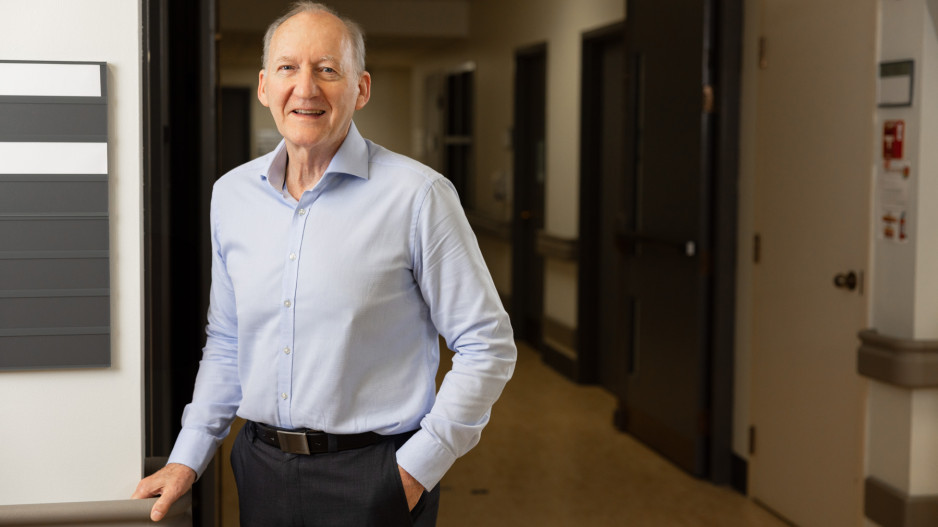
“This is game-changing,” says Dr. Michael Borrie, medical director of the Aging Brain and Memory Clinic at St. Joseph’s, whose work in dementia research and clinical practice spans more than three decades.
“We’ve been working for over 20 years to find a compound that is disease-modifying. This is the first approved drug in Canada that addresses the underlying pathology of Alzheimer’s, not just the symptoms.”
Lecanemab works by removing amyloid proteins that accumulate as sticky clumps in the brain and are associated with cognitive decline in people with Alzheimer’s. “It reverses one aspect of the disease by removing the plaque from the brain ,” Borrie explains.
“You can characterize its benefit in terms of time saved. If you were to have this medication for four years, you can ‘save’ one year of cognitive decline. It totally changes the course of their neurodegeneration in a way we haven’t seen before.”
Lecanemab was one of many clinical drug trials assigned to research coordinator Kayla Vander Ploeg when she arrived to work at St. Joseph’s more than a decade ago. “For so long, we had hope that one of these medications would benefit patients long-term. Now we have more than hope. We have results,” Vander Ploeg says.
“Today I’m seeing people who say, ‘my dad or my mom was in this study, and now there’s hope for me.’ ”
There are specific eligibility criteria, including confirmed diagnosis – through cognitive testing and through advanced brain imaging and biomarker tests – plus screening to rule out two gene variations that couldresult in more side effects.
Canada is now one of 51 countries to have approved lecanemab.
Borrie cautioned that Health Canada approval doesn’t necessarily translate to funding coverage. It’s not yet determined who will pay for the medication, or how: when lecanemab was approved in the United States in 2023, the annual cost per patient was more than $26,000.
The length of time from drug development to trials to approval illustrates how painstaking pharmaceutical research can be. But it also highlights how integrating health research into hospital settings can translate more quickly into improved patient care.
… YOUR STAY. IF YOU DO NOT HAVE SOMEONE TO ACCOMPANY YOU YOUR TEST WILL HAVE TO BE CANCELLED. You may be ready for … stomach and duodenum (the first portion of the small intestine). Why is a gastroscopy necessary? The decision to … of polyps or swallowed objects or to control upper gastrointestinal bleeding. A gastroscopy may detect early cancers …
CARING FOR THE BODY, MIND & SPIRIT SINCE 1869 Renowned for compassionate care, St. Josephs is one of the best academic health care organizations in Canada dedicated to helping people live to their fullest by minimizing the effects of injury, disease and disability through excellence in care, teachin...
… YOUR STAY. IF YOU DO NOT HAVE SOMEONE TO ACCOMPANY YOU YOUR TEST WILL HAVE TO BE CANCELLED. You may be ready for … the dosages and arrangements to come in early for a blood test the day of the procedure if necessary. If you are … stomach and duodenum (the first portion of the small intestine). Abnormalities suspected by x-ray can be confirmed …
CARING FOR THE BODY, MIND & SPIRIT SINCE 1869 Renowned for compassionate care, St. Josephs is one of the best academic health care organizations in Canada dedicated to helping people live to their fullest by minimizing the effects of injury, disease and disability through excellence in care, teachin...
… for areas that are not seen on endoscopy. The Cotton Test can be used to assess ENS. It involves placing … within the nose at the suspected tissue deficit. A positive test is where patients experience improved breathing. The Cotton Test helps ENT surgeons determine if nasal enhancement …
EMPTY NOSE SYNDROME INTRODUCTION Empty nose syndrome (ENS) is an uncommon side effect of nasal surgery. Described in 1994 by Dr. Eugene Kern, it often results from removal of lower turbinate tissue. Turbinates are structures in the nose that filter and humidify air. They are important in sensing the...
… that the environment is universal to all people, to the greatest extent possible without the need for adaptation or … impaired and general public providing them with the latest educational material and information regarding many … that the environment is universal to all people, to the greatest extent possible without the 32 need for adaptation or …
Annual Accessibility Plan for St. Josephs Health Care, London September 2008 - August 2009 Submitted to Cliff Nordal Chief Executive Officer 30 September 2008 Prepared by SJHC Accessibility Working Group Chair, Derek Lall This publication is available on the St. Josephs Heath Care, Londons website a...
… procedures Assessment and history taking Diagnostic tests Patient/SDM/family education Discharge planning … if appropriate; g. Type of situation (admission, test procedure information, etc.); h. Date and time request … procedures Assessment and history taking Diagnostic tests Patient/SDM/family education Discharge planning …
Annual Accessibility Plan October 2009 March 31, 2011 Submitted to the St. Josephs Board of Directors, September 28, 2009 Prepared and Submitted by St. Josephs Accessibility Working Group St. Josephs Accessibility Plan September 28, 2009 2 Executive Summary St. Josephs Health Care, London, (St. Jos...