


Search
Search
1080 Search Results:
… you can’t make me. I have to make myself.” Empowerment fundamentals • Patients are responsible • Patients are therefore … 2017 Five recommendations • Language is neutral, nonjudgmental • Use facts actions or physiology to discussing plan … J, Panagopoulos w. The Language of Violence in Mental Health. Advances in Nursing Science. 36(3):229-242, …
Empowering Our Patients through Language Robin Nwankwo, MPH, RDN, CDE THANK YOU! Lifelong thanks to my colleague and mentor Martha M. Funnell, MS, RN, CDE, FAAN, FAADE Objectives Define patient empowerment for diabetes care and education Explain the impact of diabetes related-distress, depression ...
Last Words
Dr. Rahel Eynan is a researcher with Lawson Health Research Institute who has dedicated her life to studying the nature of suicide and those affected.
She is the lead author on a study recently published in Suicide and Life-Threatening Behavior by The American Association of Suicidology. A first of its kind in the world, this study retrospectively compared the psychosocial and clinical characteristics of people who have died by suicide and left an E-note with those who left a paper note, or no note at all.
“Suicide notes are intimate last communications left by suicide decedents to their loved ones, friends or foes,” explains Dr. Eynan. Only a minority of suicide decedents leave a suicide note, which is defined as a message expressed by a person who intends to end their life.
Typically, the notes are handwritten on paper, walls, body parts or mirrors. However, electronic suicide notes have been reported with increasing frequency including communication through email, text messages, tweets, blogs, video sharing websites, chat rooms and posts on social media networks.
This emerging phenomenon remains generally under-researched.
“The notes play an important role in forensic investigations and have evidentiary value in the courtroom. They are also considered integral to understanding suicidal behaviour as they provide a unique opportunity to examine an unsolicited account of the person’s thoughts and emotions prior to the self-destructive act,” says Dr. Eynan.
This study was embedded in the Southwestern Ontario Suicide Study (SOSS) and was conducted in collaboration with the Office of the Chief Coroner and Ontario Forensic Pathology Services and the London regional coroner office. The researchers collected data for 476 deaths by suicide that occurred between January 2012 and December 2014. Socio-demographic, psychosocial and clinical characteristics were collected with a modified version of the Manchester questionnaire used in the UK.
“Note leaving does not appear to be a random phenomenon among suicide decedents. There are common characteristics between those that do offer a final communication and in what form,” states Dr. Eynan.
They found that final communication was left by 45.8 per cent of the individuals and of those almost 75 per cent left notes that were handwritten or typed. Electronic notes were left by 17.9 per cent, usually in the form of text messages, and 7.8 per cent left a combination of paper and electronic notes, as some people left more than one. Some notes contain a just a single word while others were several pages in length.
The average age of suicide decedents is 47.2 years old and the majority are men. Death by suicide often happens after a major life transition, including those involving finances, business and employment or the dissolution of a marriage or relationship. In some cases, it is associated with a mental illness.
Those who did not leave a note were more likely to have had a diagnosed mental disorder; histories of self-harm; other physical illnesses; previous admissions to hospital or mental health services; and, been assessed for suicide behavior 3 months prior to their death.
People who left a note were significantly younger in age; more likely to be divorced or separated; less likely to be living with a partner; and, less likely to have been retired.
“Suicide decedents with fewer than two admissions to a mental health unit, including those with no history at all, were three times more likely to have left a suicide note,” explains Dr. Eynan. “Two-thirds of these people however did have contact with a primary health care provider in the month prior to their deaths. Interestingly, most were for routine and non-urgent reasons.”
Suicide notes are written for several purposes. It can be an opportunity to put affairs in order, justify or explain their suicidal action, or reduce the emotional burden of those left behind.
It can be theorized that people without a diagnosis of mental illness and fewer health care admissions may be more compelled to complete their suicide narrative and explain their motives. On the other hand, those who did not leave notes may have felt that their long-standing struggles with mental illness were well known to family and friends.
The findings point to a subgroup of younger suicide people who have less contact with mental health services, have no mental illness and yet are at risk of suicide.
“This tells us that we can be more proactive in assessing for suicidal behaviours at each interaction of help-seeking and health care.” For example, routinely giving screening questions at every appointment which assess mood and other indicators. “It could be something like a paper form or tablet in the waiting room, reducing the stigma and more easily opening up the conversation,” adds Dr. Eynan.
The general public should also be educated to take any communication by any means of suicide risk or intent as serious.
The shifting methods of communicating final good-byes that make use of newer forms of technologies could provide a window of opportunity for intervention. Social media sites and app developers could partner with researchers to develop innovative protocols and mechanisms that identify users at risk and intervene by sending the user links to crisis services or directly connecting them to an appropriate service.
Dr. Eynan is often reminded of the quote ‘whoever saves a life, saves an entire world.’ She takes the utmost care to treat each person’s story with dignity and respect.
“There was a lot of suffering shared in the notes, but the most prevalent messages were expressions of love.”
While this kind of research can be difficult, it gives her a lot of hope.
If you need help:
Canadian Mental Health Association’s Reach Out program is a 24-7 telephone hotline and internet service for individuals experiencing mental health concerns, addictions or crisis.
Reach Out can be contacted at 519-433-2023, toll free at 1-866-933-2023 or online at www.reachout247.ca.
Scientist
Laura Brunton
Laura Brunton, PT, PhD
Assistant Professor, School of Physical Therapy
Key Areas of Focus:
Childhood Onset Conditions
Phone:
519-661-2111 ext. 88845
Email:
Website:
Social:
Accepting Grad Students:
Yes
About:
Laura Brunton is an Assistant Professor in the School of Physical Therapy at Western University and is a registered Physiotherapist. Professor Brunton's current research focus is exploring and understanding fatigue and pain experienced by individuals with cerebral palsy and the possible relationships with physical activity, sleep, pain and mental health. Professor Brunton has an interest in developing novel approaches to increase and support the self-management skills for youth and adults with childhood-onset conditions. A secondary interest of Professor Brunton’s is the development and validation of clinical measures to support comprehensive assessment of clients in clinical practice.

Lawson and Western researchers suggest walking and talking can be an early predictor of dementia
In a new study, researchers at Lawson Health Research Institute and Western University are demonstrating that gait, or motion testing, while simultaneously performing a cognitively demanding task can be an effective predictor of progression to dementia and eventually help with earlier diagnosis. To date, there is no definitive way for health care professionals to forecast the onset of dementia in a patient with memory complaints.
Dr. Manuel Montero-Odasso, a Lawson scientist, geriatrician at St. Joseph’s Health Care London, and associate professor in the Division of Geriatric Medicine at Western University’s Schulich School of Medicine & Dentistry, is leading the “Gait and Brain Study.” His team is assessing up to 150 seniors with mild cognitive impairment (MCI), a slight decline of memory and other mental functions which is considered a pre-dementia syndrome, in order to detect an early predictor of cognitive and mobility decline and progression to dementia.
Image
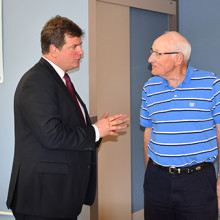
Dr. Montero-Odasso with study participant, Roy Bratty
“Finding methods to detect dementia early is vital to our ability to slow or halt the progression of the disease,” says Dr. Montero-Odasso. The study, funded by the Canadian Institutes of Health Research, followed participants for six years and included bi-annual visits. Researchers asked participants to walk while simultaneously performing a cognitively demanding task, such as counting backwards or naming animals. Those individuals with MCI that slow down more than 20 per cent while performing a cognitively demanding task are at a higher risk of progressing to dementia.
“While walking has long been considered an automatic motor task, emerging evidence suggests cognitive function plays a key role in the control of walking, avoidance of obstacles and maintenance of navigation,” says Dr. Montero-Odasso. “We believe that gait, as a complex brain-motor task, provides a golden window of opportunity to see brain function.”
The “gait cost,” or speed at which participants completed a single task (walking) versus a dual-task, was higher in those MCI individuals with worse episodic memory and who struggle with executive functions such as attention keeping and time management.
“Our results reveal a ‘motor signature’ of cognitive impairment that can be used to predict dementia,” adds Dr. Montero-Odasso. “It is conceivable that we will be able to diagnose Alzheimer’s disease and other dementias before people even have significant memory loss. Our hope is to combine these methods with promising new medications to slow or halt the progression of MCI to dementia.”
The study, “Association of Dual-Task Gait with Incident Dementia in Mild Cognitive Impairment”, was published in the journal, JAMA NEUROLOGY.
Image
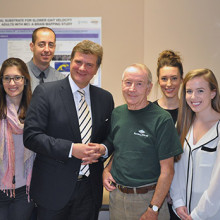
Members of the study’s research team, from left to right: Korbin Blue, Research Assistant (Co-op Student); Yanina Sarquis-Adamson, Lab Research Assistant; Frederico Faria, Post-Doctoral Fellow; Dr. Montero Odasso, Director, Gait and Brain Lab; research participant; Alanna Black, Lab Research Coordinator; Stephanie Cullen, Research Assistant (Undergraduate Student); and, Navena Lingum, Research Assistant (Master Student).
Scientist
Lawson homelessness researcher Cheryl Forchuk to receive Coronation Medal
Prestigious award will honour the national impact of Forchuk and her research into health and homelessness
Lawson Research Institute scientist Cheryl Forchuk, PhD, will be awarded the prestigious King Charles III Coronation Medal in honour of her groundbreaking health care research in the region and across the country.
Forchuk, who is also a Distinguished University Professor of Nursing in the Faculty of Health Sciences and in the Department of Psychiatry at Western University, will receive the medal in a special presentation ceremony in London on April 23.
In nominating Forchuk, London North Centre MPP Terence Kernaghan said the medal “recognizes outstanding individuals for their profound and lasting contribution to Ontario and to Canada.”
He said Forchuk has shown “exemplary leadership and ground-breaking work in mental health, homelessness, and the systems and models of care you’ve developed.”
Her important work has helped shape national perspectives and treatments for people experiencing homelessness – in particular, people with experiencing homelessness and mental health and/or homelessness and addiction.
Forchuk’s research studies have also influenced national policy in understanding and redressing veterans’ homelessness, in London and across Canada. She is currently conducting nation-wide research into specific issues experienced by women veterans who are homeless.
Forchuk said she was honoured to be nominated and selected for the medal, and that her work related to improving homelessness and mental health challenges including addiction could not have been possible without the assistance of many others. This assistance includes people with lived experience, multiple community and hospital partners, and her team of research coordinators, research assistants and students. Forchuk recently completed her term as The Beryl and Richard Ivey Research Chair in Aging, Mental Health, Rehabilitation & Recovery, an endowed position supported by the St. Joseph’s Health Care Foundation.
The Coronation Medal program was created to mark the Coronation of His Majesty King Charles III. It recognizes individuals who have made a significant contribution to a particular province, territory, region or community in Canada, or attained an outstanding achievement abroad that brings credit to our country.
The award will be presented by London-area MPPs on behalf of the Right Honourable Mary Simon, Governor General of Canada and Premier Doug Ford.
Lawson homelessness researcher Cheryl Forchuk to receive Coronation Medal
Prestigious award will honour the national impact of Forchuk and her research into health and homelessness

Lawson Research Institute scientist Cheryl Forchuk, PhD, will be awarded the prestigious King Charles III Coronation Medal in honour of her groundbreaking health care research in the region and across the country.
Forchuk, who is also a Distinguished University Professor of Nursing in the Faculty of Health Sciences and in the Department of Psychiatry at Western University, will receive the medal in a special presentation ceremony in London on April 23.
In nominating Forchuk, London North Centre MPP Terence Kernaghan said the medal “recognizes outstanding individuals for their profound and lasting contribution to Ontario and to Canada.”
He said Forchuk has shown “exemplary leadership and ground-breaking work in mental health, homelessness, and the systems and models of care you’ve developed.”
Her important work has helped shape national perspectives and treatments for people experiencing homelessness – in particular, people with experiencing homelessness and mental health and/or homelessness and addiction.
Forchuk’s research studies have also influenced national policy in understanding and redressing veterans’ homelessness, in London and across Canada. She is currently conducting nation-wide research into specific issues experienced by women veterans who are homeless.
Forchuk said she was honoured to be nominated and selected for the medal, and that her work related to improving homelessness and mental health challenges including addiction could not have been possible without the assistance of many others. This assistance includes people with lived experience, multiple community and hospital partners, and her team of research coordinators, research assistants and students. Forchuk recently completed her term as The Beryl and Richard Ivey Research Chair in Aging, Mental Health, Rehabilitation & Recovery, an endowed position supported by the St. Joseph’s Health Care Foundation.
The Coronation Medal program was created to mark the Coronation of His Majesty King Charles III. It recognizes individuals who have made a significant contribution to a particular province, territory, region or community in Canada, or attained an outstanding achievement abroad that brings credit to our country.
The award will be presented by London-area MPPs on behalf of the Right Honourable Mary Simon, Governor General of Canada and Premier Doug Ford.
Lawson Impact Awards Community Partner of the Year Award: Dr. Joseph Rea
An advocate for mental health awareness, the late Dr. Joseph Rea is being awarded the Community Partner of the Year Award
A well-known family physician in the London area, the late Dr. Joseph Rea is being recognized with a 2022 Lawson Community Partner of the Year Award for his advocacy and passion to improve mental health outcomes.
In 2003 through his advocacy and philanthropy, he founded the Dr. Joseph Rea Chair in Mood Disorders at St. Joseph’s Health Care Foundation.
Media Contact
Celine Zadorsky
Senior Media Relations Consultant
Communications & Public Engagement
T: 519-685-8500 ext. 73502
Celine.zadorsky@lhsc.on.ca
Lawson ranks in top ten among Canada's research hospitals
Lawson Health Research Institute – the research institute of London Health Sciences Centre (LHSC) and St. Joseph’s Health Care London – is ranked seventh in the country in Re$earch Infosource’s 2023 list of Canada’s Top 40 Research Hospitals.
This is the 13th year in a row that Lawson has ranked top ten in the country, and the seventh-place ranking is up two spots from 2022 – highlighting continued dedication to hospital-based research at LHSC and St. Joseph’s.
Lawson also ranked second for research intensity among the large tier institutions with more than $776,000 of research spending per researcher.
“These rankings help LHSC and St. Joseph’s assess how we compare to similar hospitals across the country,” says Dr. David Hill, Scientific Director at Lawson and Integrated Vice President, Research at LHSC and St. Joseph’s. “Our continuous placement in the top 10 of all research hospitals shows we are doing important and relevant medical research that is making a difference to patient care.”
Lawson has been at the forefront of research in a wide range of specializations, making advances in areas from cancer care and mental health supports to molecular imaging and theranostics in recent years.
“Conducting research in hospitals means it can go from bench to bedside much more quickly,” says Dr. Hill. “Things move much faster now than they ever did. Our top 10 ranking shows we are leading the way, and that funders are confident in London’s hospital-based researchers.”
The top 40 list analyzes hospital-based research institutes from across the country on several metrics, including total research expenditure from the previous fiscal year. The ranking looks at funds from all sources, including both internal and external, to support research in hospitals.

Media Contact
Amanda Taccone
Communications Consultant & External Relations
Lawson Health Research Institute
T: 519-685-8500 ext. ext. 64059
C: 226-919-4748
@email
Lawson ranks in top ten of Canada’s research hospitals
LONDON, ON – Lawson Health Research Institute (Lawson) is ranked eighth in the country according to the 2017 edition of “Canada’s Top 40 Research Hospitals List” by Research Infosource. This strong position has been maintained by Lawson for the past four years.
The research institute of London Health Sciences Centre and St. Joseph’s Health Care London, Lawson also posted the highest research intensity (spending per researcher) among large institutions ($562,500 per researcher). “In a challenging funding environment, Lawson and our two hospital partners continue to enable our researchers in their pursuit of scientific knowledge that can be applied directly to patient care,” says Dr. David Hill, Scientific Director, Lawson.
The top 40 list analyzes hospital-based research institutes from across the country on several metrics, including total research income from the previous fiscal year. The ranking looks at funds received from all sources, including both internal and external, to support research at the organization. According to the report, Lawson received $124,304 million in research income in 2016, a 7.3 per cent increase from the previous fiscal year.
Dr. David Hill advocates for increased scientific funding nationally. “Despite our own modest increase in funding in 2016, Canada as a whole requires significant investment in scientific discovery to increase the well-being of Canadians and build a robust economy. Support for health research makes Canada healthier, wealthier and smarter.”
Lawson is a key part of London’s life sciences sector which has a rich history of medical firsts and generates significant economic benefits. At the institute there are over 1,700 people including researchers, support staff, and trainees who work at hospital sites across London. Lawson partners on over 600 research projects annually with approximately 8,000 clinical subjects enrolled in over 2,500 active clinical trials.
In the past year alone, research teams at Lawson have identified a protein that could be used to treat glaucoma; launched a second clinical trial to put type 2 diabetes into remission; demonstrated that walking and talking can be an effective predictor of dementia; and used smart technology to help patients with mental health issues. “One of Lawson’s strengths is the diversity of our research. Our research expands the continuum of life – from birth to death – and people in this region are among the first to benefit from the advances we are making across the health spectrum,” asserts Dr. Hill.
Research Infosource Inc., a division of The Impact Group, is Canada’s source of R&D Intelligence.
-30-
See all Lawson Media Releases
About Lawson Health Research Institute
Lawson Health Research Institute is one of Canada’s top hospital-based research institutes, tackling the most pressing challenges in health care. As the research institute of London Health Sciences Centre and St. Joseph’s Health Care London, our innovation happens where care is delivered. Lawson research teams are at the leading-edge of science with the goal of improving health and the delivery of care for patients. Working in partnership with Western University, our researchers are encouraged to pursue their curiosity, collaborate often and share their discoveries widely. Research conducted through Lawson makes a difference in the lives of patients, families and communities around the world. To learn more, visit www.lawsonresearch.ca.
Media Contacts
Celine Zadorsky
Senior Media Relations Consultant
Communications & Public Engagement
T: 519-685-8500 ext. 73502
Celine.zadorsky@lhsc.on.ca
Lawson researchers elected to Royal Society of Canada
Drs. Cheryl Forchuk and Ruth Lanius have been elected as Fellows with the Royal Society of Canada (RSC) in recognition of their significant contributions to mental health research.
Dr. Forchuk, Assistant Scientific Director at Lawson and the Beryl and Richard Ivey Research Chair in Aging, Mental Health, Rehabilitation and Recovery at St. Joseph Health Care London’s Parkwood Institute, has worked tirelessly to advance research that has resulted in improved hospital discharge models, harm reduction strategies and support for those living without housing, among other concerns. Most recently she has hosted forums across Canada in an effort to better understand homelessness and the number of people experiencing it.
“It’s an honour to be included among such a talented group and alongside my mental health colleague,” says Dr. Forchuk, who is also a Distinguished University Professor at Western University. “A lot of important work remains to be done to better support those living with mental health challenges.”
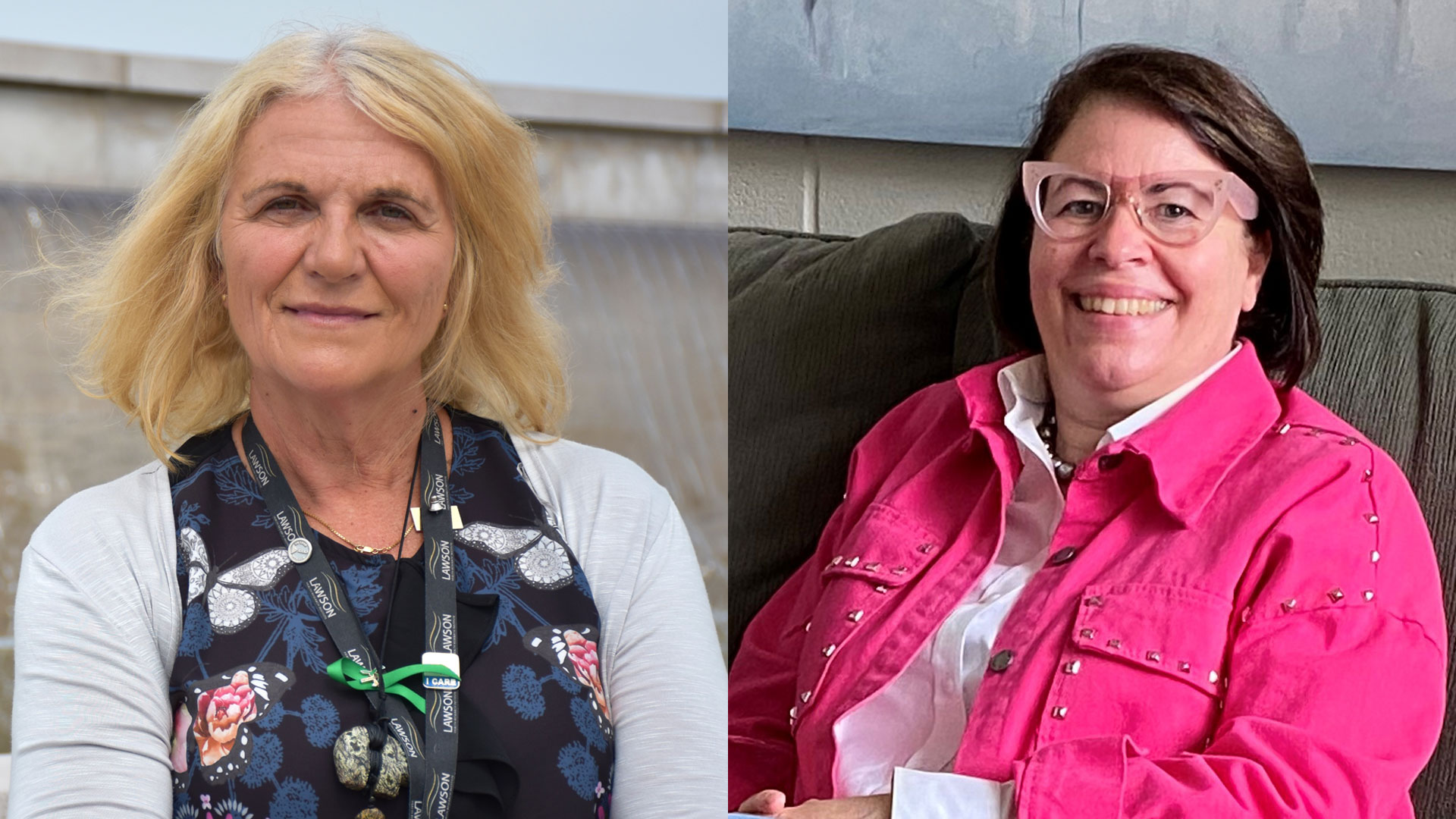
Dr. Lanius, Associate Scientist at Lawson and Psychiatrist at London Health Sciences Centre, is world-renowned for advancing the understanding and treatment of post-traumatic stress disorder (PTSD) through her research. She has been instrumental in defining different types of PTSD and combining imaging and psychiatry to develop new therapies that use neurofeedback or sensory processing to ‘train the brain.’
“Advancing knowledge is crucial to improving quality of life,” notes Dr. Lanius, who is also the Harris Woodman Chair in Mind-Body Medicine and a Professor at Western’s Schulich School of Medicine & Dentistry. “I’m very excited to be recognized with such a distinguished group of contributors to research and academics.”
RSC fellows are elected by peers for their outstanding scholarly, scientific and artistic achievement. This year’s 101 new fellows will be inducted into the RSC on November 17.
Lawson's Top 12 Research Stories from 2020
Image

Image
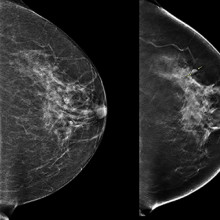
3D imaging technology could improve outcomes for patients with breast cancer
During a conventional digital 2D mammogram, two x-ray images are taken of the breast, one from top-to-bottom and another from side-to-side at an angle. This technology is limited by the overlapping breast tissue that occurs from the required compression of the breast, and breast abnormalities may be hidden. A study at Lawson is looking to determine if digital breast tomosynthesis, a type of 3D imaging, is better at detecting breast tissue abnormalities than the 2D mammography regularly used today. Read more.
Image
Image
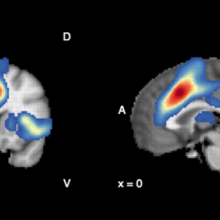
Antioxidants in the brain linked to improved treatment results in patients with psychosis
Once patients with psychosis start treatment, some get better in weeks while it can take months for others. A research team from Lawson and Western University studied antioxidant levels in the brain, and found that these chemicals, which rid the body of normal metabolic biproducts called free radicals, may improve outcomes of early intervention in psychosis. Read more.
Image
Image
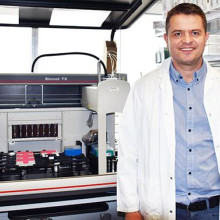
Researchers awarded $4.8 million to validate locally developed test, EpiSign, for first-line diagnostic testing of rare hereditary disorders
A clinical trial named “EpiSign-CAN,” led by researchers at Lawson was awarded $4.8 million to measure the clinical impact of a new molecular genomics test for diagnosing genetic neurodevelopmental conditions. The diagnostic test, called EpiSign, uses machine learning to analyze the EpiSign Knowledge Database. This database compiles information on rare genetic diseases using laboratory analyses of the entire genome, referred to as the epigenome, from patients with suspected genetic abnormalities. Read more.
Image
Image

Perceptions of confidentiality for Canadian Veterans discussing moral injuries
Lawson researchers are exploring Canadian Veterans’ beliefs about confidentiality in mental health care and whether those beliefs act as a barrier to seeking treatment for a type of trauma known as moral injury. Moral injury describes psychological distress following events where a person performs, witnesses or fails to prevent acts that conflict with deeply held moral standards. Evidence suggests that moral injuries are on the rise among deployed members of the Canadian Armed Forces, and that those exposed to such events are at a higher risk of developing post-traumatic stress disorder and depression. Read more.
Image
Image
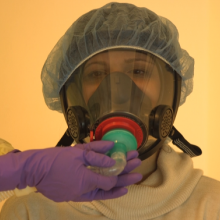
New device could reduce COVID-19 infection risk and demand for invasive ventilators
Researchers designed a non-invasive ventilation mask that could significantly reduce aerosolization – the production of airborne respiratory droplets that may contain viruses or bacteria – when treating patients with COVID-19. The new device aims to reduce infection risks associated with non-invasive ventilation and lessen the demand for invasive ventilators. It is currently being tested through a clinical trial with patients at London Health Sciences Centre (LHSC). Read more.
Image
Image
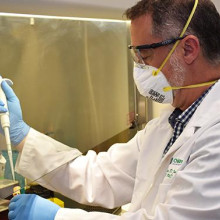
Researchers first in world to profile the body’s immune response to COVID-19
By studying blood samples from critically ill patients at LHSC, researchers identified a unique pattern of six molecules that could be used as therapeutic targets to treat COVID-19. Studies show that part of what makes the virus so deadly is that the body mounts an overreactive immune response as the virus grows and replicates. This response releases inflammatory molecules in order to fight the virus, but also destroys healthy cells and organs in the process. Read more.
Image
Image
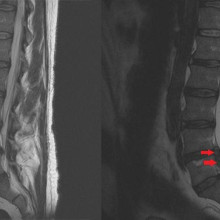
Study suggests that surgery may be superior treatment for chronic sciatica
In a randomized controlled trial, surgery was found to be superior to non-operative therapy in the treatment of chronic sciatica. Chronic sciatica can be caused by a disc herniation which compresses a nerve in the lumbar spine causing pain from the lower back to the leg. The primary treatment options for sciatica are surgery or non-operative care. Researchers conducted this study to test if a surgical treatment called microdiscectomy results in better patient outcomes for those with chronic sciatica compared to non-operative care. Read more.
Image
Image
Researchers unravel two mysteries of COVID-19
A team from Lawson and Western University made significant steps forward in understanding COVID-19 through two back-to-back studies. In one study, the team identified six molecules that can be used as biomarkers to predict how severely ill a patient will become. In the other study, they were the first to reveal a mechanism causing blood clots in COVID-19 patients and potential ways to treat them. The studies were conducted by analyzing blood samples from critically ill patients at LHSC. Read more.
Image
Image
Gut microbiome may influence how cancer patients respond to oral therapies, study suggests
A study from Lawson and Western illustrated how the gut microbiome interacts with an oral medication in prostate cancer patients, suggesting bacteria in the gut play a role in treatment outcomes. The findings highlight how the drug abiraterone acetate is metabolized by bacteria in the gut to reduce harmful organisms while promoting those that fight cancer. The research team suspects this is one of many examples of how the microbiome influences our response to medications. Read more.
Image
Image

First Contrast Enhanced Spectral Mammography guided biopsy in North America
Researchers at Lawson performed the first breast biopsy guided by Contrast Enhanced Spectral Mammography (CESM) in North America on June 12, 2020. CESM is a novel diagnostic imaging tool that is able to detect cancerous lesions at a greater rate than standard mammography, and at close rate to MRI. The procedure is faster and more accurate, comfortable and cost effective than an MRI biopsy. Read more.
Image
Image

Assessing the pandemic's impact on Canadian Veterans and their spouses
A project from Lawson and the Centre of Excellence on Post-Traumatic Stress Disorder (PTSD) hopes to discover the impact the COVID-19 pandemic is having on the mental health of Canadian Veterans and their spouses. They are partnering with up to 1,000 Canadian Veterans and 250 spouses of Canadian Veterans. Through online surveys, the project will hear directly from Veterans and their spouses to assess the pandemic’s effects on their well-being over time. Read more.
Image
Image
Fecal transplants show promise as treatment for non-alcoholic fatty liver disease
A randomized controlled trial found that fecal transplants in patients with non-alcoholic fatty liver disease (NAFLD) results in a reduction in how easily pathogens and other unwanted molecules pass through the human gut and into circulation, known as intestinal permeability. The results could have implications for the treatment of numerous conditions including metabolic syndrome and autoimmune diseases. Read more.
Lawson's top 12 research stories of 2021
Lawson researchers impact the lives of people not just locally, but around the world with groundbreaking studies and translational research that enhances care, health and wellbeing.
Here are some of the research highlights of 2021.
Differences in walking patterns could predict type of cognative decline in older adults
Image

Canadian researchers are the first to study how patterns in the way older adults walk could more accurately diagnose different types of dementia and identify Alzheimer’s disease. A new study by a Canadian research team, led by London researchers from Lawson Health Research Institute and Western University, evaluated the walking patterns and brain function of 500 participants currently enrolled in clinical trials. Read more.
COVID-19 shown to leave a unique lung fingerprint
Image
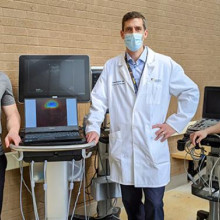
Researchers at Lawson Health Research Institute have developed and tested an artificial neural network for diagnosing COVID-19. The AI system was trained to learn and recognize patterns in ultrasound lung scans of patients with confirmed COVID-19 infection at London Health Sciences Centre (LHSC) and compared them to ultrasound scans of patients with other types of lung diseases and infections. Read more.
Kidney transplant patient experiences positive recovery with the help of a simple device
Image
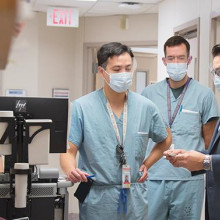
Getting the gift of life was an amazing moment for 68-year-old Ruben Garcia who was in late-stage kidney disease and starting dialysis when his daughter Ruby donated one of her kidneys to him. The father of four underwent transplant surgery this past March and remained in hospital for nine days recovering. Following his surgery, Garcia found it difficult to get out of bed due to pain and swelling, leaving the function of his new kidney at a very low level. Read more.
Air pollution exposures contributes to childhood asthma, population-based study shows
Image

New findings from Ontario have shown that children born in Sarnia have a higher risk of developing asthma compared to neighboring cities. A research team from Lawson Health Research Institute and Western University, using provincial data from ICES, found that higher air pollution exposure in the first year of life very likely contributed to this higher risk. Read more.
Getting the data on homelessness
Image

At a virtual event, a research team led by Lawson Health Research Institute announced details of a new project aimed at better understanding how many people in Canada are homeless and who they are. Developing more accurate sources of data related to homelessness helps ensure the proper supports and services are available. Read more.
Clinical trials begin to treat COVID-19 patients with sepsis
Image
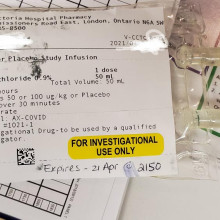
It’s a discovery that has been more than ten years in the making: the use of a human protein to potentially treat patients with sepsis. Lawson Scientist Dr. Qingping Feng noticed that a human protein called annexin A5 showed positive results with sepsis back in 2007. Fast forward 14 years later to now, and this discovery could very well be the first ever viable treatment for sepsis patients, including severe COVID-19 patients who develop sepsis. Read more.
Examining the health impact the COVID-19 pandemic is having on mothers and their new babies
Image

It has been a challenging year for many with the ongoing COVID-19 pandemic creating changes to people’s lifestyles, education, employment and health care. The impacts of these changes may be posing a health risk to women who have given birth during this trying time, and for their babies. Read more.
New therapeutic tool proven effective for MS patients with mental health challenges
Image

It was a diagnosis that came as a shock for 28-year-old Mitch Kuska who found out he had Multiple Sclerosis (MS) at the age of 26. “I went from being a young 26-year-old doing regular things, to having to learn about this disease and everything that goes along with it and how it will affect my life.” Kuska, an avid cyclist, says knowing that one day he may not be able to physically do the things he loves has been the hardest part of his MS journey so far. Read more.
Researchers using MRI scans to pinpoint moral injury effects in health care workers
Image

Image

Moral injury refers to an injury to an individual’s moral conscious, which can produce profound emotional guilt and shame. Recognizing this is a growing concern, a London research team from Lawson Health Research Institute and Western University’s Schulich School of Medicine & Dentistry is examining moral injury amongst health care workers by imaging the effects on the brain. Read More.
Scientists studying carbon monoxide as a possible treatment for sepsis
Image
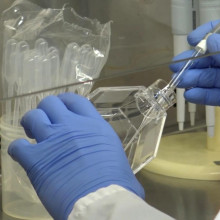
Sepsis is a life-threatening condition that occurs when the body’s response to an infection triggers excessive inflammation. The inflammatory response can cause damage to organs such as the heart, liver, lungs and brain. While there are currently limited treatments for sepsis, researchers at Lawson Health Research Institute are working to change that by examining the use of carbon monoxide-releasing molecules to treat patients. Read more.
Global study on heart valve repair surgery will improve patient outcomes around the world
Image
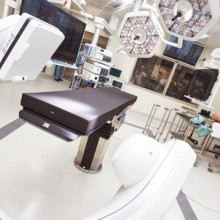
Researchers at Lawson Health Research Institute and Western University had a leading role in a new global study that will change the way surgeons repair leaky valves in the heart. It’s one of the most common heart valve conditions, affecting around two per cent of the population, where many patients don’t even realize they have a leaky valve and are asymptomatic, often presenting to doctors once they are late stage into the disease. Read more.
New study will assess fecal transplants in treatment of pancreatic cancer
Image
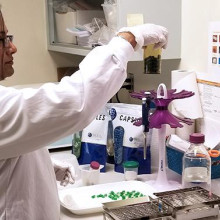
Pancreatic cancer is an aggressive disease that affects up to six-thousand Canadians a year and is the third leading cause of cancer deaths. In a new study a multidisciplinary team of scientists at Lawson Health Research Institute are examining the microbiome in the gut, as a possible gateway to improving treatment outcomes. Read more.
Leading the conversation on equity, diversity and inclusivity
The city of London, Ontario is home to a vibrant health research community. On Wednesday, May 9, researchers from across the city gathered to discuss the importance of equity, diversity and inclusivity (EDI) in the careers of health researchers. Through participation at Exchange: A London Health Research Day Forum on Diversity & Inclusivity, guests discussed the challenges associated with EDI and potential solutions for the future.
Exchange was held the evening before London Health Research Day, the region’s premier research showcase event which features nearly 400 trainee presentations. Trainees are the future of Canadian science and EDI is crucial to that future. This is a topic of national importance that has garnered attention and action from the federal government, funding agencies and scientists across the country.
Recognizing the importance of this topic, Canada’s Minister of Science, The Honorable Kirsty Duncan, and local Member of Parliament for London North Centre, MP Peter Fragiskatos, shared video greetings with Exchange guests.
“The Exchange event highlights a vital area of discussion. It is important to not only recognize but embrace the differences between scientists and the diverse perspectives they bring to research,” said Rebecca Sullivan, a third year PhD candidate at Western University’s Schulich School of Medicine & Dentistry, training in Savita Dhanvantari’s lab at Lawson Health Research Institute, and one of the organizers of the event. “Becoming aware of our own unconscious biases and trying to change these culturally ingrained implicit associations is the only way to make active change in science!”
Image

Above: Rebecca Sullivan, a third year PhD candidate, leading a scenario-based group activity at Exchange
The evening’s first presenter was Dr. Janet Smylie, Director of the Well Living House Applied Research Centre for Indigenous Infant, Child and Family Health at St. Michael’s Hospital and CIHR Applied Public Health Research Chair in Indigenous Health Knowledge and Information. Dr. Smylie, who also delivered the keynote presentation at London Health Research Day, spoke about the role of anti-Indigenous racism and discrimination within health care professions, including its impact on research. This included a discussion of Dr. Smylie’s own research in the field of Indigenous health.
Image
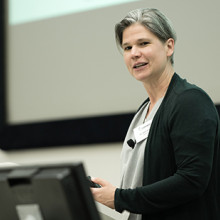
Above: Dr. Janet Smylie presenting on "Addressing anti-Indigenous racism and discrimination within health care professions"
Greta Bauer, PhD, a professor in the Department of Epidemiology and Biostatistics at Schulich Medicine & Dentistry, spoke about the role of epidemiology as a toolkit for building equity in health research. This included a discussion on incorporating intersectionality and multidimensionality into population health research methodology.
“The purpose of this work is to give researchers the measurement and statistical tools they need to shift the focus from studying broad population average effects to more heterogeneity within populations,” said Greta. “The whole point is to better study not only diversity in health outcomes, but in the processes that generate those outcomes.”
Image
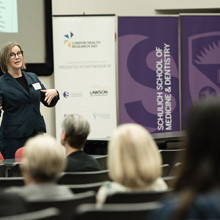
Above: Greta Bauer, PhD, presenting on "Epidemiology as a toolkit for building equity"
This talk was followed by a presentation on Gender-Based Analysis Plus (GBA+). GBA+ is an analytical tool used to assess how diverse groups of women, men and gender-diverse people may experience policies, programs and initiatives. The “plus” in GBA+ acknowledges that GBA goes beyond biological (sex) and socio-cultural (gender) differences. We all have multiple identity factors that intersect to make us who we are; GBA+ also considers many other identity factors, like race, ethnicity, religion, age, and mental or physical disability. GBA+ is a method for collecting and reviewing data in an unbiased manner, one that leaves aside many of the assumptions that can mask the GBA+ impacts of a given initiative. Alysha Croker, PhD, Manager, Tri-Agency Institutional Program Secretariat, discussed how GBA+ is being used in research and grant funding, including at the federal funding agencies.
“Diverse research teams can lead to more innovation, greater collective intelligence and an increased capacity to tackle complex issues,” said Alysha, when discussing the importance of EDI in the careers of health researchers.
Image
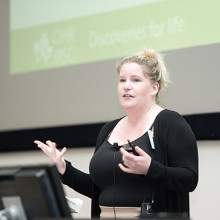
Above: Alysha Croker, PhD, presenting on "Incorporating Gender-Based Analysis Plus (GBA+) in research and beyond"
The evening also included a presentation from Shantal Feltham, founder and CEO of Stiris Research, a North American clinical trials management company based in London. Shantal discussed the importance of ensuring that clinical trials are designed to recruit diverse research participants that represent real patient populations. She also discussed her own experiences and perspectives as a female entrepreneur.
Image
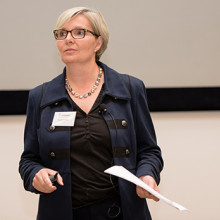
Above: Shantal Feltham delivering a presentation titled "That’s a great idea – It’ll never work"
A group of health research trainees concluded the night with a scenario-based presentation and activity. Audience members were divided into small groups and given a diversity scenario to discuss. Topics ranged from the experiences of LGBTQ+ researchers, racial diversity, physical ability barriers in research labs and more. Notes and ideas from these conversations were recorded and displayed the next day at London Health Research Day.
“Exchange highlighted EDI in health research in action. It featured talks by leading female researchers on issues in Indigenous health and LGBTQ health, implementation of equity in the Canada Research Chairs program, and female entrepreneurship in the field of health research,” said Savita Dhavantari, PhD, assistant director and scientist at Lawson and assistant professor at Schulich Medicine & Dentistry. Savita was also one of the Exchange organizers and the facilitator for the event. “Above all, I hope attendees were encouraged to be fearless in advocating for equity, diversity and inclusivity in health research.”
Image

Above: Guests at Exchange discussing a diversity scenario
Image
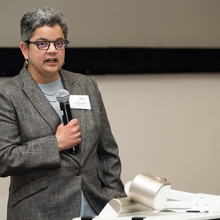
Above: Savita Dhanvantari, PhD, facilitating the Exchange event
To see more photos from Exchange and London Health Research Day, visit the London Health Research Day website.
Exchange and London Health Research Day are presented in partnership by Lawson Health Research Institute and Western University’s Schulich School of Medicine and Dentistry.
Scientist
Lens of compassion improves health care
Keynote speaker at joint mental health research day says compassion in action has proven benefit
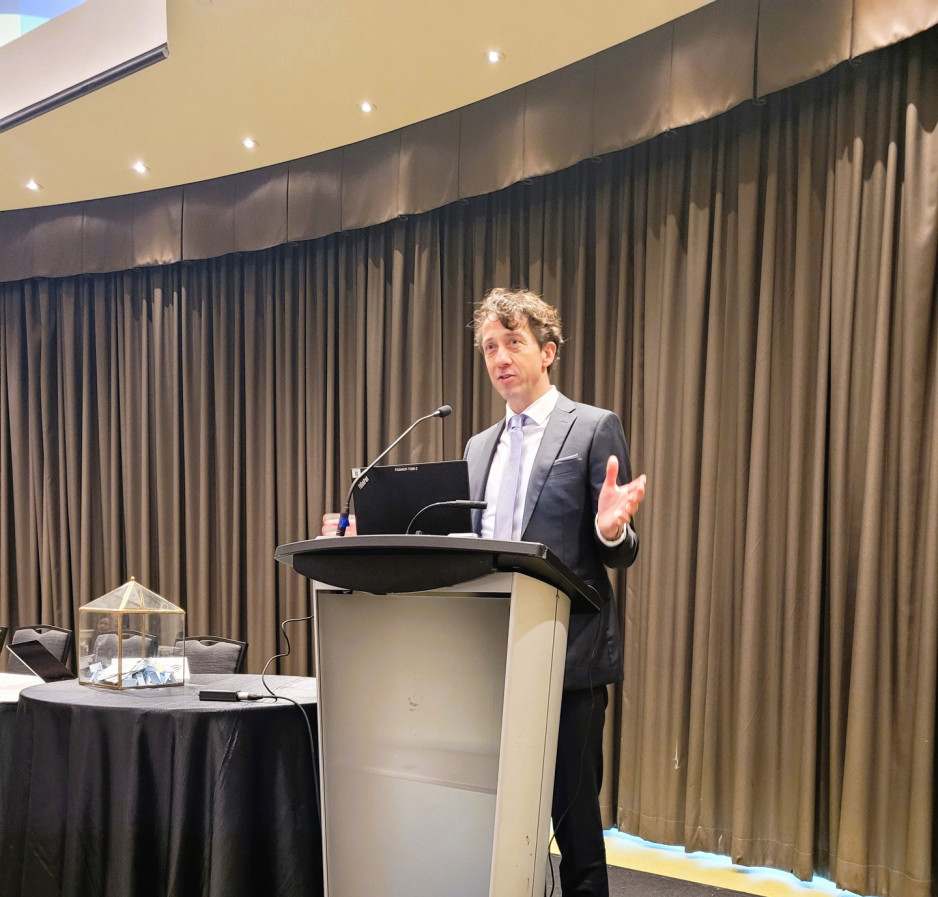
Compassion in mental health care – and in all health care – is “what separates good from really great” patient outcomes, Calgary-based researcher Shane Sinclair, PhD, told mental health researchers during a conference Oct. 30, 2024, in London.
Sinclair, who heads the Compassion Research Lab at the University of Calgary, was the invited keynote speaker at the Joint Mental Health Research and Innovation Day, attended by about 130 people.
The event was hosted by Lawson Research Institute, London Health Sciences Centre Research Institute and Schulich School of Medicine & Dentistry.
The day also featured 17 poster presentations and 17 oral presentations on different aspects of mental health research. It’s one of the premier annual education-and-development events in mental health science regionally.
This year’s event showcased how compassion could transform health policy, partnerships, systems, care, research and service delivery.
Compassion, respect and excellence are core values of St. Joseph’s Health Care London.
Sinclair noted that the key role of compassion – responding to someone’s suffering with understanding and action – is evidence-based.
“We do patient-informed and patient-targeted research. And we’ve found compassion makes a difference in how people heal.”
-Shane Sinclair, PhD, compassion researcher
His lab examined the outcomes and satisfaction among patients at 14 emergency rooms across Alberta and found compassion to be the greatest predictor of quality care ratings.

“What separates good from really great comes down to compassion. These things matter,” Sinclair said.
“It improves their health and their quality of life. It reduces health-care costs, reduces adverse medical outcomes and helps build patients’ trust in the medical information and direction they receive,” he said.
LHSC and St. Joseph’s introduce new research institutes
Lawson Research Institute at St. Joseph’s and London Health Sciences Centre Research Institute will strengthen hospital-based innovation in London, Ontario
LONDON, Ont. – Today, London Health Sciences Centre (LHSC) and St. Joseph’s Health Care London (St. Joseph’s) unveiled new research institutes designed to strengthen hospital-based innovation. Lawson Research Institute (Lawson) at St. Joseph’s and London Health Sciences Centre Research Institute (LHSCRI) will leverage each hospital’s unique areas of clinical focus while further integrating research with care, helping to advance discoveries that lead to improved patient outcomes.
The new institutes were announced at a launch event with guided open house tours taking place across LHSC’s Victoria Hospital, Children’s Hospital and University Hospital, as well as at St. Joseph’s Hospital and Parkwood Institute. Attendees were able to experience signature research areas, including aging, mental health and microbiome research at Lawson, as well as cancer, children’s and mental health research at LHSCRI. The day included demonstrations of discoveries that are reshaping care in Ontario and around the world, including a new robotic, body-weight support for people with mobility difficulties and studies using artificial intelligence (AI) to diagnose rare diseases.
“When research takes place in a hospital context, scientists have more direct connection to the needs of the patients they serve,” said Roy Butler, President and CEO of St. Joseph’s. “There’s data to show that patients treated in research-intensive hospitals live longer because they have access to cutting-edge science. All patients benefit, not just those involved in clinical trials – and that’s the power of health research. That’s why this milestone day and the discoveries to come are real cause for celebration.”
LHSC and St. Joseph’s have been innovating for more than 150 years. The research institutes will build on the legacy of scientific excellence at both organizations. Their launch marks the completion of the transition from Lawson Health Research Institute, a research brand shared between the two organizations since 2000.
“We’re building on our history while introducing the next era in health research excellence, ensuring we will continue to attract the brightest minds in science and that patients will receive world-class, innovative care,” said David Musyj, Supervisor, LHSC. “We will continue to collaborate with each other, Western University, and health research partners across the country and around the world, bolstering London’s position as a national hub for health research.”
Research teams across Lawson and LHSCRI will continue to collaborate closely on projects and large scientific initiatives. LHSC and St. Joseph’s will also continue to share administrative support for research activities.
Learn more about the new research institutes and their transformative work at:
Lawson Research Institute
London Health Sciences Centre Research Institute
-30-
For more information, please contact:
Celine Zadorsky
Senior Media Relations Consultant
London Health Sciences Centre
(226) 927-2309
OR
Debora (Flaherty) Van Brenk
Communications Consultant
St. Joseph’s Health Care London
226-577-1429 or 519-318-0657
About Lawson Research Institute: Lawson Research Institute, the health innovation arm of St. Joseph’s Health Care London, is committed to making and sharing discoveries that improve lives locally and internationally. Every day, Lawson’s 250-plus scientists work to transform imagination to innovation to patient impact. Lawson leads health-care research. Find us online at sjhc.london.on.ca/research and on social media @stjosephslondon
About London Health Sciences Centre Research Institute: At London Health Sciences Centre Research Institute (LHSCRI), our teams pioneer discoveries that transform the health of adult and paediatric patients around the world. As the research institute of London Health Sciences Centre (LHSC), we conduct research where patient care is delivered, working alongside patients, families, health-care providers and academic partners like Western University. We are leaders in advancing the understanding, diagnosis, treatment and management of diseases and health conditions through a diverse research program that ranges from laboratory-based science to clinical trials. Our research has a global impact as we build on LHSC’s 150-year legacy of health innovation and drive forward medical breakthroughs that make a difference in the lives of patients and their families. Find us online at www.lhscri.ca and on social media @LHSCRI.
LHSC and St. Joseph’s Research Institutes Launch Day

Join us and the London community as we celebrate the launch of our new research institutes at London Health Sciences Centre (LHSC) and St. Joseph’s Health Care London (St. Joseph’s).
This full-day event that is open to the public will showcase the legacy and future of hospital-based research in London. It’s a chance to engage in cutting-edge research, interact with research teams and take part in the unveiling of our new research brands.
LHSC and St. Joseph’s Research Institutes Launch Day
Date: Wednesday, October 16, 2024
Formal presentation:
- 9:30 am to 10:00 am | Parkwood Institute Main Building Auditorium, 550 Wellington Road South, Zone B, Room B2-109 (Entrance C)
Open houses:
- 11:00 am to 1:00 pm | St. Joseph’s Parkwood Institute, 550 Wellington Rd. S. Main Building (entrance C) and Mental Health Care Building (entrance F)
- 12:30 pm to 2:30 p.m. | LHSC’s Victoria Hospital, 800 Commissioners Rd. E. (Zone B entrance)
- 1:30 pm to 3:30 pm | St. Joseph’s Hospital (Cheapside entrance 4)
- 2:30 pm to 4:30 pm | LHSC’s University Hospital, 339 Windermere Rd. (Main entrance)
… Hospital, Mount Hope Centre for Long Term Care and Regional Mental Health Care, London and St. Thomas. Products were not … rehabilitation and specialized geriatrics and specialized mental health care. Facilities and services including St. … Hospital, Mount Hope Centre for Long Term Care and Regional Mental Health Care London and St. Thomas are part of the St. …
Media Release August 27, 2008 For immediate release St. Josephs responds to meat products recall London, Ontario St. Josephs Health Care, London is one of many organizations throughout Canada that used Maple Leaf Foods products from the facility known as establishment 97B before these items were re...
London expands approach to prevent discharge from hospital to homelessness
LONDON, ON - During a virtual event for Londoners hosted by Lawson Health Research Institute and the City of London, a multi-sectoral research team announced two projects representing a collaborative approach to preventing homelessness from within hospital walls.
Built on the unique and successful No Fixed Address (NFA) strategy, these projects are being tested as a potential best practice for preventing hospital discharge to homelessness. NFA seeks to stop the cycle between hospital admissions and homelessness by providing timely and accessible supports to patients who would otherwise be discharged into homelessness. It brings housing and financial supports into the health-care system, starting as soon as upon admission, to assist in finding appropriate housing and supports or avoiding a potential eviction.
“Canada lacks a validated and coordinated service model to address the issue of hospital stay to no fixed address, which can often be the beginning of an individual’s experience with homelessness,” explains Dr. Cheryl Forchuk, Beryl and Richard Ivey Research Chair in Aging, Mental Health, Rehabilitation and Recovery, and Assistant Scientific Director at Lawson. “There are multiple factors that cause people to be discharged into homelessness - systemic, organizational and personal. We need a collaborative and coordinated approach that honours housing as a basic human right.”
Several departments at London Health Sciences Centre (LHSC) and St. Joseph’s Health Care London collaborate with staff from the City of London, Canadian Mental Health Association (CMHA) Elgin-Middlesex, Youth Opportunities Unlimited (YOU), Salvation Army’s Housing Stability Bank and Ontario Works in the City of London to provide direct, on-site (or virtual) support for patients at risk of homelessness.
“Implementing a coordinated approach to addressing homelessness allows our staff to actively work alongside our partners in health care to prevent and divert individuals and families from an experience of homelessness by assessing their needs and connecting them to the housing supports.,” says John D’Oria, Coordinated Access Manager, City of London. “Whether it’s financial, social service or mental health support, this partnership and approach allows for a holistic approach to client care at the right time.”
Patients discharged from hospital to homelessness in Canada face many challenges that make recovery more difficult. They often experience higher readmission rates and emergency department visits. This is particularly concerning for youth, who have been found to be the fastest growing segment of the homeless population.
NFA was initially tested with strong success for mental health patients across the city and the second version of the project was extended to medical units at LHSC’s University and Victoria Hospitals.
PROJECT 1: Collaboration to Address Homelessness - Health, Housing and Income (H2I)
This research study will evaluate the City of London’s Coordinated Access Outreach program at hospital sites. A Coordinated Access Outreach worker will support individuals at risk of homelessness to maintain or obtain housing. Ontario Works will assist with the provision of income and employment supports and the Salvation Army Housing Stability Bank may be accessed for needed financial resources to secure or maintain housing.
Over two years, 106 participants will be interviewed in hospital and again six months post-discharge. Focus groups with participants, health care providers and community partners will provide further insight into the effectiveness of NFA. This project is funded by the Canada Mortgage and Housing Corporation (CMHC)’s National Housing Strategy.
PROJECT 2: Preventing discharge to No Fixed Address – Youth (NFA-Y)
This research study will customize, implement and evaluate the NFA strategy for vulnerable youth ages 16-24. The unique health and housing needs of youth at-risk will be explored by streamlining housing and financial support into a coordinated system of care, with additional support provided by Youth Opportunities Unlimited and Children’s Aid Society London and Middlesex.
Over 3-4 years, data to be collected from 93 youth at three time points. Focus groups with youth participants, health care providers, and community agency partners will help enhance the NFA strategy to meet the unique needs of youth. This project is funded by the National Centres of Excellence (NCE) Making the Shift (MtS) Youth Social Innovation Lab.
-30-
About Lawson Health Research Institute
Lawson Health Research Institute is one of Canada’s top hospital-based research institutes, tackling the most pressing challenges in health care. As the research institute of London Health Sciences Centre and St. Joseph’s Health Care London, our innovation happens where care is delivered. Lawson research teams are at the leading-edge of science with the goal of improving health and the delivery of care for patients. Working in partnership with Western University, our researchers are encouraged to pursue their curiosity, collaborate often and share their discoveries widely. Research conducted through Lawson makes a difference in the lives of patients, families and communities around the world. To learn more, visit www.lawsonresearch.ca.
Media Contacts
Celine Zadorsky
Senior Media Relations Consultant
Communications & Public Engagement
T: 519-685-8500 ext. 73502
Celine.zadorsky@lhsc.on.ca
London expands approach to prevent discharge from hospital to homelessness
During a virtual event for Londoners hosted by Lawson Health Research Institute and the City of London, a multi-sectoral research team announced two projects representing a collaborative approach to preventing homelessness from within hospital walls.
Built on the unique and successful No Fixed Address (NFA) strategy, these projects are being tested as a potential best practice for preventing hospital discharge to homelessness.
Led by Dr. Cheryl Forchuk, Beryl and Richard Ivey Research Chair in Aging, Mental Health, Rehabilitation and Recovery, and Assistant Scientific Director at Lawson, NFA seeks to stop the cycle between hospital admissions and homelessness by providing timely and accessible supports to patients who would otherwise be discharged into homelessness. It brings housing and financial supports into the health-care system, starting as soon as upon admission, to assist in finding appropriate housing and supports or avoiding a potential eviction.
Several departments at London Health Sciences Centre (LHSC) and St. Joseph’s Health Care London collaborate with staff from the City of London, Canadian Mental Health Association (CMHA) Elgin-Middlesex, Youth Opportunities Unlimited (YOU), Salvation Army’s Housing Stability Bank and Ontario Works in the City of London to provide direct, on-site (or virtual) support for patients at risk of homelessness.
Patients discharged from hospital to homelessness in Canada face many challenges that make recovery more difficult. They often experience higher readmission rates and emergency department visits. This is particularly concerning for youth, who have been found to be the fastest growing segment of the homeless population.
NFA was initially tested with strong success for mental health patients across the city and the second version of the project was extended to medical units at LHSC’s University and Victoria Hospitals.
PROJECT 1: Collaboration to Address Homelessness - Health, Housing and Income (H2I)
This research study will evaluate the City of London’s Coordinated Access Outreach program at hospital sites. A Coordinated Access Outreach worker will support individuals at risk of homelessness to maintain or obtain housing. Ontario Works will assist with the provision of income and employment supports and the Salvation Army Housing Stability Bank may be accessed for needed financial resources to secure or maintain housing.
Over two years, 106 participants will be interviewed in hospital and again six months post-discharge. Focus groups with participants, health care providers and community partners will provide further insight into the effectiveness of NFA. This project is funded by the Canada Mortgage and Housing Corporation (CMHC)’s National Housing Strategy.
PROJECT 2: Preventing discharge to No Fixed Address – Youth (NFA-Y)
This research study will customize, implement and evaluate the NFA strategy for vulnerable youth agSwitch to plain text editores 16-24. The unique health and housing needs of youth at-risk will be explored by streamlining housing and financial support into a coordinated system of care, with additional support provided by Youth Opportunities Unlimited and Children’s Aid Society London and Middlesex.
Over 3-4 years, data to be collected from 93 youth at three time points. Focus groups with youth participants, health care providers, and community agency partners will help enhance the NFA strategy to meet the unique needs of youth. This project is funded by the National Centres of Excellence (NCE) Making the Shift (MtS) Youth Social Innovation Lab.
Media Coverage
- Could this project keep discharged hospital patients from homelessness? - London Free Press
- London, Ont., expands work to prevent homelessness after hospital stays - Global News
- London expands strategy to curb homelessness after hospital stays - Blackburn News
- What happens to people who are discharged from hospital if they have nowhere to go? - CBC London
Learn more about No Fixed Address
Scientist
London Health Research Day 2017
11:30am - 10:30pm
You are invited to London Health Research Day, presented in partnership by Lawson Health Research Institute and the Schulich School of Medicine & Dentistry. Showcasing hundreds of poster and platform presentations from top graduate trainees, this premier research event is your opportunity to learn about health research being conducted in London.
Guest registration is required for the lunchtime keynote speaker at 11:45 a.m. and the networking and awards reception at 5:30 p.m.
Register today.
Dr. Paul Thagard, 2017 keynote speaker, will be presenting “Explaining Mental Illness” as part of The Lucille & Norton Wolf Health Research Lecture Series.
Dr. Thagard is Professor Emeritus of Philosophy at the University of Waterloo, where he founded the Cognitive Science Program. He has written many papers and books, including The Cognitive Science of Science (MIT Press, 2012) and How Scientists Explain Disease (Princeton University Press, 1999). His main research areas are philosophy of science and medicine, cognitive science and philosophy of the mind.
LHRD Poster Passports and Prizes
All guests and participants will receive a LHRD poster passport card. Throughout the day you can visit different posters and engage with presenters to fill up your passport for a chance to win a prize. Draws for both the morning and afternoon sessions will take place at the networking and awards reception – attend to find out if you’re a winner!
EVENT DETAILS
Date: Tuesday, March 28, 2017
Time: 7:30 a.m. to 6:30 p.m. View the full event schedule.
Location: London Convention Centre. See location map and transportation/parking details.
Registration is required